
The Buoy (La bouée) — History & Facts
Could beauty survive in a century of chaos? In The Buoy, Paul Signac invites us to ponder this very question through a landscape that teeters between serenity and decay. Look to the center, where the bright red buoy disrupts the tranquility of the coastal setting. Its vibrant hues contrast sharply with the soft blues and greens of the sea and sky, drawing the viewer’s eye immediately. Notice how the pointillist technique creates a tapestry of color, with tiny dots of paint blending harmoniously yet distinctly, capturing the light and movement of water.
The balance between the buoy and the horizon suggests an equilibrium, as if the natural world holds its breath in anticipation of the changes to come. Beneath the surface, the artwork resonates with messages of fragility and transience. The buoy, a man-made object amidst nature, symbolizes the inevitable decay of human constructs in contrast to the enduring beauty of the landscape. The soft, undulating strokes convey a sense of calmness, yet the buoy's presence hints at the disruptions of modernity, evoking an underlying tension between creation and dissolution.
Every brushstroke can be seen as a reminder of what is precious yet impermanent. In 1894, Signac was deeply involved in the Neo-Impressionist movement, seeking to capture the essence of light and color through his distinctive technique. Painted during a time of significant artistic experimentation, he was further influenced by the rise of modernity and the growing industrial landscape. This piece reflects both his personal journey and the broader questions of his era as he grappled with the beauty and decay surrounding him.
More Artworks by Paul Signac
Browse all →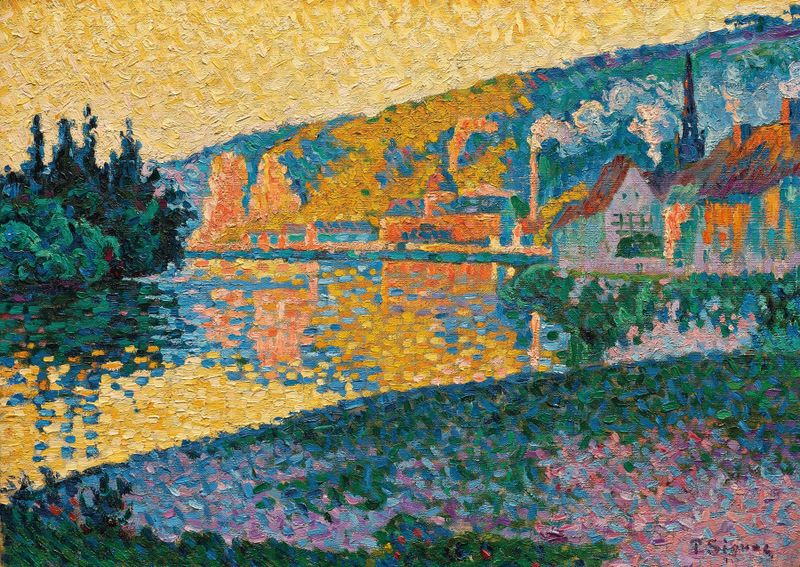
Les Andelys. Soleil couchant
Paul Signac
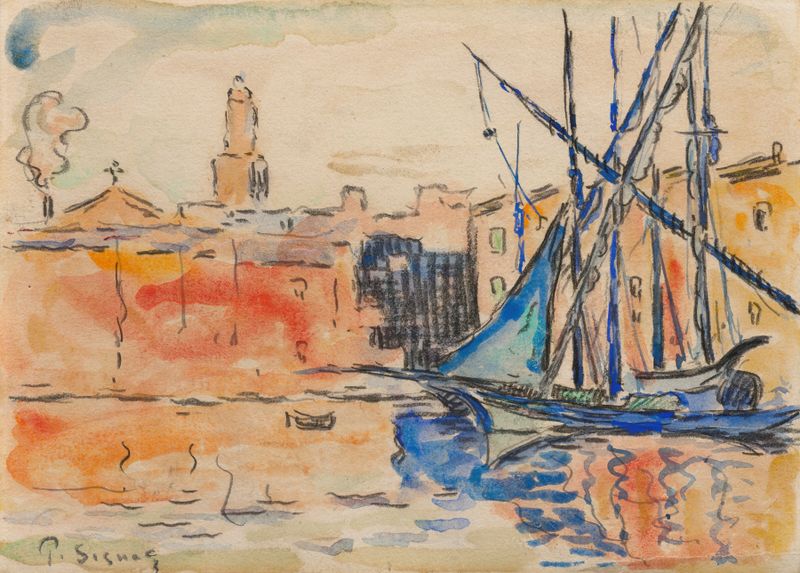
Saint-Tropez, le port
Paul Signac
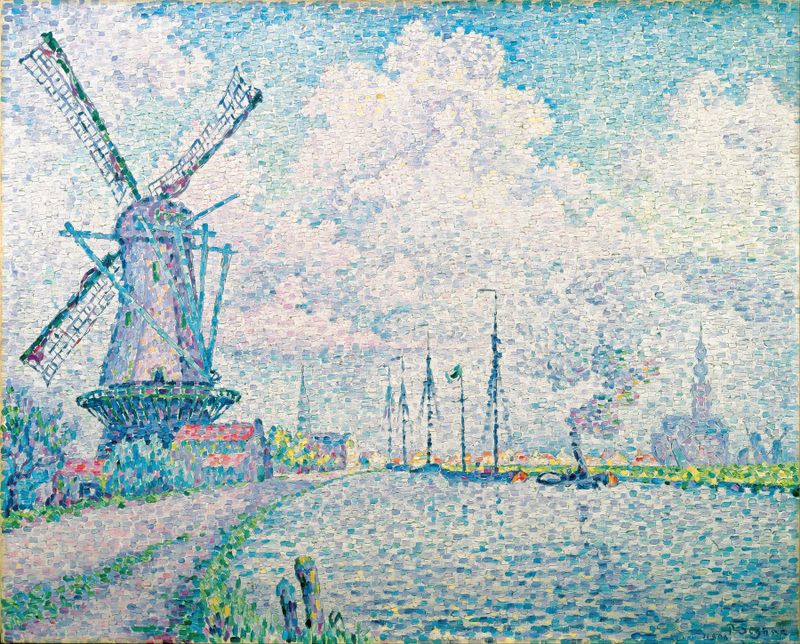
Canal of Overschie
Paul Signac
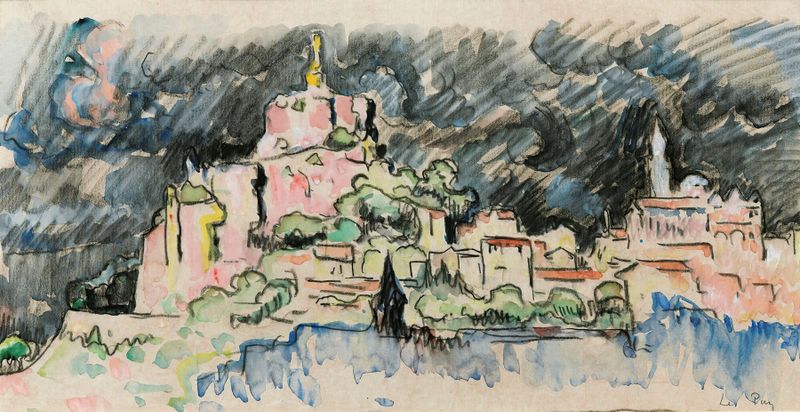
Le Puy-En-Velay, Ciel D’orage
Paul Signac
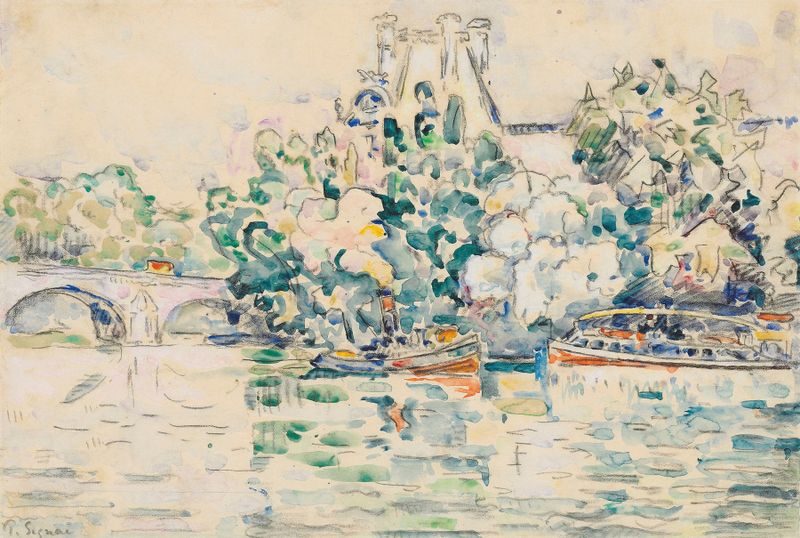
Paris, La Seine au Pont-Royal
Paul Signac
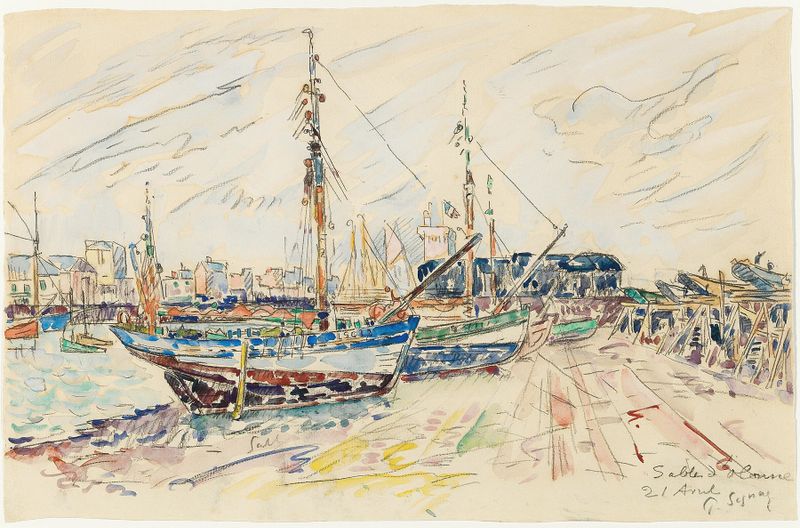
Sables d’Olonne
Paul Signac
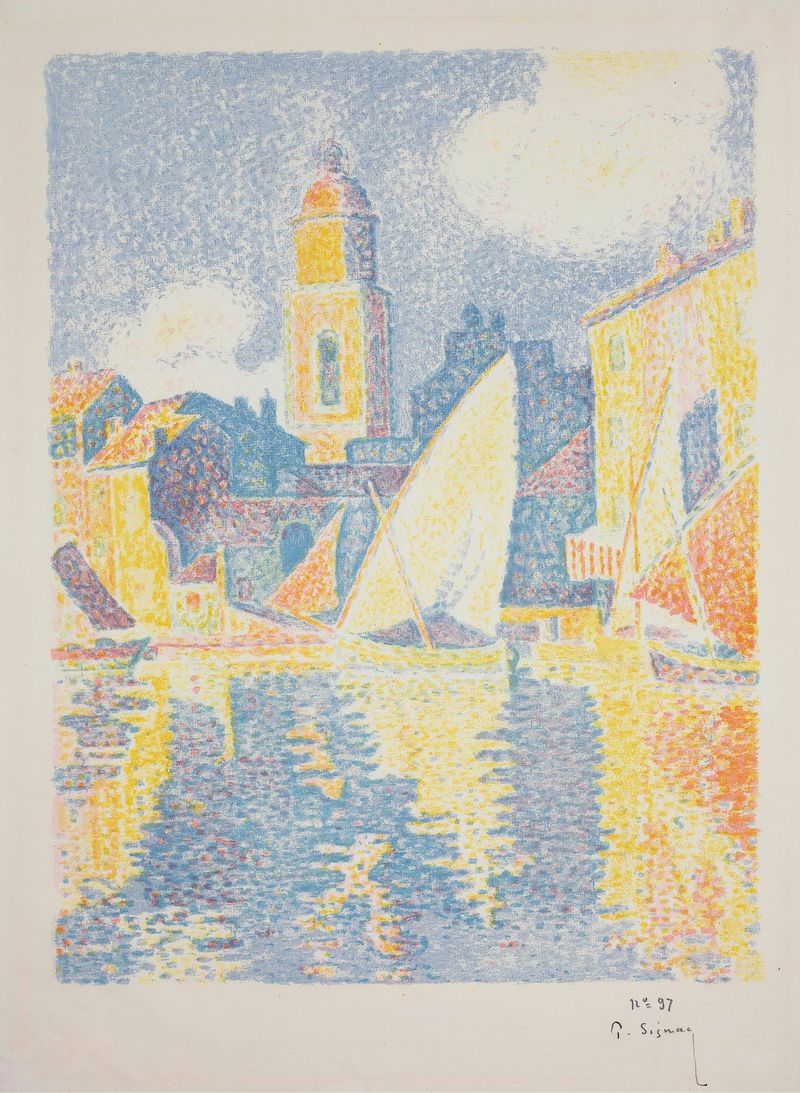
The Port of St. Tropez
Paul Signac
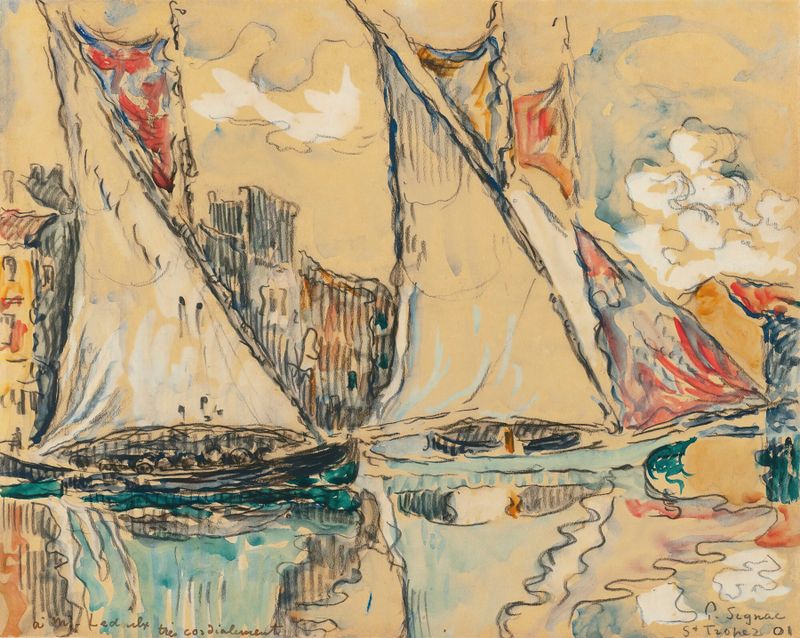
Saint-Tropez, Voiles Au Sec
Paul Signac
Antibes
Paul Signac

Saint-Tropez
Paul Signac





