
The Calanque at Saint Tropez — History & Facts
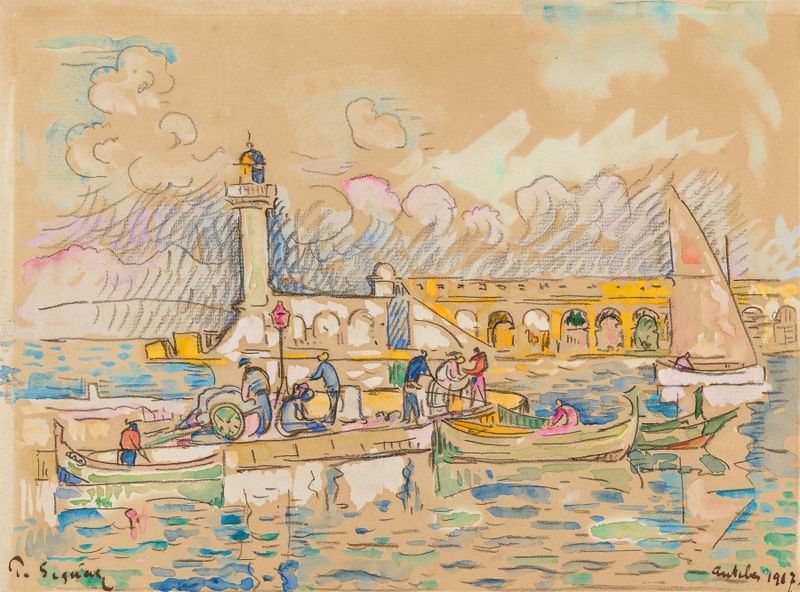
Did the painter know this moment would outlive them? In the rich tapestry of painted landscapes, some scenes capture not just a place but the very essence of rebirth, vibrant and eternal. Look to the left at the deep blue waters of the calanque, where the brushstrokes dance in a symphony of color. The interplay of light and shadow creates a sense of movement; the waves appear to breathe, sparkling under the sun's caress. Notice how the contrasting hues of the rocky coastline, painted in warm ochres and subtle greens, ground the scene, making the water seem even more alive and inviting.
Each stroke feels deliberate, a meticulous layering that evokes both reverence for nature and a celebration of its vitality. Amidst the serene beauty, there’s an underlying tension—the juxtaposition of the stillness of the landscape and the dynamic energy of the sea suggests a moment caught between tranquility and chaos. The warm colors suggest warmth and vitality, while the cooler tones of the water evoke a sense of depth and introspection. This duality invites contemplation on the fleeting nature of life, hinting at the cycles of rebirth that nature undergoes, eternally renewing itself amidst the passage of time. In 1906, Signac painted this masterpiece during a period of personal exploration and artistic evolution.
Living in the vibrant atmosphere of post-Impressionist France, he was deeply influenced by his contemporaries, embracing the principles of Pointillism. His fascination with light and color reflected broader movements in art, pointing towards an era that sought to capture emotional truths through innovative techniques, establishing a legacy that continues to inspire.
More Artworks by Paul Signac
Browse all →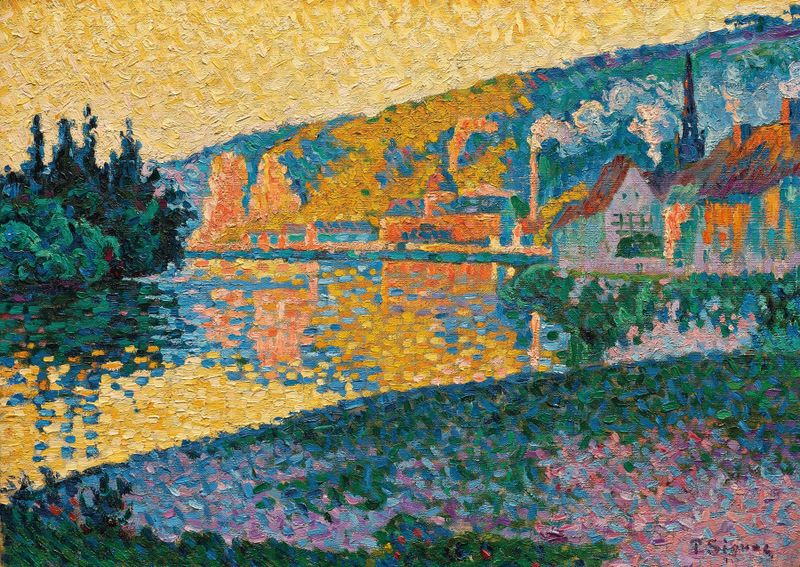
Les Andelys. Soleil couchant
Paul Signac
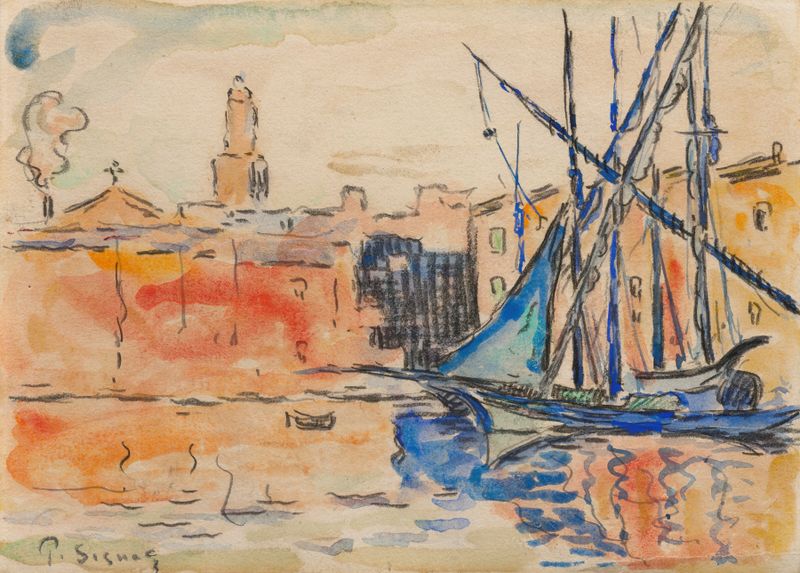
Saint-Tropez, le port
Paul Signac
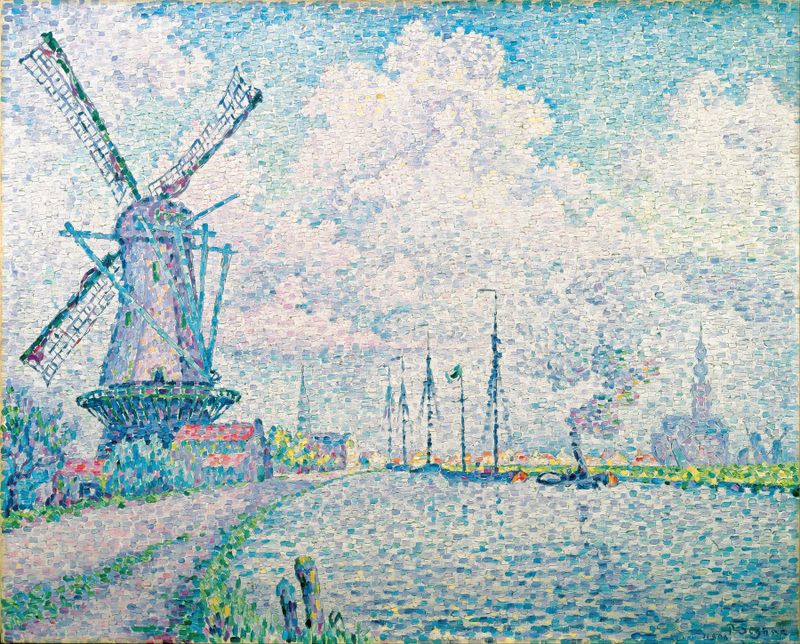
Canal of Overschie
Paul Signac
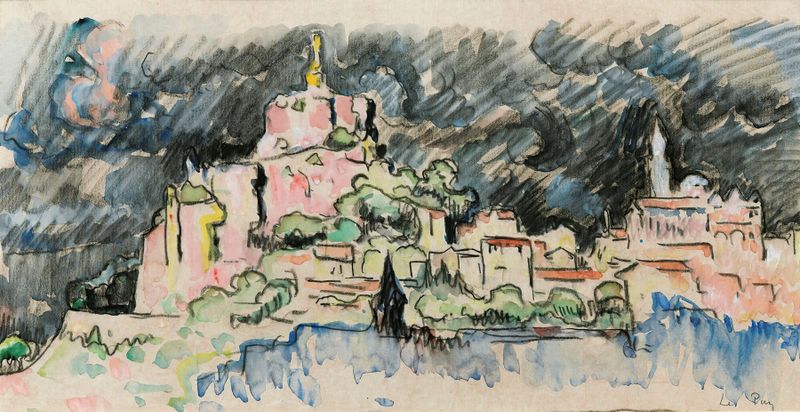
Le Puy-En-Velay, Ciel D’orage
Paul Signac
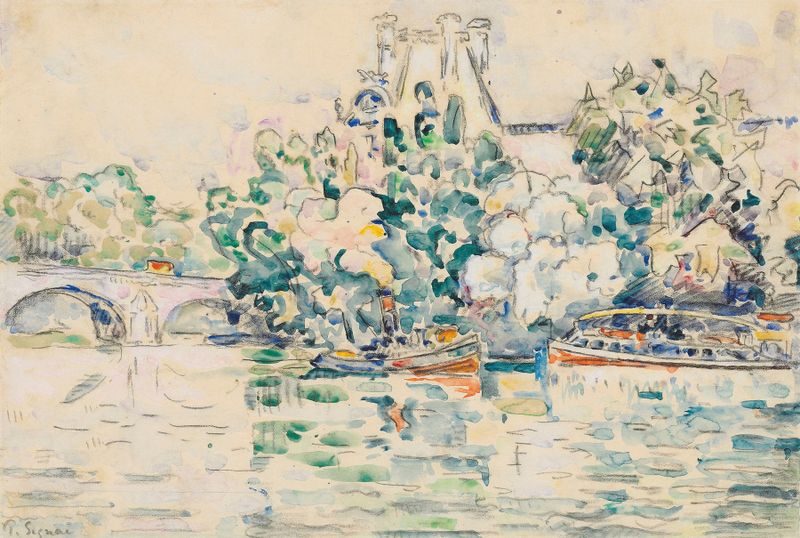
Paris, La Seine au Pont-Royal
Paul Signac
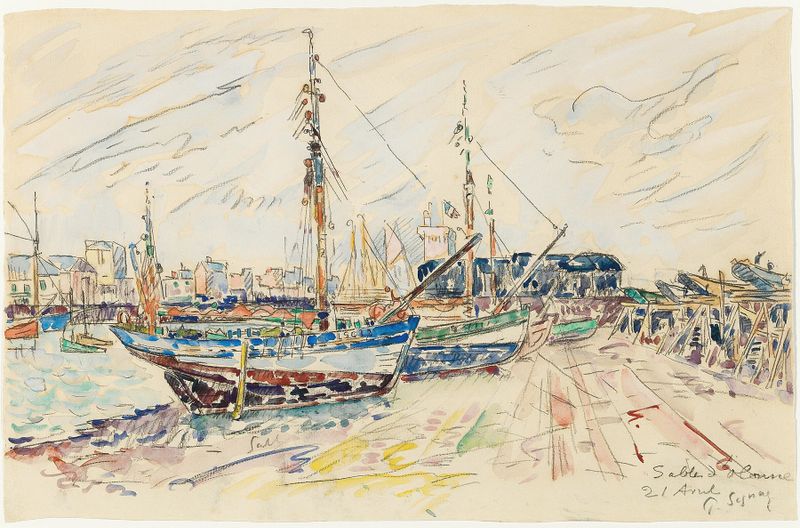
Sables d’Olonne
Paul Signac
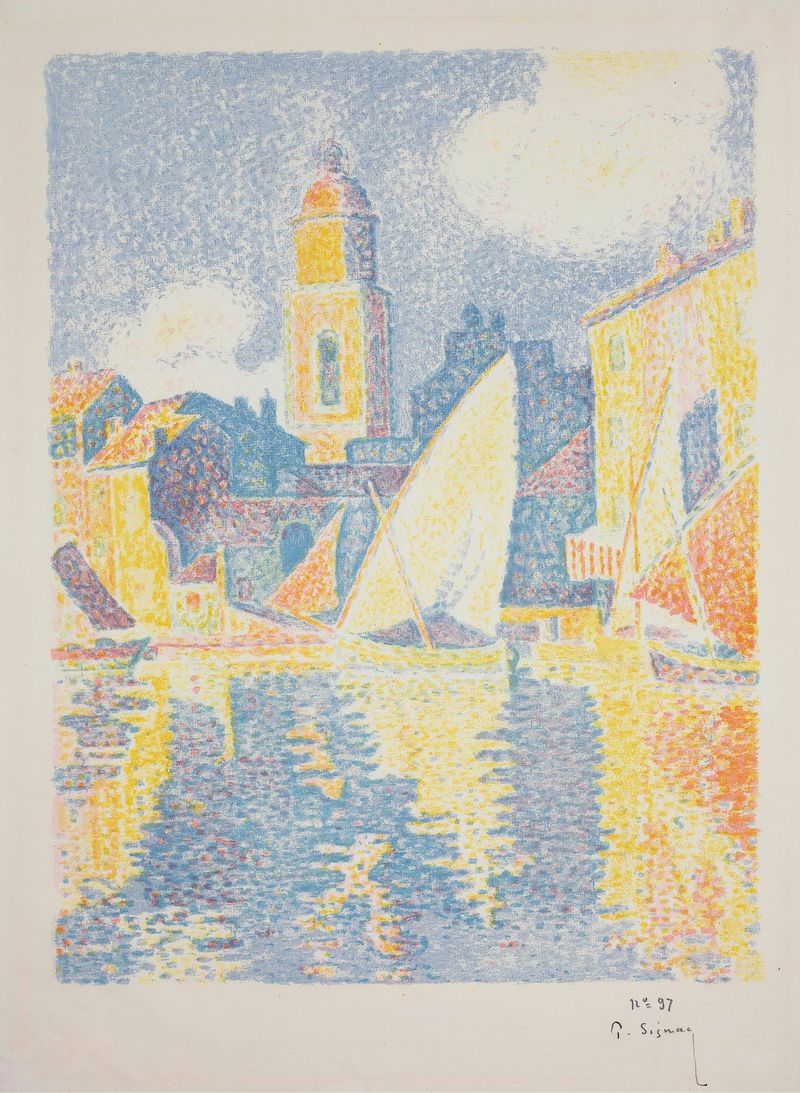
The Port of St. Tropez
Paul Signac
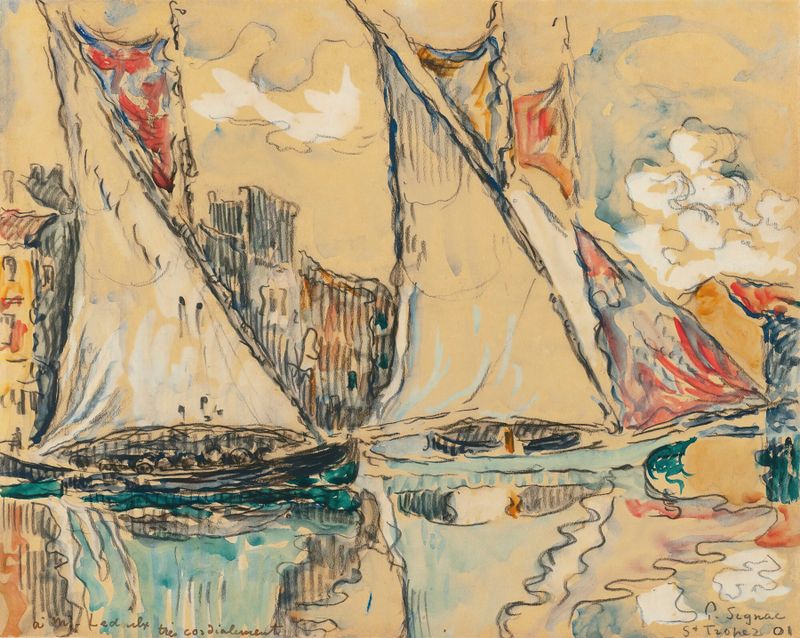
Saint-Tropez, Voiles Au Sec
Paul Signac
Antibes
Paul Signac

Saint-Tropez
Paul Signac





