The central public hall — History & Facts
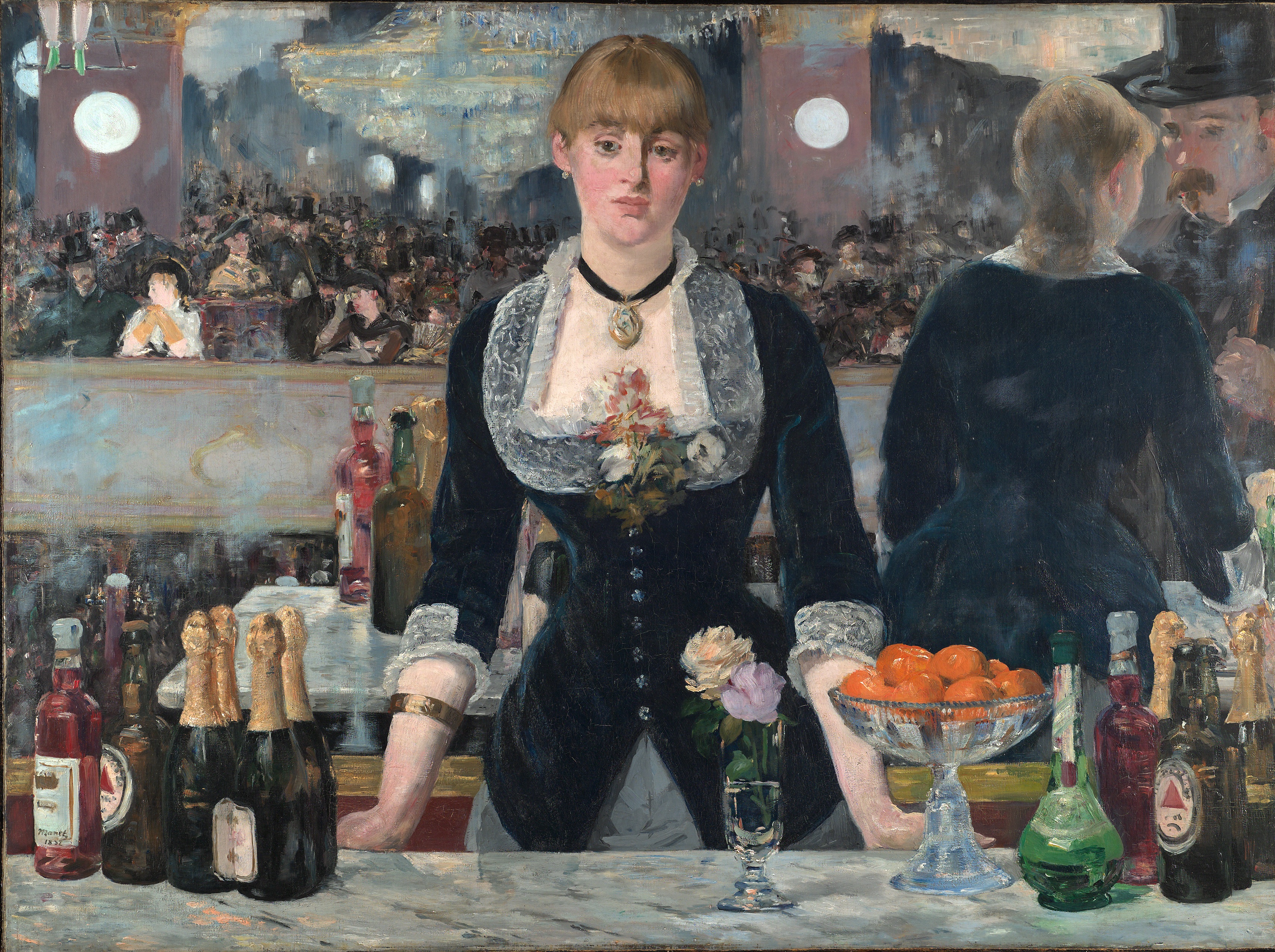
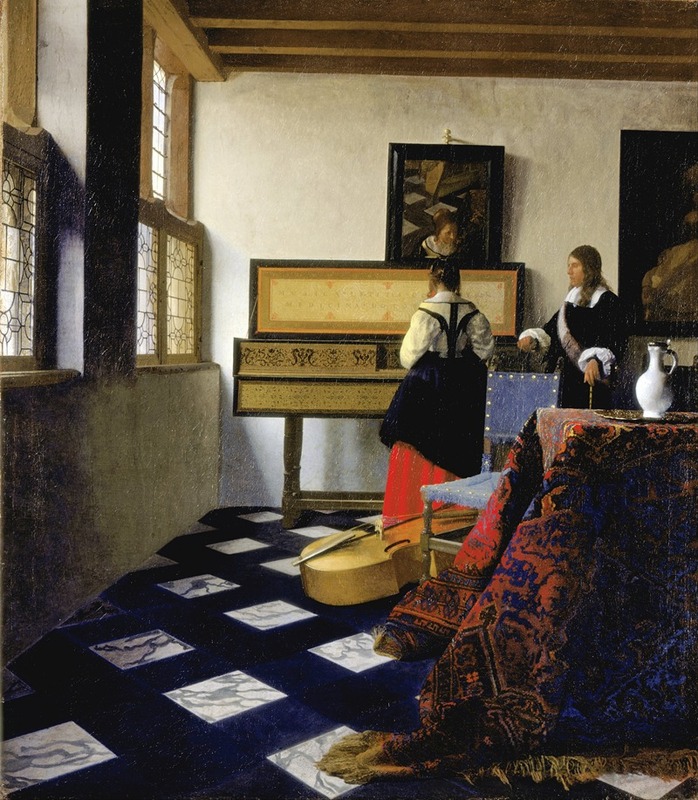
In the stillness of The Central Public Hall, emptiness echoes through a space that once thrived with life. The walls absorb the remnants of countless stories, whispering of what was and what remains unseen. Within this hollow chamber, the absence of movement holds a profound weight, inviting the viewer to reflect on loss and the passage of time. Look to the left where the light filters in through tall, empty windows, casting soft shadows across the wooden floor.
Notice how the fading hues of ochre and dusty gray create a somber palette, evoking a sense of nostalgia. The architectural lines guide the eye upward, emphasizing the vastness of the hall as it stretches toward the ceiling, yet hints at its desolation. The careful composition reflects an intentional stillness, a moment suspended in time, urging contemplation of both space and memory. Delve deeper into the subtle contrasts present within the artwork.
The stark emptiness juxtaposes the grandeur of the hall, serving as a poignant reminder of the vibrancy that once filled it. Each corner of the room tells a story of absence, while the emptiness itself transforms into a character, resonating with the loneliness of post-war Japan. In doing so, the painting captures not only the physical space but the emotional landscape of a nation in recovery and reflection. In 1947, Akamatsu Rinsaku painted this piece against the backdrop of a war-torn Japan grappling with its identity and future.
Living in a time of societal upheaval and transformation, he utilized this work to articulate the quietude of loss amid the desire for renewal. The art movement of that era, marked by an exploration of existential themes, found a powerful voice in Rinsaku’s poignant portrayal of emptiness and remembrance.
More Artworks by Akamatsu Rinsaku
Browse all →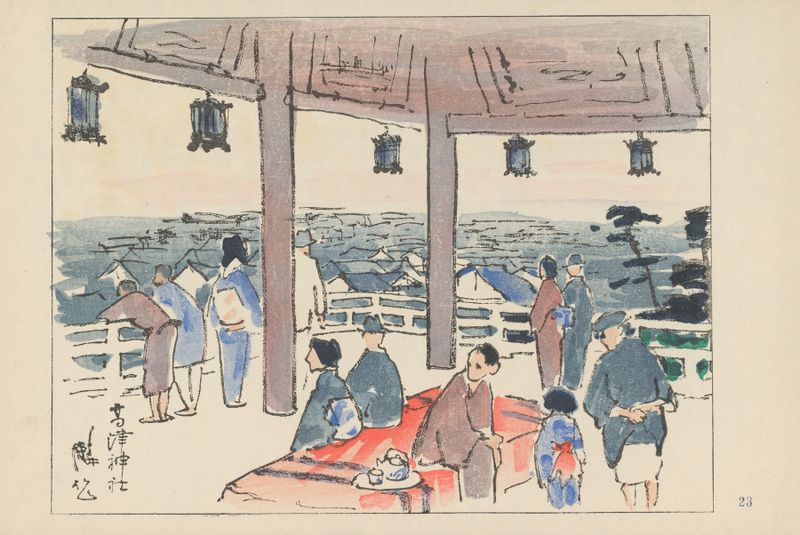
Kozu shrine dedicated to Nintoku Emperor
Akamatsu Rinsaku
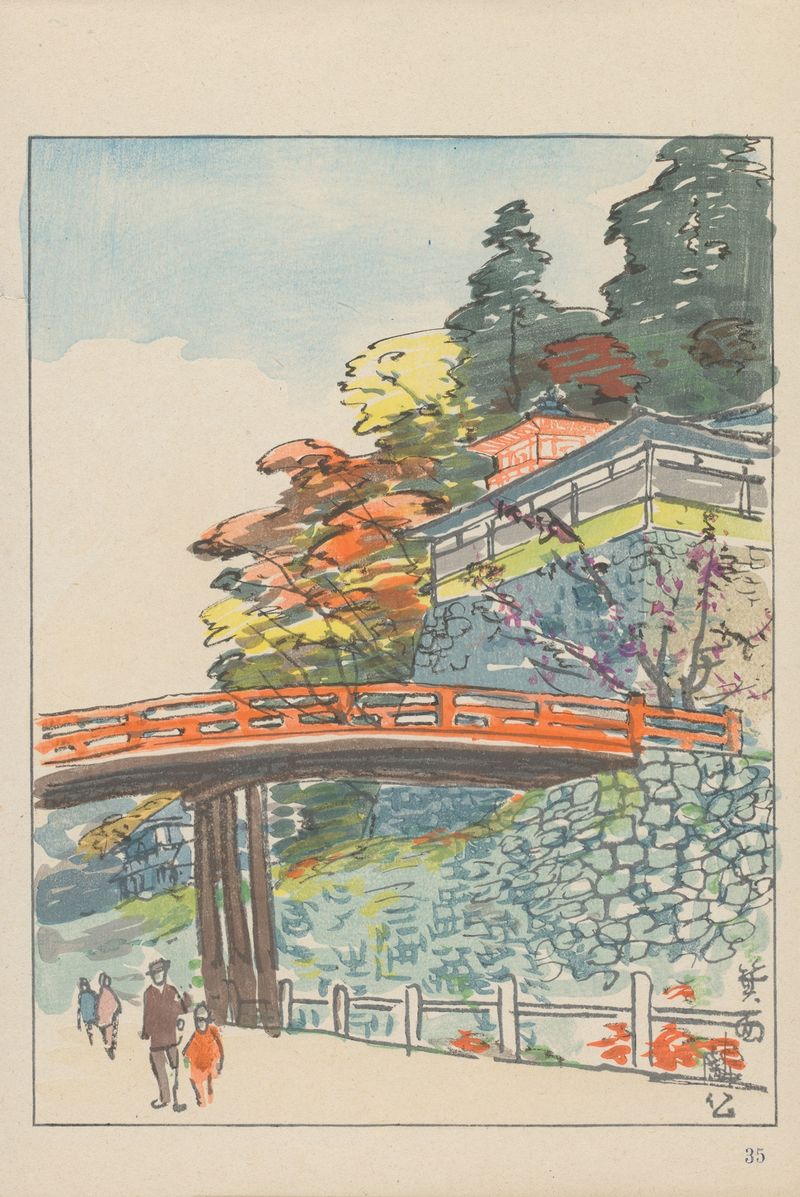
Minoo, National Park
Akamatsu Rinsaku
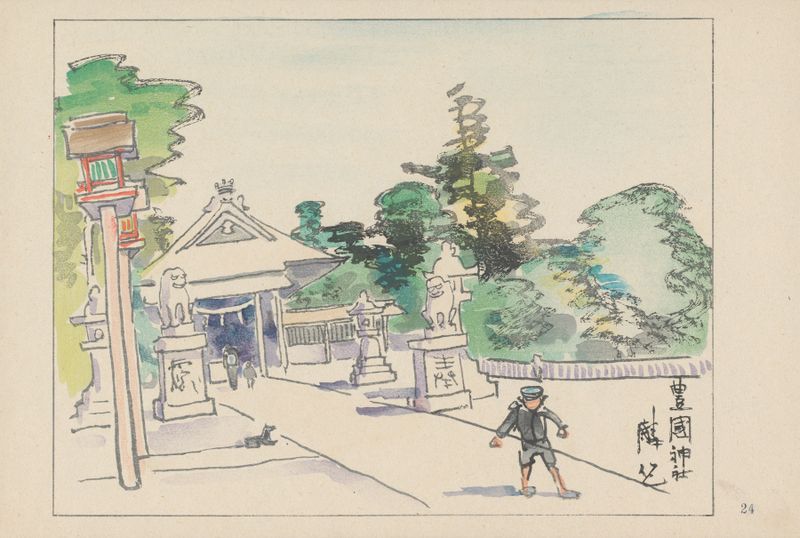
Toyokuni shrine dedicated to Toyotomi Hideyoshi
Akamatsu Rinsaku

Tsumura betsuin, the agency of Nishi-honganji
Akamatsu Rinsaku
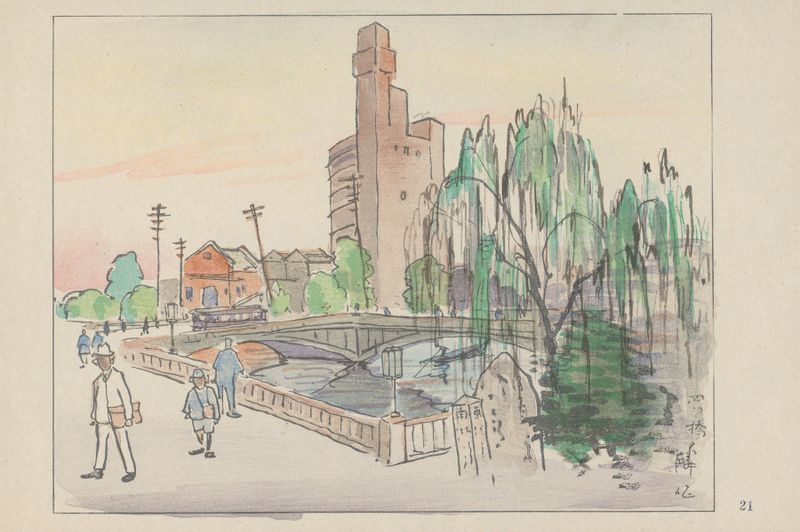
Yotsubashi, four joint bridges
Akamatsu Rinsaku
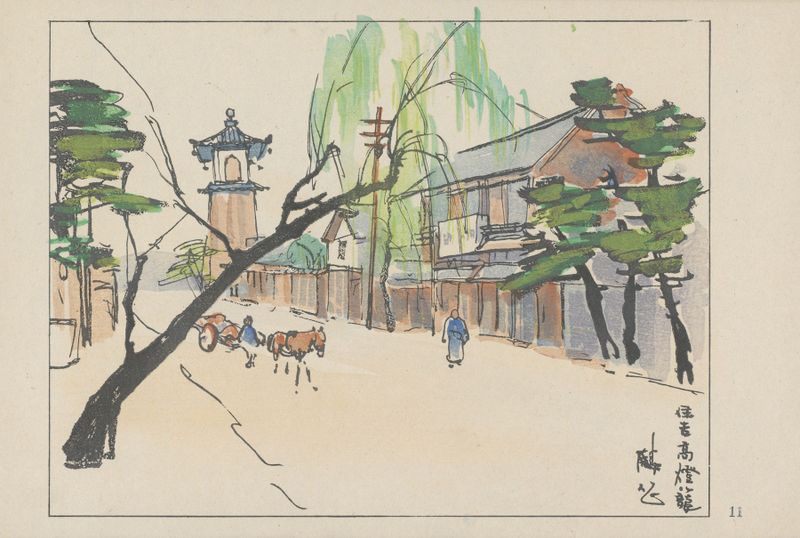
The high lanton at Sumiyoshi, a light house in older time
Akamatsu Rinsaku
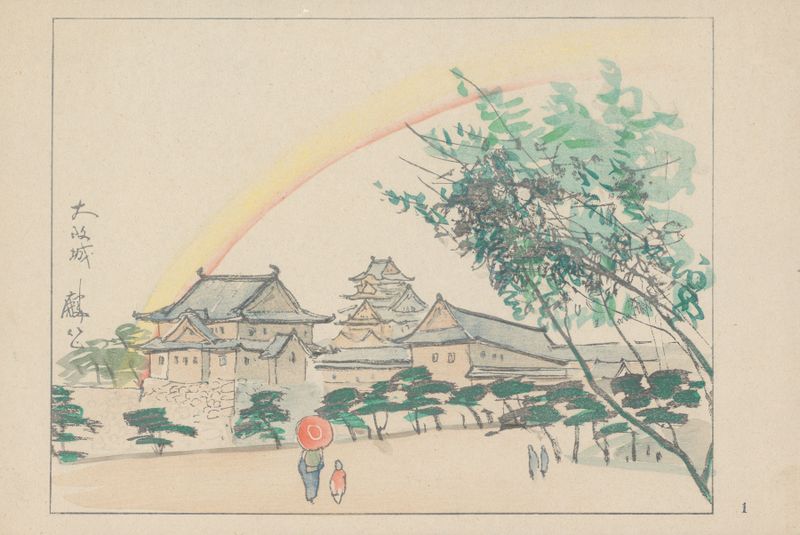
Osaka Castle, built by Toyotomi Hideyoshi in 1585 A.D
Akamatsu Rinsaku
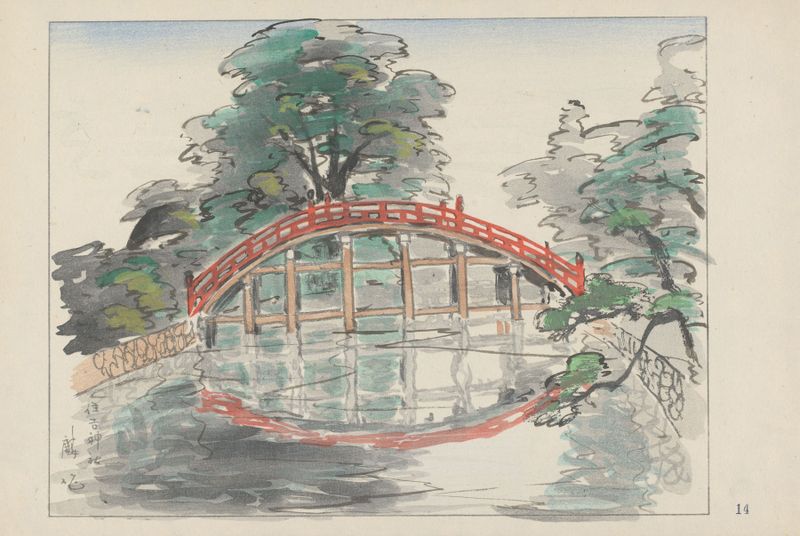
Sumiyoshi Shinto shrine
Akamatsu Rinsaku
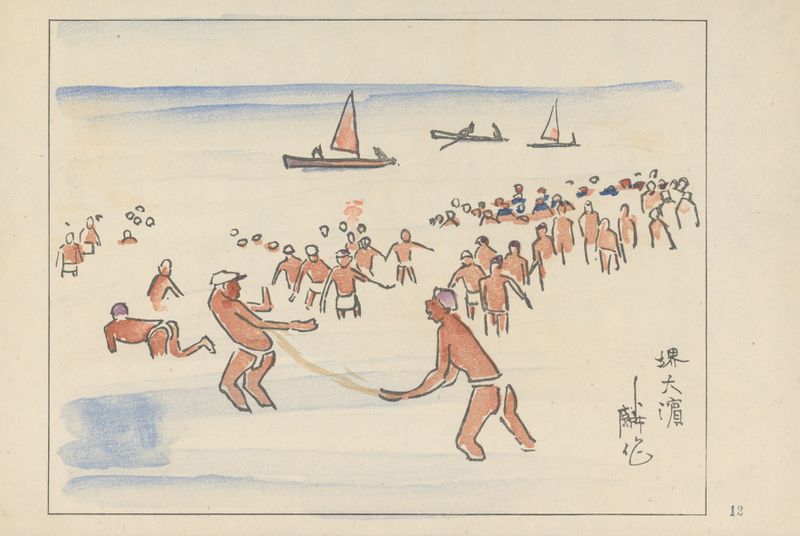
Sakai Ohama, swiming beach
Akamatsu Rinsaku

Kawaguchi, the estuary of Yodo river
Akamatsu Rinsaku