
The Chapel Haddon Hall — History & Facts
In the stillness of The Chapel Haddon Hall, silence speaks volumes, inviting contemplation and a deep emotional resonance. Look to the center of the canvas, where the ornate arches rise like silent sentinels, casting elongated shadows that play across the stone floor. Notice how the muted palette of earthy browns and soft grays harmonizes with the gentle light filtering through stained glass, creating a tapestry of colors that dance in stillness. The meticulous detail of the stonework exudes a sense of history, grounding the viewer in a moment suspended in time, while the delicate brushstrokes evoke both reverence and awe. Amidst this serene interior, contrasts emerge—the solidity of the stone against the ethereal light, the permanence of the architecture juxtaposed with the fleeting nature of the moment captured.
The interplay of shadow and light hints at stories untold, of whispered prayers and fleeting glances, drawing us into the chapel’s embrace. Each corner of the painting invites introspection, revealing layers of meaning about faith, solitude, and the passage of time, invoking a poignant reflection on our own silent experiences. David Young Cameron painted this work in 1902, during a period marked by a profound transition in the realms of both art and architecture. Influenced by the Pre-Raphaelite movement, he sought to capture not just the physicality of spaces but their spiritual essence.
This painting reflects his dedication to detail and light, capturing the atmosphere of Haddon Hall as it stood proudly amidst the changes of a modernizing world.
More Artworks by David Young Cameron
Browse all →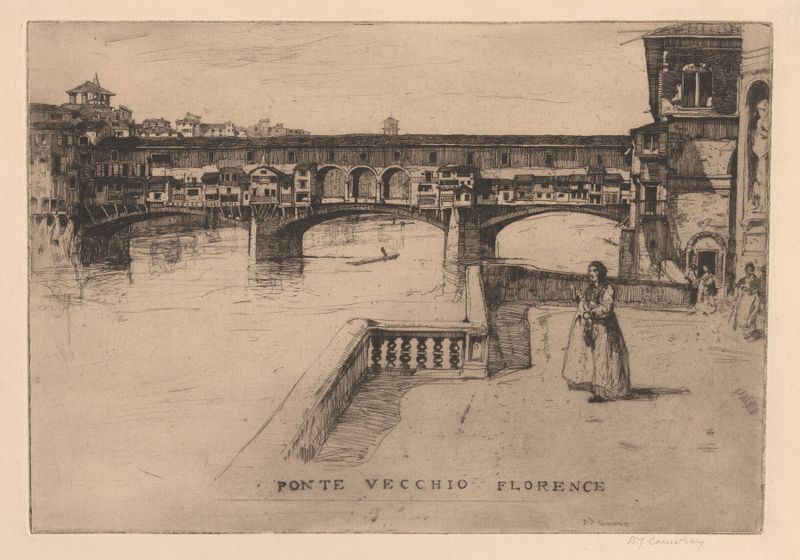
Ponte Vecchio
David Young Cameron

The Deanery, Winchester
David Young Cameron
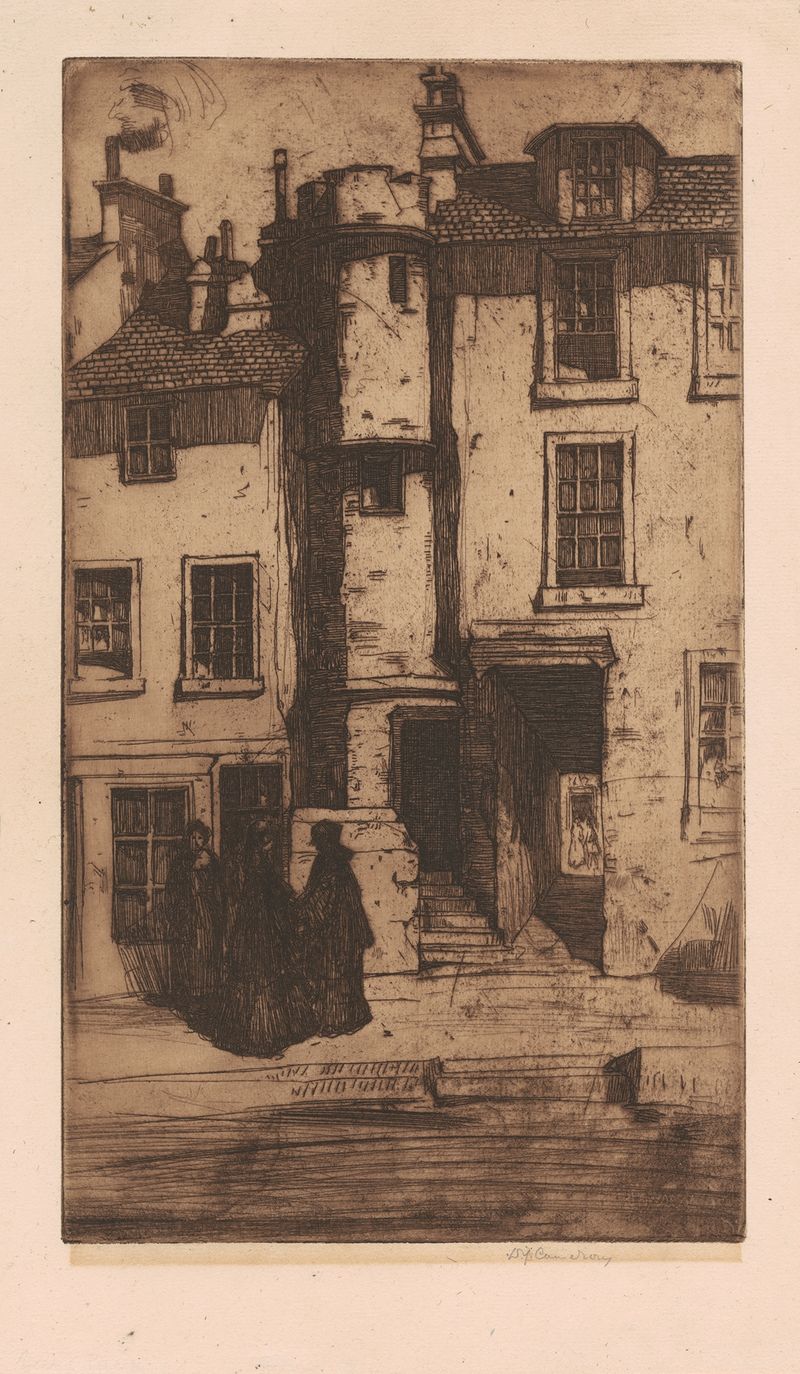
Old Houses, Stirling
David Young Cameron
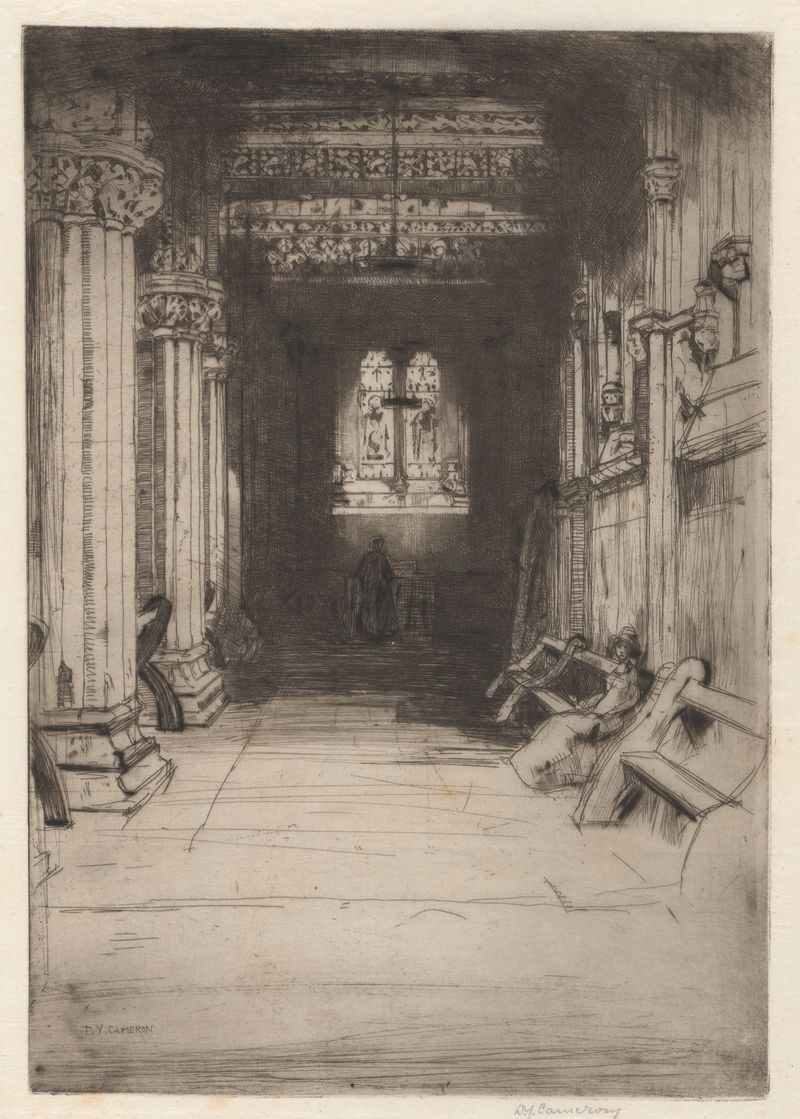
Rosslyn Chapel
David Young Cameron

The Old Museum, Beauvais
David Young Cameron
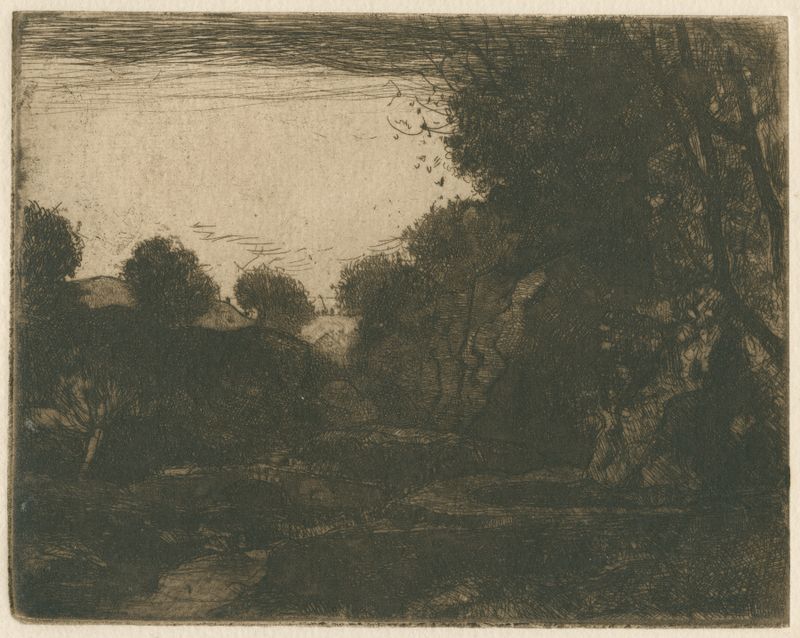
On the Bradford
David Young Cameron

The Smithy
David Young Cameron
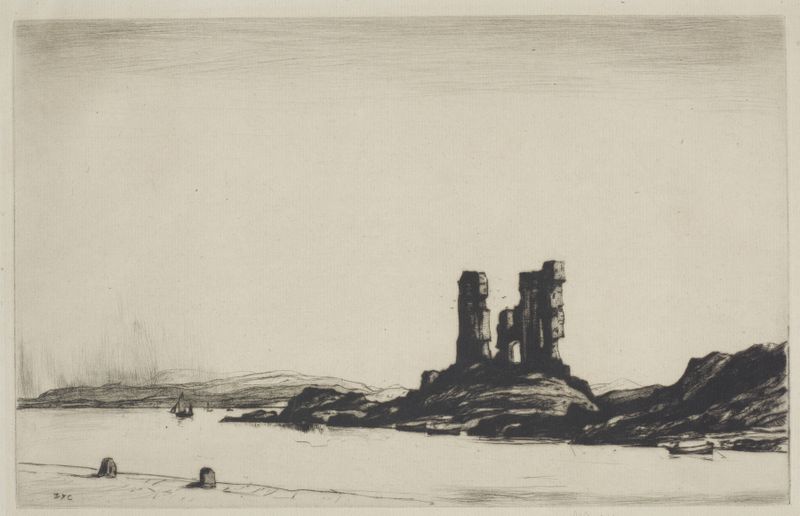
Castle Moyle
David Young Cameron
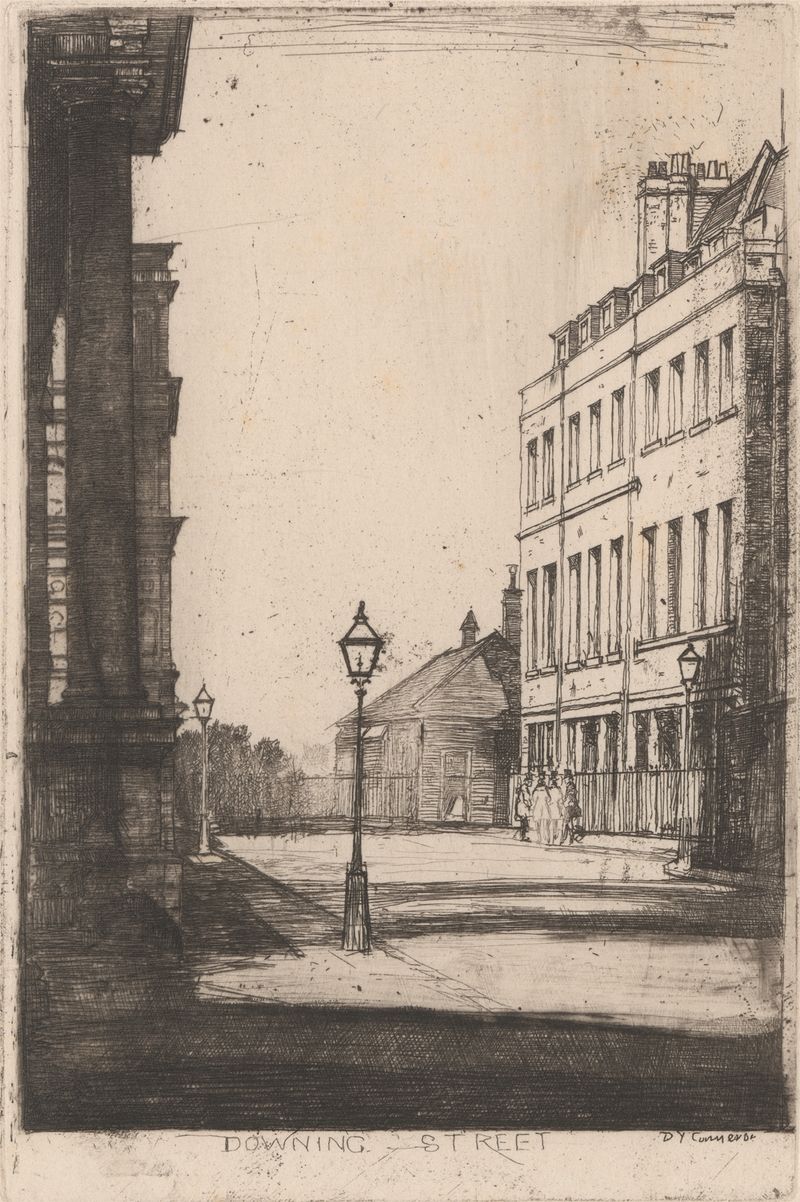
Downing Street
David Young Cameron

Glasgow Cathedral
David Young Cameron
More Architecture Art
Browse all →
The statue of Liberty
Frédéric Auguste Bartholdi

View of Houses in Delft, Known as ‘The Little Street’
Johannes Vermeer

View of Houses in Delft, Known as ‘The Little Street’
Johannes Vermeer

The Cathedral in Rouen. The portal, Grey Weather
Claude Monet

The yellow house
Vincent van Gogh

The Church in Auvers-sur-Oise, View from the Chevet
Vincent van Gogh