
The Children’s Playground — History & Facts
In the hushed whispers of a dream, innocence mingles with the bittersweet weight of nostalgia, inviting reflection on the fleeting nature of childhood. Look to the left at the delicate forms of children, their laughter almost palpable as it dances through the air. The vibrant hues of blue and green envelop the figures, inviting the eye to explore their playfulness against the soft earth tones of the landscape. Notice how the sunlight filters through the treetops, dappling the ground with warmth, while shadows linger in the corners, hinting at the sorrow that shadows joy.
The composition draws you in, wrapping you in the carefree essence of youth, even as deeper truths simmer beneath the surface. The interplay between light and shadow captures a poignant contrast; the exuberance of childhood is inextricably linked with its impermanence. The children, lost in their games, represent a fleeting moment, yet the watchful trees stand sentinel, holding the weight of time and memory. A solitary swing, barely swaying, hints at the transitions that lie ahead — a beautiful yet haunting reminder that every joy carries the seed of loss.
The painting whispers of dreams not yet realized, evoking both delight and melancholy. In 1873, Johnson painted this piece during a period when American art was increasingly turning towards themes of everyday life and landscapes. Living in New York and engaged with the burgeoning Hudson River School, he sought to capture the essence of American identity and experience. The children’s carefree spirit mirrors the era's hopefulness, yet also reflects the artist’s understanding of life’s underlying complexities.
More Artworks by David Johnson
Browse all →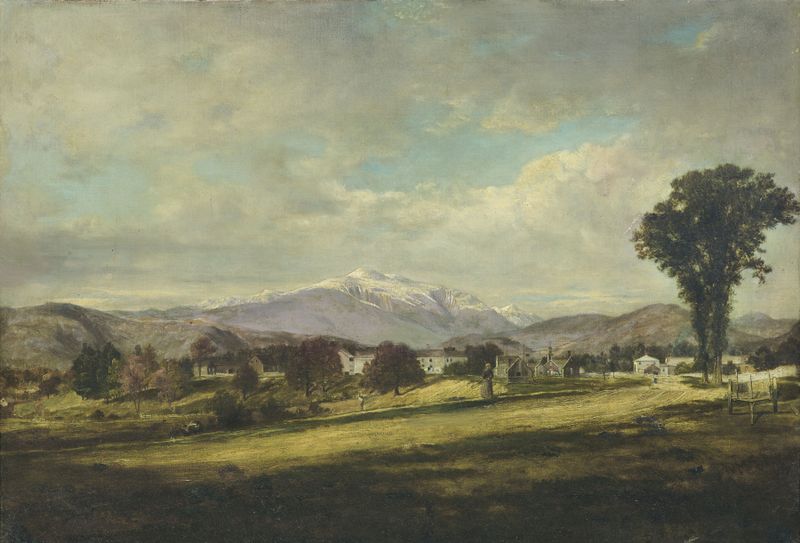
White Mountains from North Conway, New Hampshire
David Johnson
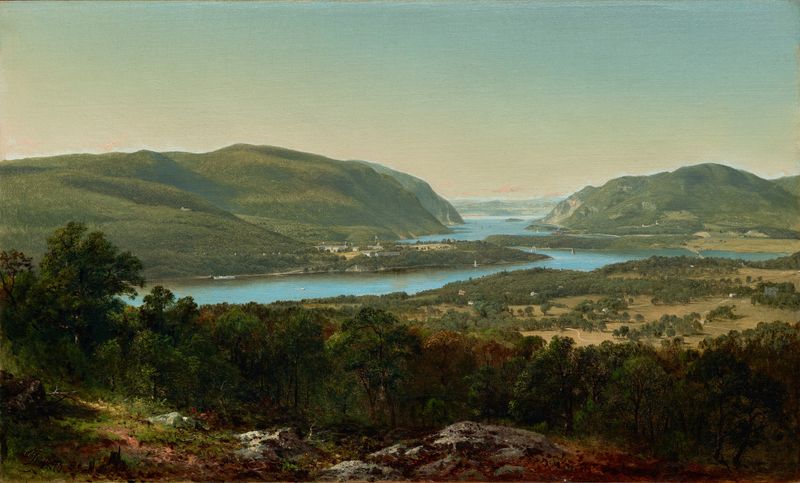
View from Garrison, West Point, New York
David Johnson
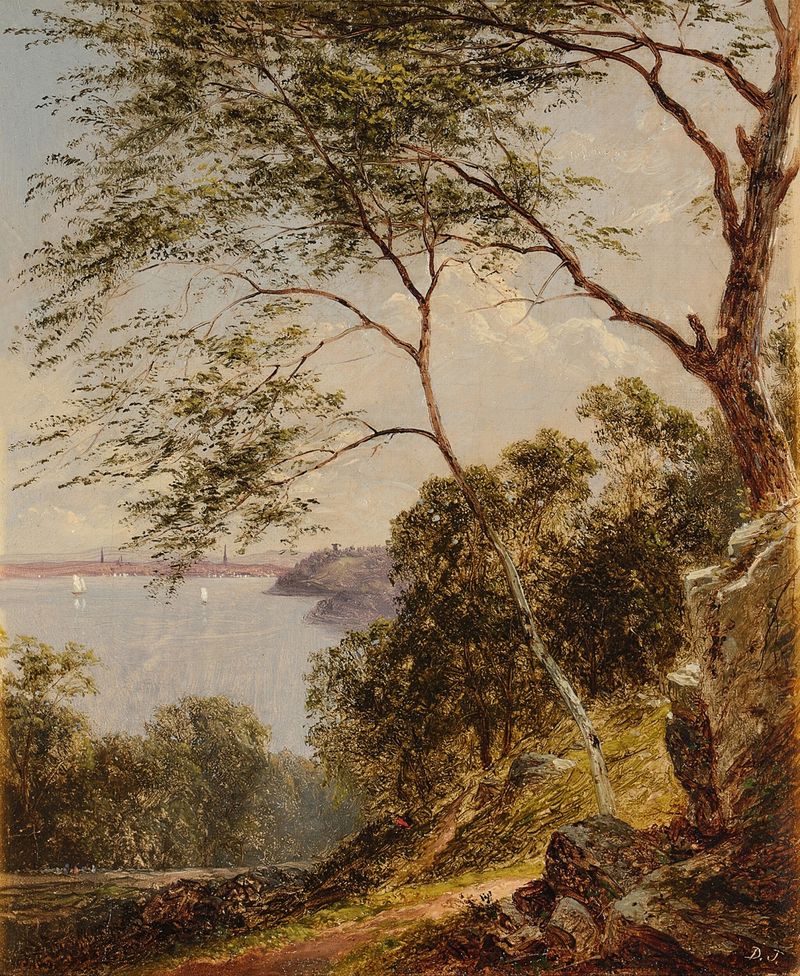
From Union Hill, Hoboken
David Johnson
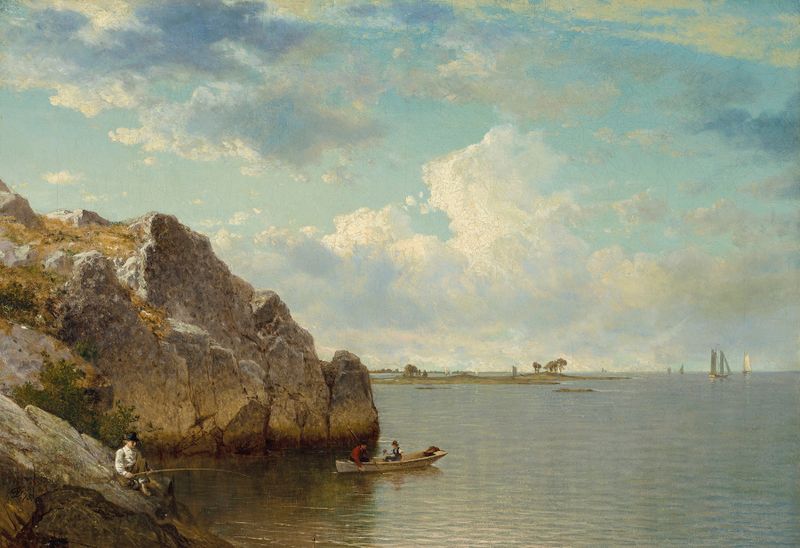
Near Noroton, Connecticut
David Johnson
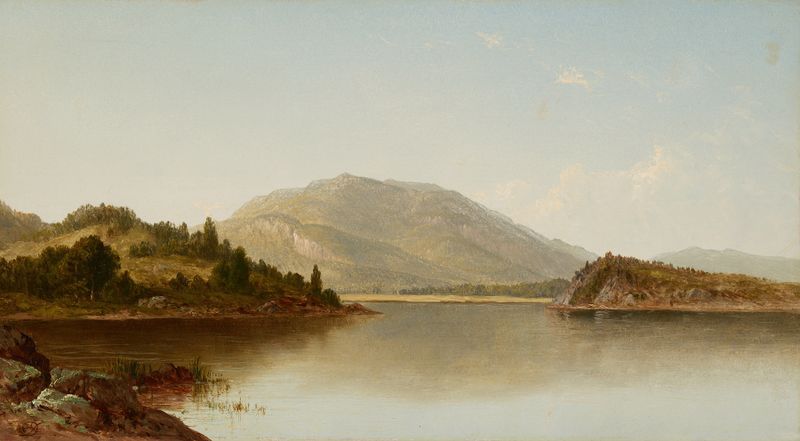
Bear Mountain and Iona Island on the Hudson River
David Johnson
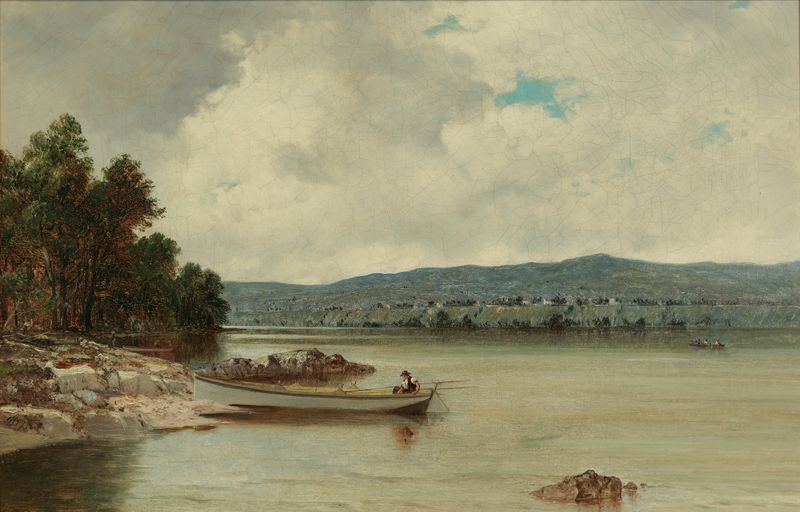
Landing The Dory
David Johnson
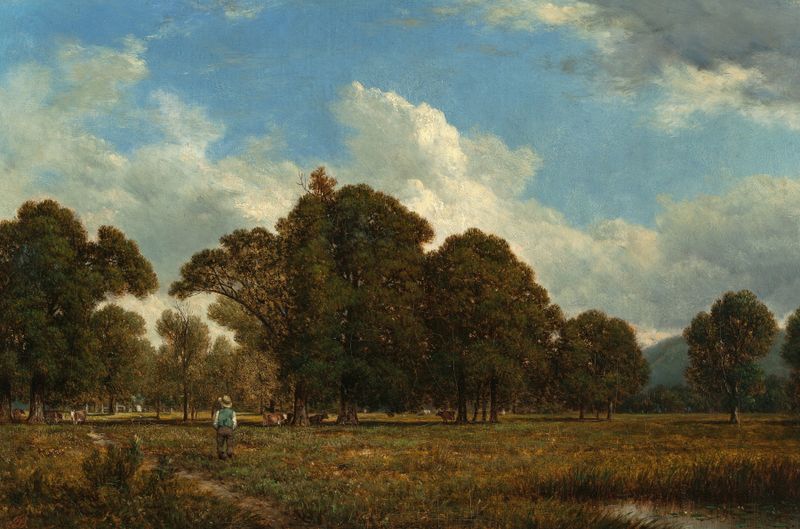
A Farm on the Genesee River
David Johnson
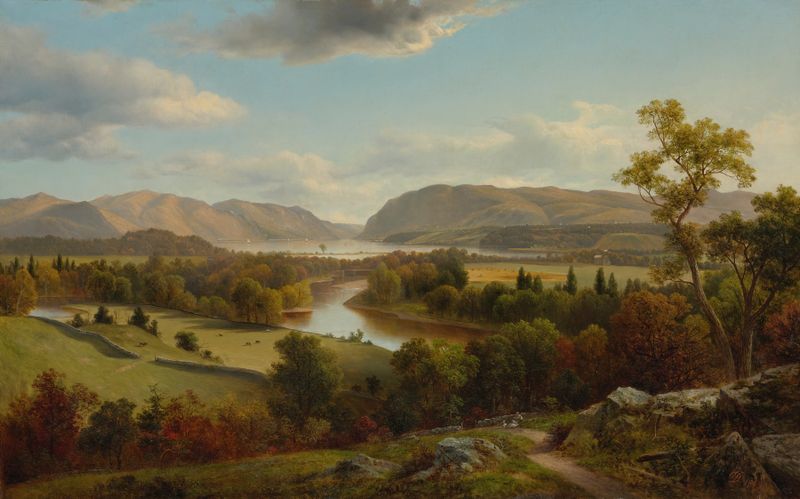
View From New Windsor, Hudson River
David Johnson
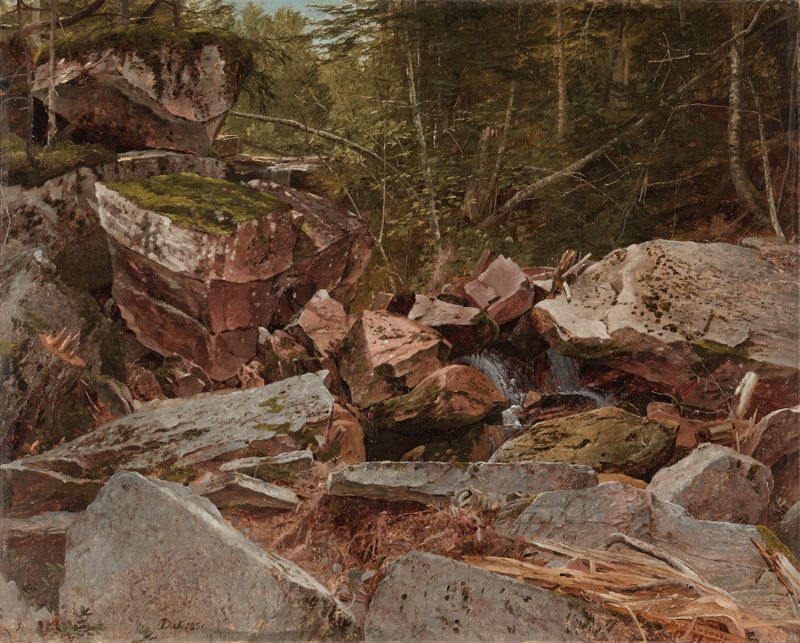
Study, North Conway, New Hampshire
David Johnson
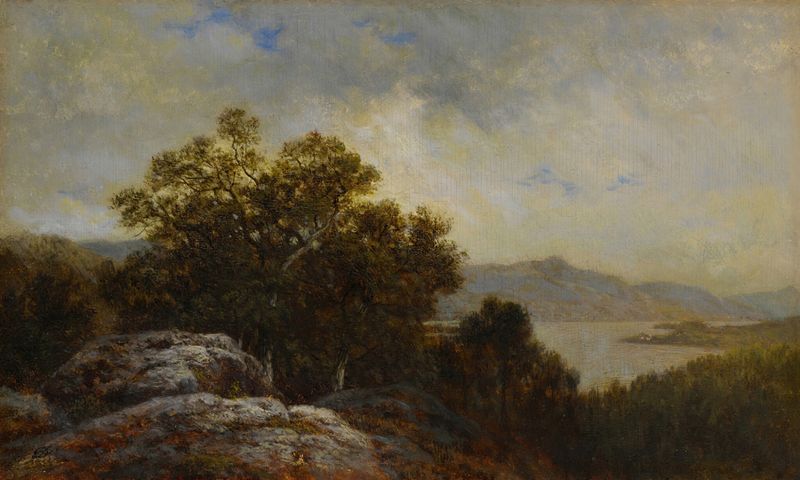
Near Hague, Lake George
David Johnson





