
The Chinese House, the Rotunda, & the Company in Masquerade in Renelagh Gardens — History & Facts
A soft twilight descends upon Renelagh Gardens, where laughter dances lightly on the breeze. Guests in ornate masquerade costumes mingle, their colorful masks shimmering under the dappling light of lanterns. The Chinese House stands elegantly in the background, its intricate architecture casting delicate shadows on the grassy scene, blending elegance and whimsy in an enchanting tableau. Look to the left, where the vibrant hues of silks and satins catch the eye, creating a vivid tapestry of color against the lush greens of the garden.
Notice how the warm light spills from the lanterns, illuminating the faces of revelers, their joy contrasting with the subtle darkening of the evening sky. The composition draws you in—a diagonal line formed by the guests’ dynamic poses leads your gaze toward the graceful structure of the Chinese House, a symbol of cultural curiosity and the human love for spectacle. Within this vibrant gathering, the layers of meaning unfold. The masquerade masks represent both mystery and the allure of anonymity, allowing individuals to transcend their identities, even if only for a night.
The juxtaposition of the exotic architecture with the French garden underscores the era’s fascination with the East, a legacy of colonialism and cultural exchange. Each detail echoes stories of personal and collective histories, weaving together a narrative of celebration and the quest for connection. In the early 18th century, when this scene was likely painted, Thomas Bowles III found himself immersed in the bustling cultural life of England. Renelagh Gardens, a hub for socialites, reflected the changing tastes of an era enamored with both nature and artifice.
Bowles's work captures the essence of these gatherings, marked by a desire for leisure and the legacy of a society eager to showcase its wealth and creativity.
More Artworks by Thomas Bowles III
Browse all →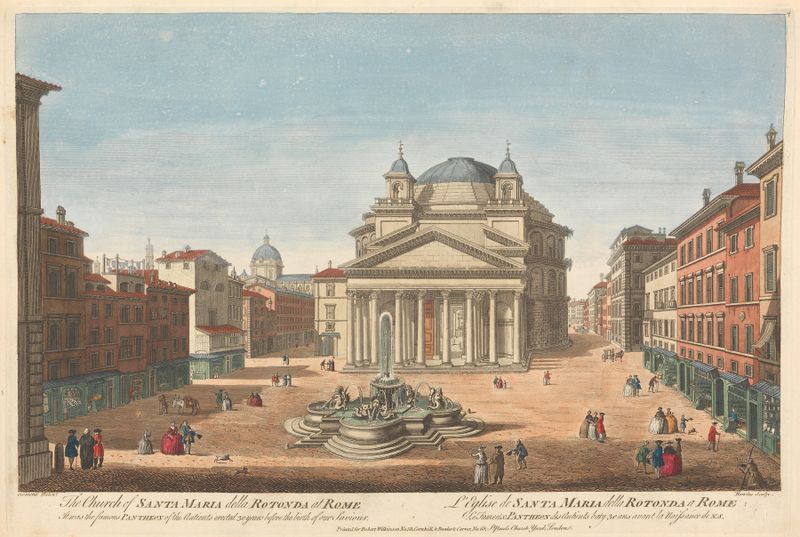
The Church of Santa Maria della Rotonda at Rome; It was the famous Pantheon of the Antients erected 30 years before the birth of our Saviour
Thomas Bowles III

The South West Prospect of London, from Somerset Gardens to the Tower
Thomas Bowles III
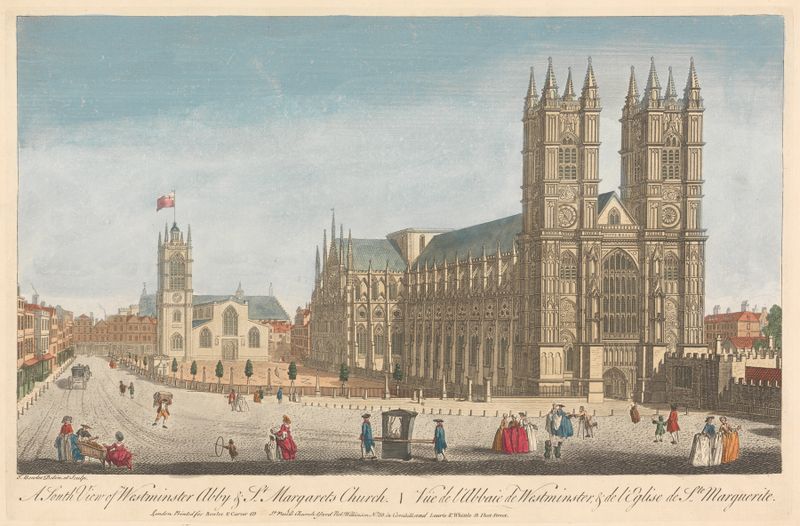
A South View of Westminster Abby & St. Margarets Church
Thomas Bowles III
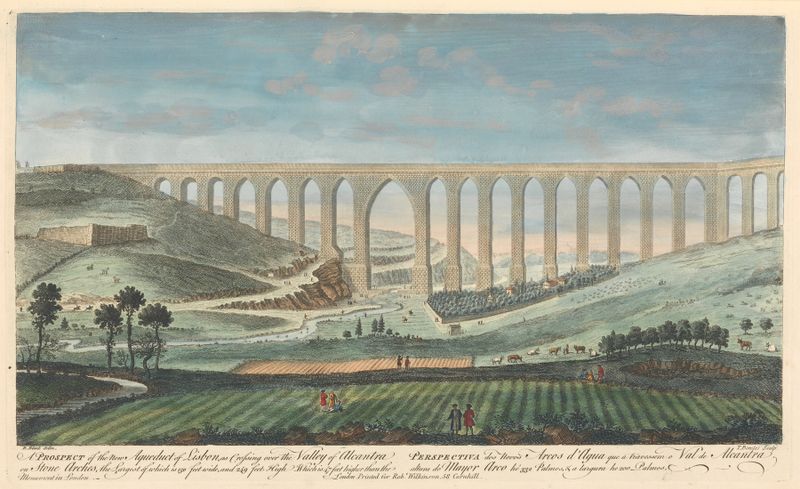
A Prospect of the New Aqueduct of Lisbon
Thomas Bowles III
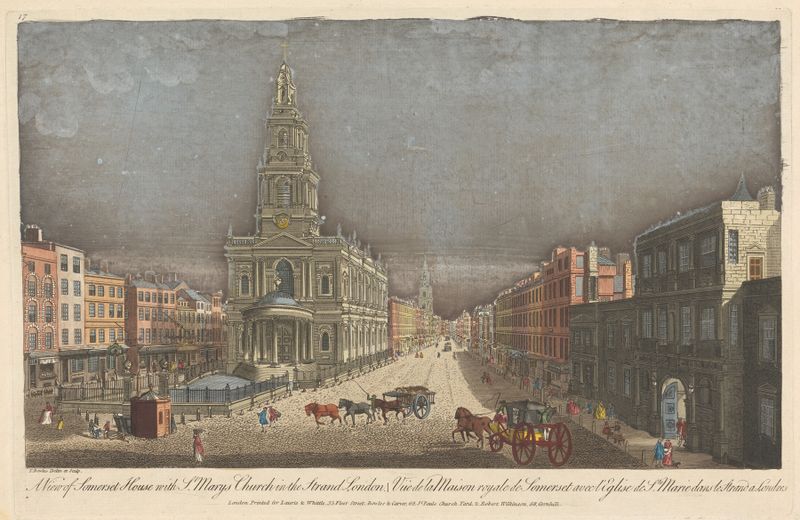
A View of Somerset House with St. Mary’s Church in the Strand London
Thomas Bowles III
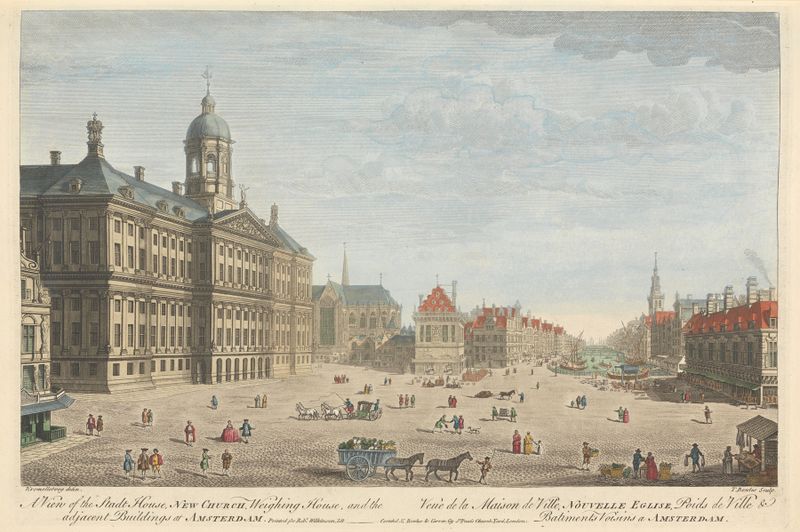
A View of the Stadt House, New Church, Weighing House, and the adjacent Buildings at Amsterdam
Thomas Bowles III
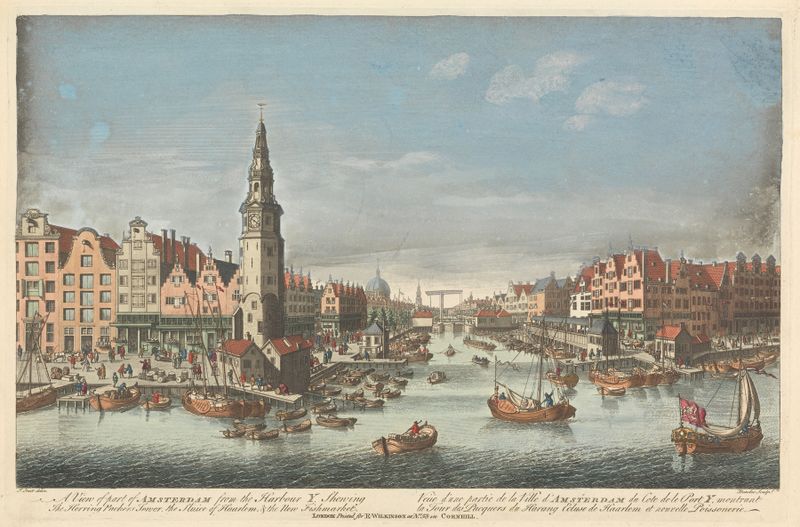
A View of part of Amsterdam from the Harbour Y, Shewing the Herring Packers Tower, the Sluice of Haarlem, & the New Fishmarket
Thomas Bowles III
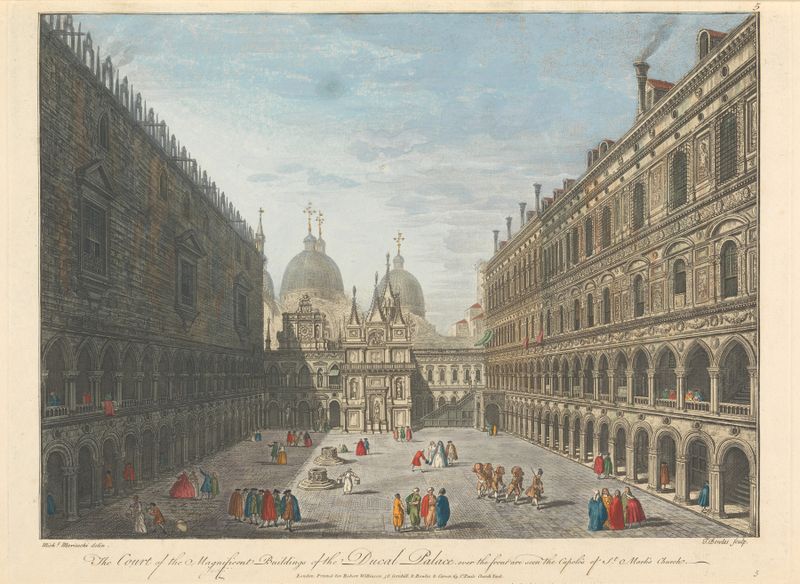
The Court of the Magnificent Building of the Ducal Palace over the front are seen the Cupolo’s of St. Mark’s Church.
Thomas Bowles III
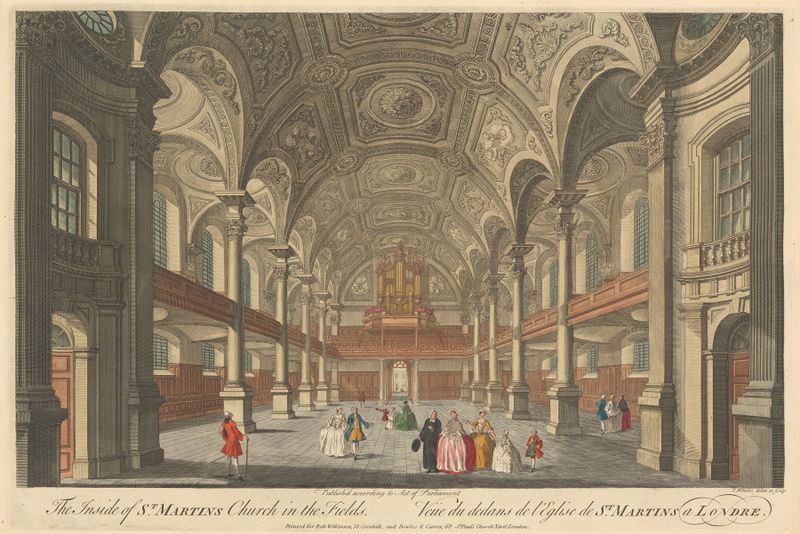
The Inside of St. Martin’s Church in the Fields
Thomas Bowles III
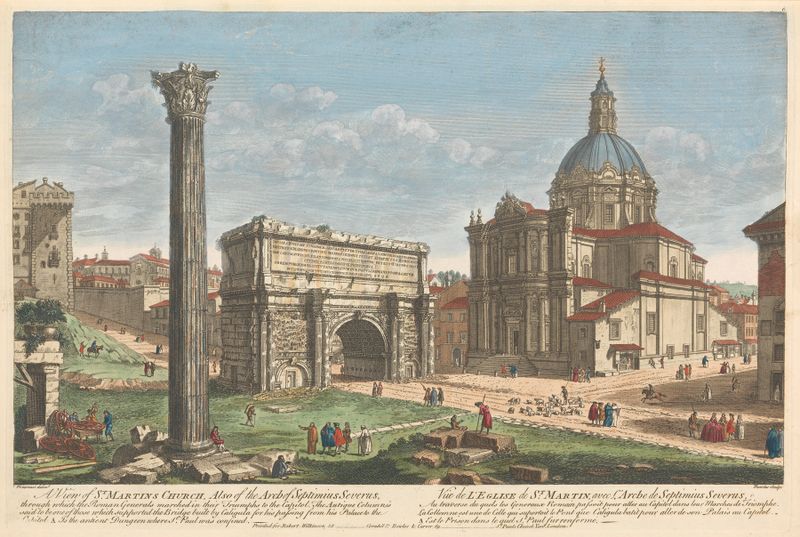
A View of St. Martin’s Church, Also of the Arch of Septimius Severus, through which the Roman Generals marched in their Triumphs to the Capitol.
Thomas Bowles III





