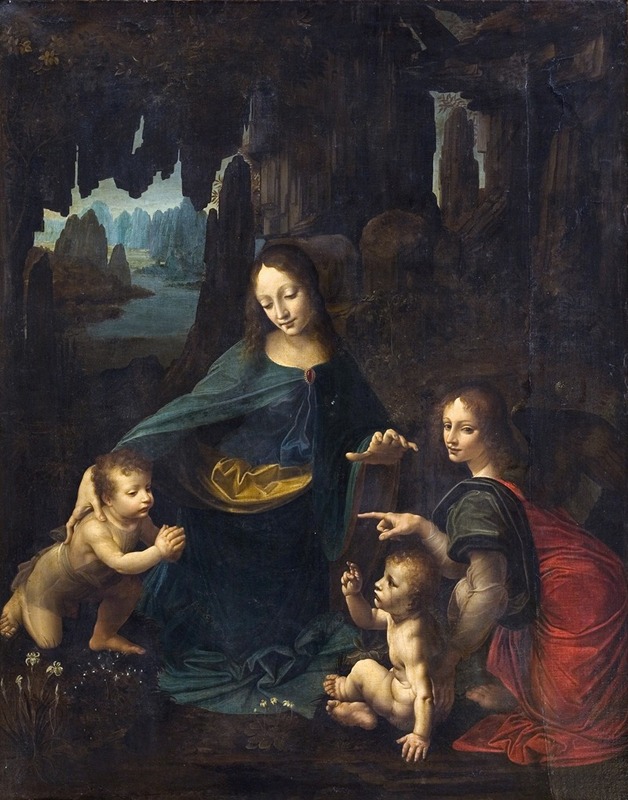
Discover insights about this artwork
The Circumcision — History & Facts
In The Circumcision, Rembrandt van Rijn presents a scene filled with rich colors and intricate details. The painting depicts a group of figures surrounding a newborn, emphasizing the significance of the ritual. The warm tones of the skin contrast with the darker shadows, creating a dramatic effect.
The expressions of the figures convey a mix of reverence and solemnity. The artwork is executed in oil on panel, a common medium for Rembrandt during the Dutch Golden Age. Viewers can observe the artist's characteristic use of light and shadow, known as chiaroscuro, which adds depth to the composition. The careful rendering of textures, especially in the fabrics and skin, showcases Rembrandt's technical skill.
The approximate dimensions of the painting are 80 x 100 cm. Rembrandt van Rijn created The Circumcision around c. 1635, during a period of great innovation in Dutch art. This work reflects the artist's deep interest in religious themes and human emotion.
An interesting fact about this painting is that it was likely commissioned for a private collection, which was common for many of Rembrandt's works. The painting remains a significant example of his ability to capture the complexity of human experience.
More Artworks by Rembrandt van Rijn
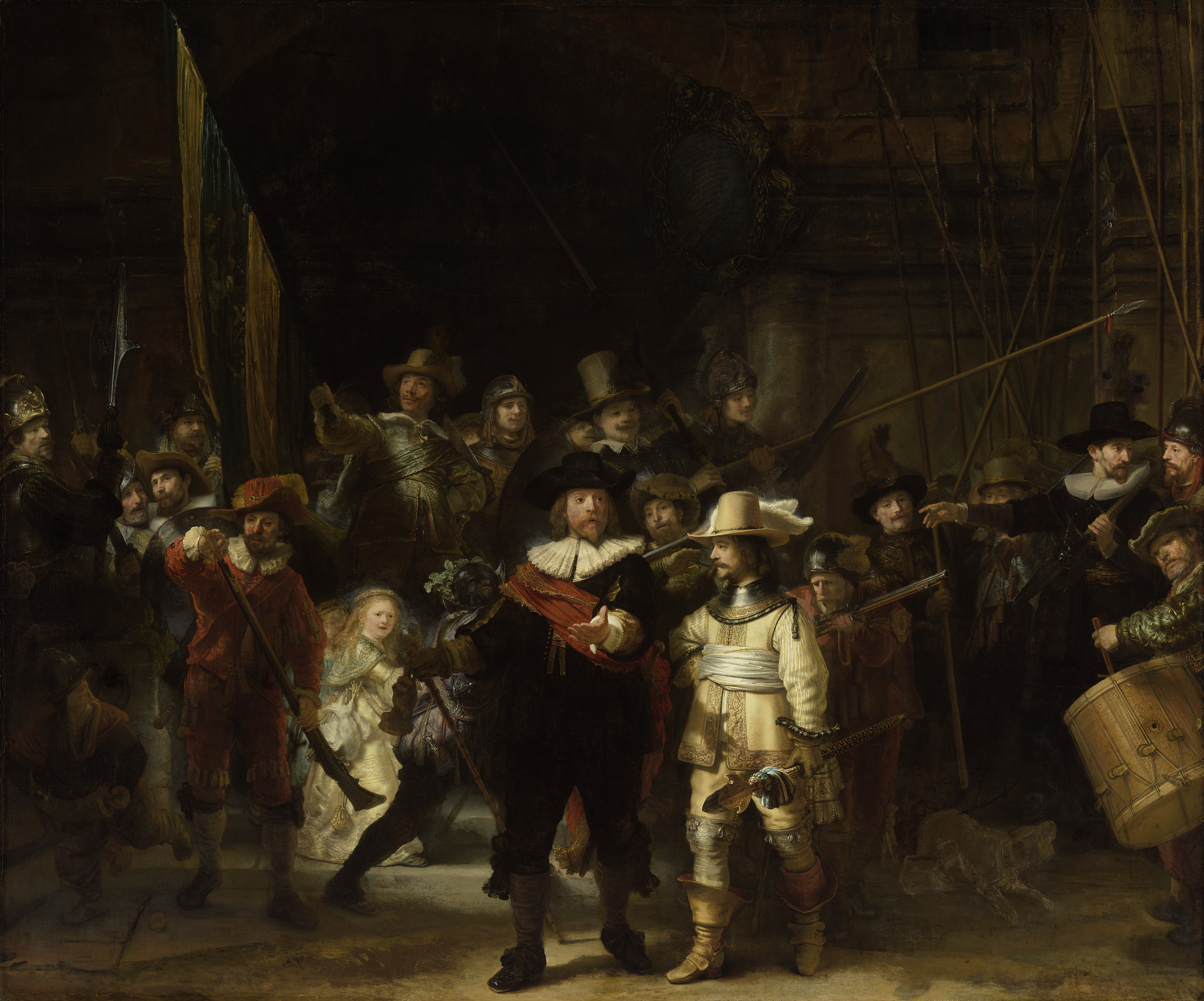
The Night Watch Militia Company of District II under the Command of Captain Frans Banninck Cocq
Rembrandt van Rijn
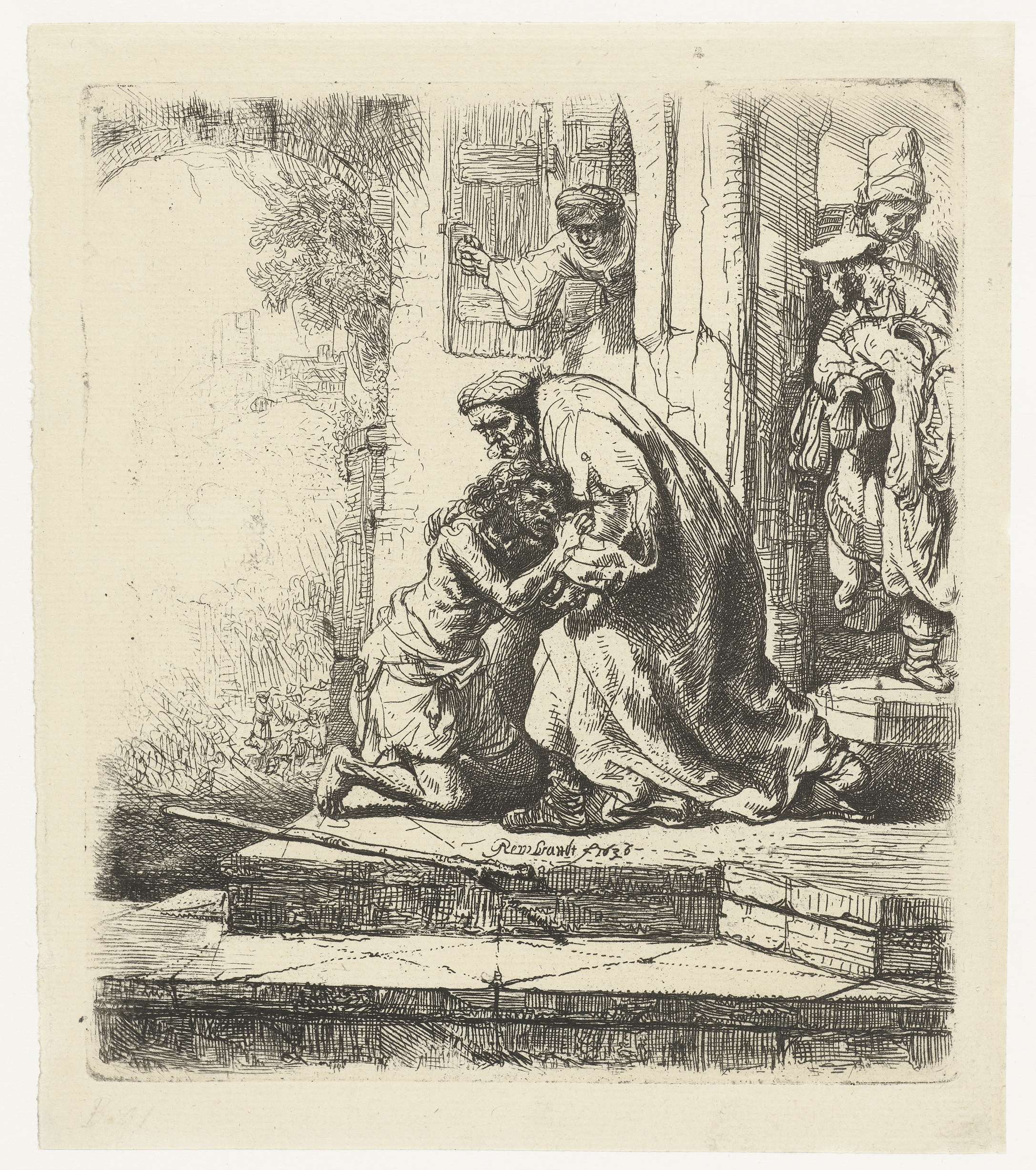
The Return of the Prodigal Son
Rembrandt van Rijn
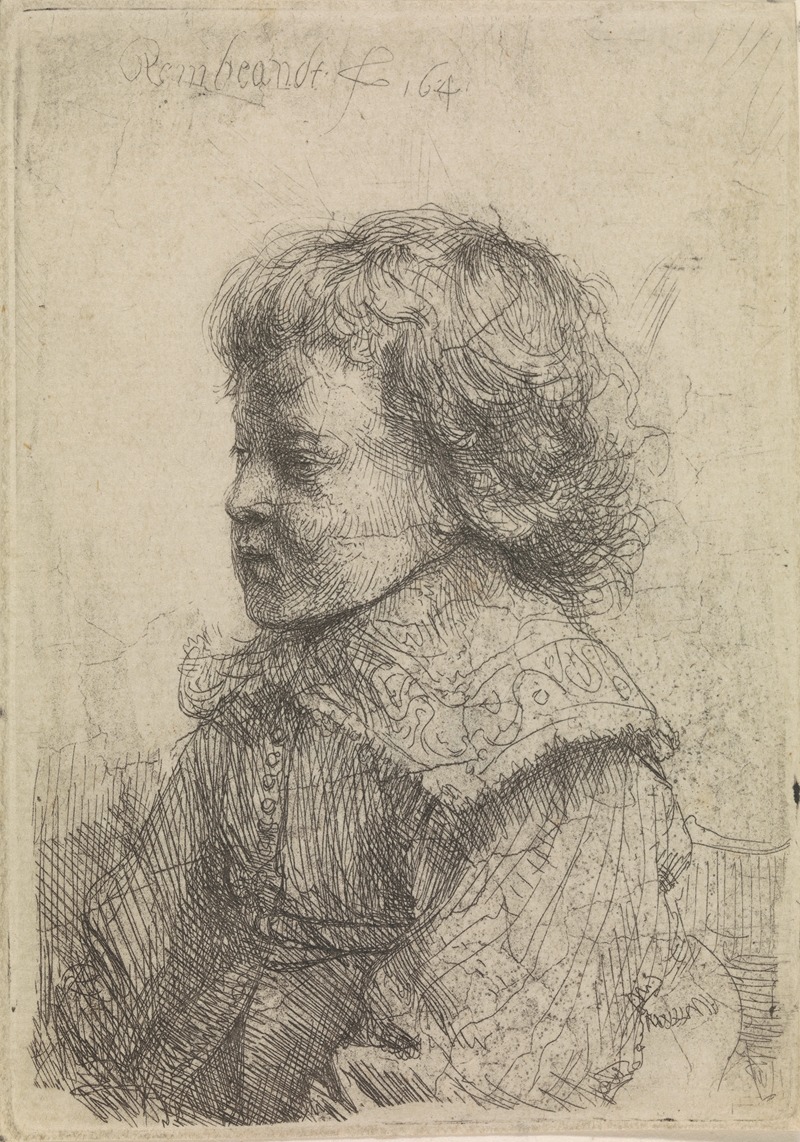
Portrait of a boy in profile
Rembrandt van Rijn
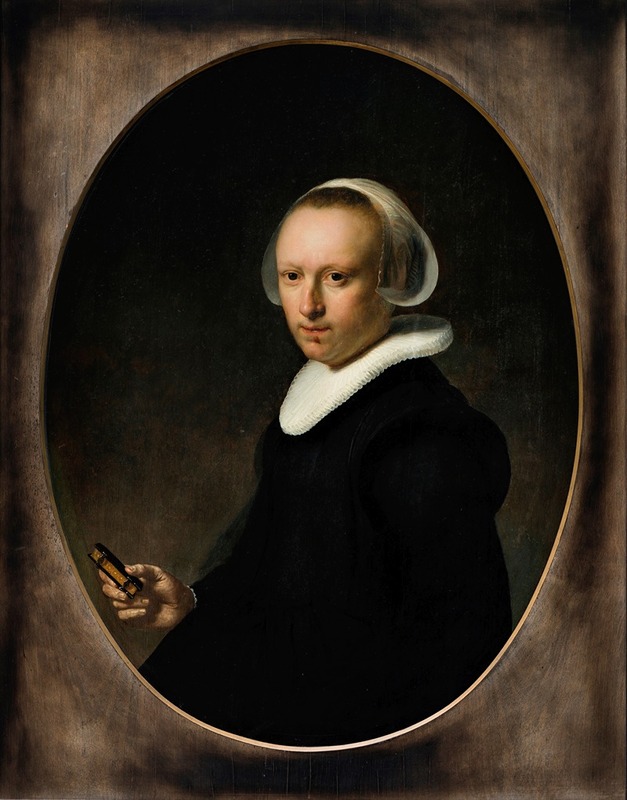
Portrait of a 39-year-old Woman
Rembrandt van Rijn
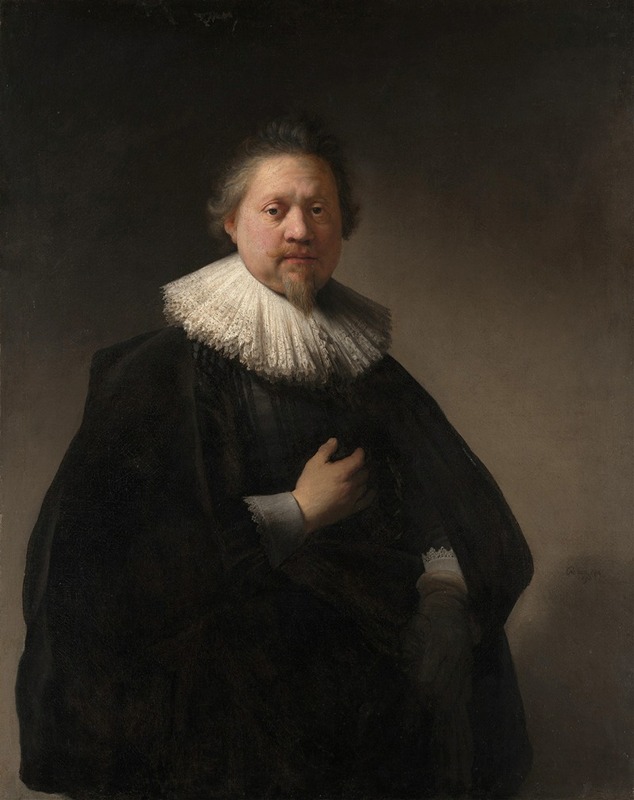
Portrait of a Man
Rembrandt van Rijn
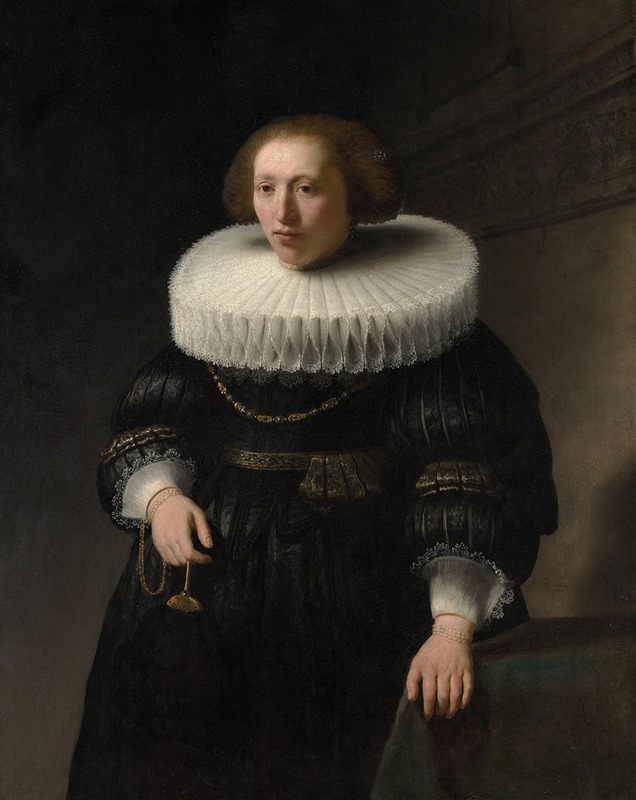
Portrait of a Woman
Rembrandt van Rijn
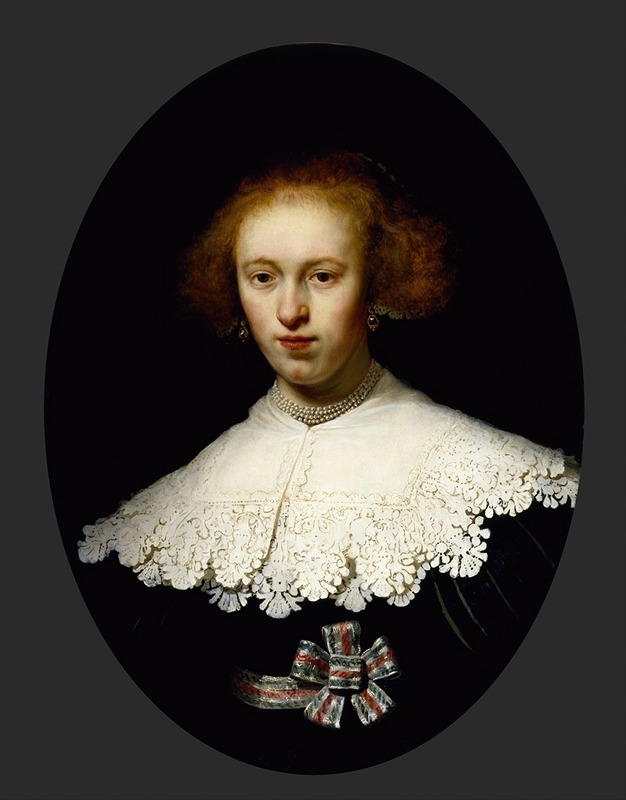
Portrait of a Young Woman
Rembrandt van Rijn
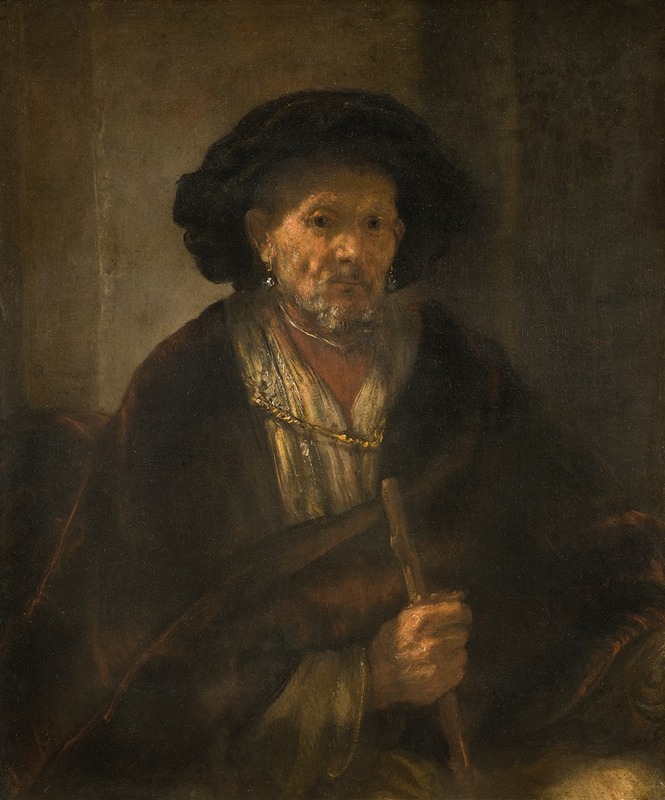
Portrait of an Old Man
Rembrandt van Rijn
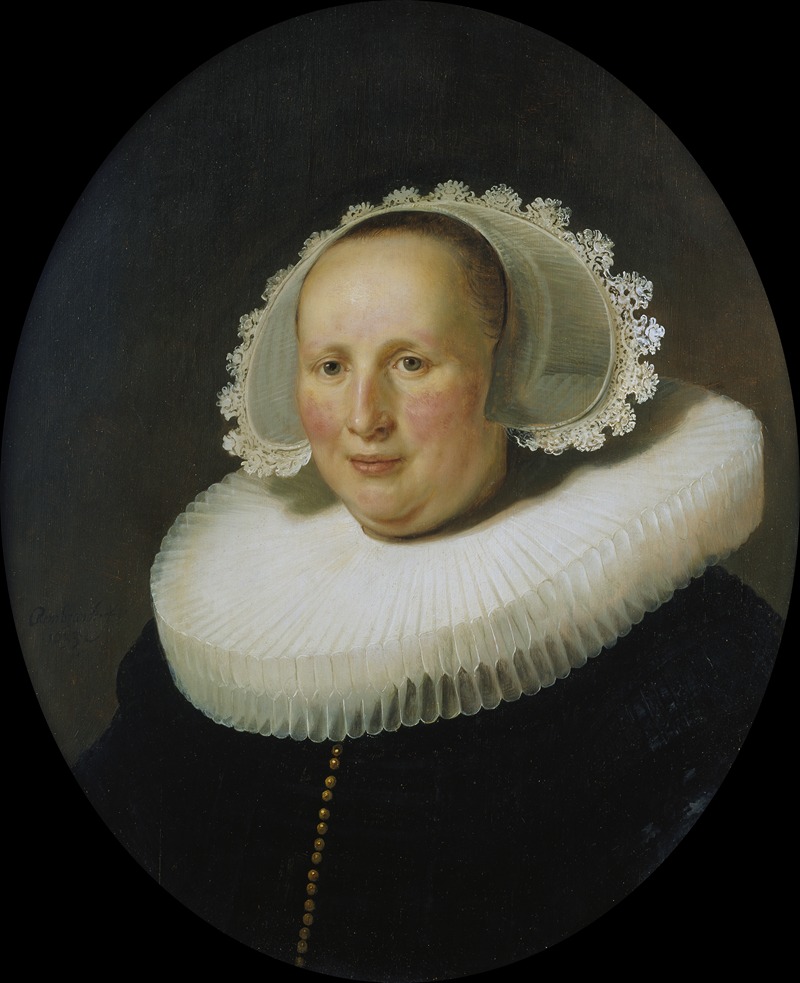
Portrait of Maertgen van Bilderbeecq
Rembrandt van Rijn
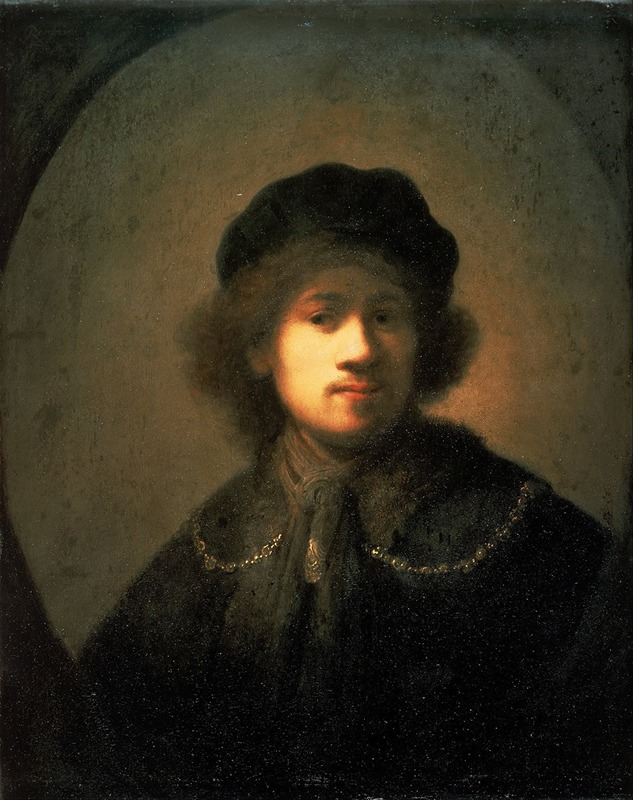
Portrait of the Artist as a Young Man
Rembrandt van Rijn