
The Cluny Museum Garden in Paris — History & Facts
The sun filters through the leaves, casting playful shadows upon the soft earth of the garden. A gentle breeze stirs, causing flowers to sway and dance in quiet rhythm, while laughter drifts lazily from a nearby group of visitors. In this intimate moment, time feels suspended, as if the world outside has faded away, leaving just the serenity of nature and the whispers of human presence. Look to the left at the vibrant patches of color springing forth from the flowerbeds, where bold reds and yellows mingle harmoniously with the lush greens.
Notice how the artist employs soft brush strokes to evoke the texture of petals and the dappled light that caresses the foliage. The composition draws the eye toward the central path, inviting viewers to wander deeper into the scene while the delicate balance of light and shadow creates a sense of depth and tranquility. In this garden, movement resonates not only through the dancing flora but also in the fleeting expressions of the visitors captured in the moment. The juxtaposition of the stillness of nature against the ephemeral quality of human interaction evokes an emotional tension between permanence and transience.
Each character is a fleeting brushstroke in the larger narrative, highlighting the beauty of life's passing moments. Created in 1878, this work emerged during Edelfelt's time in Paris, where he found inspiration in the beauty of the city’s gardens amidst the burgeoning Impressionist movement. The artist was exploring new techniques to capture the effects of light and atmosphere, marking a pivotal moment in his career as he sought to blend realism with a more expressive style.
More Artworks by Albert Edelfelt
Browse all →
House in Porvoo
Albert Edelfelt
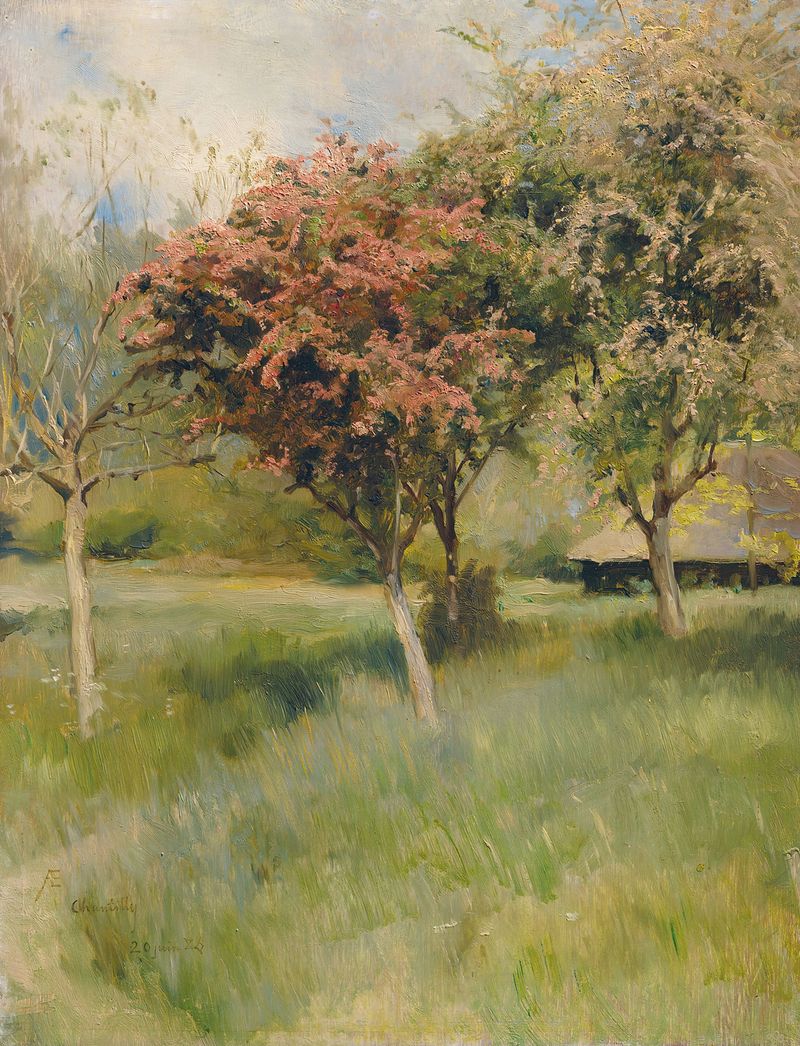
Blommande hagtorn (Vy från Chantilly)
Albert Edelfelt

Seashore in the Evening ; Landscape, Evening
Albert Edelfelt
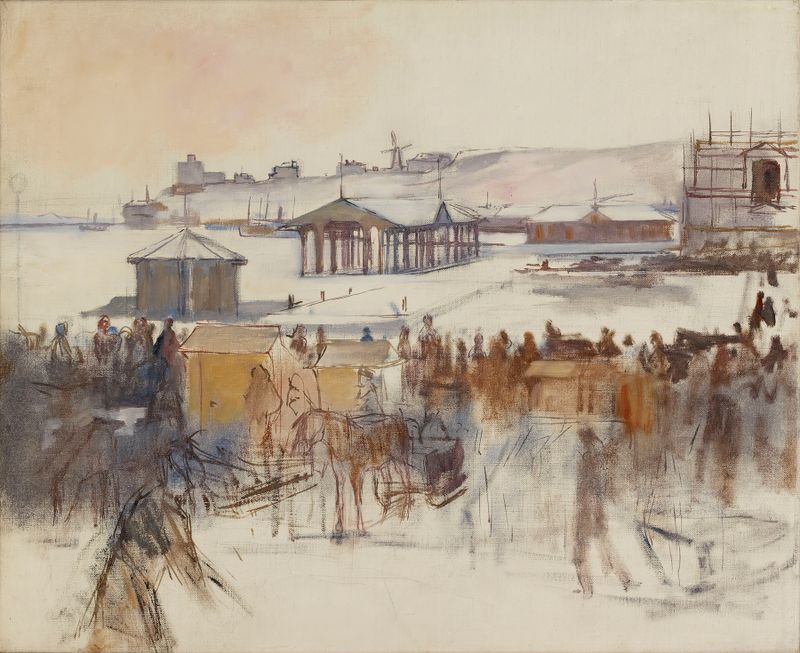
From the South Harbor
Albert Edelfelt

The Artist’s Summer Villa in Haikko from the Sea
Albert Edelfelt
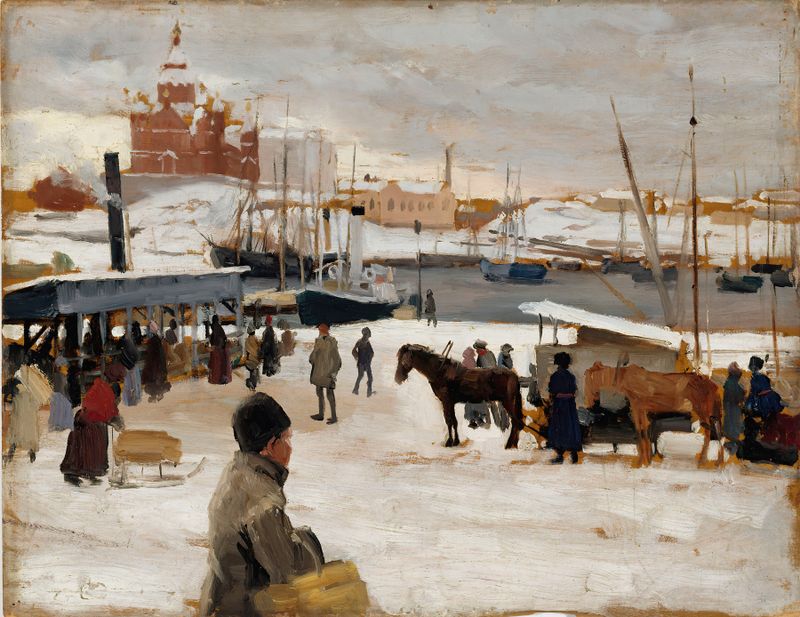
Winter Day in Helsinki Market Square
Albert Edelfelt

Water Lilies, Study for the Youth and a Mermaid
Albert Edelfelt
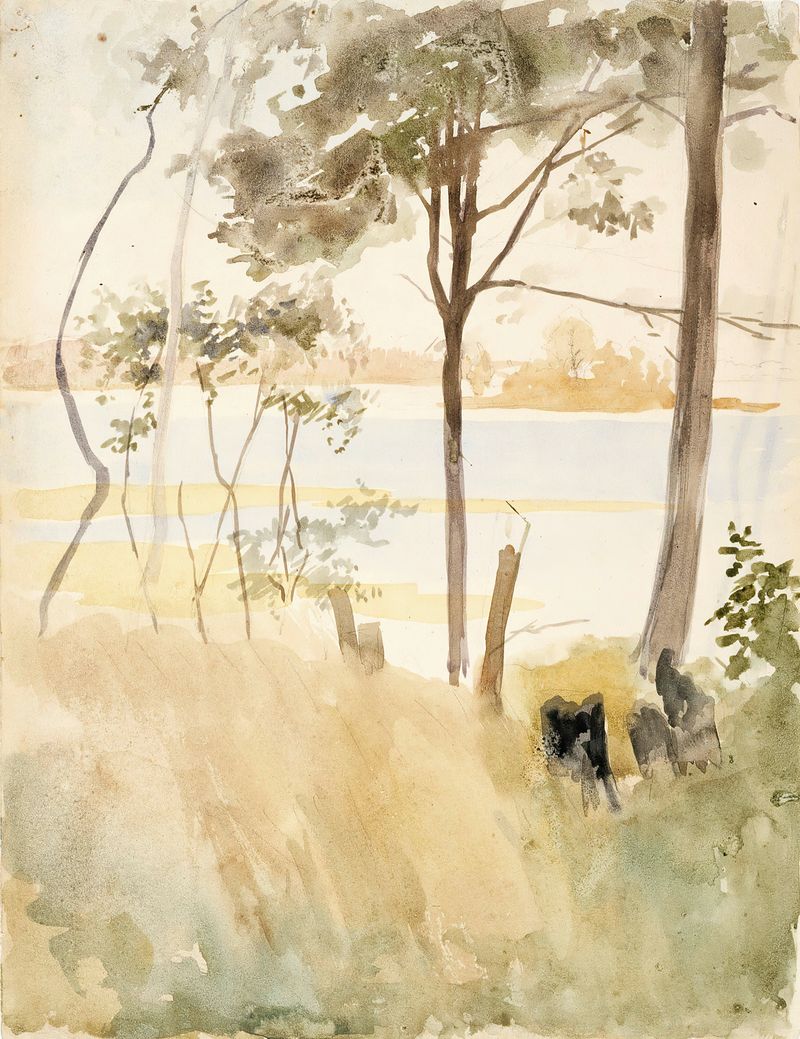
Seashore at Haikko in Autumn
Albert Edelfelt
The Nyländska Jaktklubben Harbour in Helsinki
Albert Edelfelt
Paris in Snow
Albert Edelfelt





