
The Colosseum, Rome. — History & Facts
In the hushed remnants of history, the empty arches of a once-thundering Colosseum evoke a profound stillness, each stone whispering tales of grandeur and decay. Look closely at the foreground, where a sun-drenched courtyard meets the shadows of crumbling walls. The intricate play of light illuminates the weathered stones, capturing the fleeting beauty of abandonment. The palette, dominated by earthy ochres and muted grays, invites contemplation, while the delicate brushstrokes hint at both the majesty and desolation of this iconic structure.
The viewer can almost sense the echoes of the past, mingling with the silence that now reigns. Beneath the surface lies a tension between memory and emptiness. The vacant seats once filled with vibrant spectators contrast starkly against the encroaching nature, a reminder of time’s relentless passage. The painting embodies a dialogue between human achievement and its inevitable decline.
This interplay evokes a sense of melancholy, prompting questions about legacy, decay, and the transient nature of life itself. Ducros painted this scene during a time when neoclassicism was at its height, likely in the late 18th century while exploring the ruins of Italy. It was a period marked by a resurgence of interest in classical antiquity, as artists sought to capture the grandeur of ancient civilizations. The artist’s experiences in this historical landscape, alongside the burgeoning Romantic movement, influenced his approach, reflecting both admiration for the past and an awareness of its ephemeral beauty.
More Artworks by Abraham-Louis-Rodolphe Ducros
Browse all →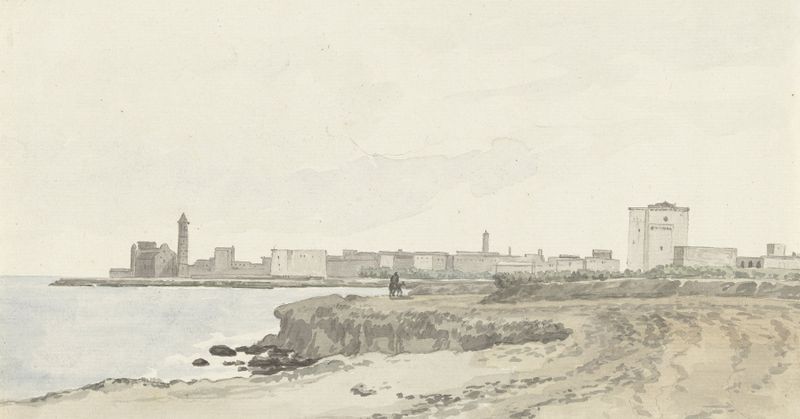
Gezicht op Trani gelegen aan de kust
Abraham-Louis-Rodolphe Ducros
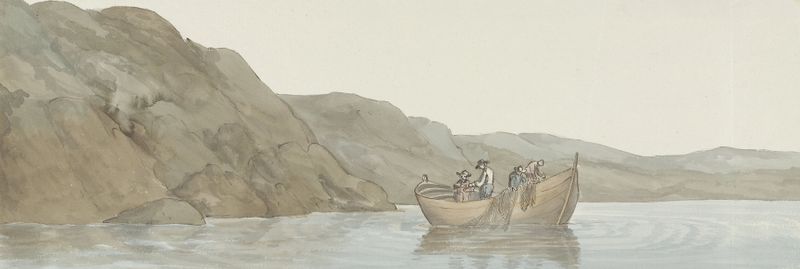
Gezicht op Kaap Paceco in Calabrië nabij de stad Scilla
Abraham-Louis-Rodolphe Ducros
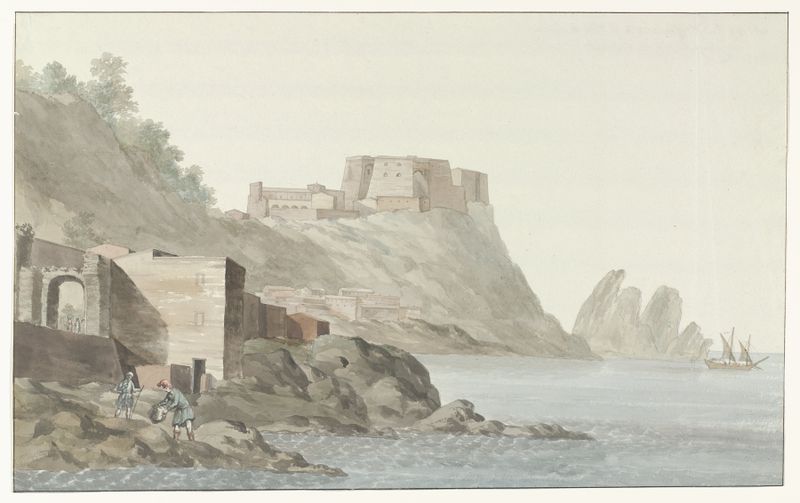
Rots en stad Scilla in de regio Calabrië aan de oostkust
Abraham-Louis-Rodolphe Ducros
Gezicht op Golf van Napels vanaf kade bij kerk Santa Maria del Carmine
Abraham-Louis-Rodolphe Ducros
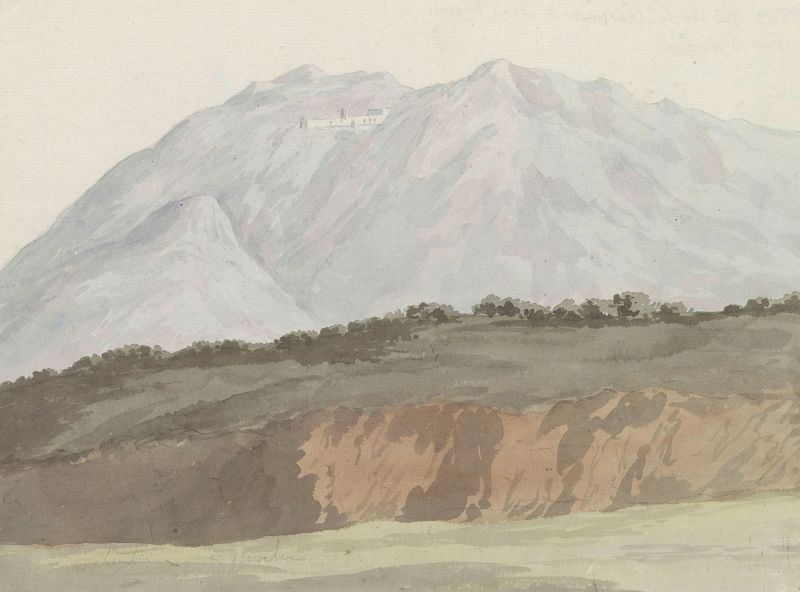
Gezicht op kartuizerklooster van Monte Vergine hoog gelegen boven Avellino
Abraham-Louis-Rodolphe Ducros
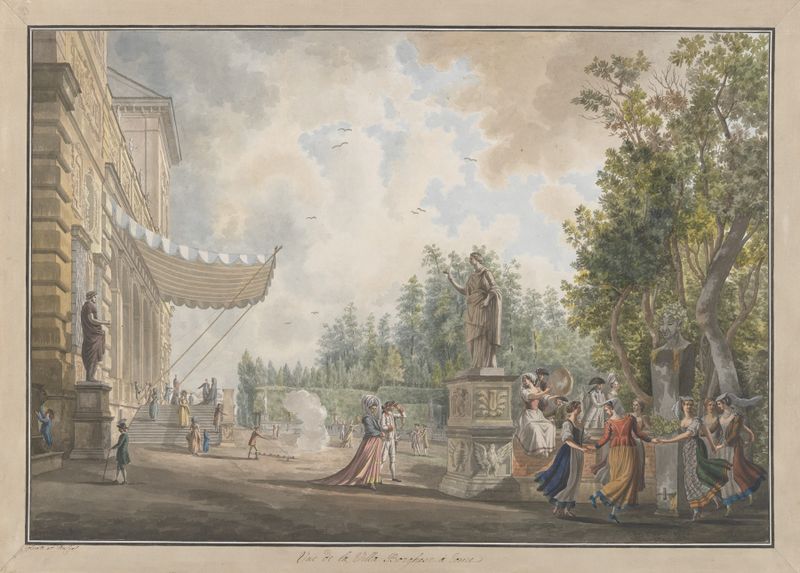
Villa Borghese
Abraham-Louis-Rodolphe Ducros
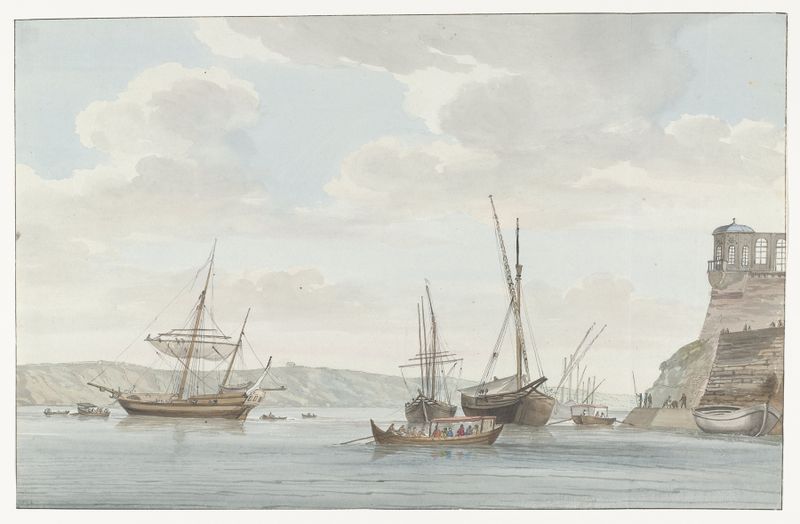
Tuinhuis van de Jardin du Grand Maître uittorend boven de haven met galei schepen op Malta
Abraham-Louis-Rodolphe Ducros
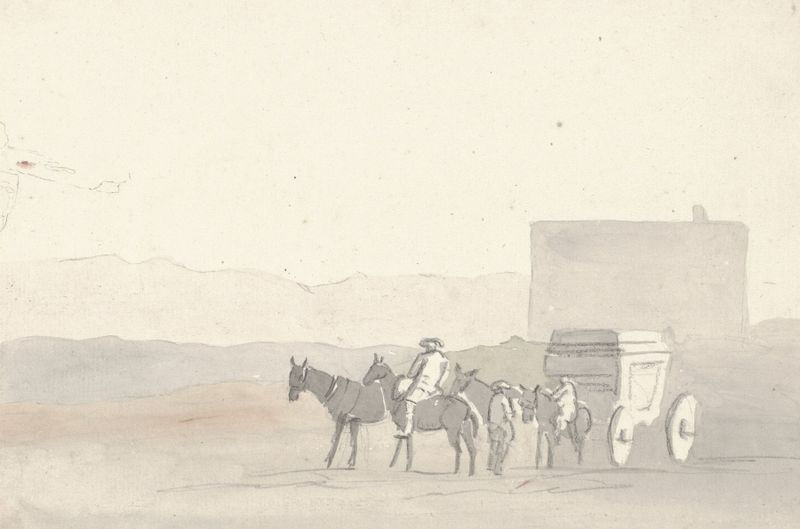
Halteplaats onderweg voor aankomst in Terracina
Abraham-Louis-Rodolphe Ducros
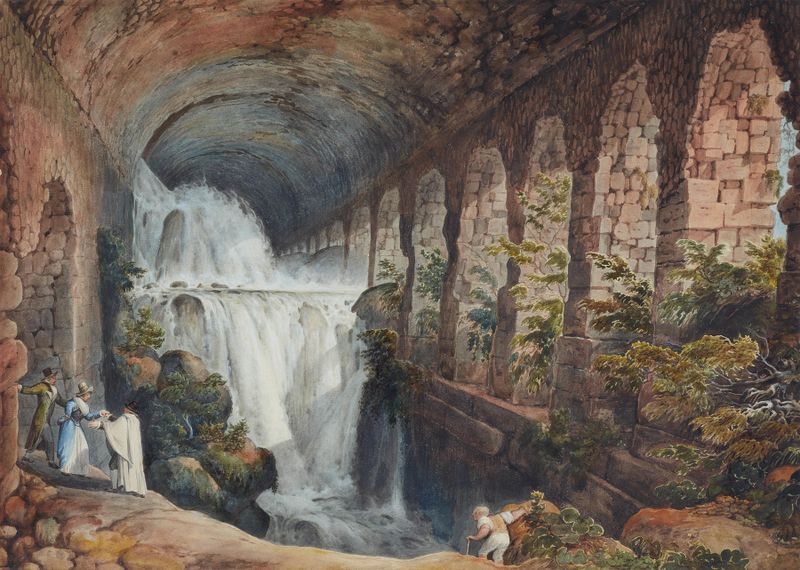
Aquädukt unter der Villa des Maecenas in Tivoli
Abraham-Louis-Rodolphe Ducros
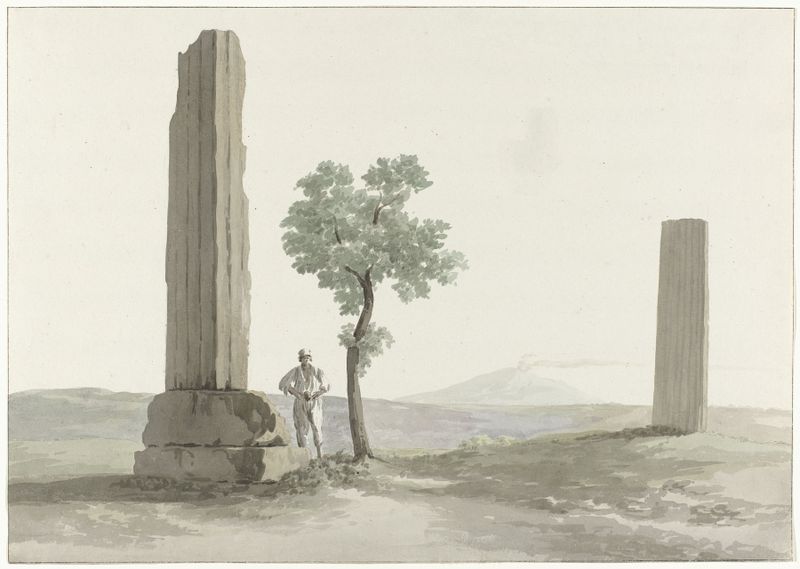
Twee fragmenten van zuilen van de tempel van Zeus Olympus op afstand van halve mijl van rivier Anapus
Abraham-Louis-Rodolphe Ducros
More Architecture Art
Browse all →
The statue of Liberty
Frédéric Auguste Bartholdi

View of Houses in Delft, Known as ‘The Little Street’
Johannes Vermeer

View of Houses in Delft, Known as ‘The Little Street’
Johannes Vermeer

The Cathedral in Rouen. The portal, Grey Weather
Claude Monet

The yellow house
Vincent van Gogh

The Church in Auvers-sur-Oise, View from the Chevet
Vincent van Gogh