
Tuinhuis van de Jardin du Grand Maître uittorend boven de haven met galei schepen op Malta — History & Facts
Can paint confess what words never could? In the stillness of a moment, a canvas whispers tales of solitude and elegance, as silence becomes the language of the soul. Focus first on the vibrant blues of the Mediterranean, swirling like dreams beneath a cobalt sky. To the left, the tuinhuis rises majestically, its architecture echoing the whispers of history, while the distant galleys bob gently in the harbor, their presence both serene and commanding. Notice how the light glimmers, illuminating the tuinhuis's façade, casting intricate shadows that dance across the canvas, revealing the artist's deliberate brushwork and keen sense of space. Delve deeper, and you might discern the contrast between the tranquil setting and the bustling life of the harbor.
The tuinhuis stands as a sanctuary, a refuge amidst the maritime chaos, symbolizing tranquility in a world often defined by movement. The interplay of light and shadow not only enhances the aesthetic allure but also reflects a deeper narrative of balance—serenity against the backdrop of human endeavor. In the year 1778, Ducros painted this work while living in Rome, amidst the blossoming of neoclassicism and the Rococo style's decline. As European artists grappled with emerging themes of nature and emotion, he honed his skills in capturing landscapes that blended personal reflection with the grandeur of the world around him.
This piece stands as a testament to his mastery and observation—a quiet celebration of beauty carved from the silence of a sunlit day.
More Artworks by Abraham-Louis-Rodolphe Ducros
Browse all →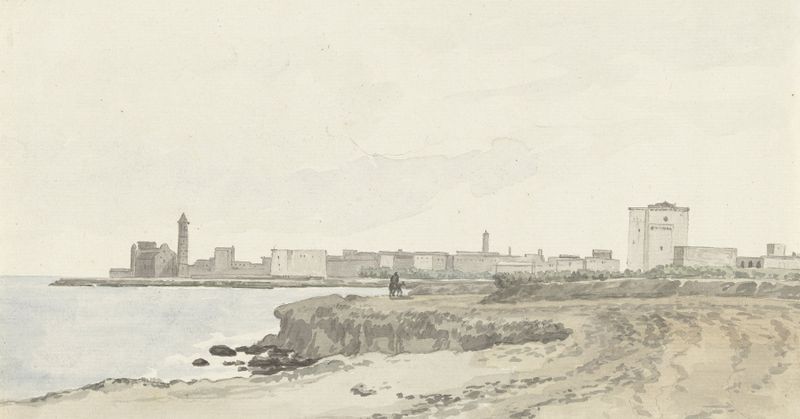
Gezicht op Trani gelegen aan de kust
Abraham-Louis-Rodolphe Ducros
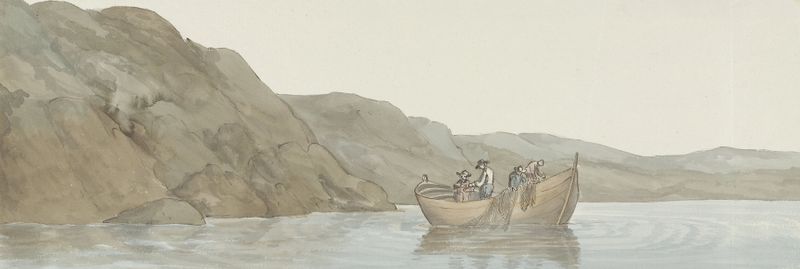
Gezicht op Kaap Paceco in Calabrië nabij de stad Scilla
Abraham-Louis-Rodolphe Ducros
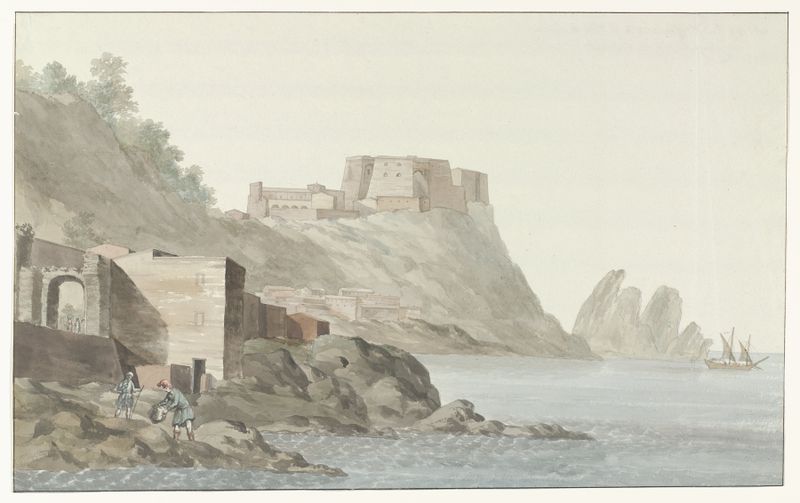
Rots en stad Scilla in de regio Calabrië aan de oostkust
Abraham-Louis-Rodolphe Ducros
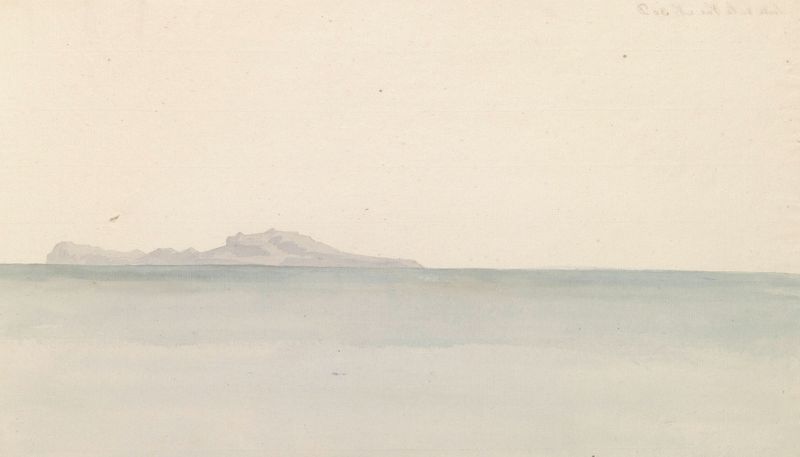
Gezicht op Golf van Napels vanaf kade bij kerk Santa Maria del Carmine
Abraham-Louis-Rodolphe Ducros
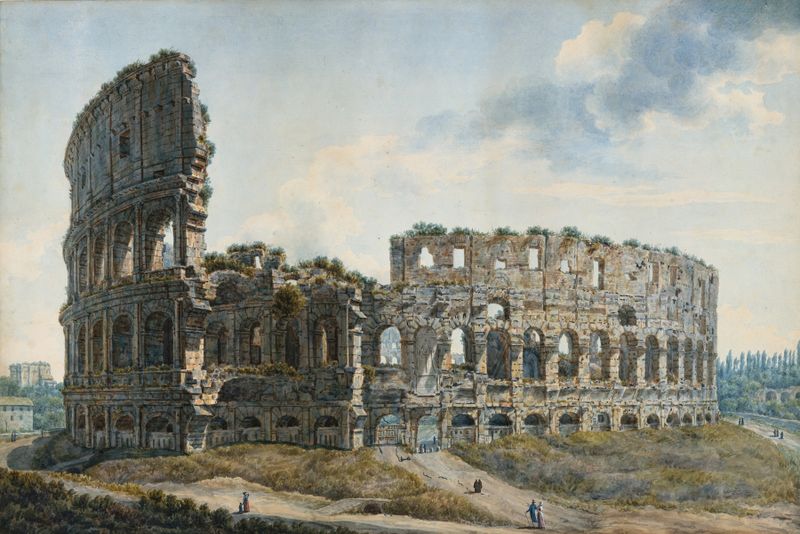
The Colosseum, Rome.
Abraham-Louis-Rodolphe Ducros
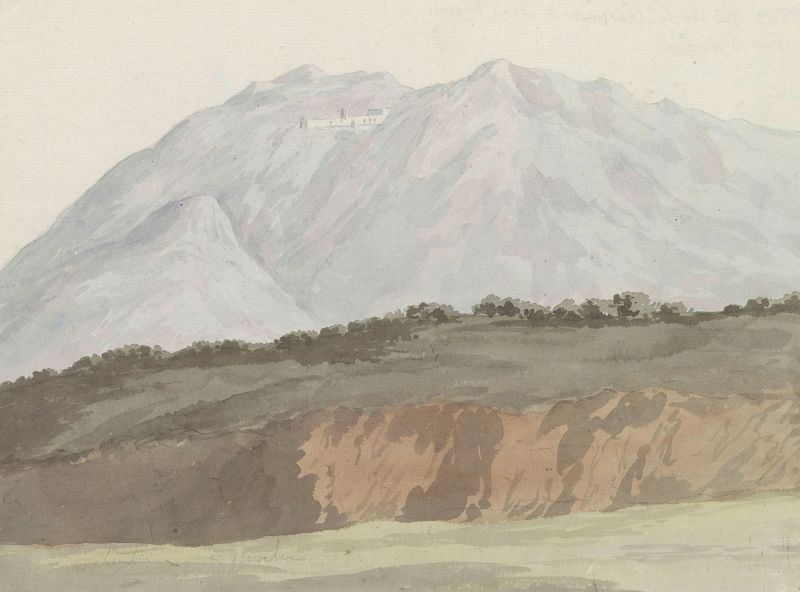
Gezicht op kartuizerklooster van Monte Vergine hoog gelegen boven Avellino
Abraham-Louis-Rodolphe Ducros
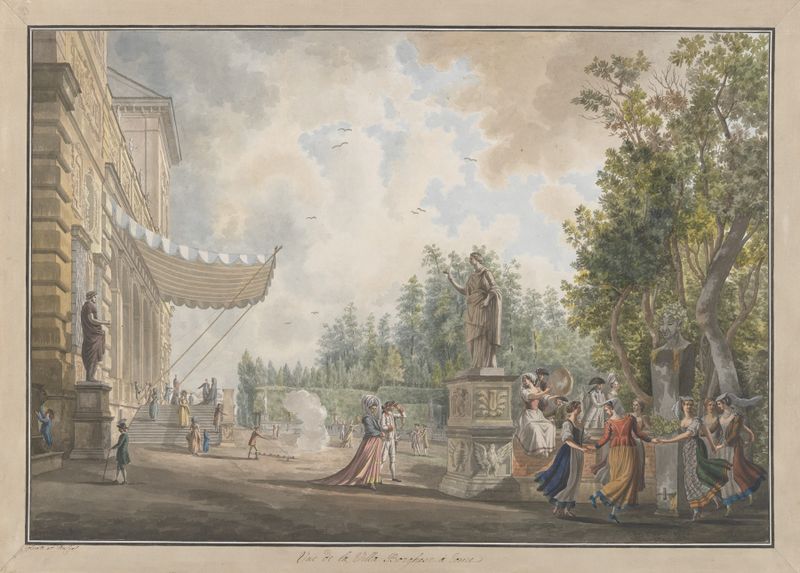
Villa Borghese
Abraham-Louis-Rodolphe Ducros
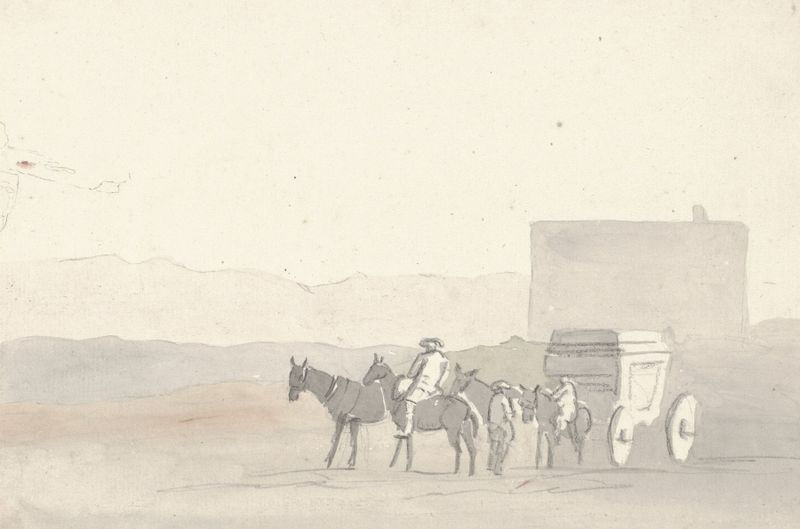
Halteplaats onderweg voor aankomst in Terracina
Abraham-Louis-Rodolphe Ducros
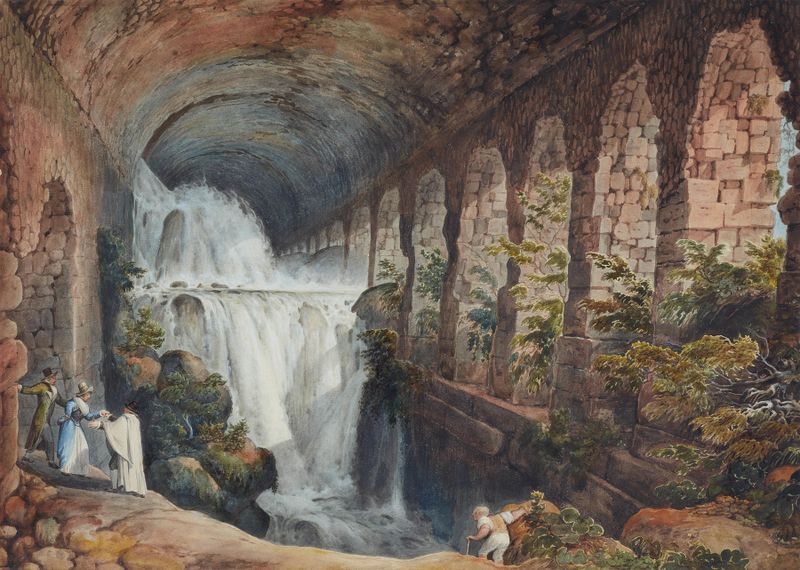
Aquädukt unter der Villa des Maecenas in Tivoli
Abraham-Louis-Rodolphe Ducros
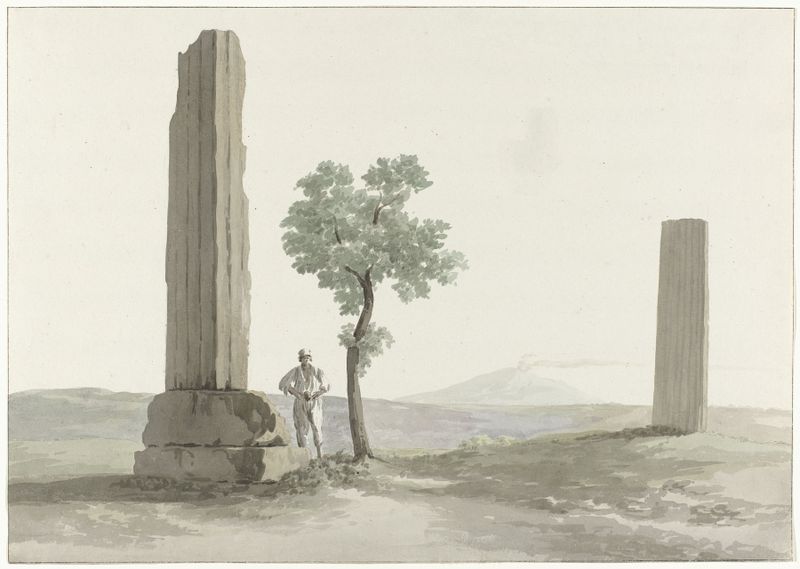
Twee fragmenten van zuilen van de tempel van Zeus Olympus op afstand van halve mijl van rivier Anapus
Abraham-Louis-Rodolphe Ducros





