
Villa Borghese — History & Facts
Can paint confess what words never could? In the delicate brushstrokes of this 1780 masterpiece, a world of awe unfolds before our eyes. The majestic Villa Borghese rises against a backdrop of lush greenery and an expansive sky, inviting us to step into the serenity of nature intertwined with human creation. Look to the left at the sweeping expanse that captures the grandeur of the villa, its architecture harmonizing with the landscape. Notice how the soft hues of green and blue alternate, guiding the viewer’s gaze through the foliage and onto the stone structure, suggesting a dialogue between the natural and the man-made.
The play of light across the water adds a shimmering effect, creating a sense of tranquility while hinting at the complex relationships between these elements. Yet, beneath the surface, there are tensions at play. The villa stands as an emblem of human ambition, yet it is dwarfed by nature’s vastness, raising questions about humanity's place within the natural world. The contrast of the warm sunlight against the cool shades of trees evokes a feeling of comfort and disquiet simultaneously, reminding us that beauty often carries an undercurrent of fleetingness.
Each detail invites reflection on the intersection of art and nature, revealing a deeper appreciation for both. In the late 18th century, while creating this work, Ducros was deeply immersed in the neoclassical movement in Italy, a time when artists sought to capture the essence of beauty in both architecture and landscape. Living in Rome, he was inspired by the surrounding history and the picturesque beauty of the landscape, which informed his meticulous attention to detail and vibrant color palette. This painting stands as a testament to his engagement with the world around him, capturing a moment that resonates with timelessness.
More Artworks by Abraham-Louis-Rodolphe Ducros
Browse all →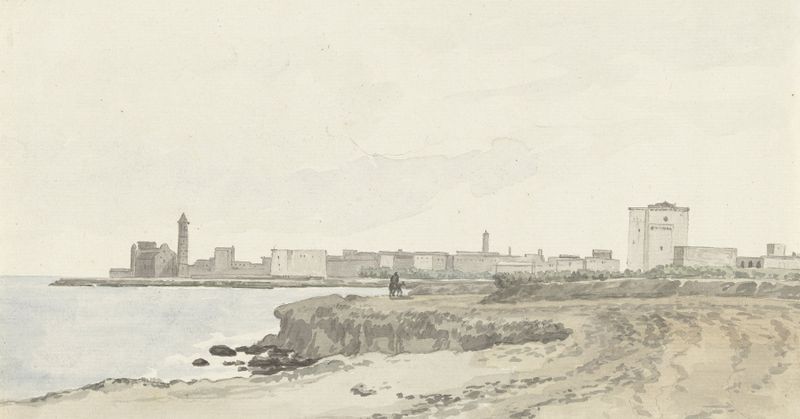
Gezicht op Trani gelegen aan de kust
Abraham-Louis-Rodolphe Ducros
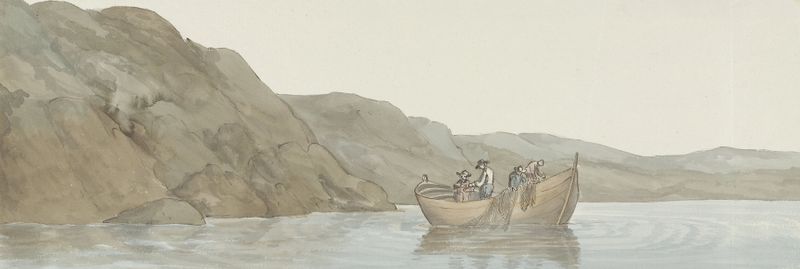
Gezicht op Kaap Paceco in Calabrië nabij de stad Scilla
Abraham-Louis-Rodolphe Ducros
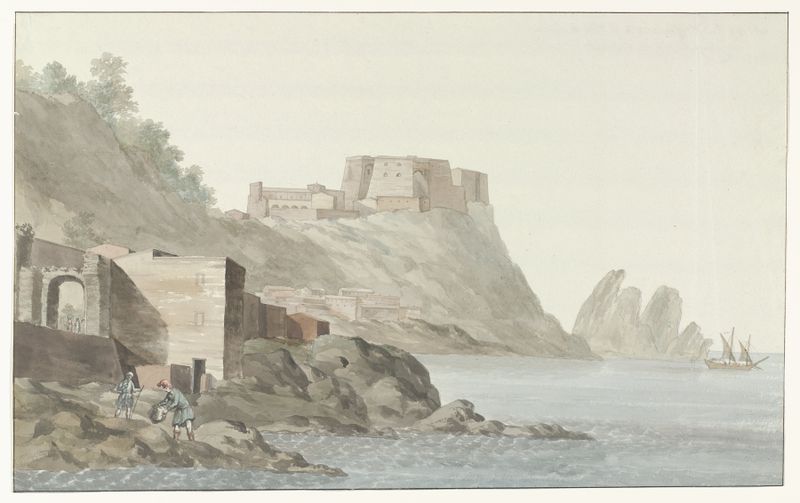
Rots en stad Scilla in de regio Calabrië aan de oostkust
Abraham-Louis-Rodolphe Ducros
Gezicht op Golf van Napels vanaf kade bij kerk Santa Maria del Carmine
Abraham-Louis-Rodolphe Ducros
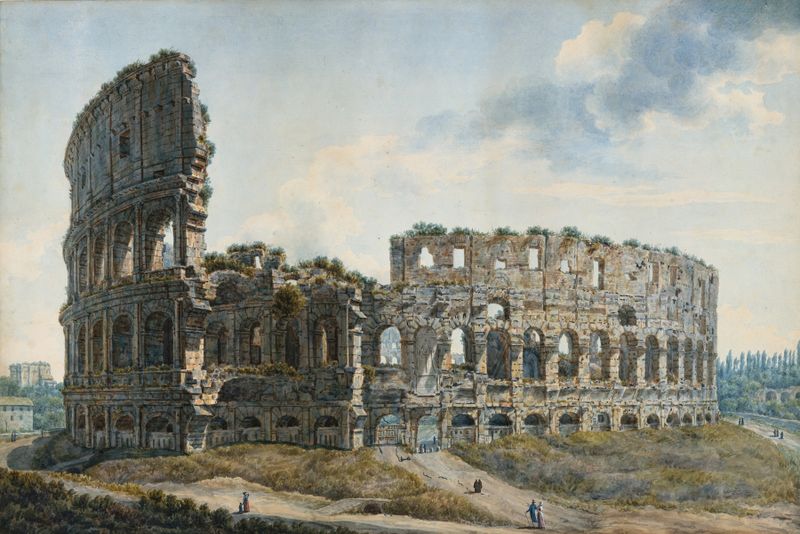
The Colosseum, Rome.
Abraham-Louis-Rodolphe Ducros
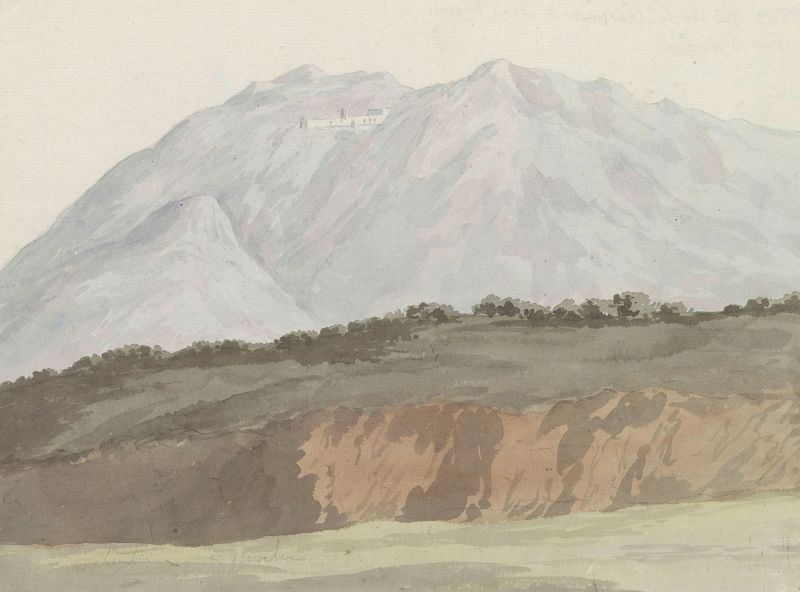
Gezicht op kartuizerklooster van Monte Vergine hoog gelegen boven Avellino
Abraham-Louis-Rodolphe Ducros
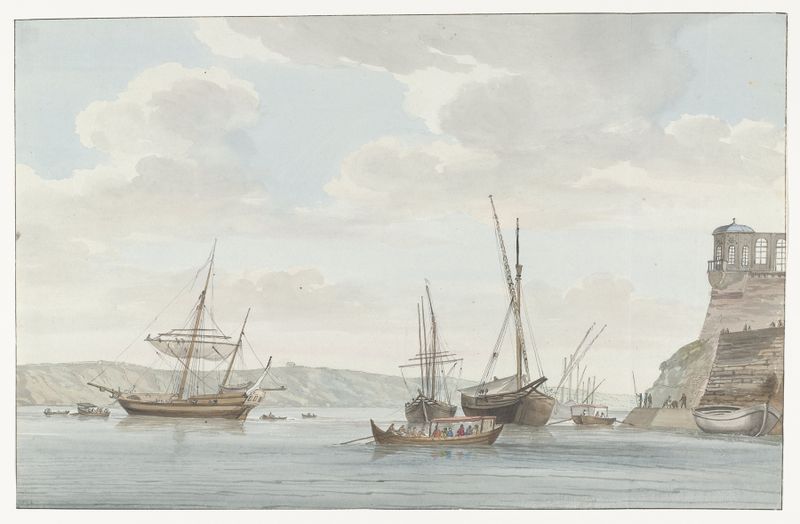
Tuinhuis van de Jardin du Grand Maître uittorend boven de haven met galei schepen op Malta
Abraham-Louis-Rodolphe Ducros
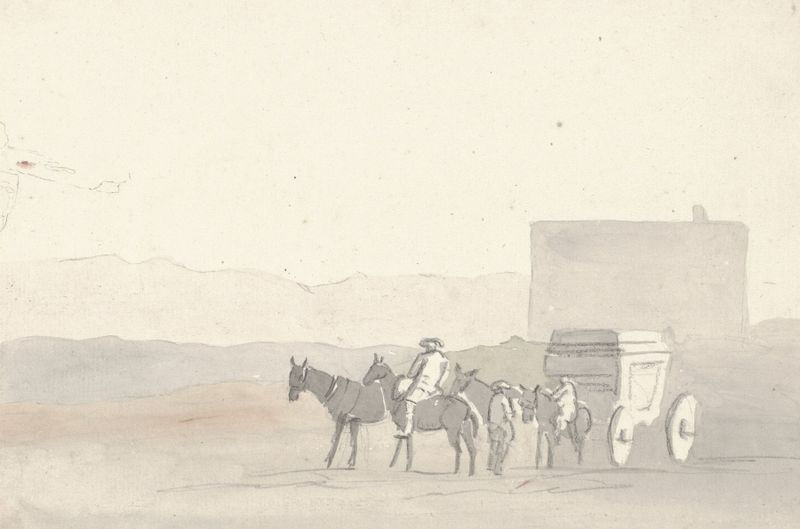
Halteplaats onderweg voor aankomst in Terracina
Abraham-Louis-Rodolphe Ducros
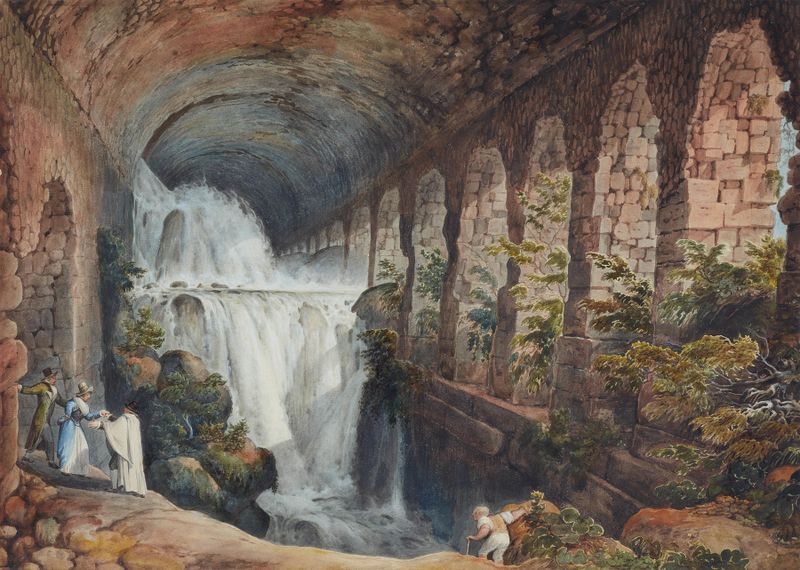
Aquädukt unter der Villa des Maecenas in Tivoli
Abraham-Louis-Rodolphe Ducros
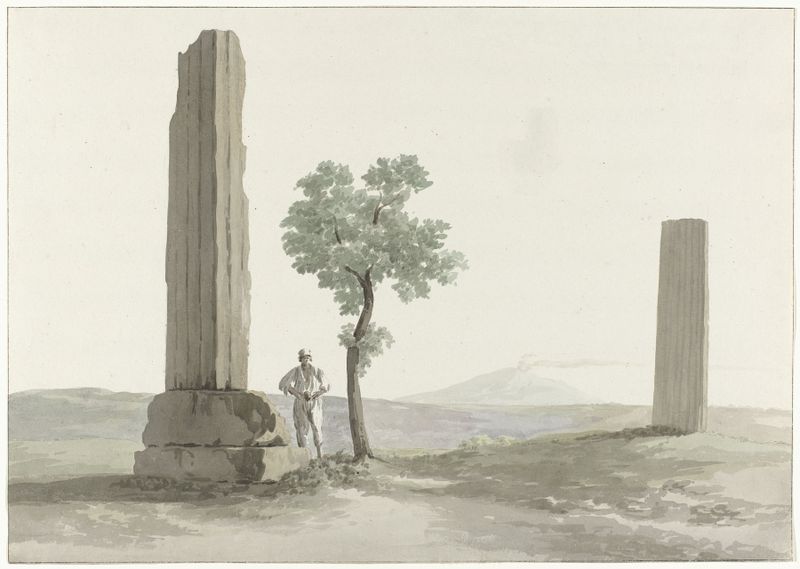
Twee fragmenten van zuilen van de tempel van Zeus Olympus op afstand van halve mijl van rivier Anapus
Abraham-Louis-Rodolphe Ducros





