
The Cross Hands — History & Facts
When did color learn to lie? In the stillness of a moment captured within The Cross Hands, a disquieting dialogue unfolds — one that tugs at the seams of sanity and perception. It beckons us to question the very nature of reality, inviting viewers into a realm where madness dances on the edge of beauty. Focus first on the spectral interplay of light and shade in the foreground, where hands reach out, their contours softened by an ethereal glow. The delicate gradations of color enhance the surreal quality, blending the figures into their environment, as if they are unsure of their own existence.
The muted palette, with its whispers of gray and blue, imparts a haunting calmness, tempered by the urgency of the gestures. Notice how the hands, though still, seem poised for action — frozen yet alive, conveying an unspoken tension that resonates powerfully. Delve deeper, and you’ll uncover the emotional undercurrent that pulsates through the scene. The juxtaposition of the serene environment against the frenetic energy of the hands suggests a struggle between the tangible and the intangible, sanity and chaos.
Each finger extends into the unknown, resonating with a shared sense of longing and madness that echoes throughout the composition. This tension draws us into a meditation on the nature of existence itself, as if we are witnessing a fleeting moment of revelation caught in a web of uncertainty. Created in 1933, during a time of significant social and economic upheaval, the artist found himself grappling with the complexities of modern life. Living in England, he was immersed in an art world that was shifting toward abstraction and expressionism, as artists sought to capture the tumult of their era.
The Cross Hands reflects this struggle, transcending traditional narrative to become a profound exploration of the human psyche amidst the chaos of the world outside.
More Artworks by Frederick Landseer Maur Griggs
Browse all →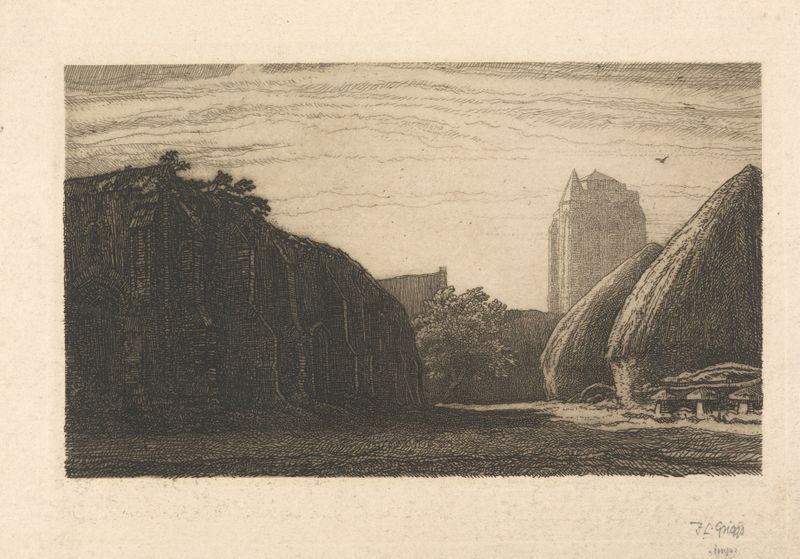
Maur’s Farm
Frederick Landseer Maur Griggs
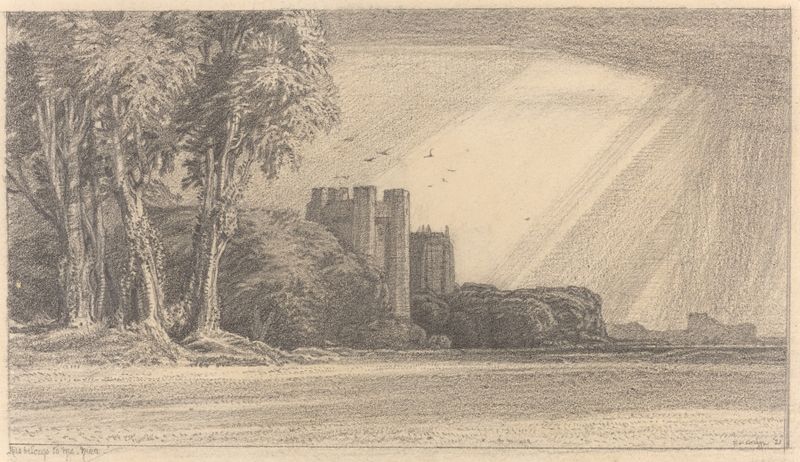
Landscape with Castle
Frederick Landseer Maur Griggs
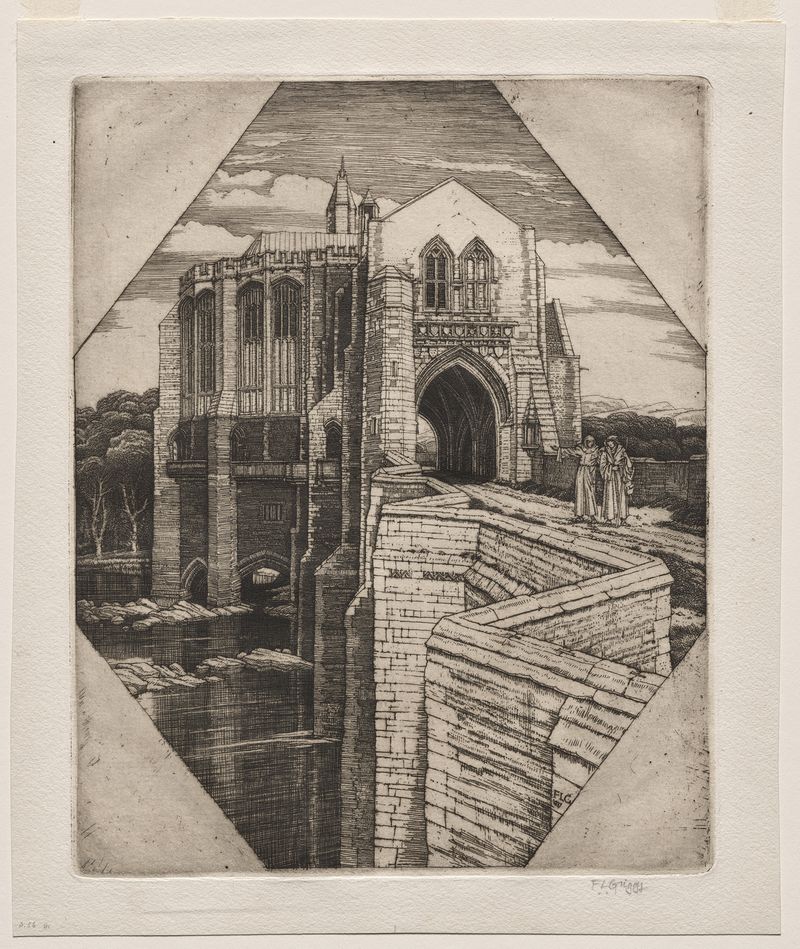
St. Botolph’s Bridge No. 2 1937
Frederick Landseer Maur Griggs
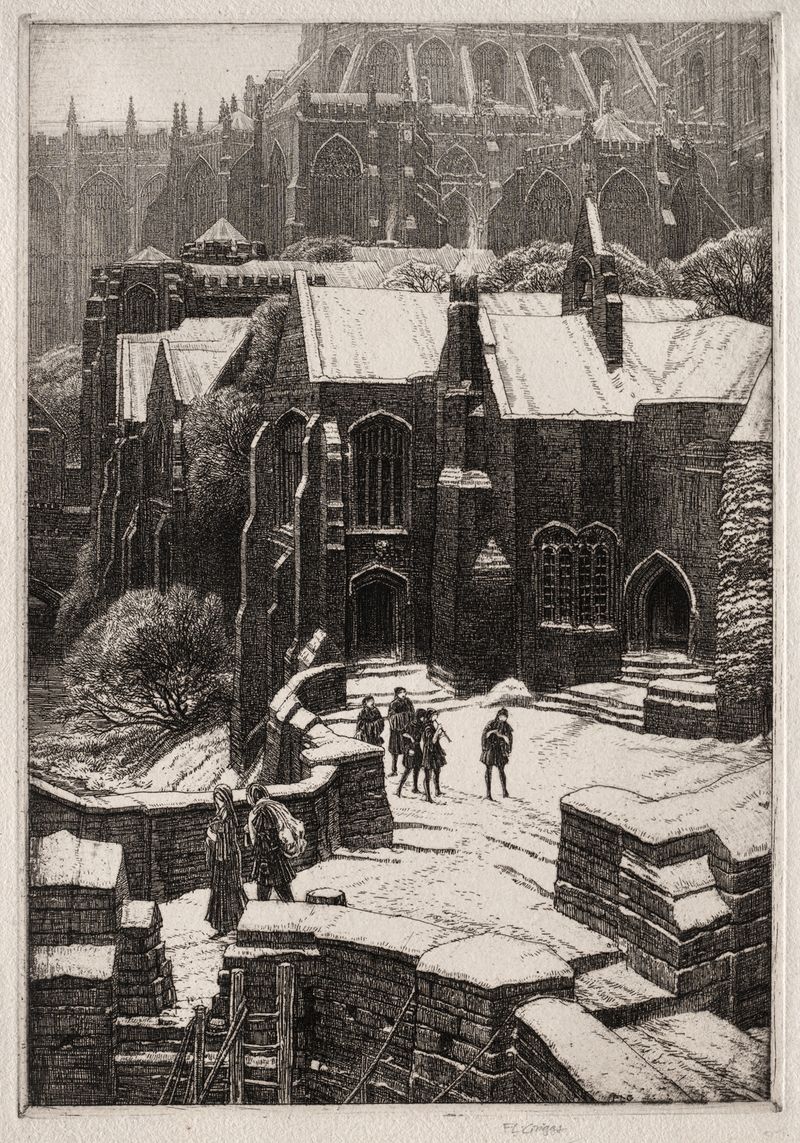
The Almonry
Frederick Landseer Maur Griggs

The Cresset
Frederick Landseer Maur Griggs
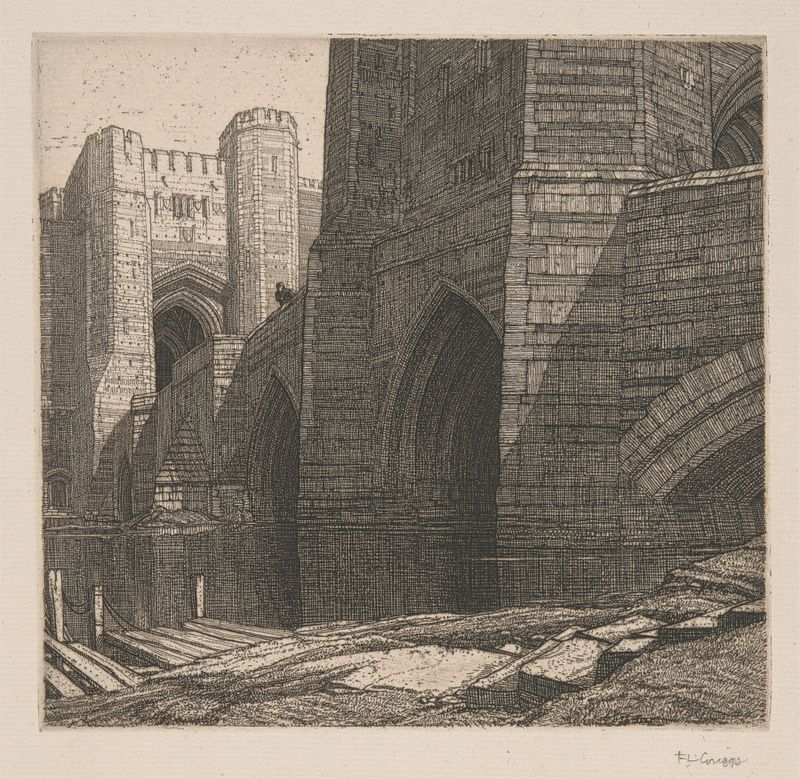
The Barbican
Frederick Landseer Maur Griggs

Maur’s Farm
Frederick Landseer Maur Griggs
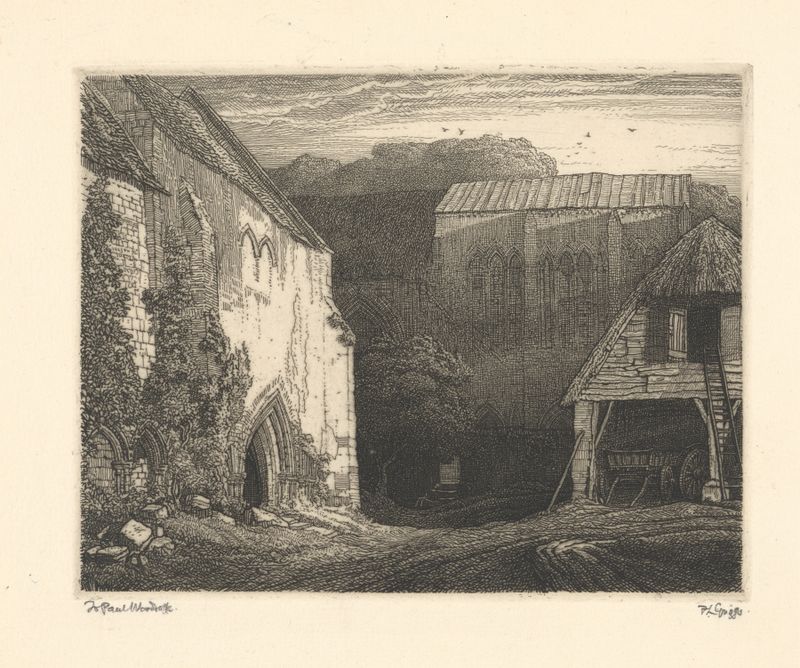
Priory Farm
Frederick Landseer Maur Griggs

St. Wendred’s March
Frederick Landseer Maur Griggs
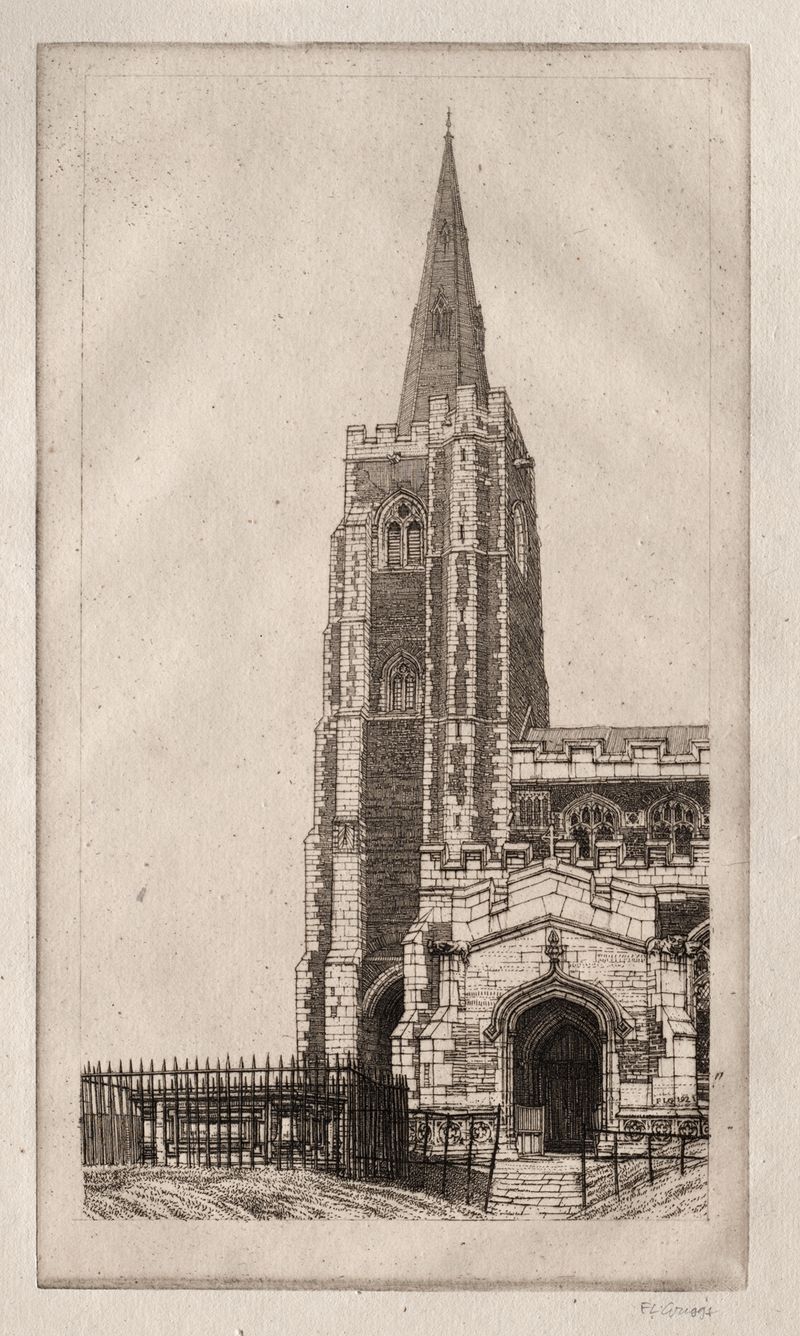
St. Wendred’s, March
Frederick Landseer Maur Griggs





