
The Crucifixion — History & Facts
In The Crucifixion, Pompeo Batoni presents a vivid scene filled with deep colors. The central figure of Christ is depicted on the cross, surrounded by mournful figures. The sky is painted in dramatic hues, enhancing the emotional weight of the moment.
The use of light and shadow adds depth to the composition, drawing the viewer's eye to the crucified Christ. The painting is executed in oil on canvas, a popular medium during the Baroque period. Batoni's technique showcases his skill in blending colors and creating lifelike textures. The dimensions are approximately 150 x 200 cm, making it a large and impactful work.
The intricate details in the figures' expressions and clothing reflect Batoni's attention to realism. Pompeo Batoni was a prominent Italian painter known for his religious and mythological subjects. This work, created in the 1760s, exemplifies the Baroque style with its dramatic lighting and emotional intensity. An interesting fact about this painting is that it was commissioned for a church, highlighting Batoni's role in religious art during his time.
His ability to convey deep emotion through color and form makes this piece a significant contribution to Baroque art.
More Artworks by Pompeo Batoni
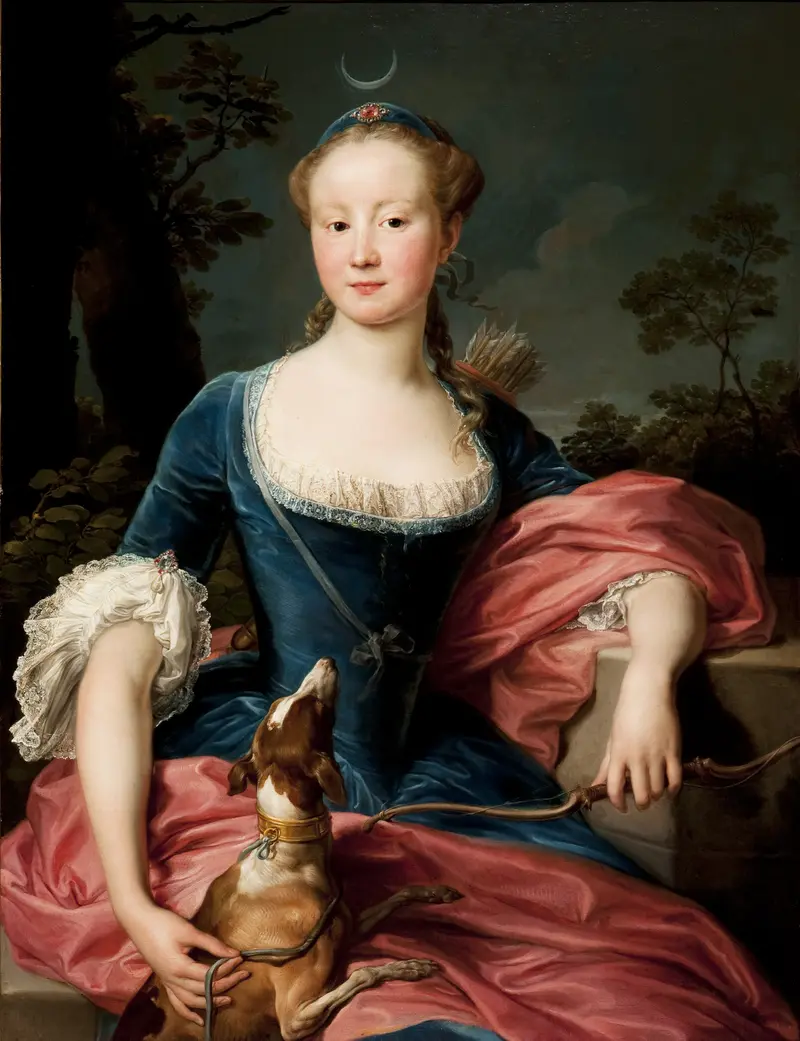
Portrait of a Lady as Diana the Huntress
Pompeo Batoni
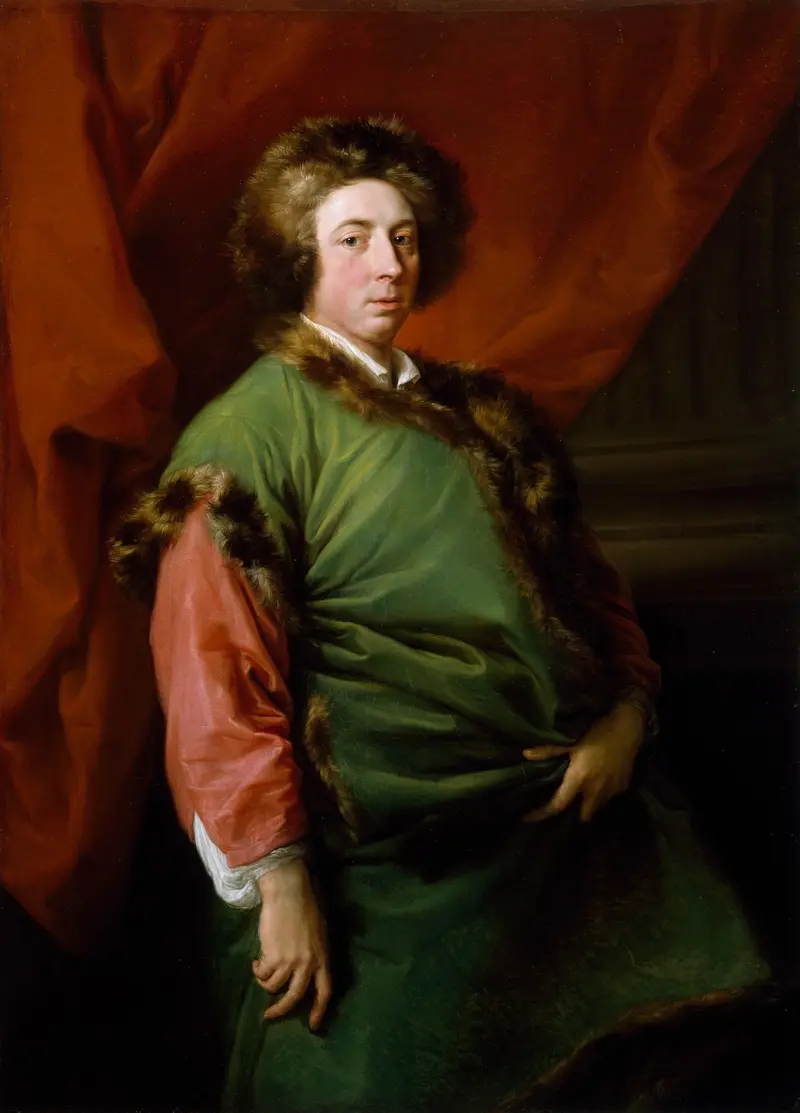
Portrait of Joseph Leeson, later 1st Earl of Milltown (1711-1783)
Pompeo Batoni
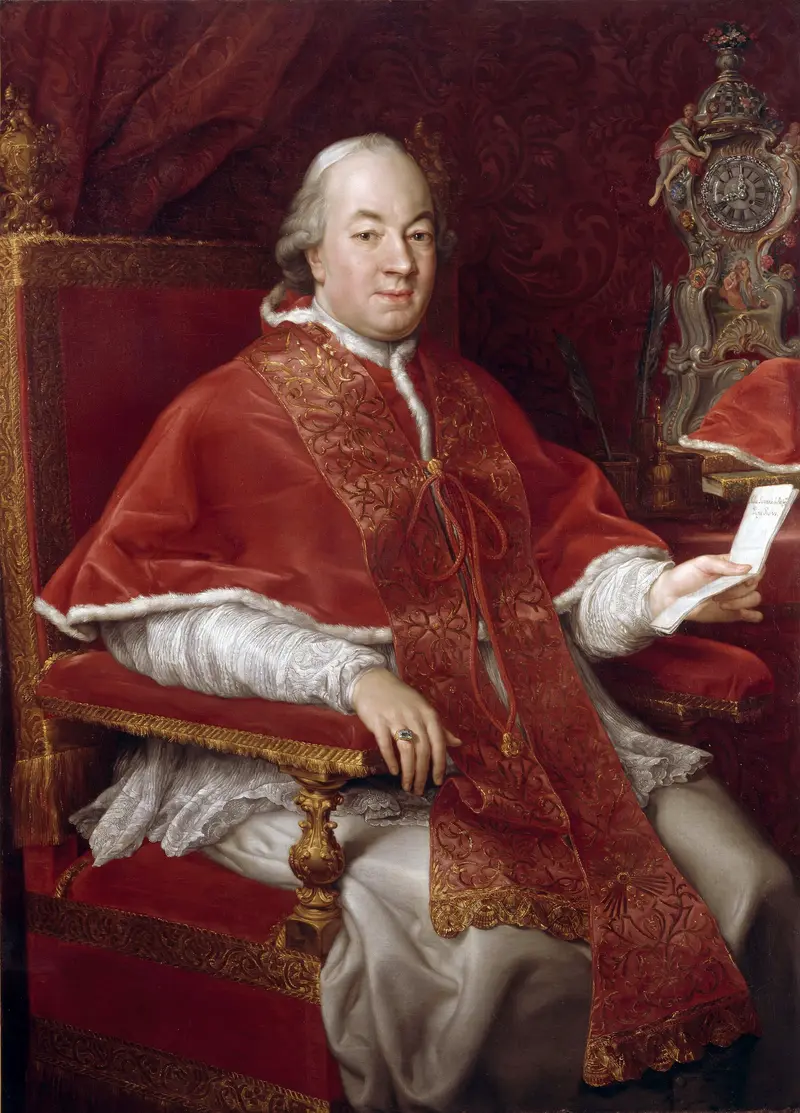
Portrait of Pope Pius VI, Giovanni Angelo Braschi (1717-1799)
Pompeo Batoni
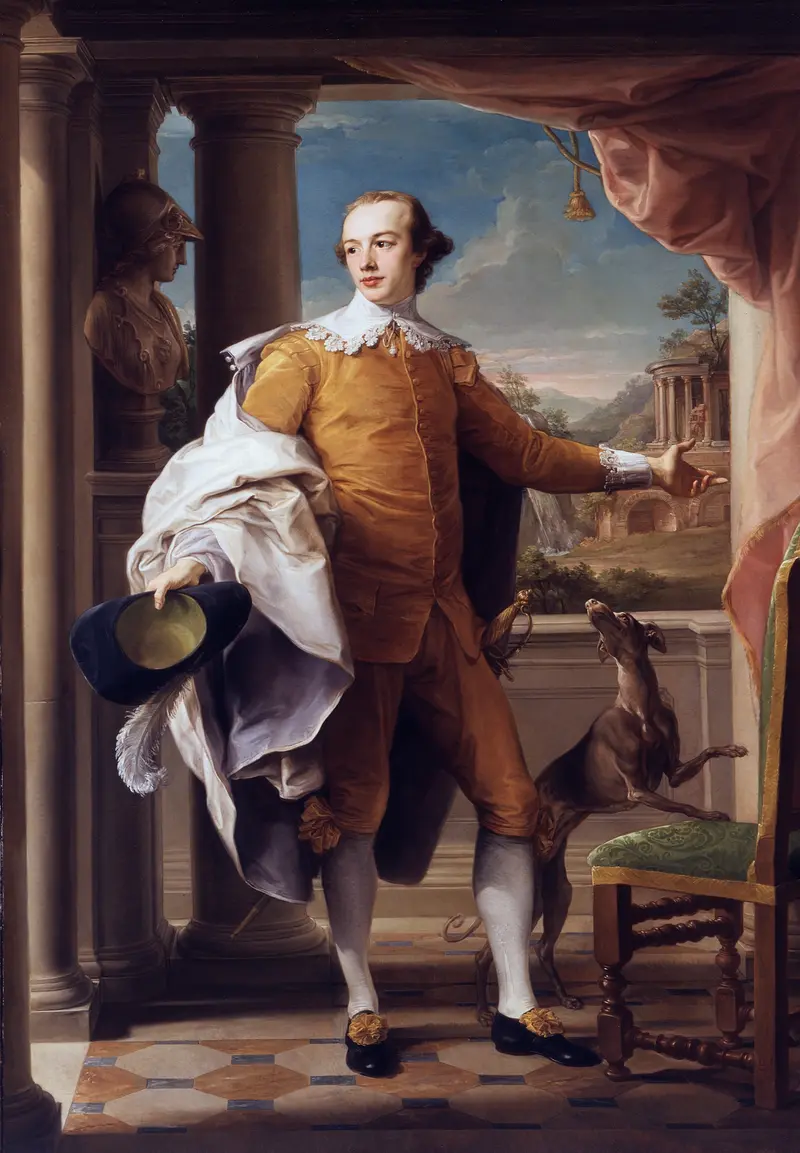
Portrait of Sir Wyndham Knatchbull-Wyndham
Pompeo Batoni
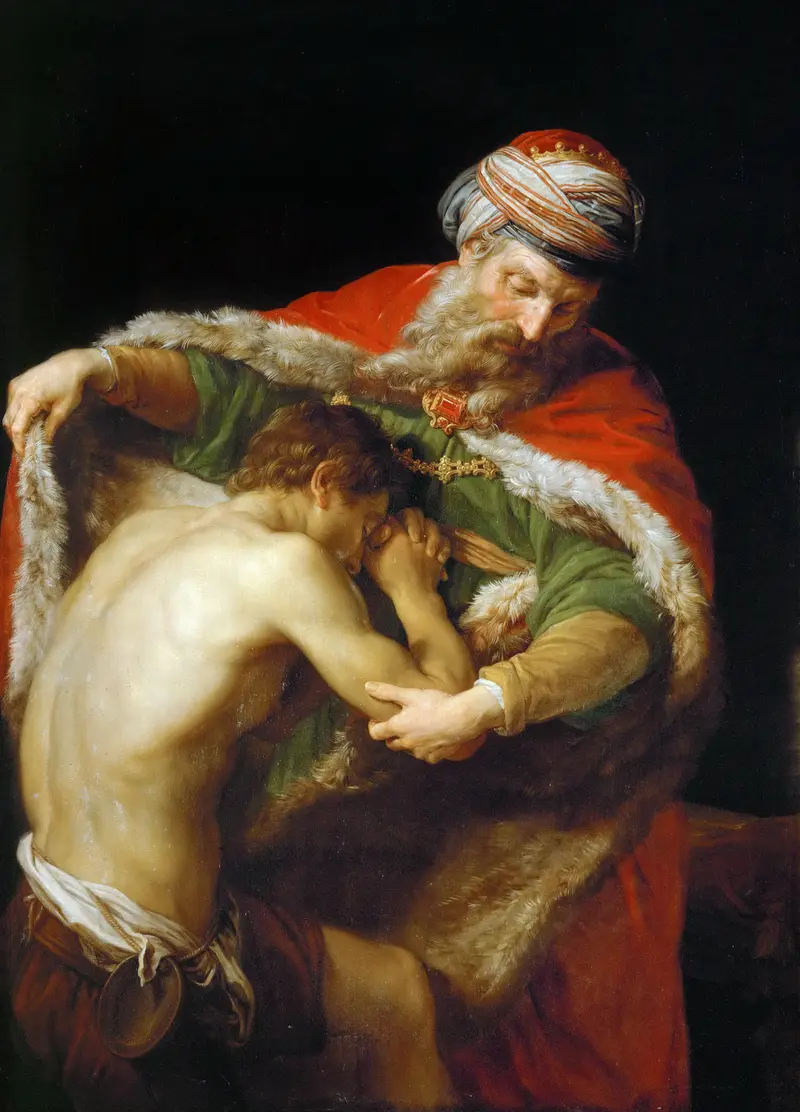
The Return Of The Prodigal Son
Pompeo Batoni
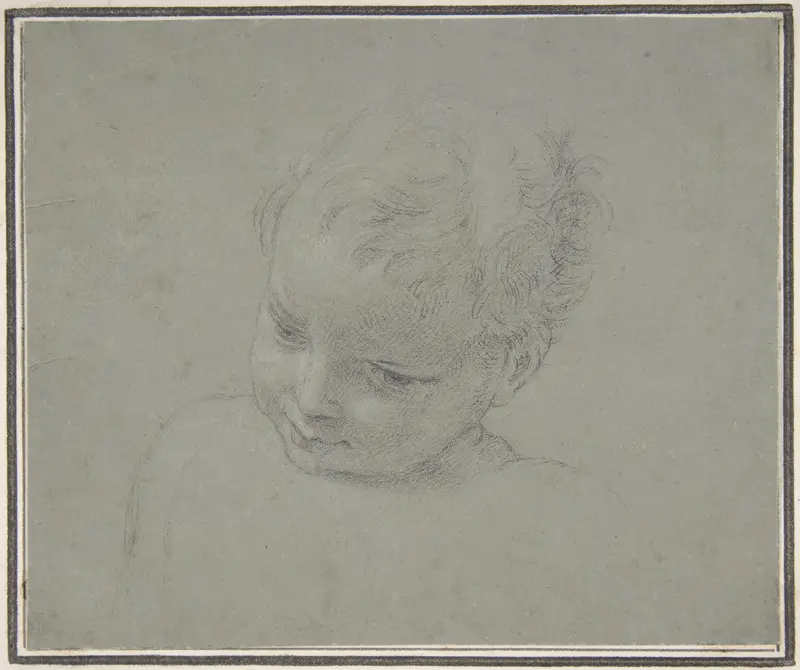
Bust-Length Study of a Child
Pompeo Batoni
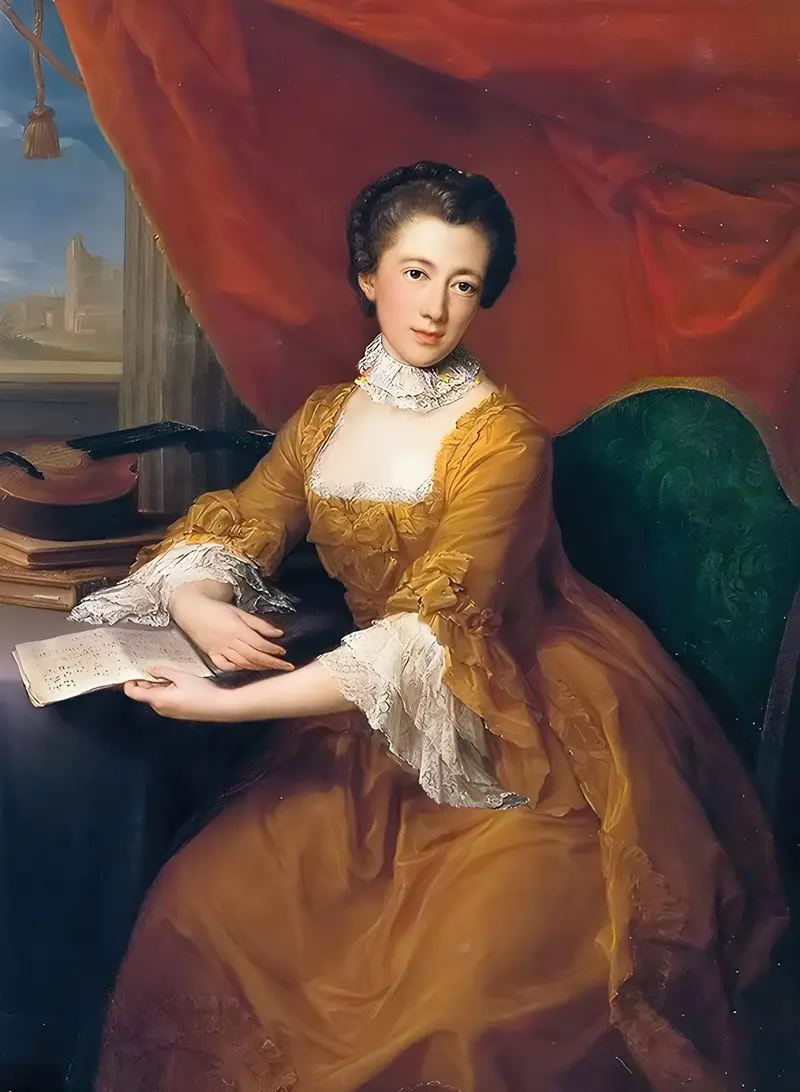
Portrait of Lady Margaret Georgiana Poyntz
Pompeo Batoni
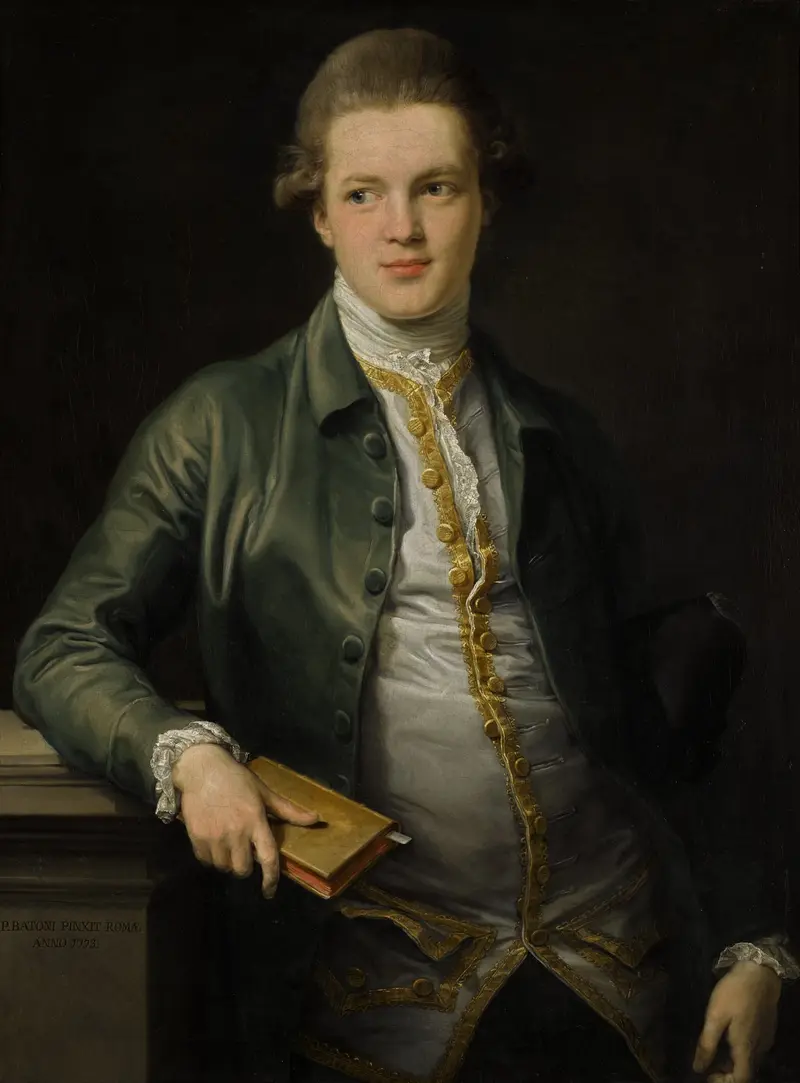
Portrait of Thomas Orde, later Orde-Powlett and 1st Baron Bolton
Pompeo Batoni

Male Nude Reclining on a Bed
Pompeo Batoni
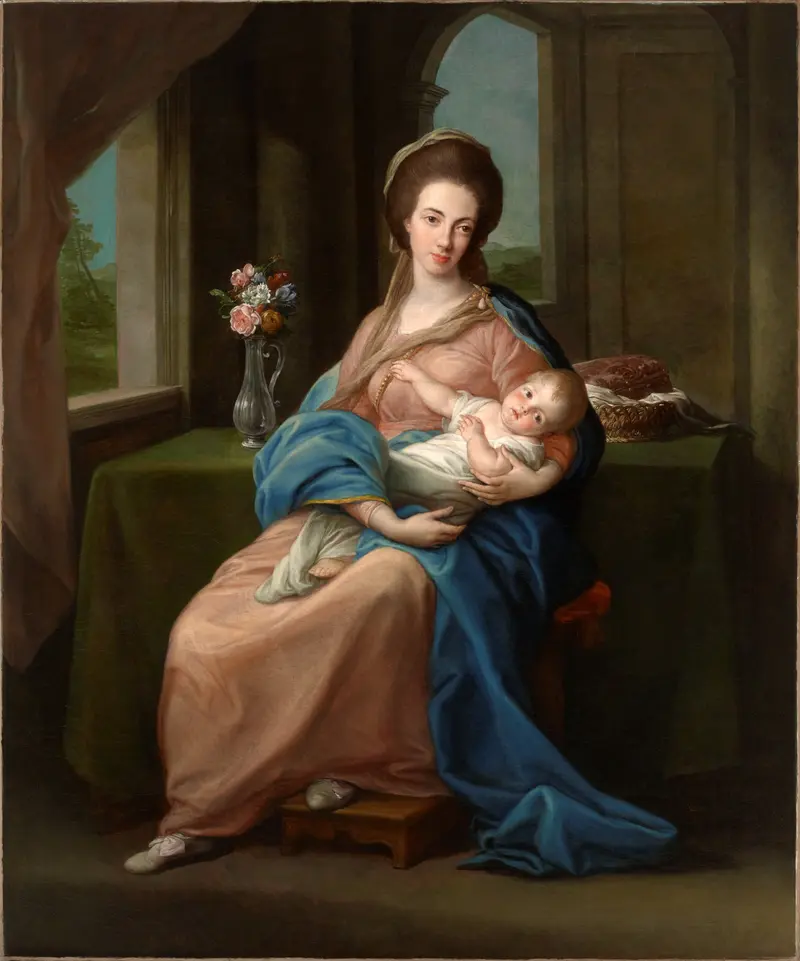
Mary Taylour, Viscountess of Headfort, later Countess of Bective and Marchioness of Headfort
Pompeo Batoni





