
The Crucifixion, with figures of the Virgin, Saint Nicholas, Saint Michael and Saint George — History & Facts
In the heart of a dimly lit chapel, the air hangs heavy with reverence. Shadows dance across the stone walls as flickers of candlelight illuminate the central figure on the cross, pain and sacrifice etched into every detail. Around this solemn scene, the Virgin weeps, her expression a haunting blend of sorrow and strength, while Saint Nicholas, Saint Michael, and Saint George stand resolutely, guardians of faith and courage, their bodies poised in silent vigil. Focus on the figure of Christ, whose outstretched arms seem to embrace the weight of time itself.
Notice how the artist has rendered the stark contrast between the deep crimson of the drapery and the pale, almost ethereal quality of Christ’s skin. The characters surrounding Him create a circle of support, each figure rendered with meticulous detail, drawing the viewer’s eye from the powerful center outward. The somber hues dominate the palette, setting a tone of solemnity while allowing the golds and whites of the saints' attire to glimmer like whispers of hope amidst the darkness. The composition speaks volumes about sacrifice and intercession.
The Virgin’s tear-streaked face not only conveys personal grief but also a universal mourning; her anguish encapsulates the sorrow of humanity. The juxtaposition between the suffering of Christ and the stoic presence of the saints creates an emotional tension, suggesting that even amid despair, there exists an unwavering support and strength. Each saint possesses unique symbolism—Saint George and his dragon, Saint Michael's sword, and Nicholas's benevolence—converging to reinforce themes of protection in the face of adversity. This artwork, created in the 19th century by an unidentified artist, reflects the deep-rooted traditions of religious painting during a time when the church remained a pivotal force in society.
It was a period marked by a revival of faith-based themes and a return to earlier artistic practices, as artists sought to evoke an emotional response through the sacred narratives. The anonymity of the creator invites viewers to engage intimately with the piece, focusing on the spiritual truths it embodies rather than the artist's individual identity.
More Artworks by Unidentified artist
Browse all →
Self-portrait with a Bandaged Ear and Pipe
Unidentified artist

Feast in the House of Levi
Unidentified artist
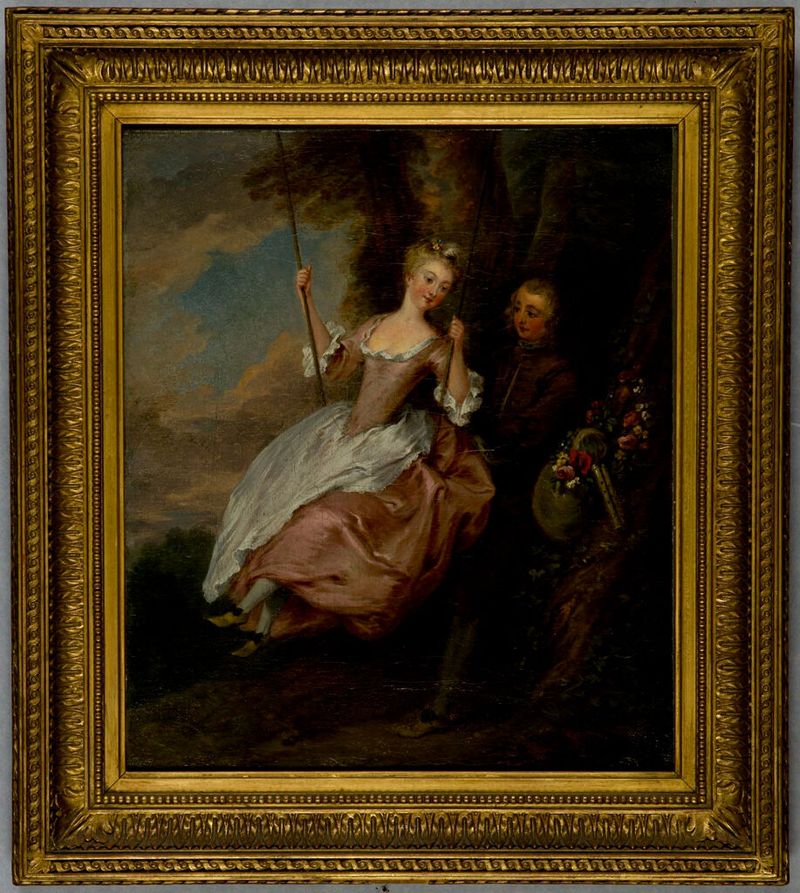
The Swing
Unidentified artist

Geoffrey Chaucer (1340?-1400)
Unidentified artist

Portrait of Michelangelo after the "Strozzi" original in the Uffizi Gallery
Unidentified artist
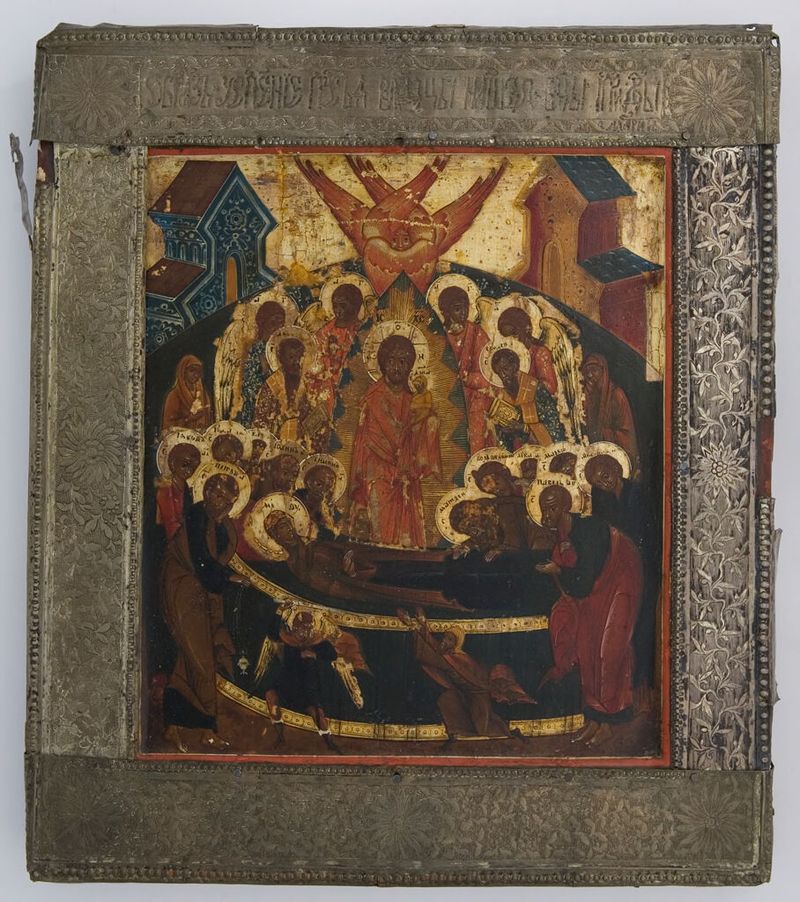
Dormition of the Virgin
Unidentified artist

Charles I (after a van Dyck painting in the Staatliche Museen, Gemaldegalerie, Dresden)
Unidentified artist

Madonna and Child
Unidentified artist

John Winthrop, the Younger (1606-1676)
Unidentified artist

Crucifix with the Virgin and Saint John the Evangelist, Christ the Redeemer, and a Praying Woman
Unidentified artist
More Religious Art
Browse all →
The Return of the Prodigal Son
Rembrandt van Rijn

The Garden of Earthly Delights
El Bosco

Count Orgaz’ funeral
El Greco

The Hundred Guilder Print: the central piece with Christ preaching, the plate arched
Rembrandt van Rijn

The Descent from the Cross
Rogier van der Weyden

The return of the prodigal son
Rembrandt van Rijn