
The Crypt — History & Facts
Did the painter know this moment would outlive them? In the depths of The Crypt, a haunting stillness permeates the air, evoking a sense of timeless contemplation and unyielding mortality. Look to the center of the canvas, where a stark, dark vault looms menacingly, overshadowing the figures that traverse this eerie space. The use of somber colors—deep blacks and muted earth tones—contrasts sharply with the ghostly white of the skeletal figures, drawing the eye to their fragile presence. Each brushstroke feels deliberate, forging a tangible tension between life and death, as dappled light breaks through unseen crevices, illuminating the visceral anxiety etched on their faces. In this scene, the juxtaposition of the living and the dead creates a poignant dialogue about existence.
The figures, appearing both mournful and resigned, evoke a profound sense of loss and reflection on the passage of time. Their skeletal forms remind us of the inevitability of decay, yet there is an unsettling vibrancy to their presence, hinting at the ways in which the past clings to the present. The crypt itself serves as a metaphor for the weight of history that rests heavily upon us all. In 1888, James Ensor was creating in the vibrant cultural milieu of Belgium, grappling with personal challenges and a society undergoing rapid change.
Influenced by the Symbolist movement, he sought to explore existential themes through his unique blend of grotesque and macabre. This work emerged during a period of introspection, as he faced artistic rejection and sought to carve out a distinctive voice amidst the tumult of contemporary art.
More Artworks by James Ensor
Browse all →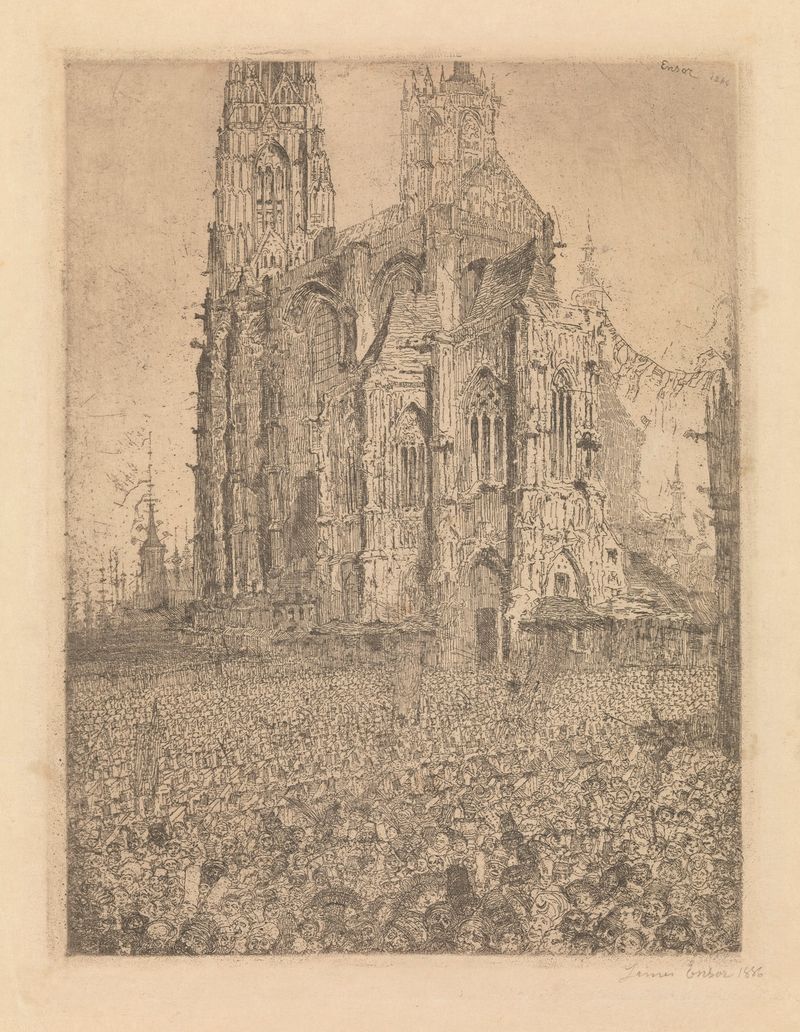
The Cathedral
James Ensor
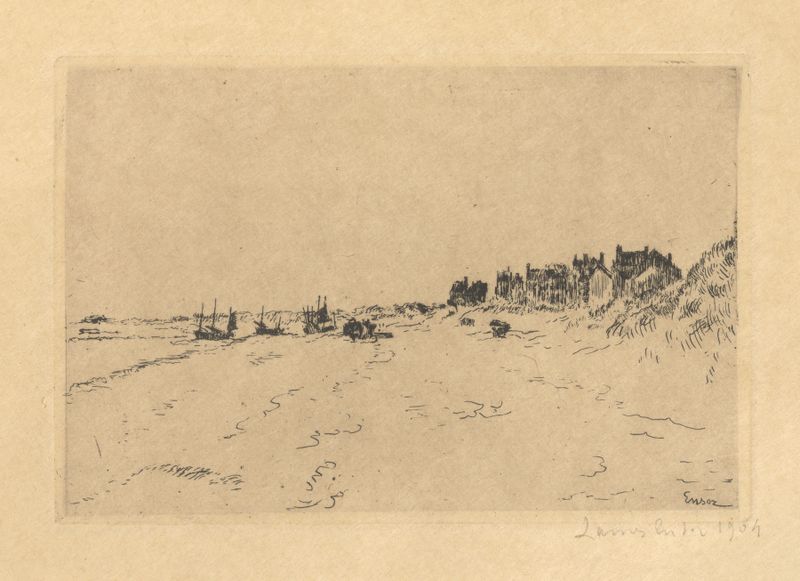
Het strand van De Panne
James Ensor
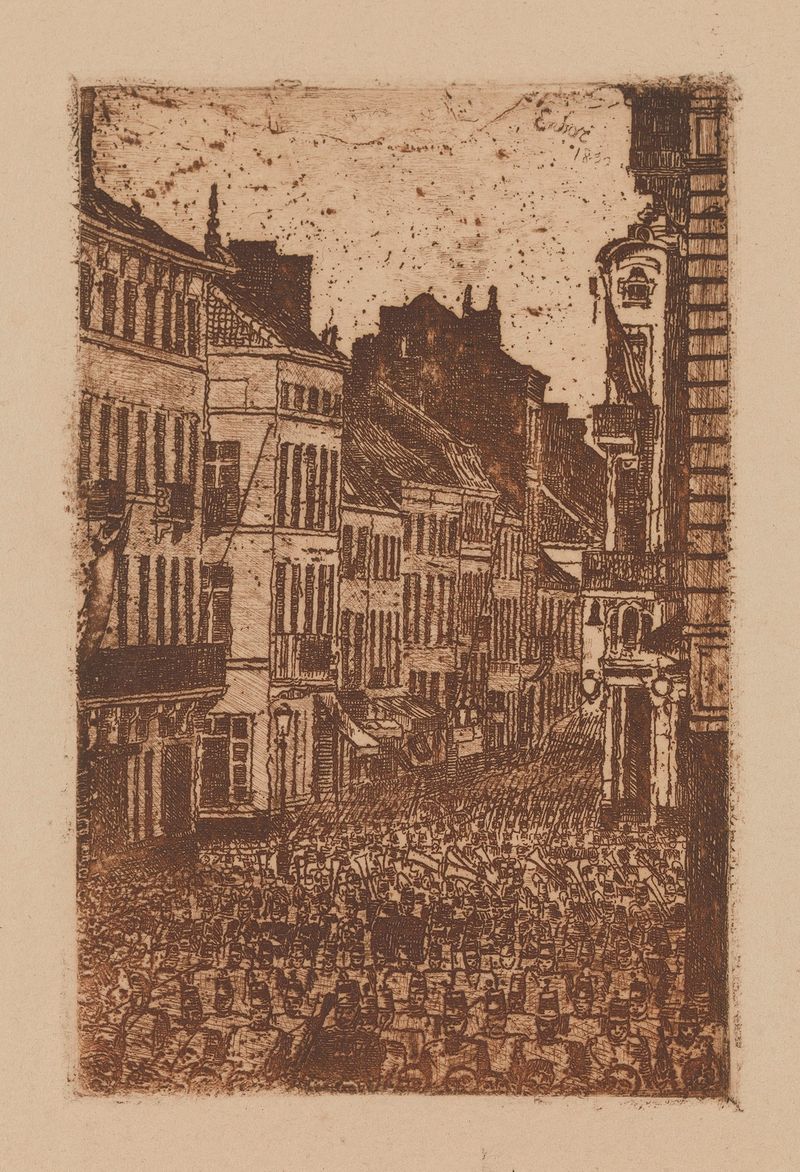
The Music in the rue de Flandre, Ostend
James Ensor
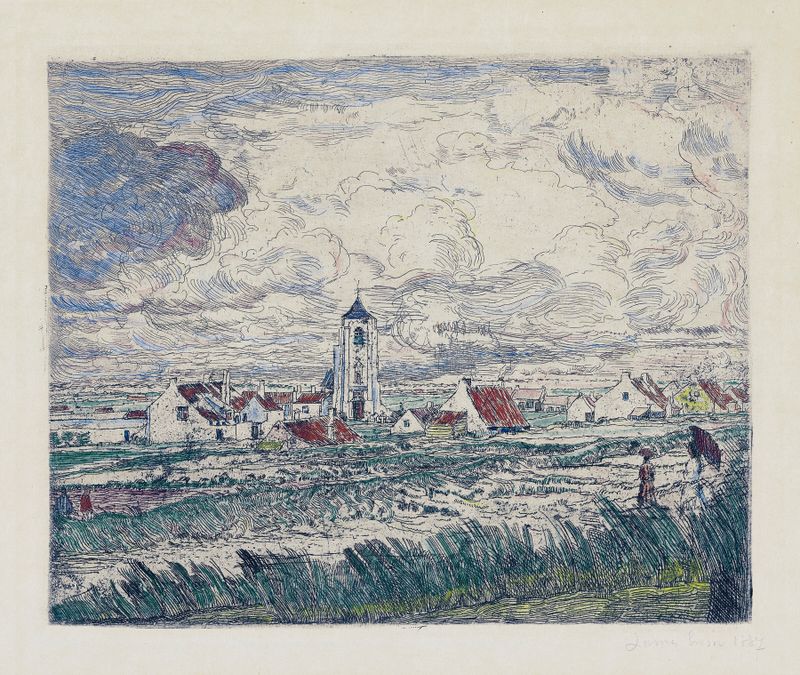
Grande vue de Mariakerke
James Ensor
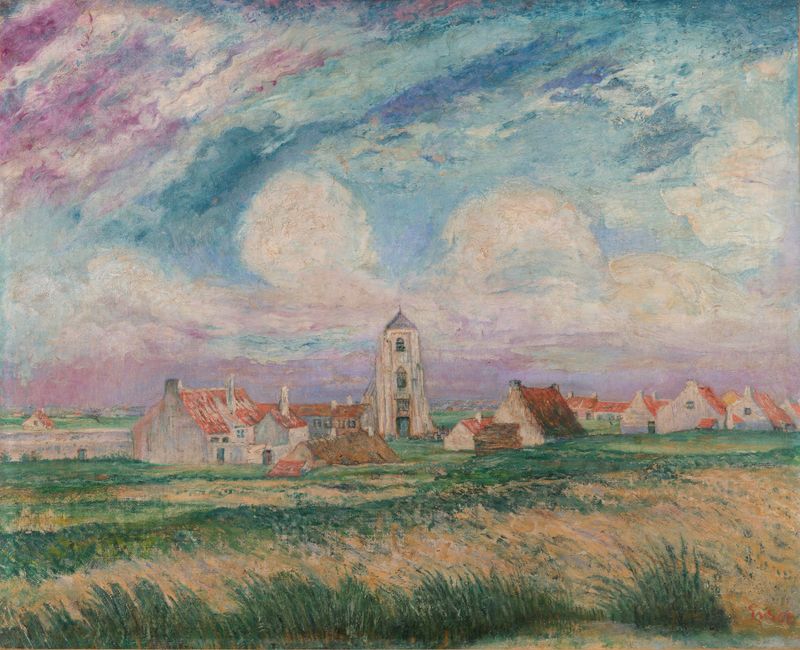
View of Mariakerke
James Ensor
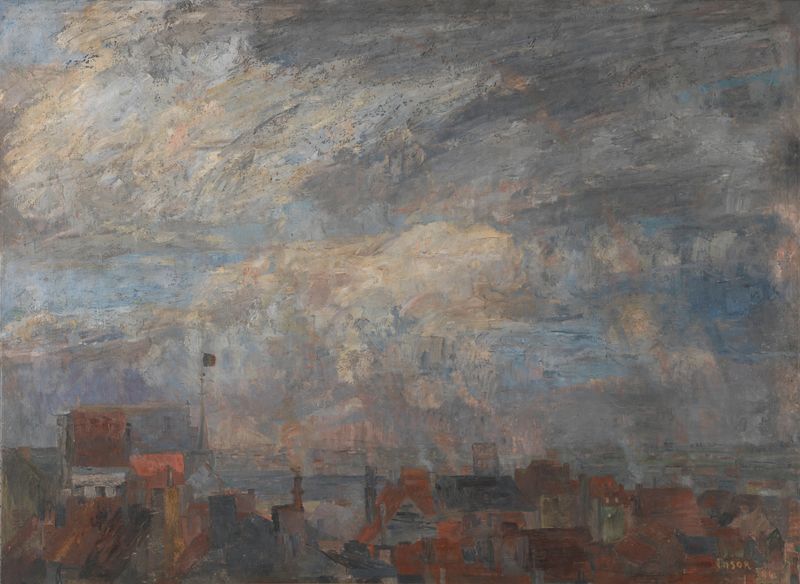
The Rooftops of Ostend
James Ensor
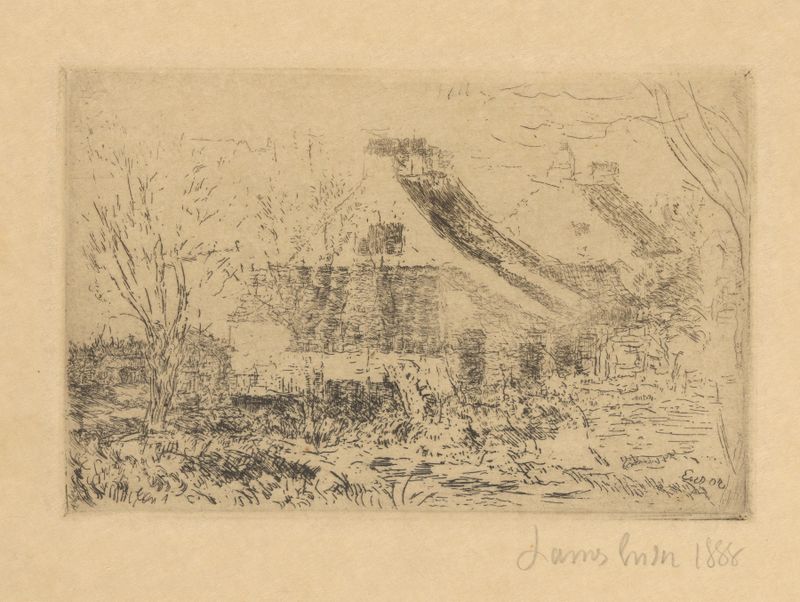
Huisjes in Mariakerke
James Ensor
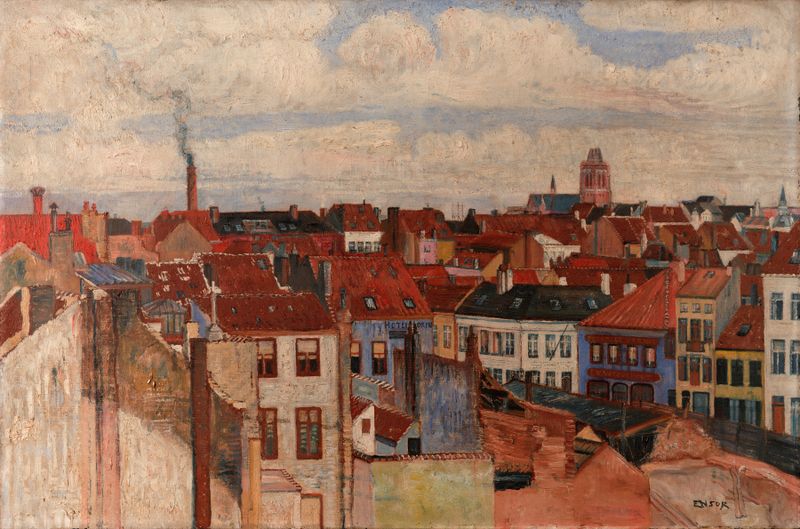
The rooftops of Ostend
James Ensor
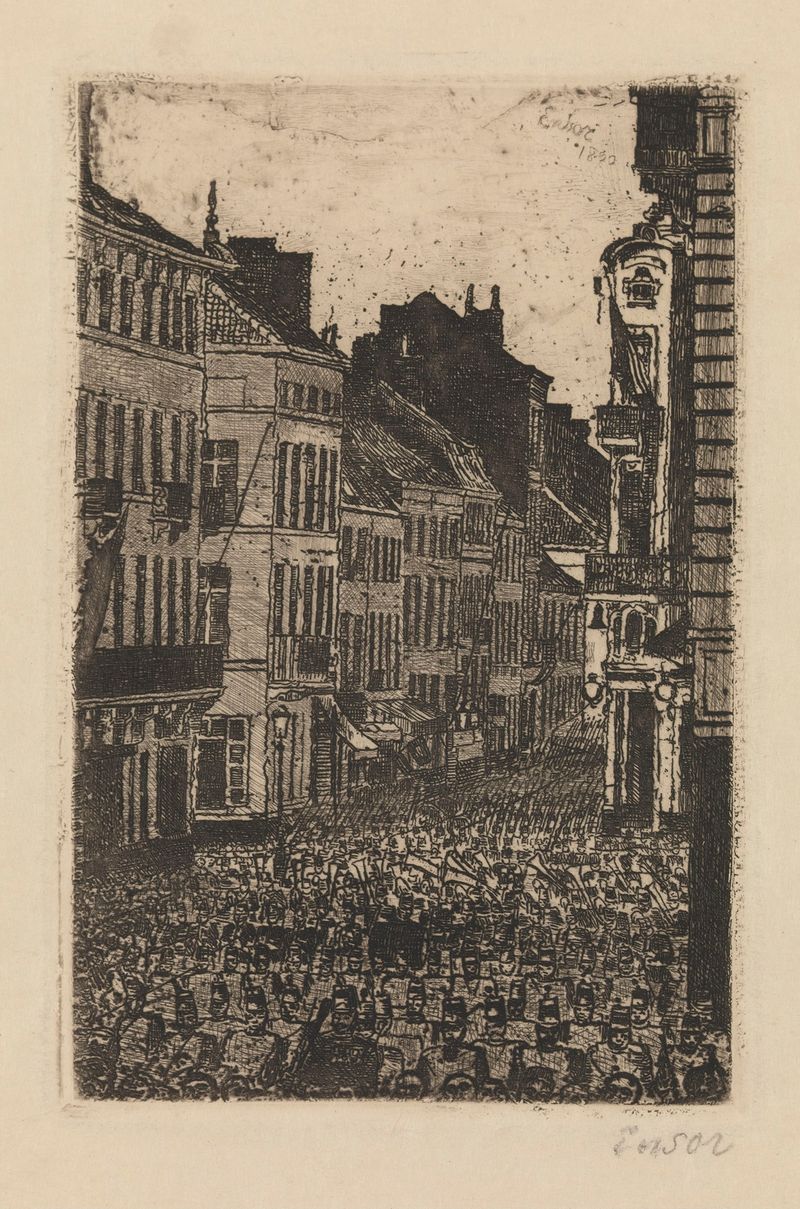
The Music in the rue de Flandre, Ostend
James Ensor
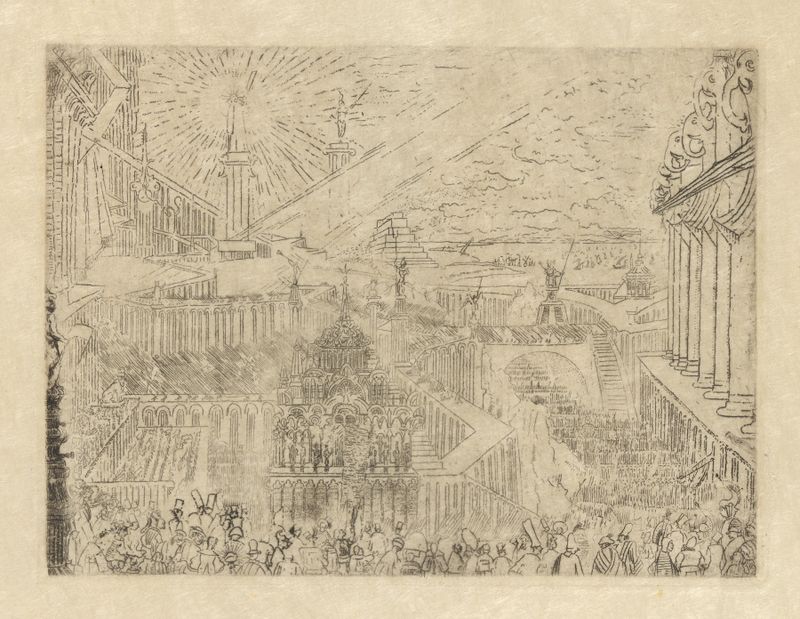
Verovering van een vreemde stad
James Ensor
More Religious Art
Browse all →
The Return of the Prodigal Son
Rembrandt van Rijn

The Garden of Earthly Delights
El Bosco

Count Orgaz’ funeral
El Greco

The Hundred Guilder Print: the central piece with Christ preaching, the plate arched
Rembrandt van Rijn

The Descent from the Cross
Rogier van der Weyden

The return of the prodigal son
Rembrandt van Rijn