
The Crystal Palace — History & Facts
Can beauty exist without sorrow? The delicate interplay between light and shadow in The Crystal Palace invites contemplation on faith, hope, and the fragility of human experience. Look to the center of the canvas, where the majestic glass structure rises like a beacon against an ethereal sky. Notice how Pissarro employs a soft palette of blues and greens, allowing the sun to filter through the crystal prisms, casting a kaleidoscope of colors onto the world below. The brushstrokes are loose yet deliberate, evoking a sense of movement and life, as figures in the foreground engage in animated conversation, their expressions obscured by distance, hinting at stories untold. Yet it is the contrasts that speak most profoundly.
The shimmering brilliance of the Palace stands in stark opposition to the muted colors of the surrounding landscape, reflecting both aspiration and the inevitable impermanence of beauty. The ethereal quality of light juxtaposes with the darkening clouds in the distance, symbolizing the tension between hope and despair, progress and stagnation. Each viewer may find a personal narrative in the scene, a reflection of their own experiences of joy intertwined with loss. Camille Pissarro created this piece in 1871 while living in London, amidst the political turmoil following the Franco-Prussian War.
This period marked a significant shift in his artistic approach, transitioning to a style rich in impressionistic techniques. The exhibition of the Crystal Palace, a symbol of industrial progress, coincided with his exploration of modernity, revealing his faith in art as a medium to capture the complexities of contemporary life.
More Artworks by Camille Pissarro
Browse all →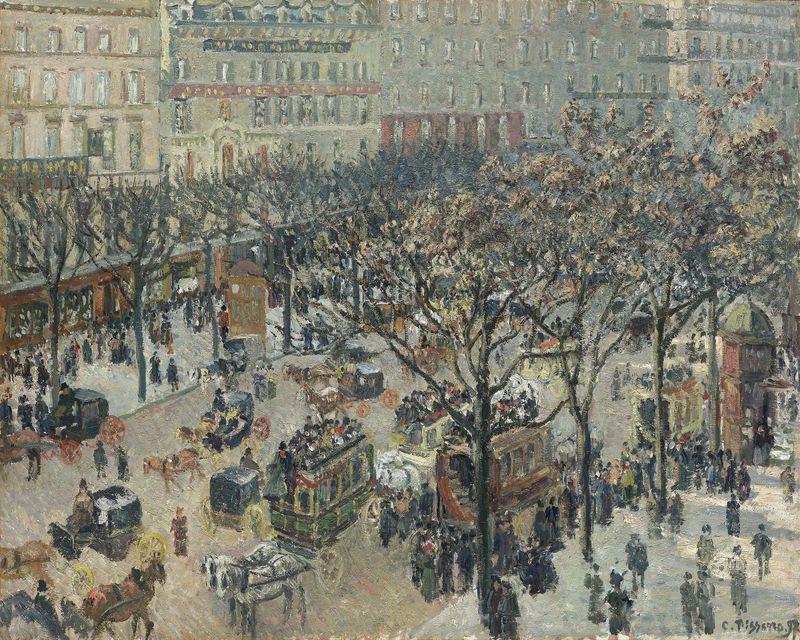
Boulevard des Italiens,Morning_Sunlight
Camille Pissarro
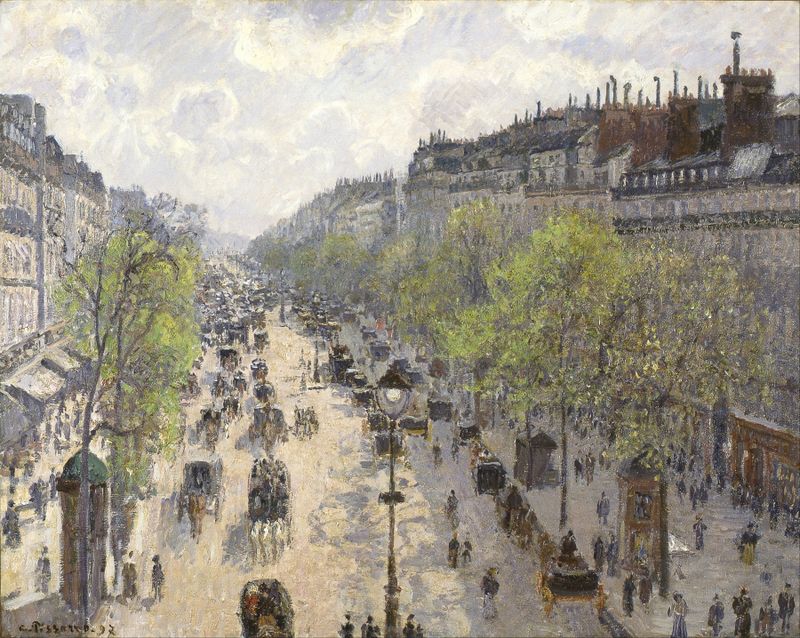
Boulevard Montmartre, Spring
Camille Pissarro
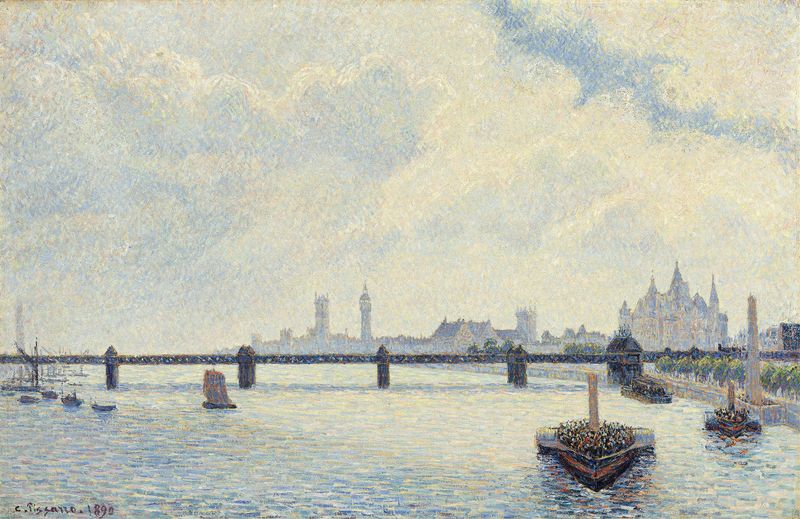
Charing Cross Bridge,London
Camille Pissarro
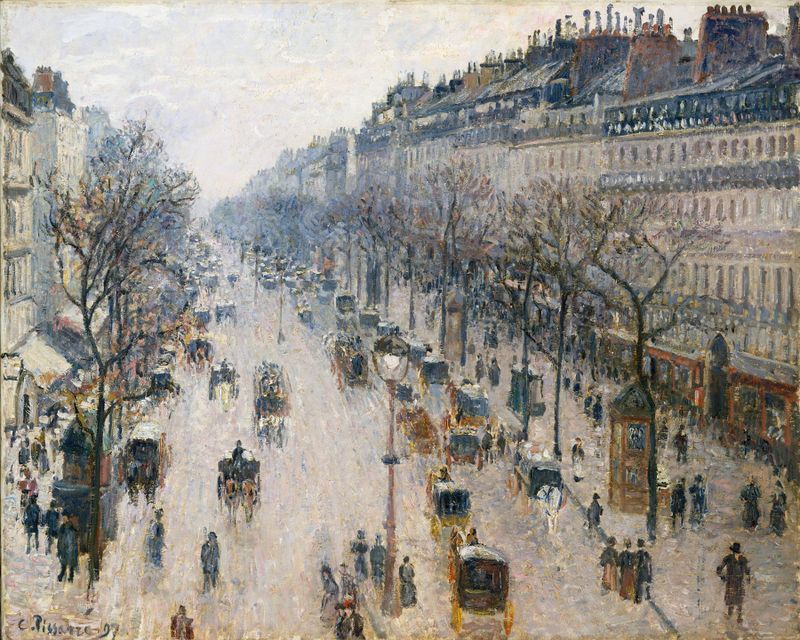
The Boulevard Montmartre on a Winter Morning
Camille Pissarro
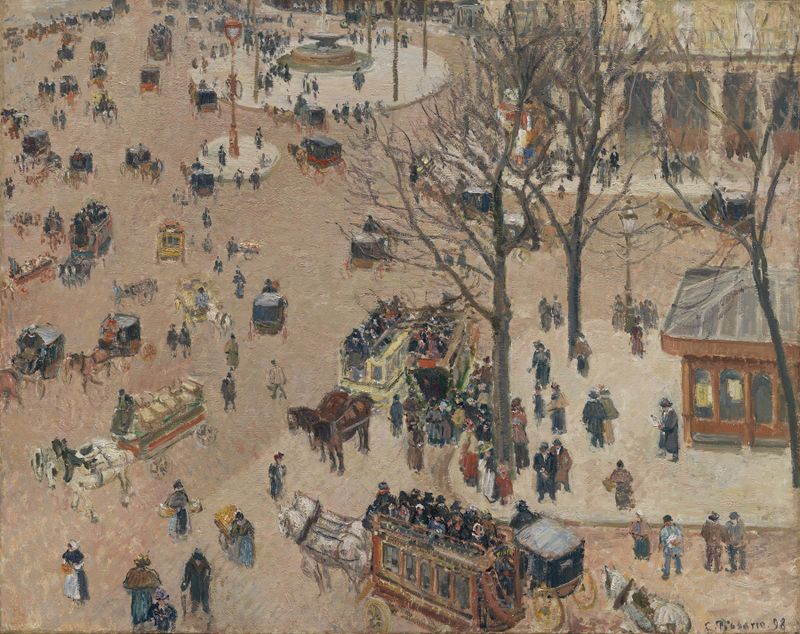
La Place du Théâtre Français
Camille Pissarro

Rue Saint-Lazare, Paris
Camille Pissarro
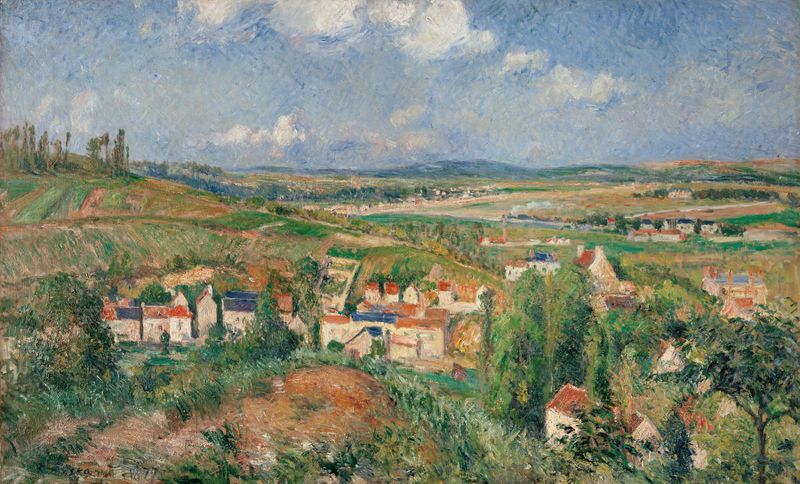
L’hermitage En Été, Pontoise
Camille Pissarro

Place du Theatre Francais,Fog Effect
Camille Pissarro
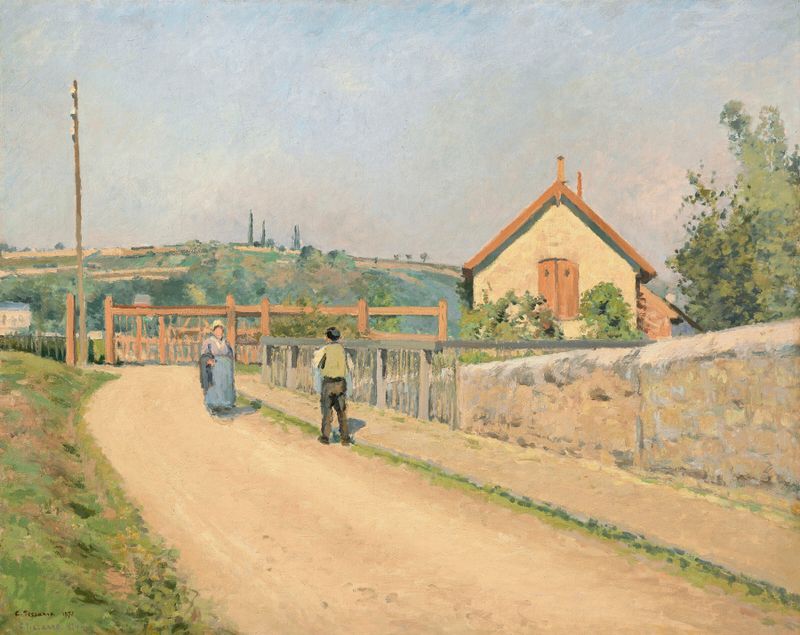
La barrière du chemin de fer, aux Pâtis près Pontoise
Camille Pissarro
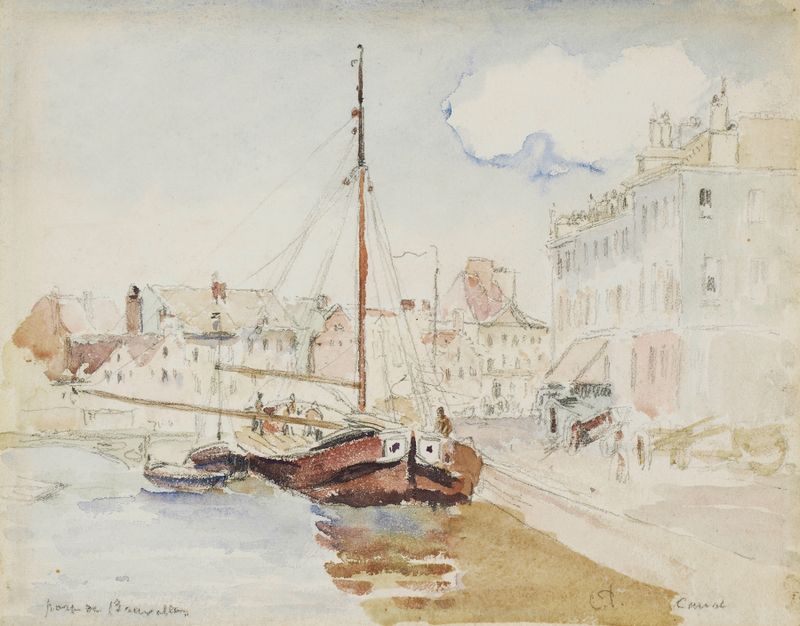
Port de Bruxelles
Camille Pissarro
More Architecture Art
Browse all →
The statue of Liberty
Frédéric Auguste Bartholdi

View of Houses in Delft, Known as ‘The Little Street’
Johannes Vermeer

View of Houses in Delft, Known as ‘The Little Street’
Johannes Vermeer

The Cathedral in Rouen. The portal, Grey Weather
Claude Monet

The yellow house
Vincent van Gogh

The Church in Auvers-sur-Oise, View from the Chevet
Vincent van Gogh