
The Dead Sea. From the journey to Palestine — History & Facts
Who listens when art speaks of silence? In Jan Ciągliński's The Dead Sea, the stillness of the landscape echoes a profound sense of loneliness that permeates the canvas. Look to the foreground where the muted colors capture the desolate terrain, an expanse of browns and grays, parched and lifeless. The vastness of the sea stretches across the horizon, its surface shimmering dully under an unyielding sky. Notice how the subtle gradations of blue convey both beauty and isolation, drawing the eye to the distant mountains that frame this melancholic vista.
The brushwork lends a tactile quality to the earthiness, emphasizing the raw, unvarnished reality of the scene. Here, the contrasts are striking. The harshness of the land juxtaposes the ethereal quality of the sea, hinting at a longing that transcends mere depiction. The emptiness is palpable, suggesting not just a geographic void, but an emotional one—perhaps a reflection of the artist's own introspection.
The lifeless terrain becomes a metaphor for solitude, evoking the existential weight of a world that often feels uninhabited. In 1901, Ciągliński painted this work during a formative period of his career, having recently traveled to Palestine. This journey inspired him to explore themes of desolation and introspection, aligning with the broader artistic movements of the time that sought to capture the essence of place and emotion. The world was witnessing a shift, as artists began to embrace not just beauty, but the deeper, often darker, narratives of human experience.
More Artworks by Jan Ciągliński
Browse all →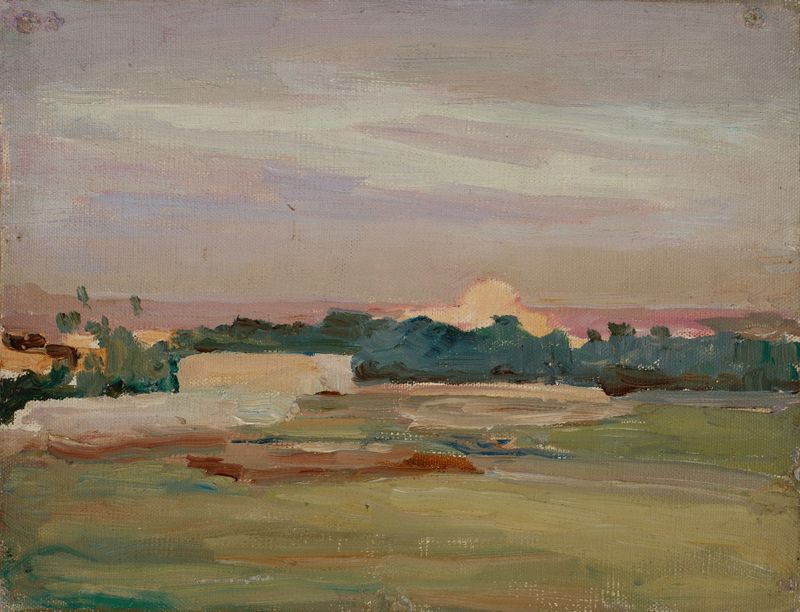
The Sirocco
Jan Ciągliński
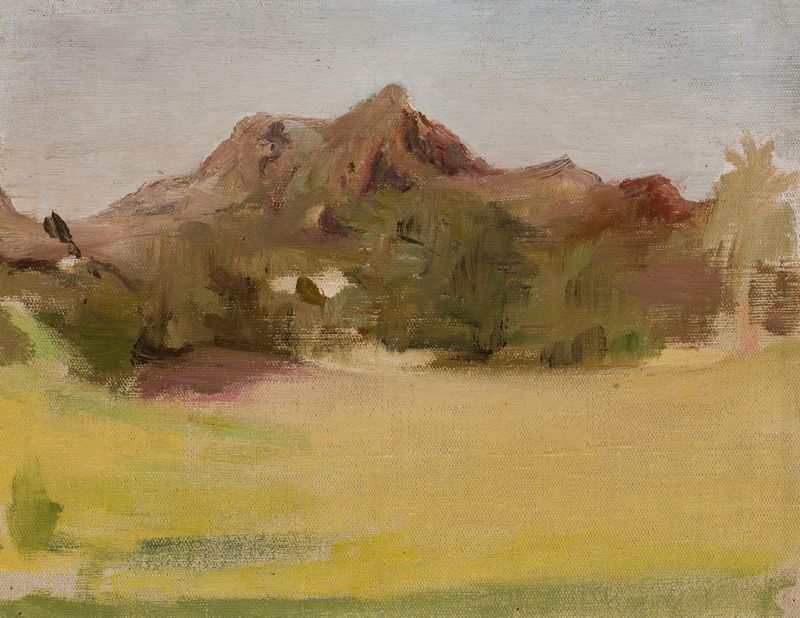
Mountain landscape. From the journey to India
Jan Ciągliński
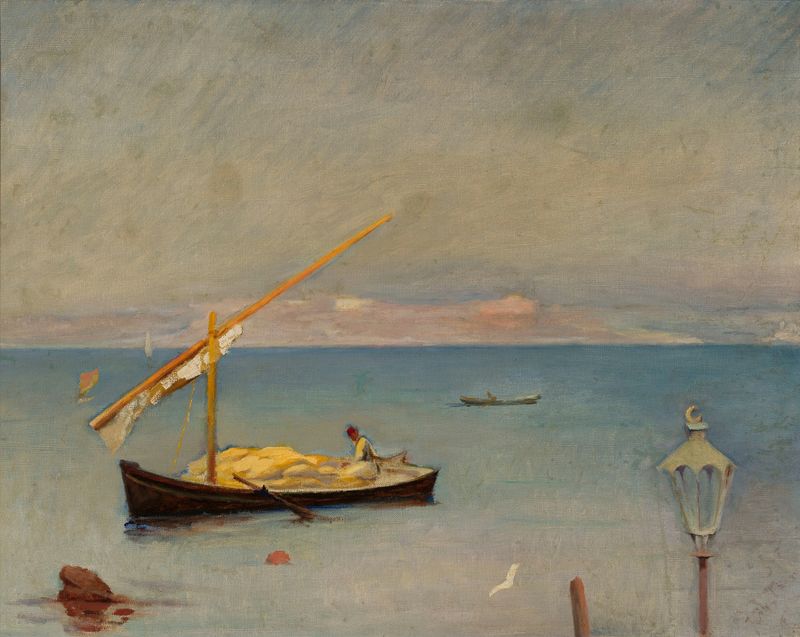
At Bosporus
Jan Ciągliński
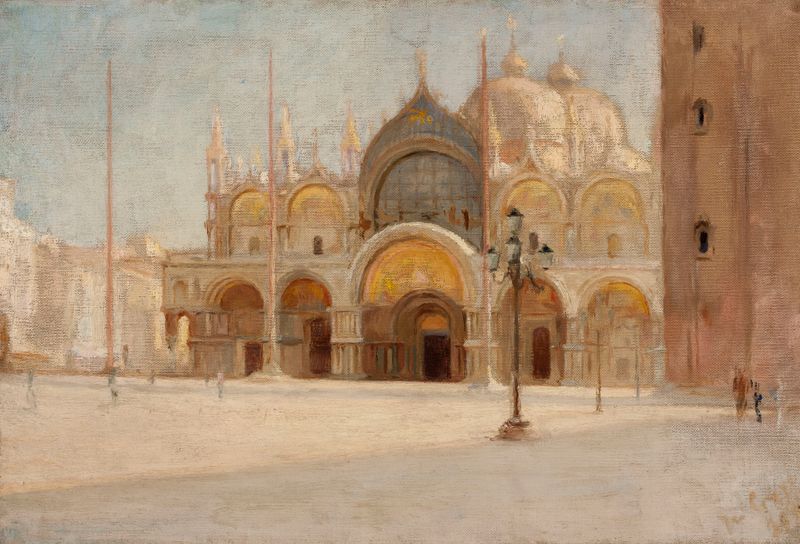
St Mark’s Square in Venice
Jan Ciągliński
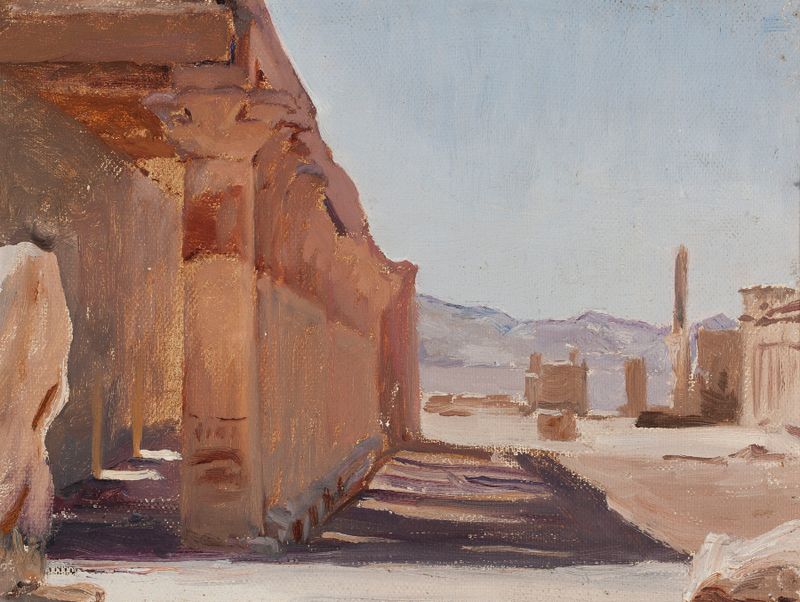
Temple. From the journey to Egypt
Jan Ciągliński
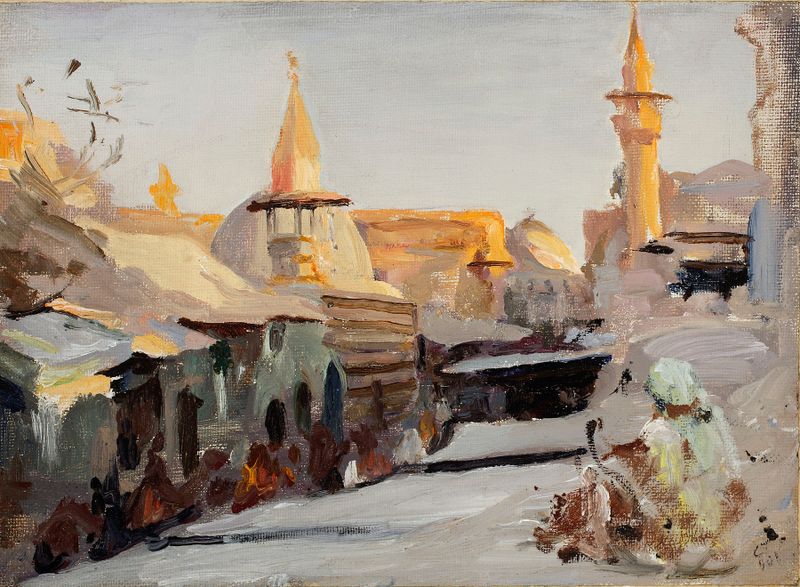
Street in Damascus. From the journey to Palestine
Jan Ciągliński
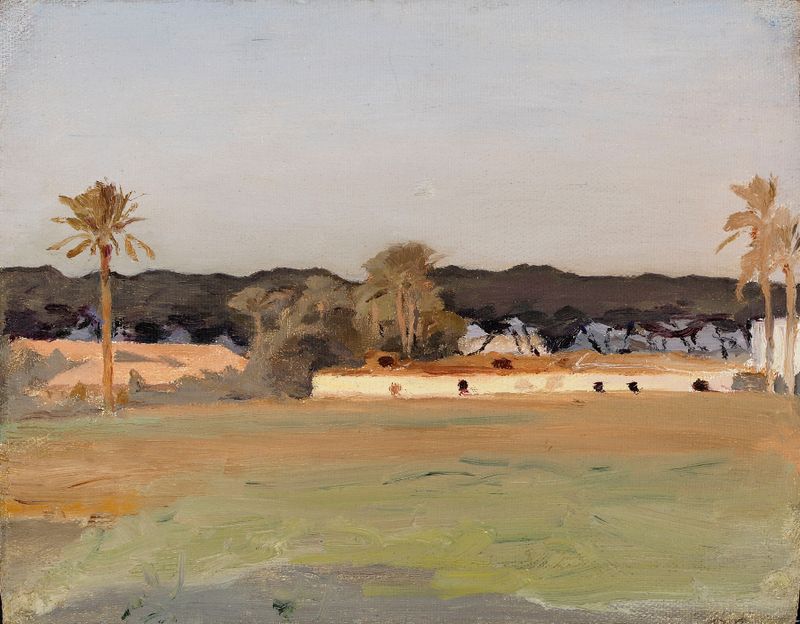
Evening. From the journey to Egypt
Jan Ciągliński
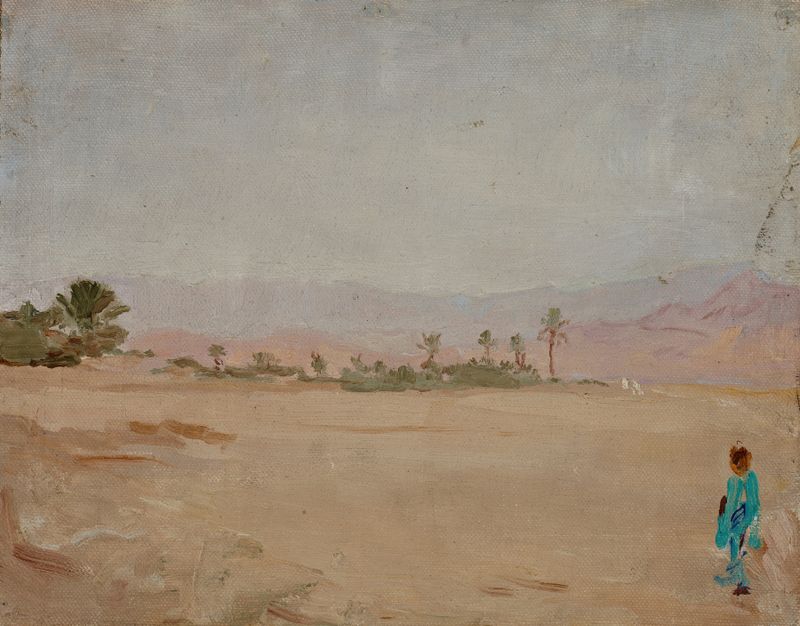
Sahara (Desert)
Jan Ciągliński
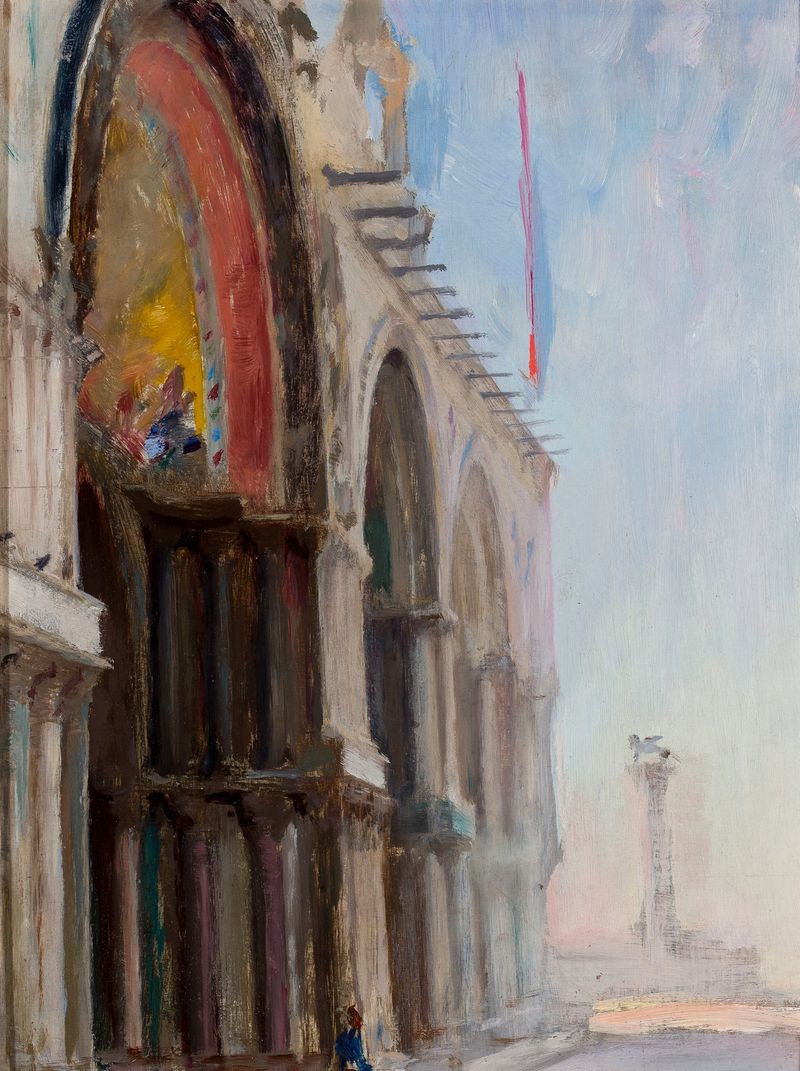
Venice – San Marco. From the journey to Italy
Jan Ciągliński
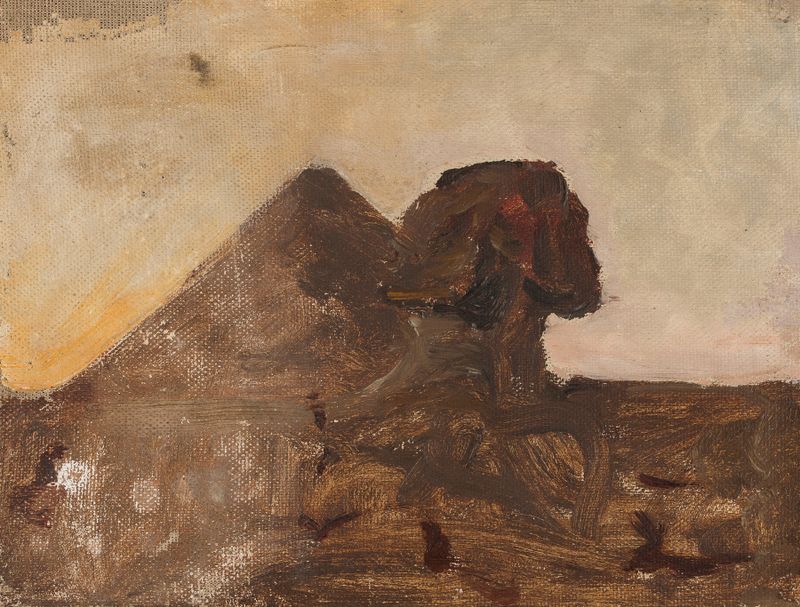
Evening in the desert – Sphinx and pyramid. From the journey to Egypt
Jan Ciągliński





