
The Death of Camilla — History & Facts
In The Death of Camilla, Jacques Louis David presents a dramatic scene filled with emotion. The painting features a somber color palette, dominated by deep reds and muted earth tones. Camilla, the central figure, lies lifeless, surrounded by mournful characters who express their grief.
The setting appears to be a classical interior, enhancing the historical context of the narrative. The painting is executed in oil on canvas, a common medium for neoclassical works. David's technique showcases his skill in rendering human anatomy and drapery, emphasizing the emotional weight of the scene. The composition is carefully arranged, drawing the viewer's eye to Camilla's figure while the surrounding figures create a sense of movement and turmoil.
The use of light and shadow adds depth, highlighting the tragic moment. Jacques Louis David was a leading figure in the Neoclassical movement, known for his historical and mythological subjects. The Death of Camilla reflects his interest in themes of sacrifice and heroism, often inspired by classical literature. An interesting fact about this work is that it was created during a time of political upheaval in France, which influenced many artists to explore themes of morality and virtue.
David's works, including this painting, played a significant role in shaping the visual culture of the French Revolution.
More Artworks by Jacques Louis David
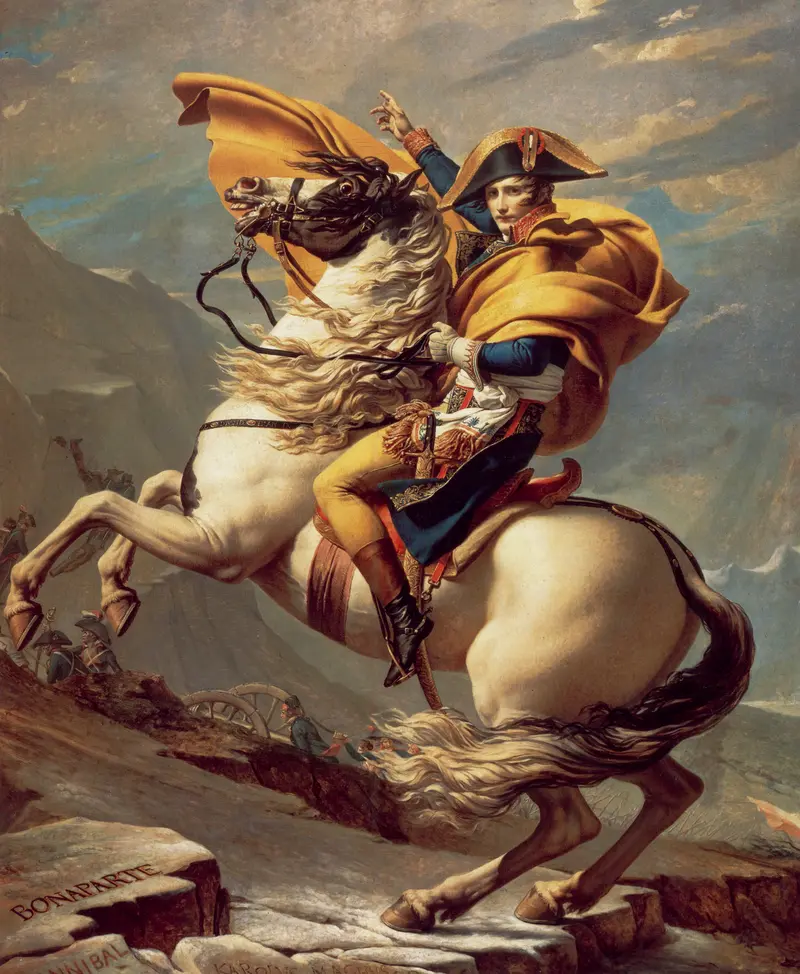
Napoleon Crossing the Alps
Jacques Louis David
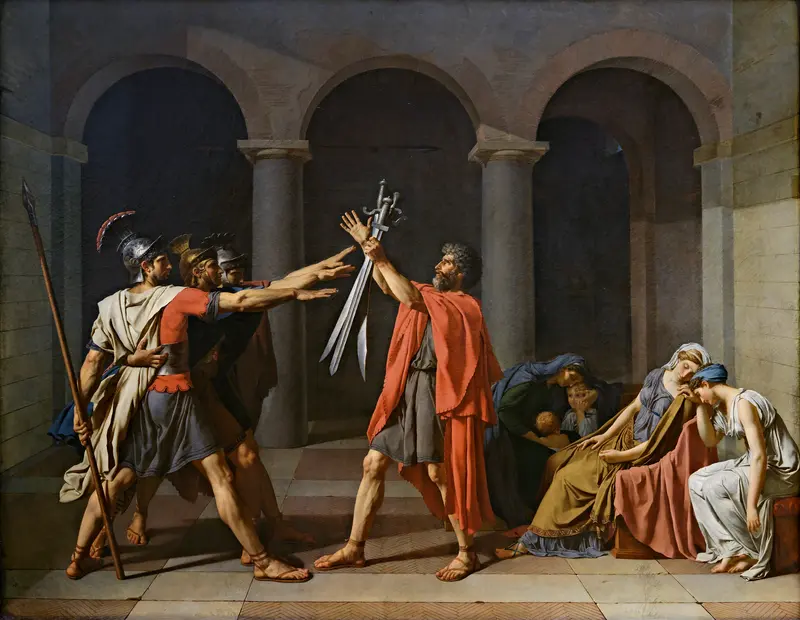
Oath Of The Horatii
Jacques Louis David
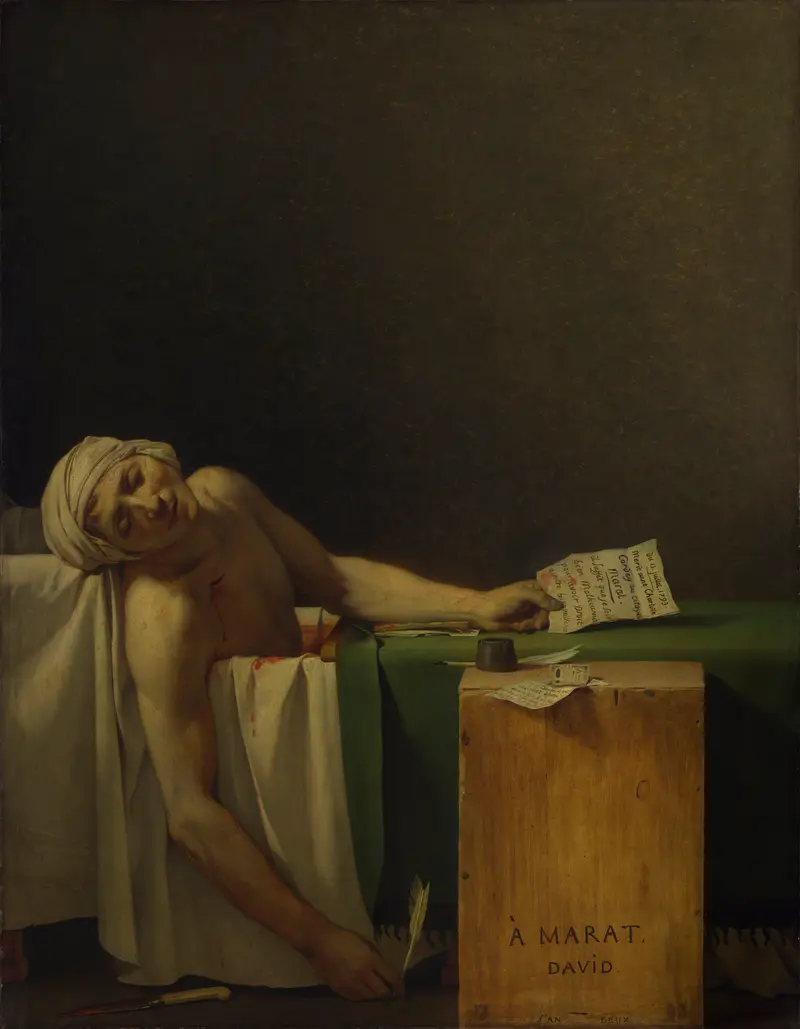
The Death of Marat
Jacques Louis David
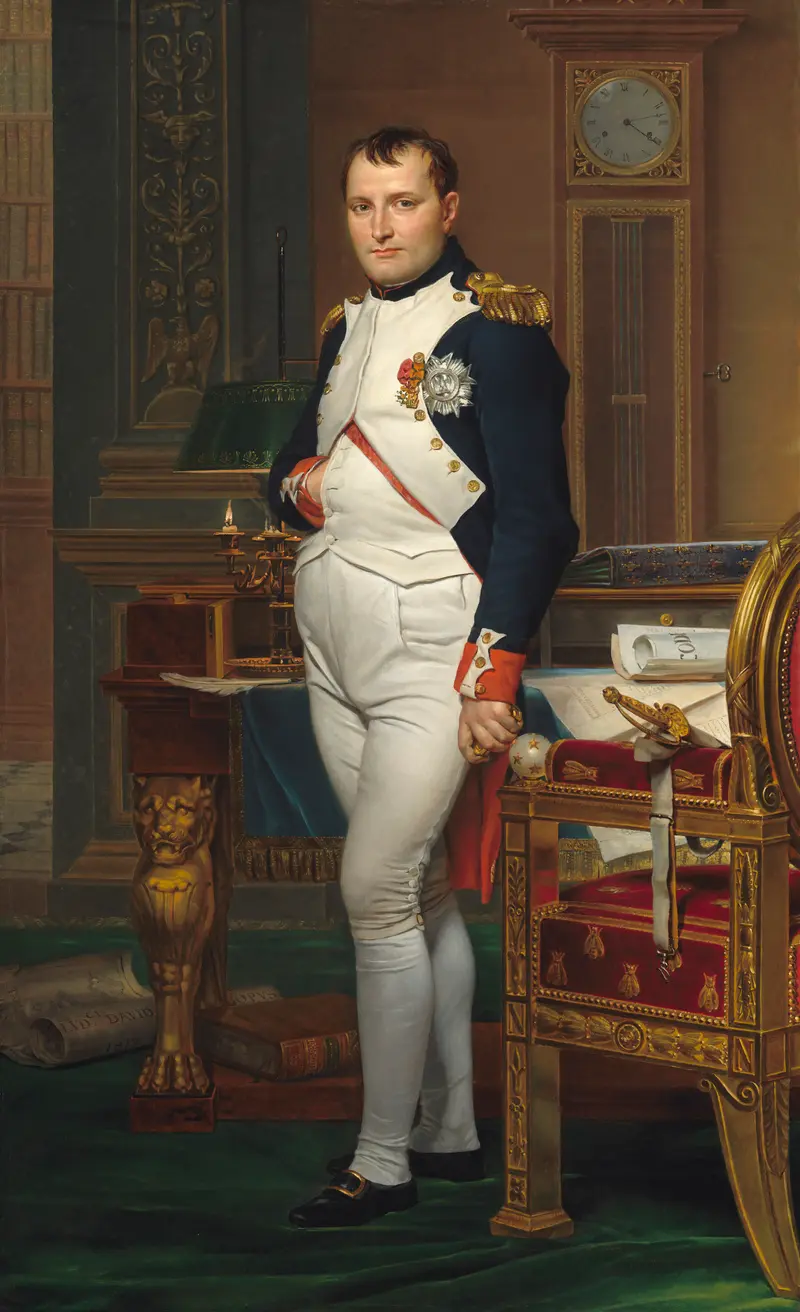
The Emperor Napoleon in His Study at the Tuileries
Jacques Louis David
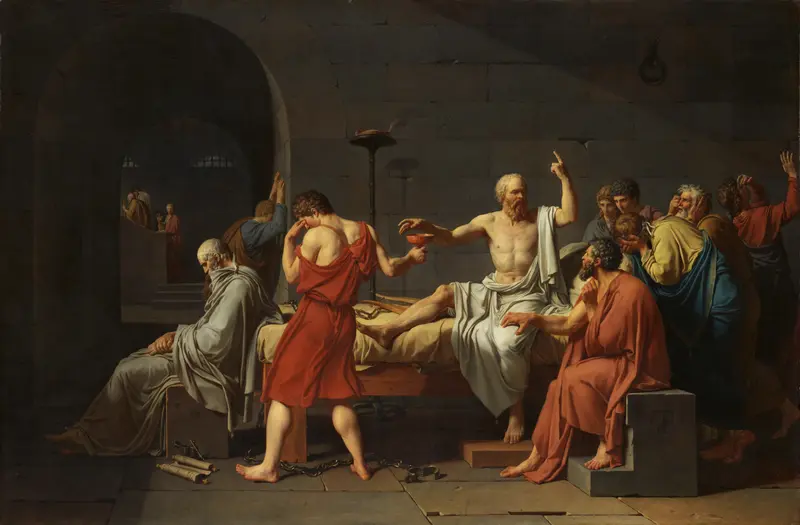
The Death of Socrates
Jacques Louis David
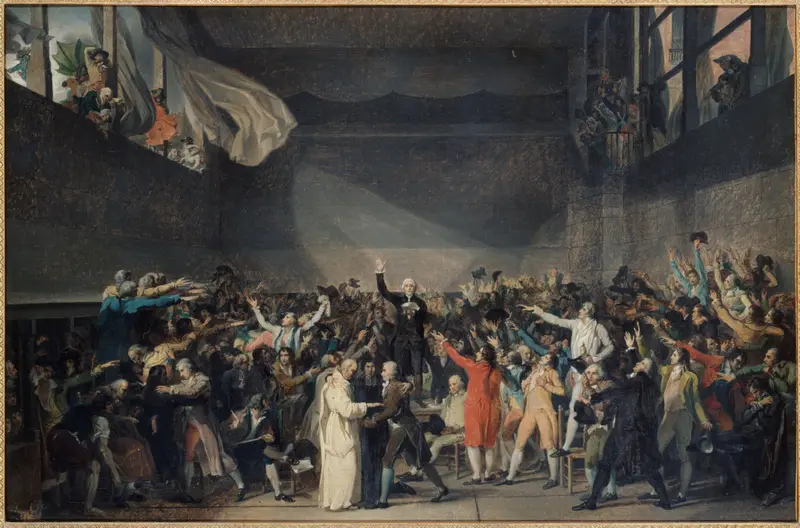
Serment Du Jeu De Paume, Le 20 Juin
Jacques Louis David
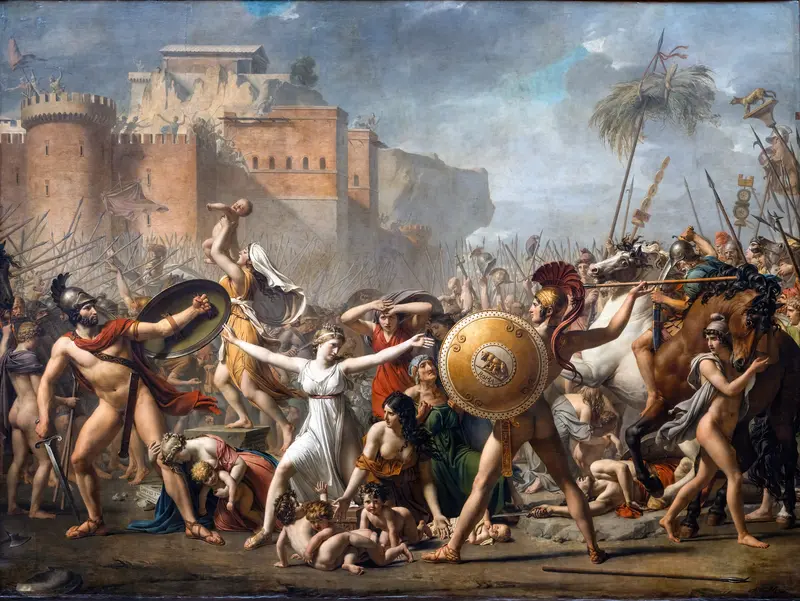
The Intervention Of The Sabine Women
Jacques Louis David
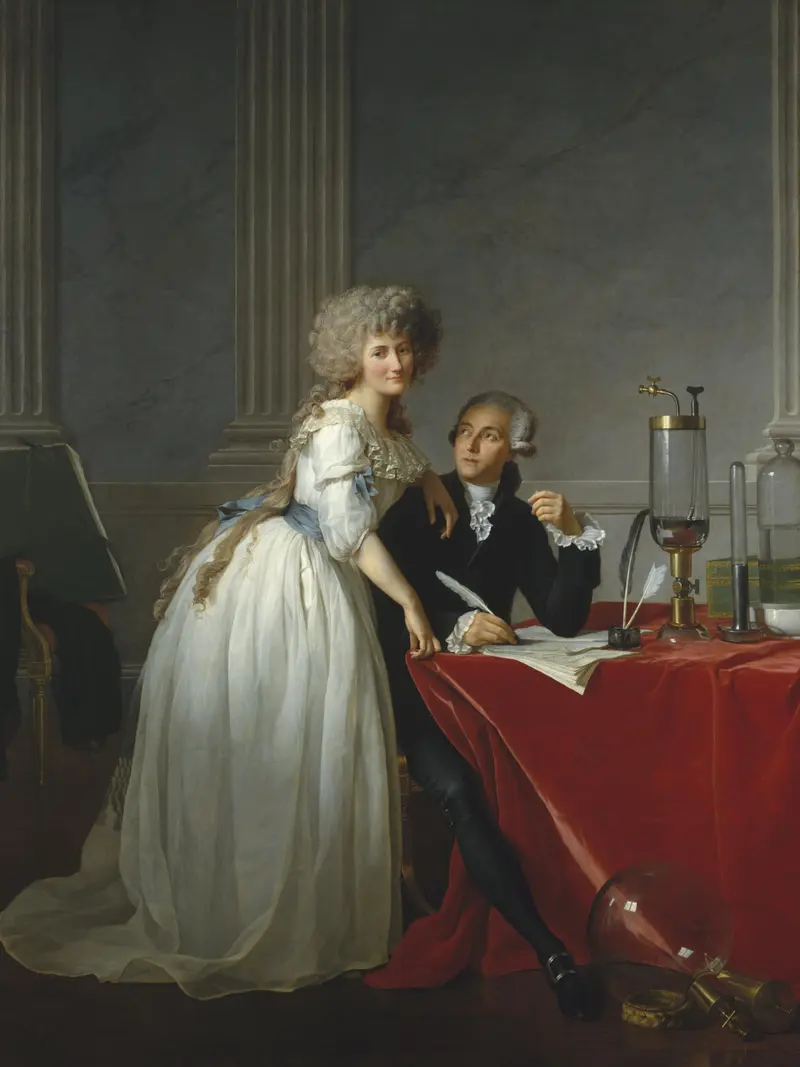
Antoine Laurent Lavoisier (1743–1794) and Marie Anne Lavoisier (Marie Anne Pierrette Paulze, 1758–1836)
Jacques Louis David
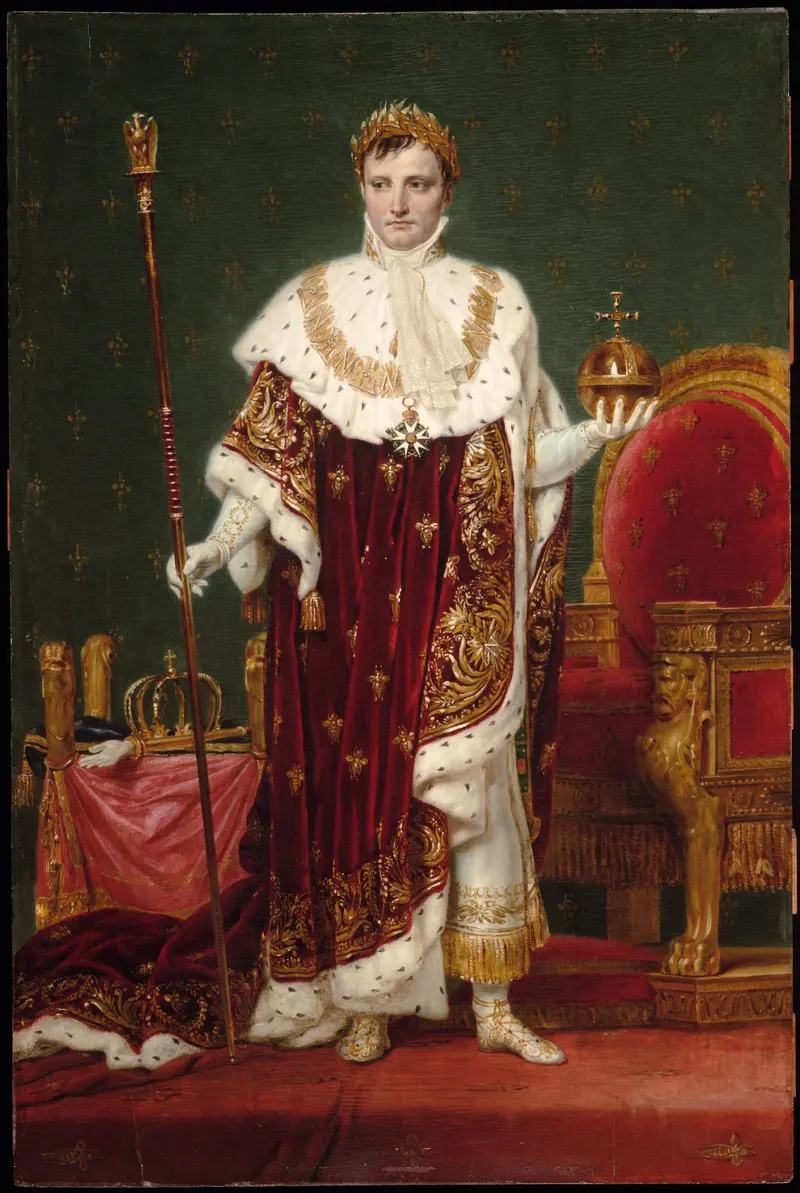
Emperor Napoleon I (1769-1821)
Jacques Louis David
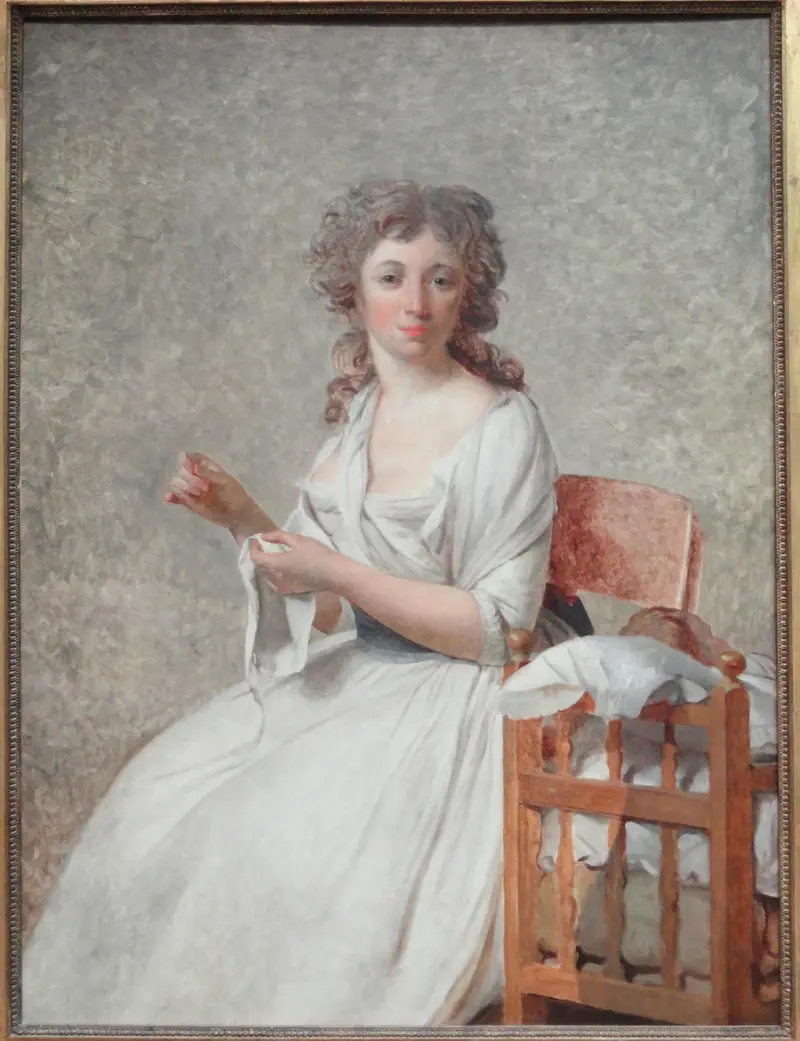
Madame de Pastoret and Her Son
Jacques Louis David





