
The Death Of Seneca — History & Facts
In The Death of Seneca, Jacques Louis David presents a dramatic scene filled with rich colors and emotional intensity. The painting depicts Seneca, the Roman philosopher, surrounded by figures that convey a sense of urgency and despair. The use of dark tones contrasts with the lighter hues of the figures, emphasizing the gravity of the moment.
The setting is intimate, suggesting a private farewell rather than a public spectacle. This painting is executed in oil on canvas, a common medium for David, allowing for detailed textures and vibrant colors. The composition is carefully arranged, with figures positioned to guide the viewer's eye towards Seneca, who is the focal point. David's technique showcases his mastery of light and shadow, enhancing the emotional weight of the scene.
The dimensions are approximately 150 x 200 cm, making it a significant work in size and impact. Jacques Louis David was a leading figure in the Neoclassical movement, known for his historical and mythological subjects. The Death of Seneca reflects his interest in moral themes and the heroic aspects of human experience. Interestingly, this painting was created during a time of political upheaval in France, paralleling the themes of sacrifice and virtue depicted in the artwork.
David's works often served as a commentary on contemporary society, making this piece particularly relevant to his time.
More Artworks by Jacques Louis David
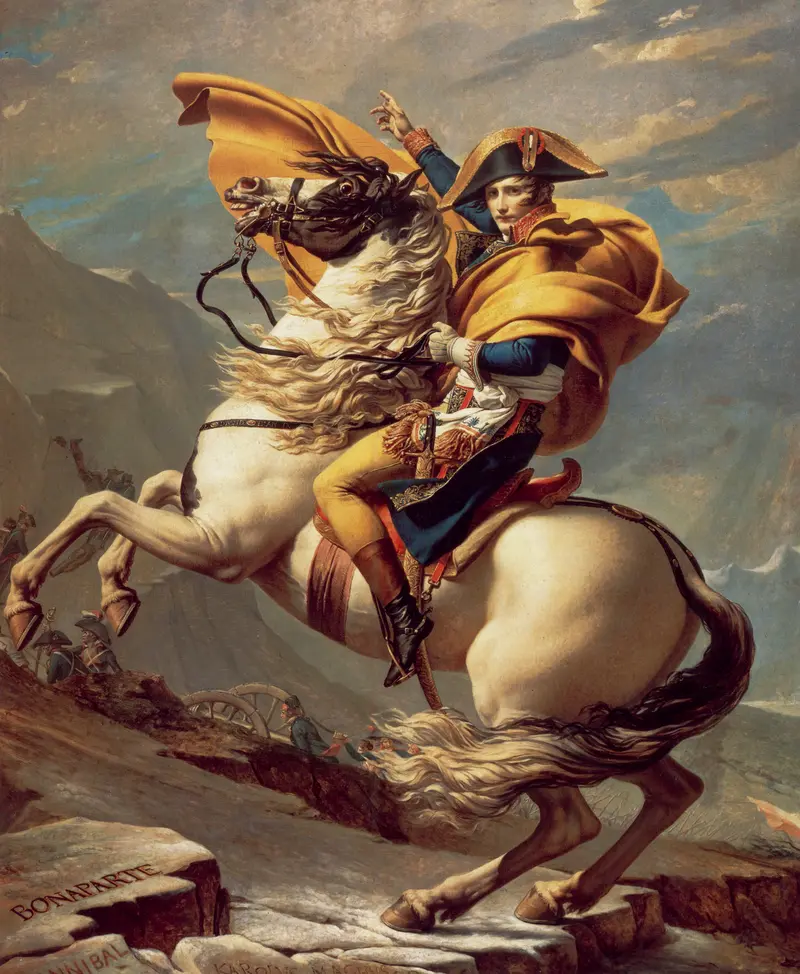
Napoleon Crossing the Alps
Jacques Louis David
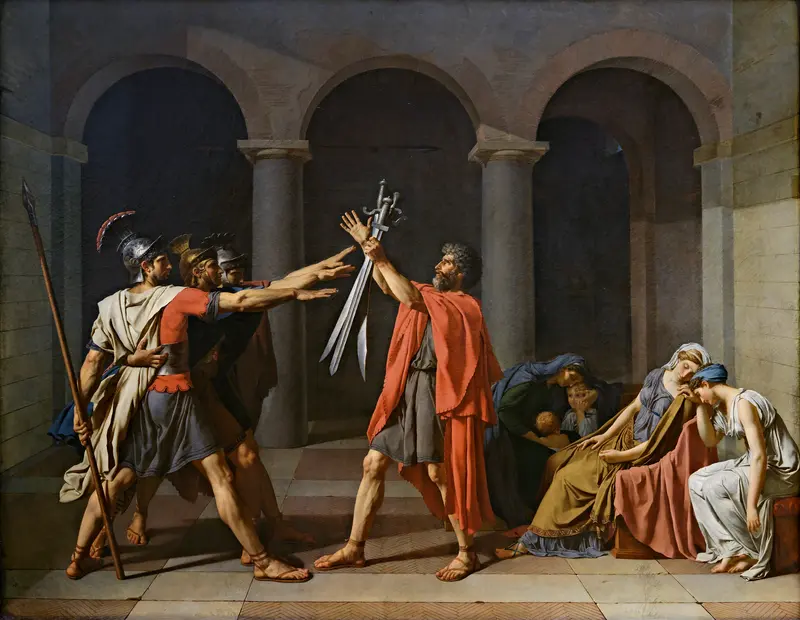
Oath Of The Horatii
Jacques Louis David
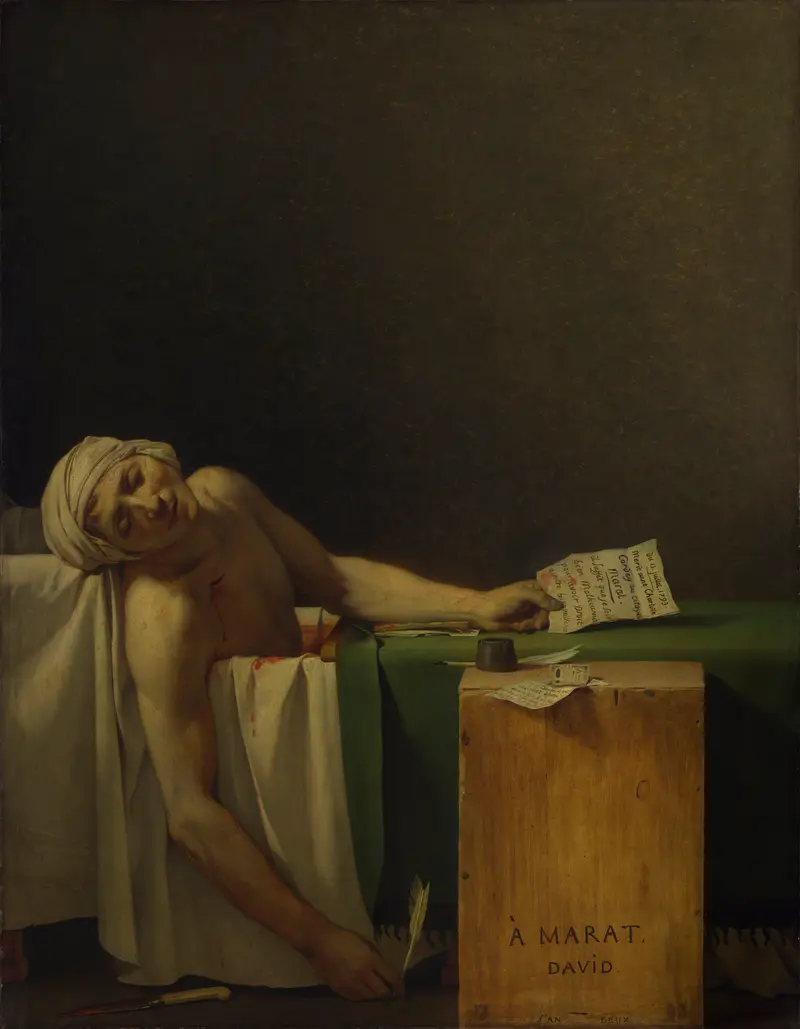
The Death of Marat
Jacques Louis David
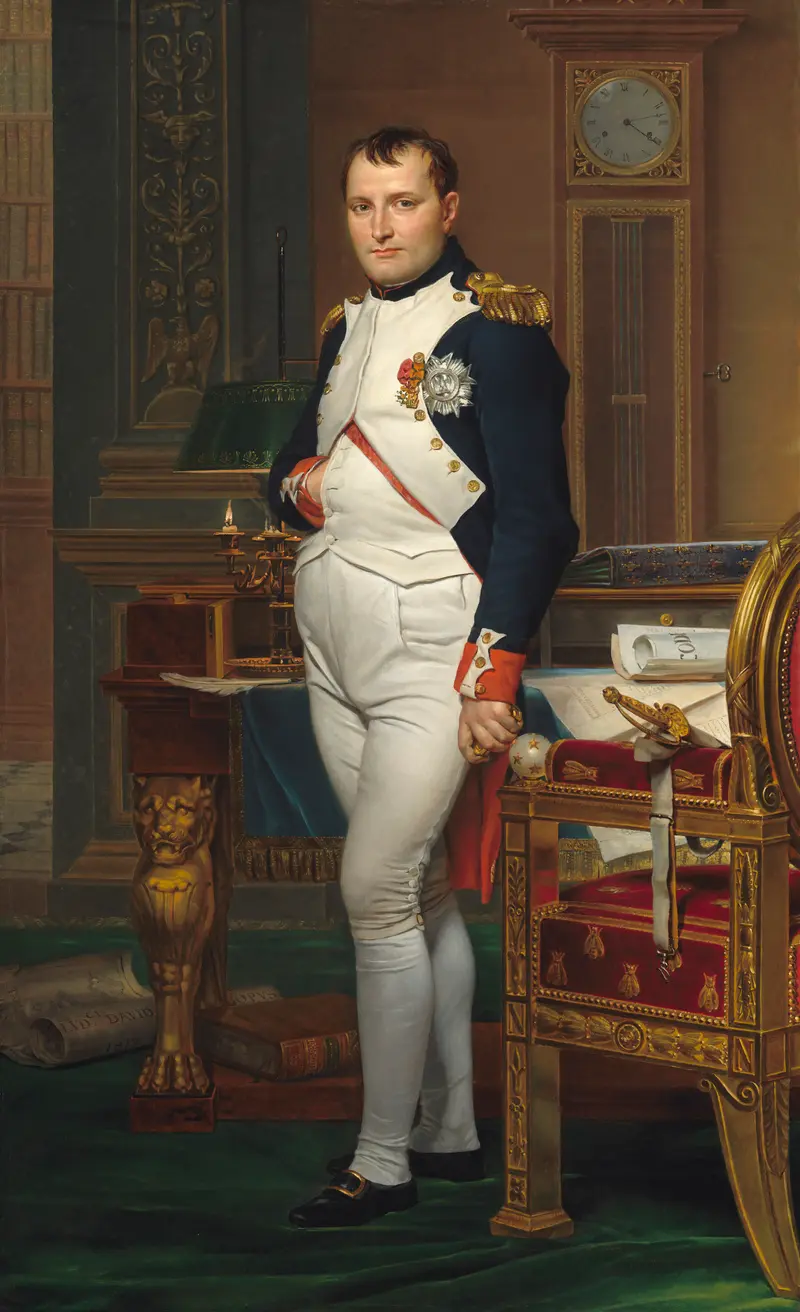
The Emperor Napoleon in His Study at the Tuileries
Jacques Louis David
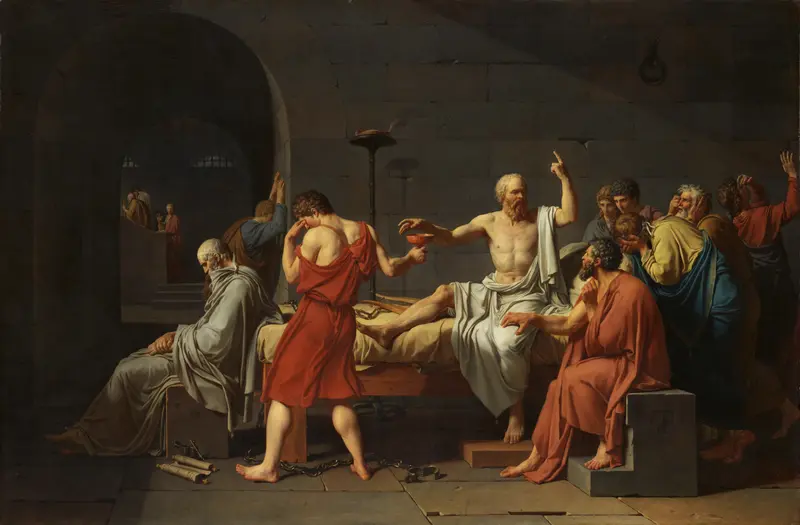
The Death of Socrates
Jacques Louis David
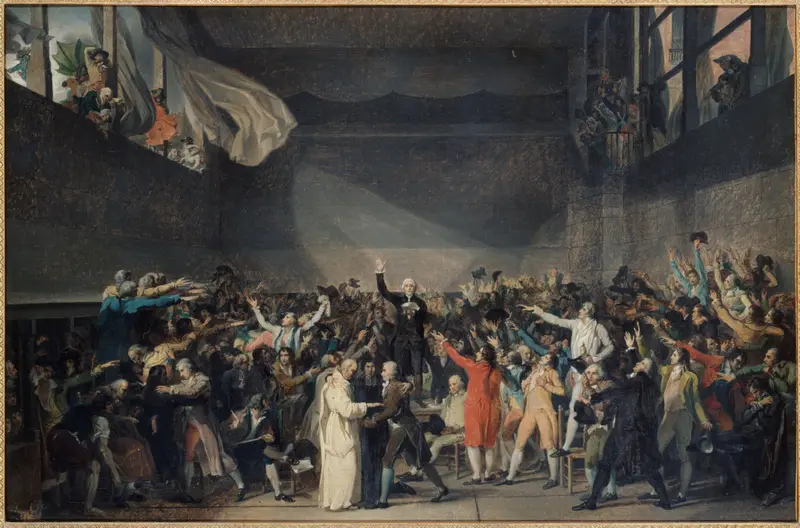
Serment Du Jeu De Paume, Le 20 Juin
Jacques Louis David
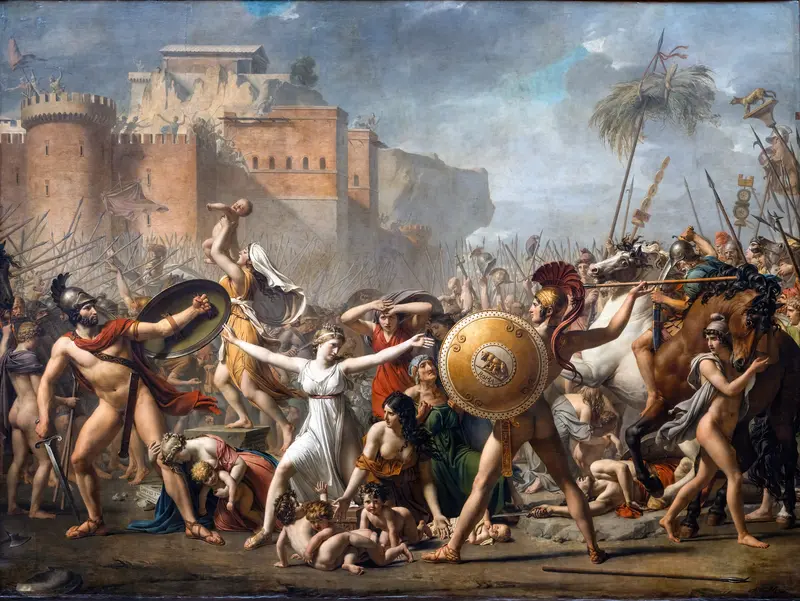
The Intervention Of The Sabine Women
Jacques Louis David
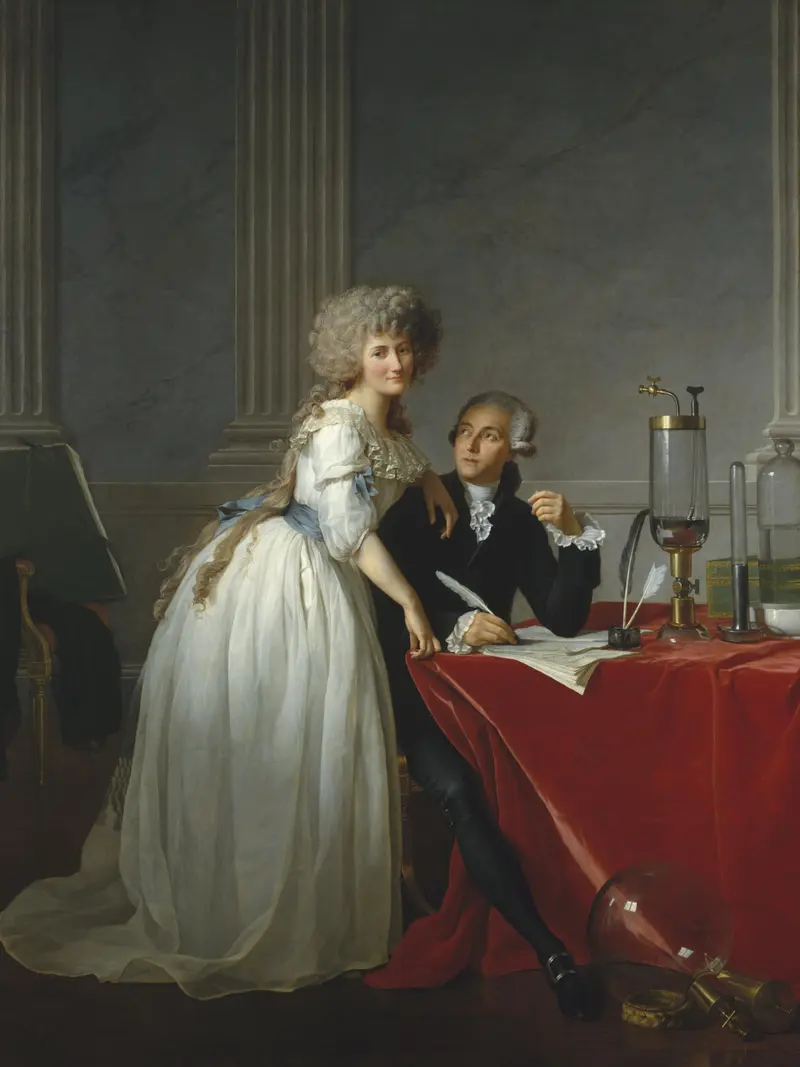
Antoine Laurent Lavoisier (1743–1794) and Marie Anne Lavoisier (Marie Anne Pierrette Paulze, 1758–1836)
Jacques Louis David
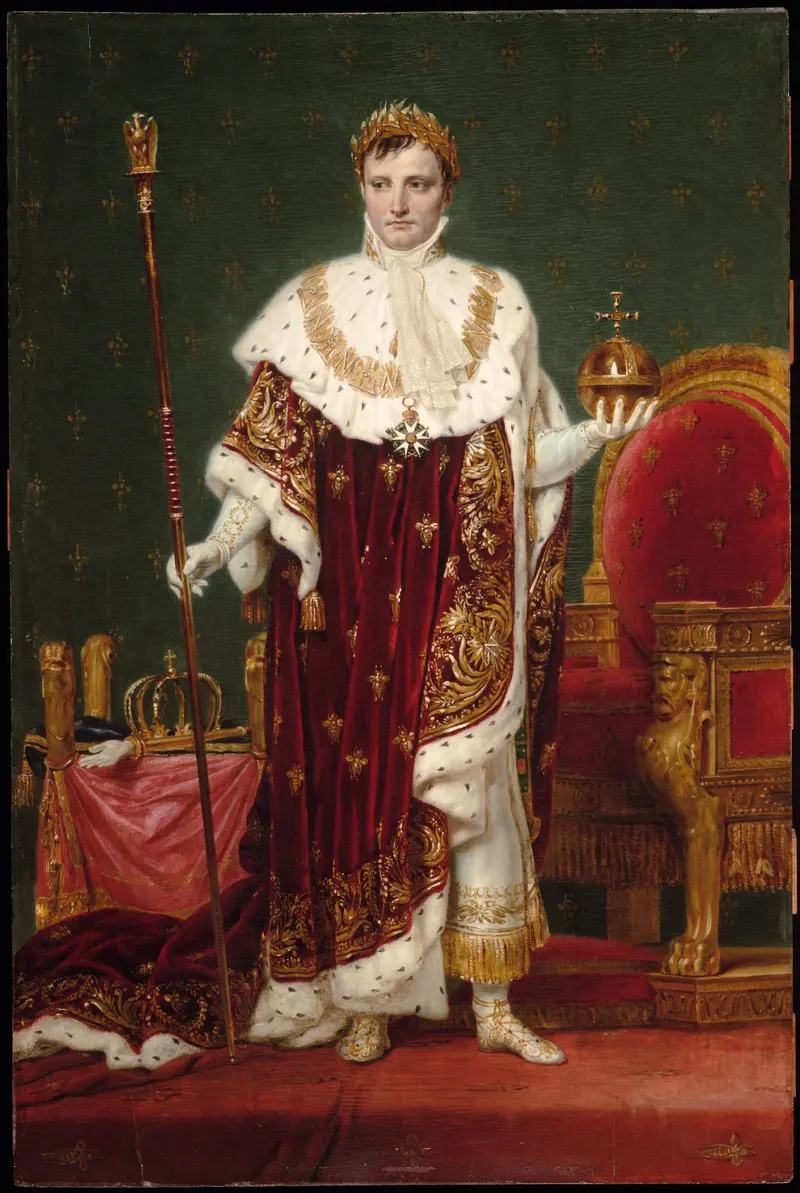
Emperor Napoleon I (1769-1821)
Jacques Louis David
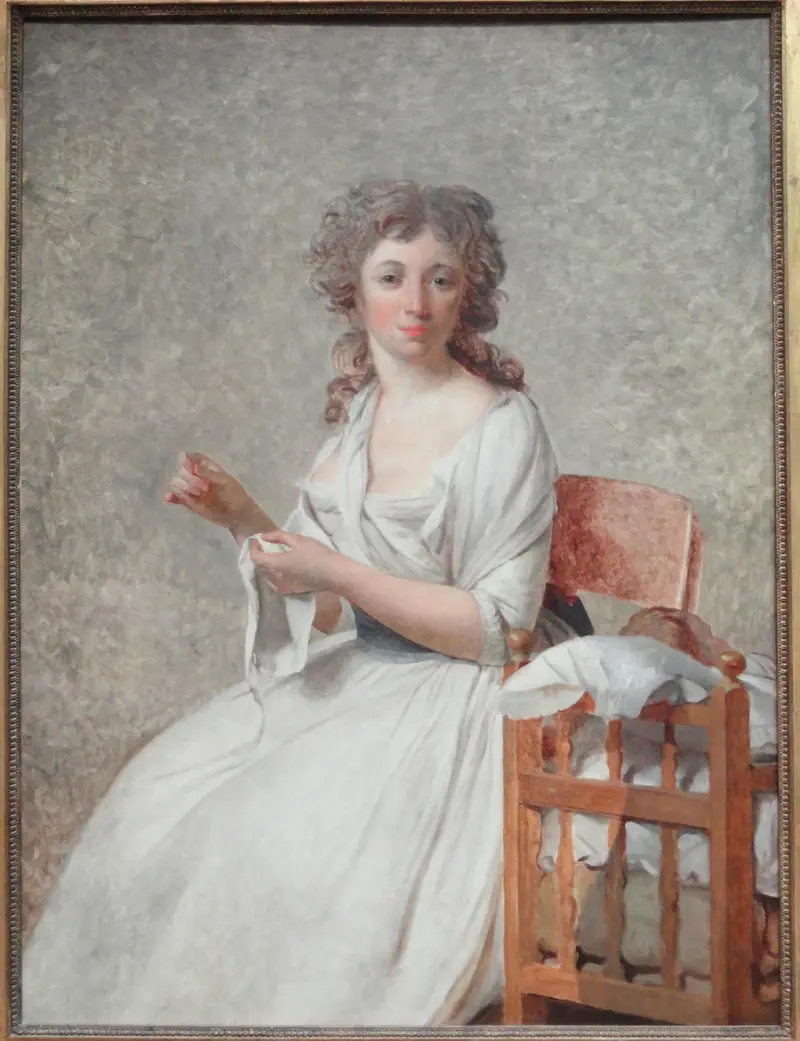
Madame de Pastoret and Her Son
Jacques Louis David





