Discover insights about this artwork
The Denial of St Peter — History & Facts
In The Denial of St Peter, Rembrandt van Rijn presents a dramatic scene filled with deep shadows and warm colors. The figures are depicted in a tense moment, with St. Peter at the center, his expression a mix of fear and denial.
The surrounding characters, cloaked in darkness, add to the atmosphere of betrayal and tension. The use of light highlights Peter's face, drawing the viewer's attention to his emotional turmoil. This painting is an oil on canvas, showcasing Rembrandt's skillful use of chiaroscuro, a technique that contrasts light and dark to create depth. The dimensions are approximately 66 x 85 cm, making it a medium-sized work that invites close inspection.
The brushwork is loose yet deliberate, with visible strokes that add texture to the clothing and background. The composition guides the viewer's eye through the scene, emphasizing the pivotal moment of denial. Rembrandt van Rijn painted this work during the Dutch Golden Age, a period marked by great artistic achievement. This painting illustrates a key moment from the New Testament, where St.
Peter denies knowing Jesus. An interesting fact about this work is that it reflects Rembrandt's own struggles with faith and personal loss, making it not just a biblical scene but also a reflection of the artist's inner life.
More Artworks by Rembrandt van Rijn
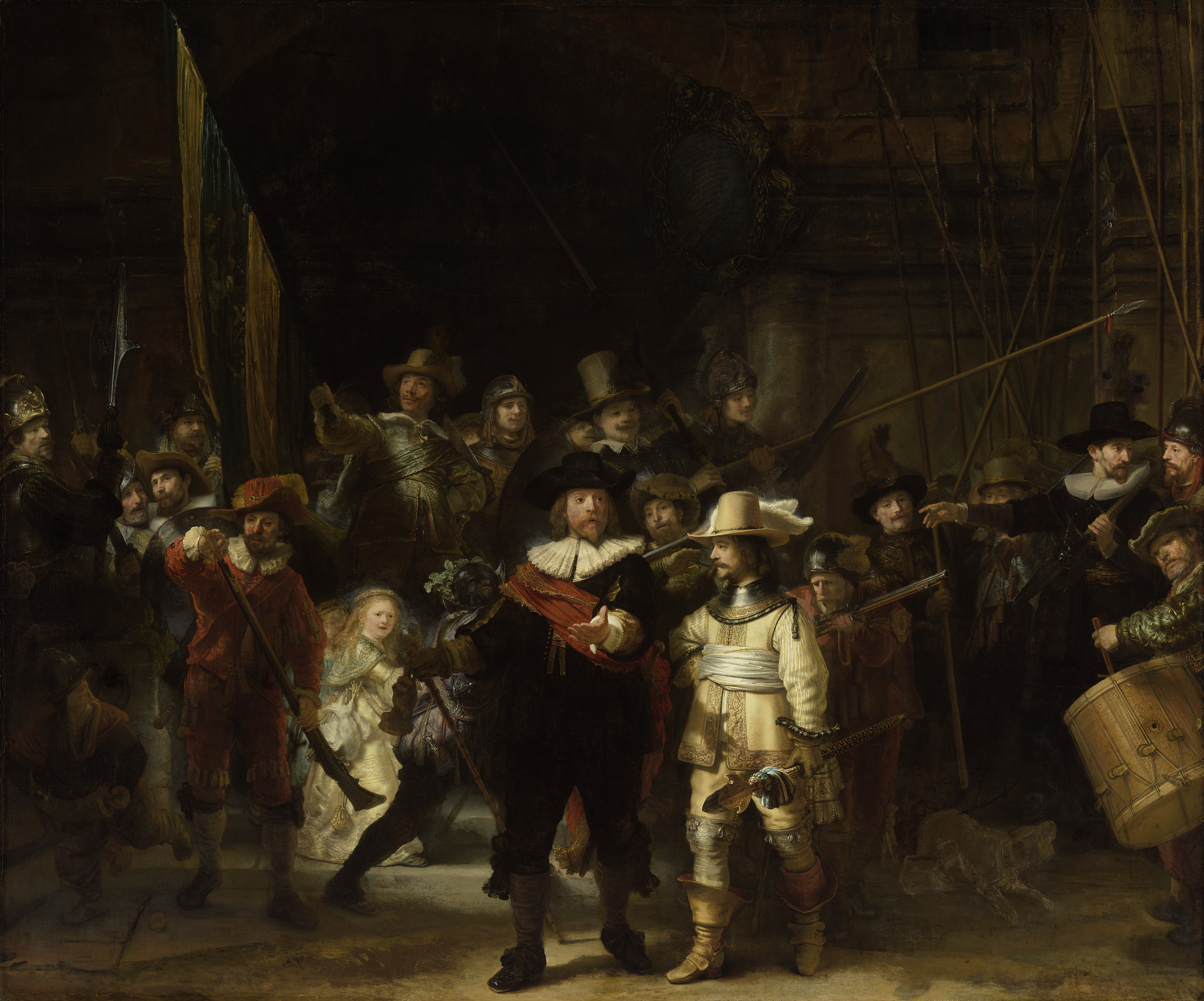
The Night Watch Militia Company of District II under the Command of Captain Frans Banninck Cocq
Rembrandt van Rijn
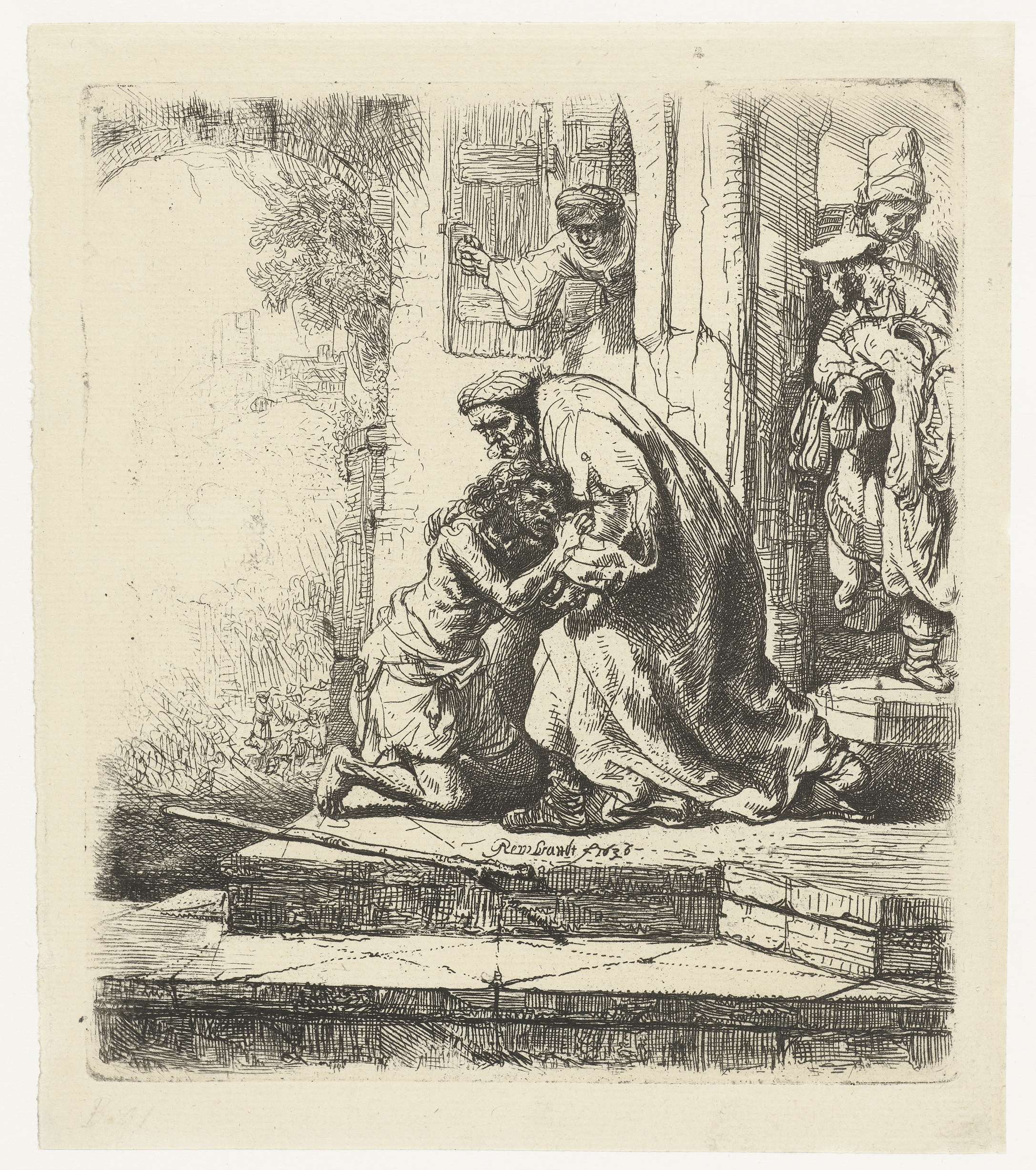
The Return of the Prodigal Son
Rembrandt van Rijn
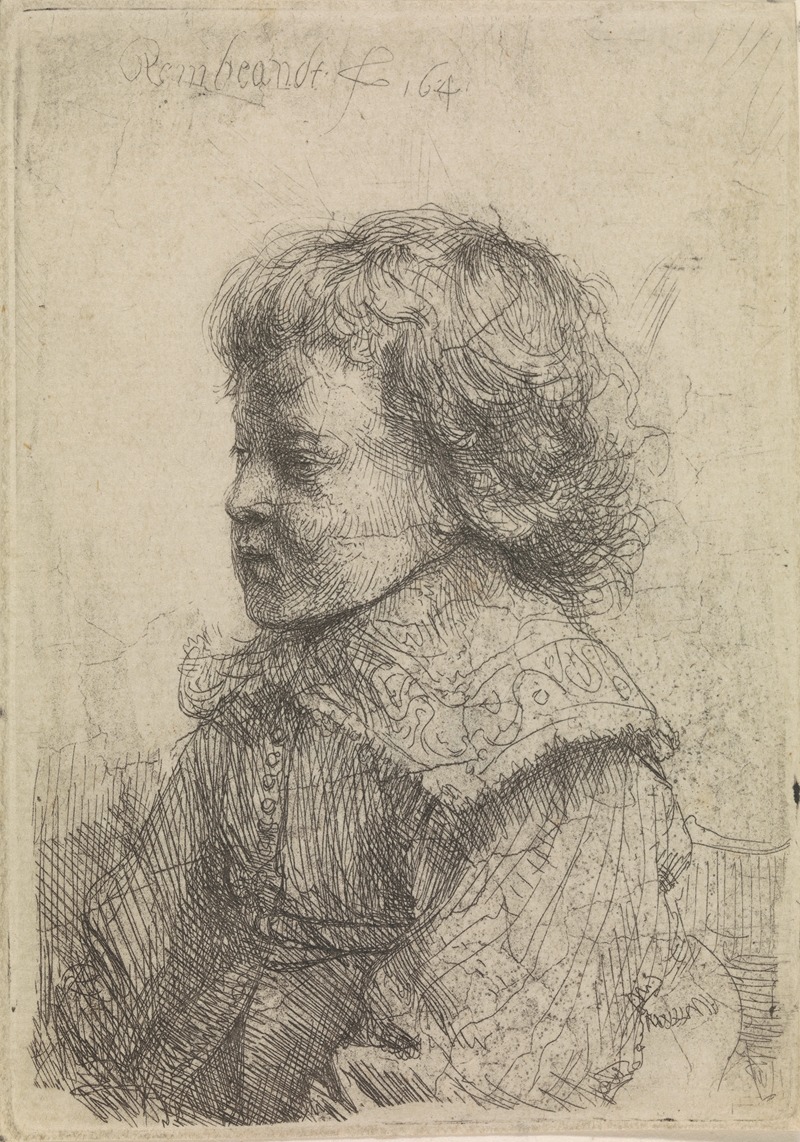
Portrait of a boy in profile
Rembrandt van Rijn
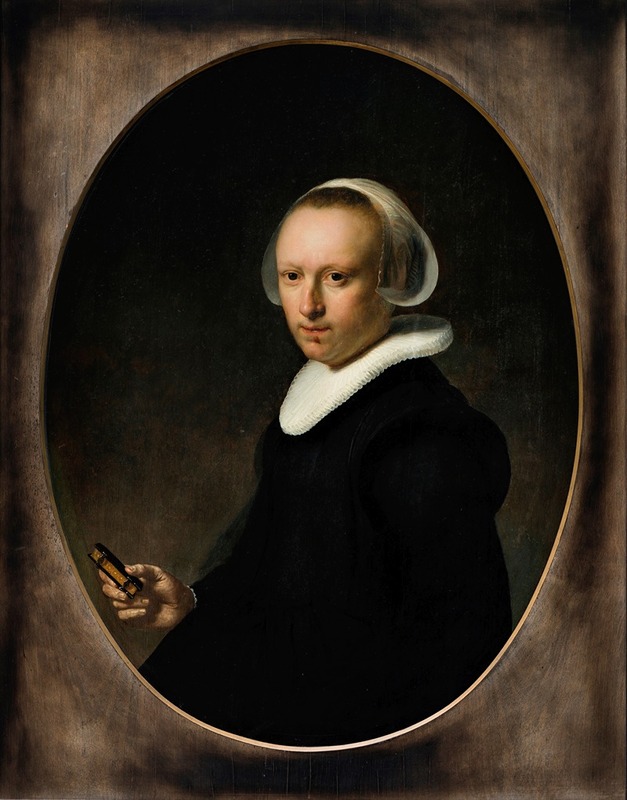
Portrait of a 39-year-old Woman
Rembrandt van Rijn
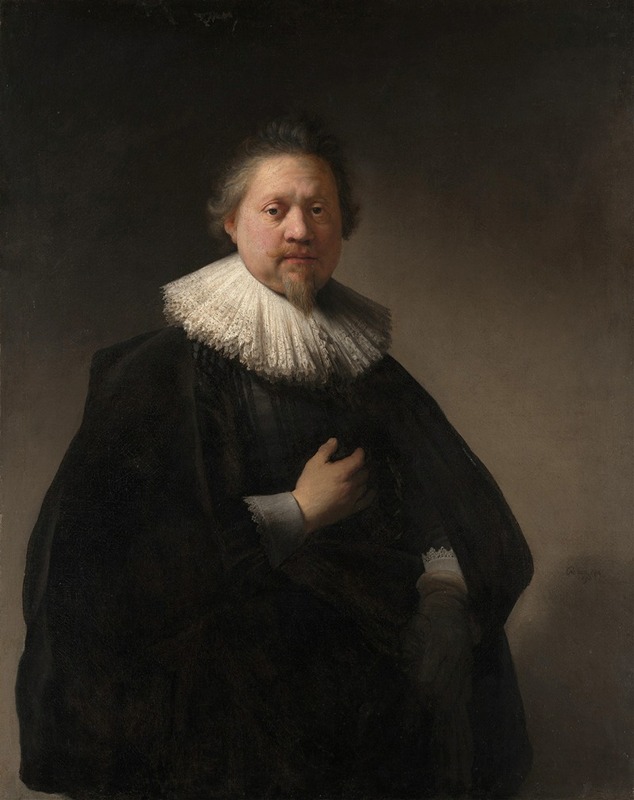
Portrait of a Man
Rembrandt van Rijn
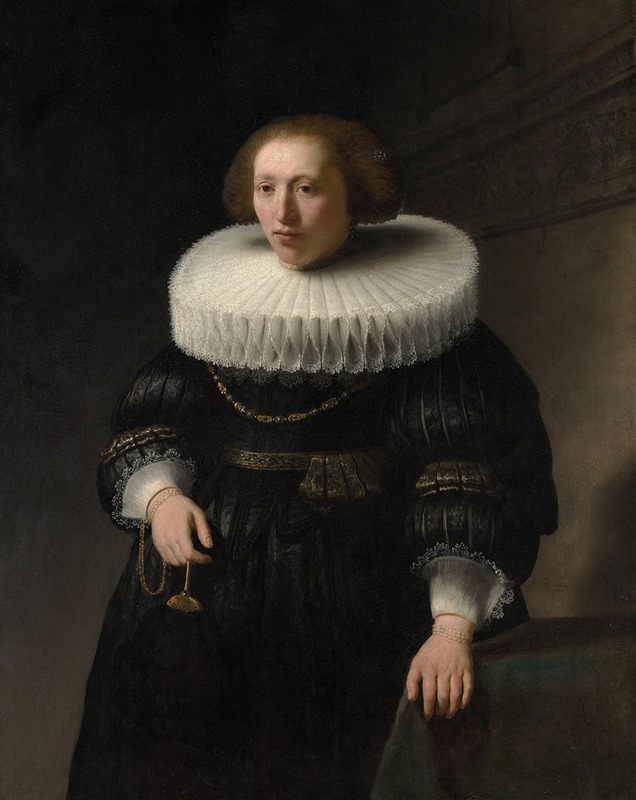
Portrait of a Woman
Rembrandt van Rijn
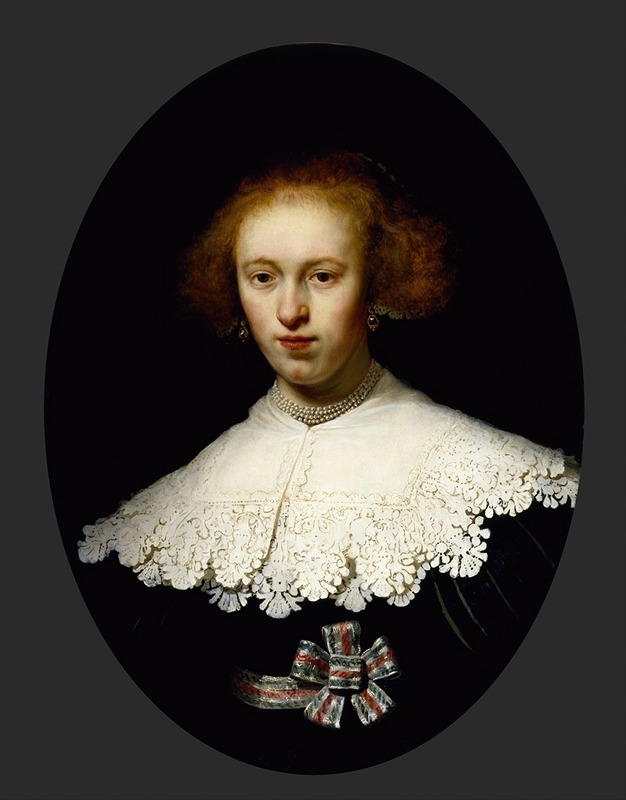
Portrait of a Young Woman
Rembrandt van Rijn
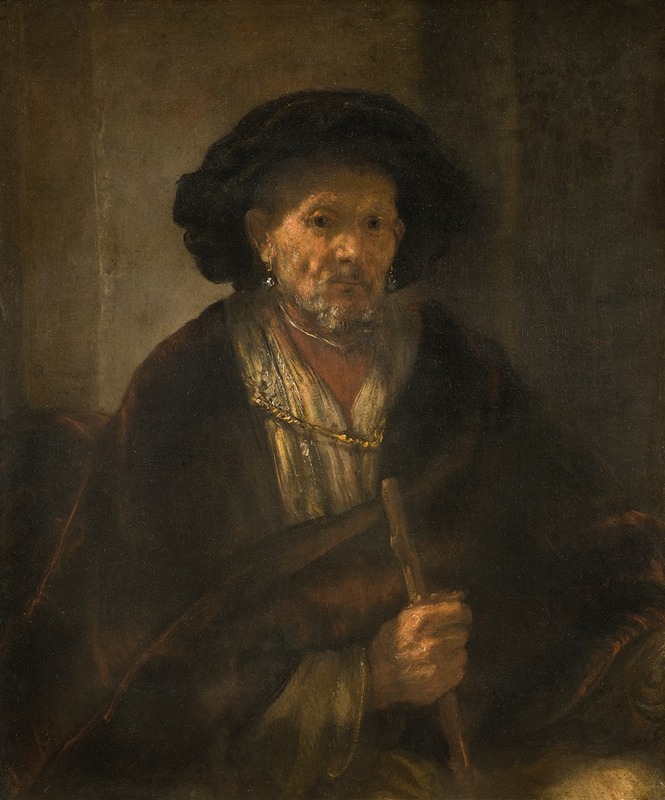
Portrait of an Old Man
Rembrandt van Rijn
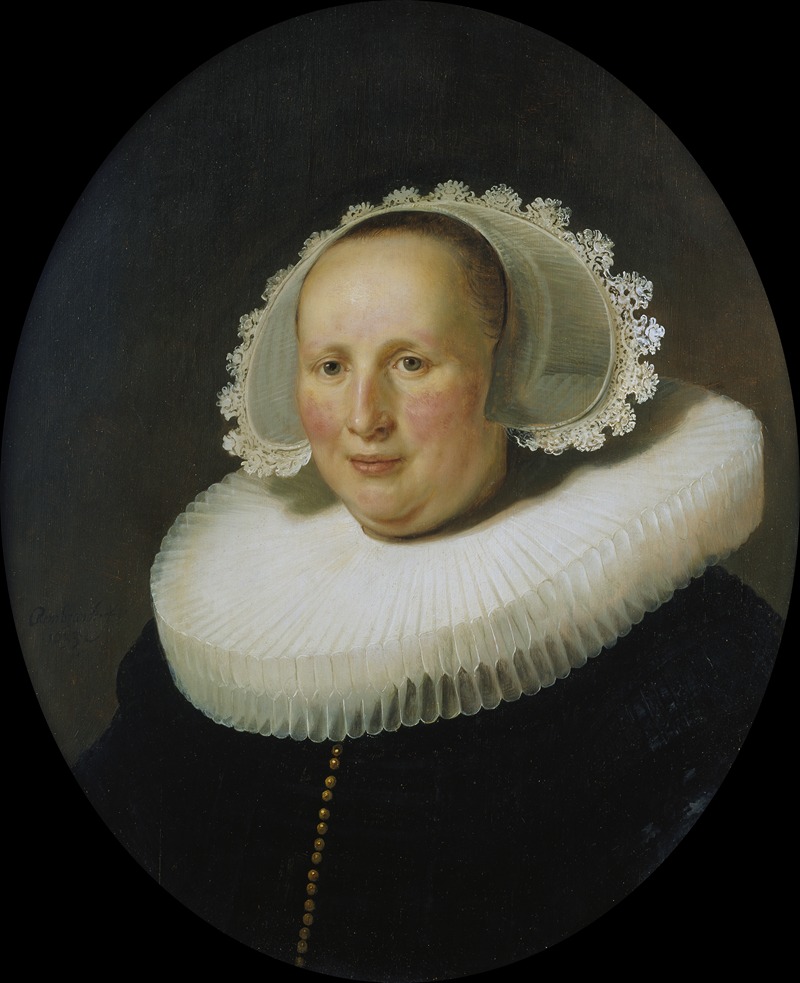
Portrait of Maertgen van Bilderbeecq
Rembrandt van Rijn
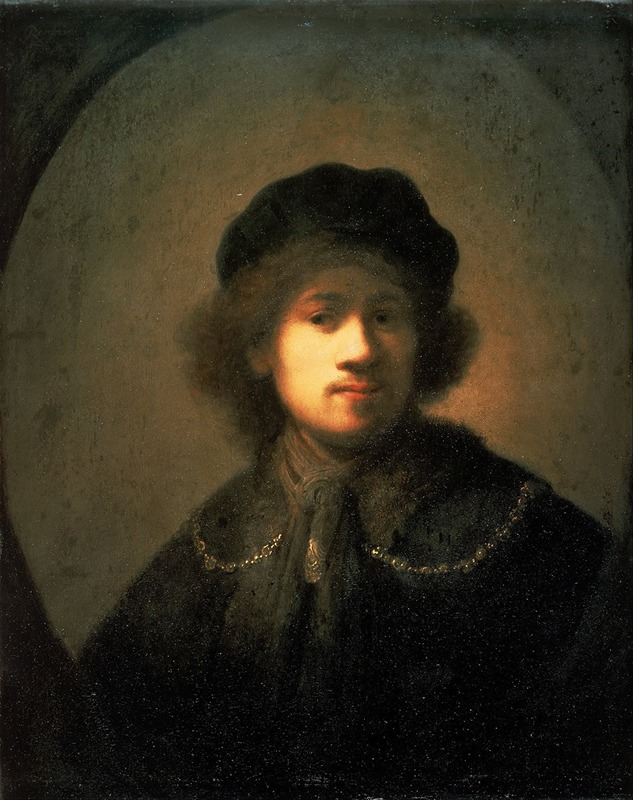
Portrait of the Artist as a Young Man
Rembrandt van Rijn