The Display on the Return to Dulnon Camp, August 1786 — History & Facts
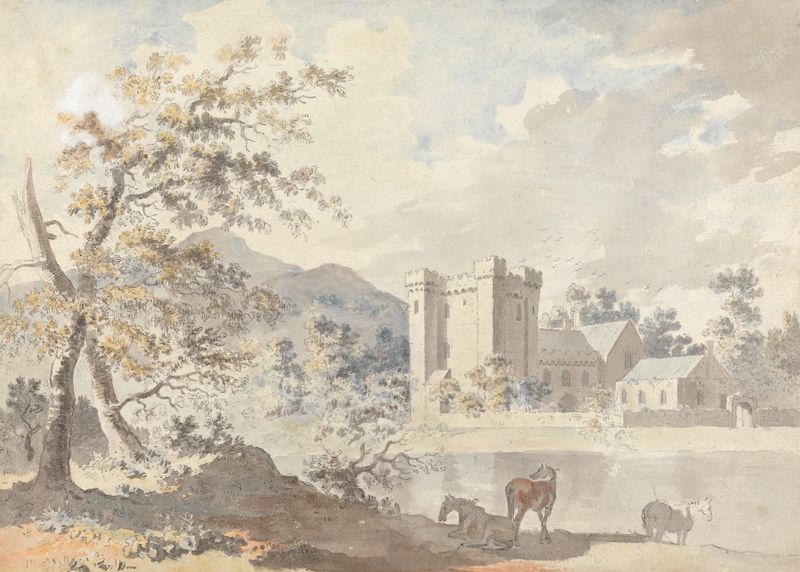
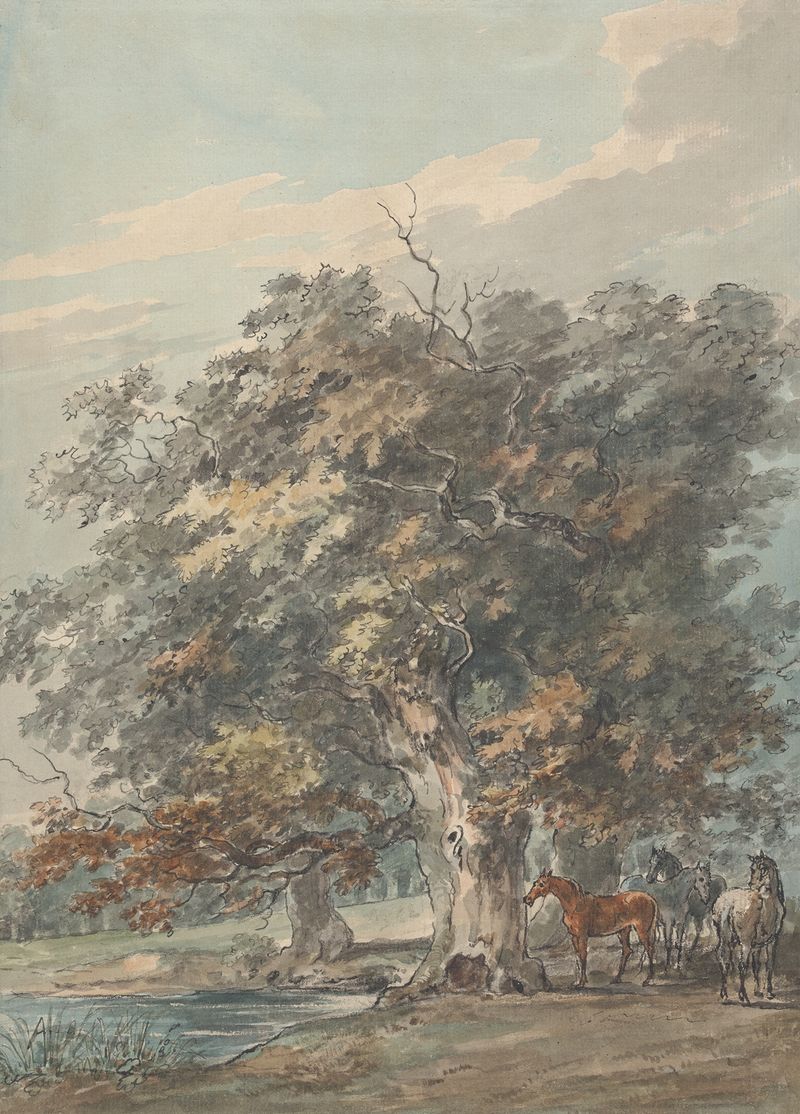
What if beauty was never meant to be finished? In The Display on the Return to Dulnon Camp, the ethereal quality of color invites us to ponder this very question, evoking a sense of wonder that transcends the moment captured. Look closely at the vibrant palette that envelopes the scene; the lush greens of the landscape create a harmonious backdrop for the figures. Focus on the textured brushstrokes that delineate the horses and their riders, each stroke pulsating with life. Notice how the warm light catches the glistening coats of the animals, casting playful shadows that dance across the ground, suggesting movement and energy as they return to camp. Yet, beneath the surface beauty lies a deeper emotional tension that reflects the duality of nature's wildness and the order of human endeavor.
The juxtaposition of the exuberant colors and the structured formation of the riders hints at the delicate balance between civilization and untamed wilderness. The scattered wildflowers at the forefront serve as a reminder of the fleeting moments of spontaneity in an otherwise regimented world. Sawrey Gilpin created this piece during a period when the Romantic movement was gaining momentum in the late 18th century. The artist was known for his keen observations of animals and rural life, often painting in England's picturesque landscapes.
This work, though undated, likely reflects his fascination with the intersection of humanity and nature at a time when the exploration of individual experience in art was becoming increasingly significant.