
The Doge’s Palace — History & Facts
Under the brush, chaos becomes grace. What does beauty truly mean when it is entwined with the essence of a city’s heart and soul? Look closely at the elegant arches of the Doge’s Palace, where light spills through like liquid gold, illuminating the textured surfaces of the stone. The artist skillfully captures every minute detail, from the intricate sculptural adornments to the rippling waters of the adjacent canals.
Notice how the soft hues of soft beige and pale pink blend seamlessly, creating an atmosphere that feels both timeless and ephemeral, inviting you to step into a Venetian dreamscape. The juxtaposition of solidity and fluidity in the work is striking. The steadfastness of the palace stands in contrast to the shimmering reflections on the water, suggesting a deeper harmony between human creation and nature. The interplay of light and shadow suggests a transient moment—an eternal dance between the physical world and the ephemeral beauty of a sunset.
Each brushstroke seems to whisper stories of history, power, and the fleeting nature of life along the waterways of Venice. James Holland painted this remarkable piece during the 19th century, a time when he was deeply entrenched in capturing the essence of landscapes and architecture. As an artist who traveled extensively, he was inspired by the romantic visions of Venice, a city that had captivated many before him. This period in art saw a growing interest in realism and the beauty of everyday life, and Holland’s work reflects that passion with an impressive mastery of light and form.
More Artworks by James Holland
Browse all →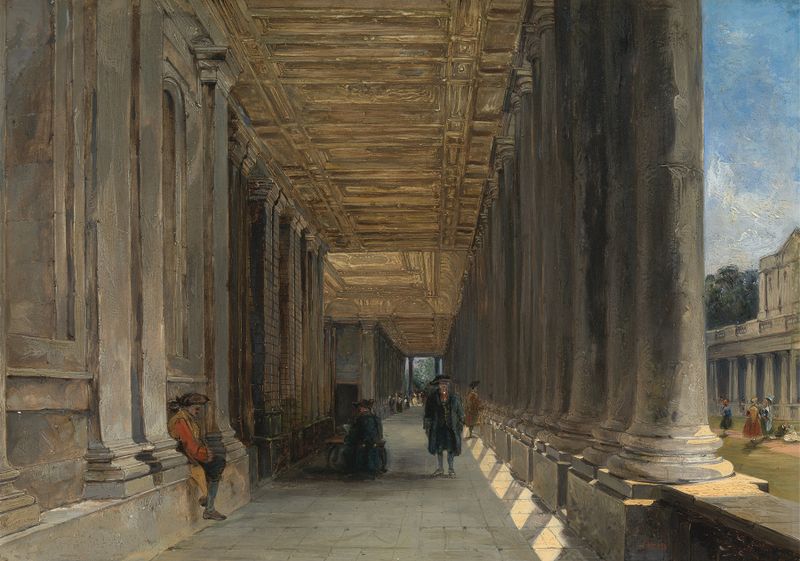
The Colonnade of Queen Mary’s House, Greenwich
James Holland
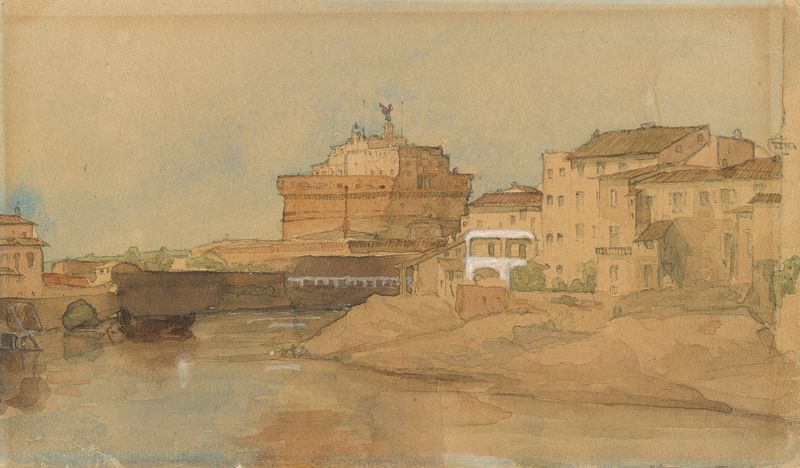
View of Castel Sant’ Angelo from the Tiber
James Holland
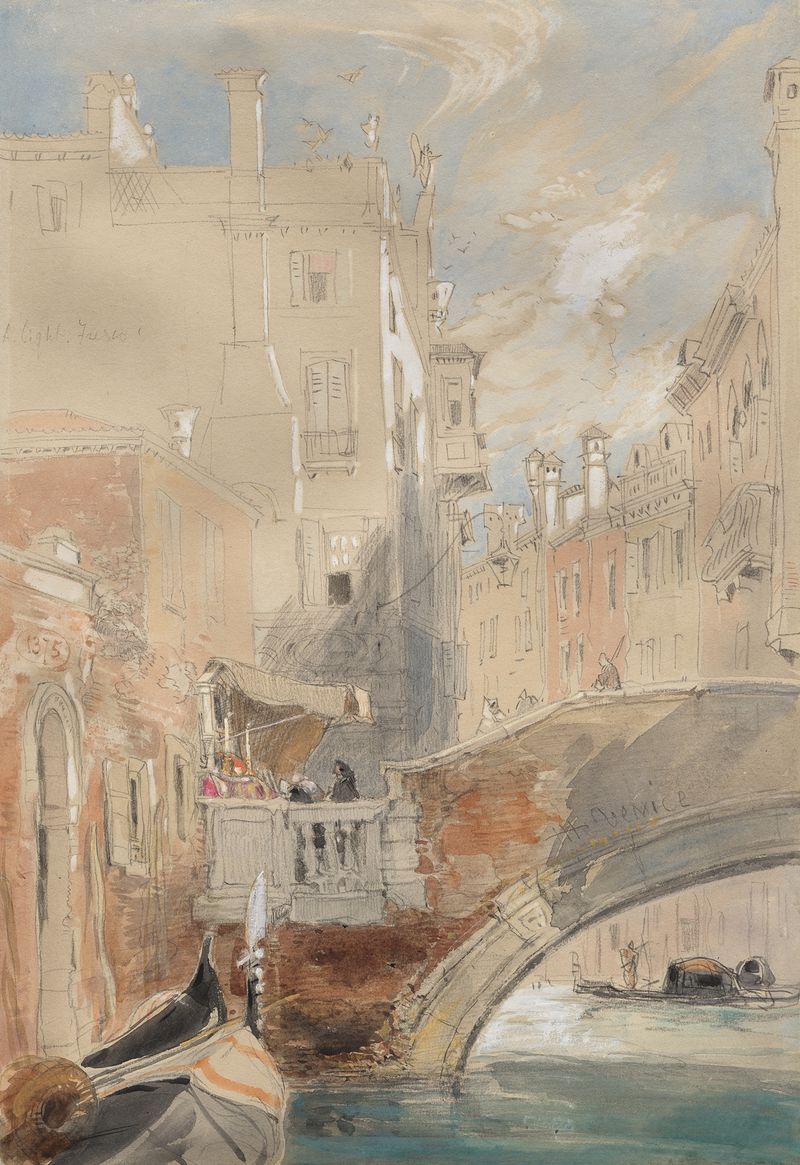
A Canal, Venice
James Holland
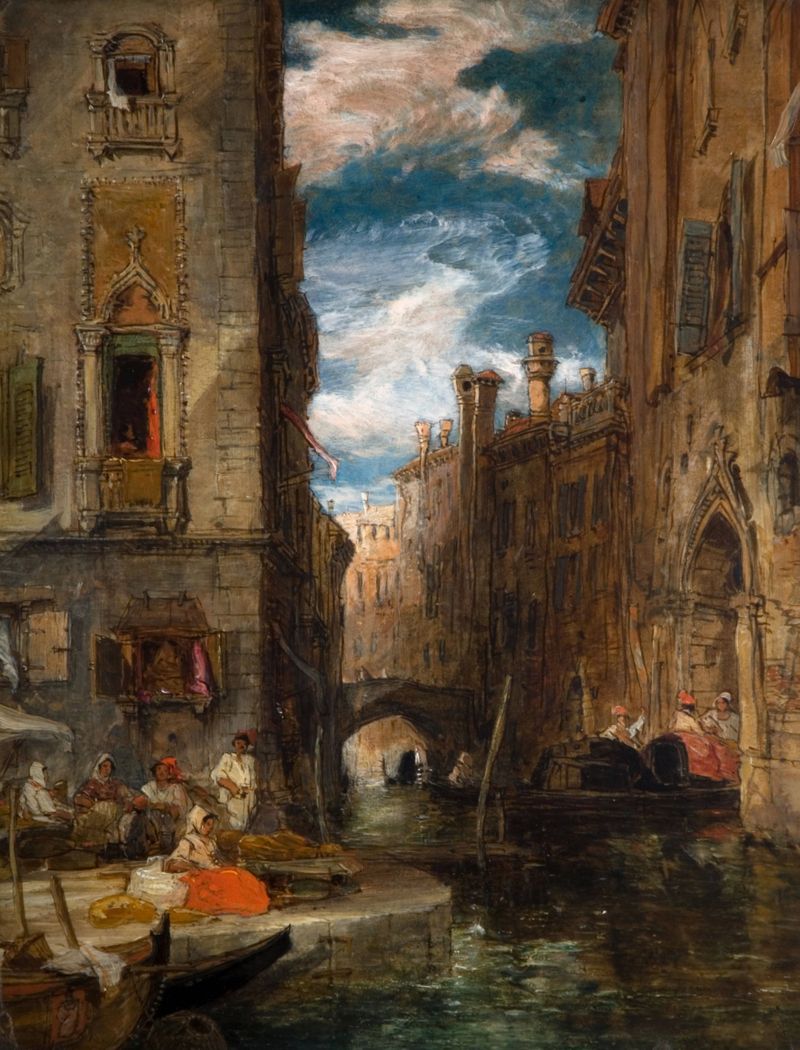
A Recollection Of Venice
James Holland
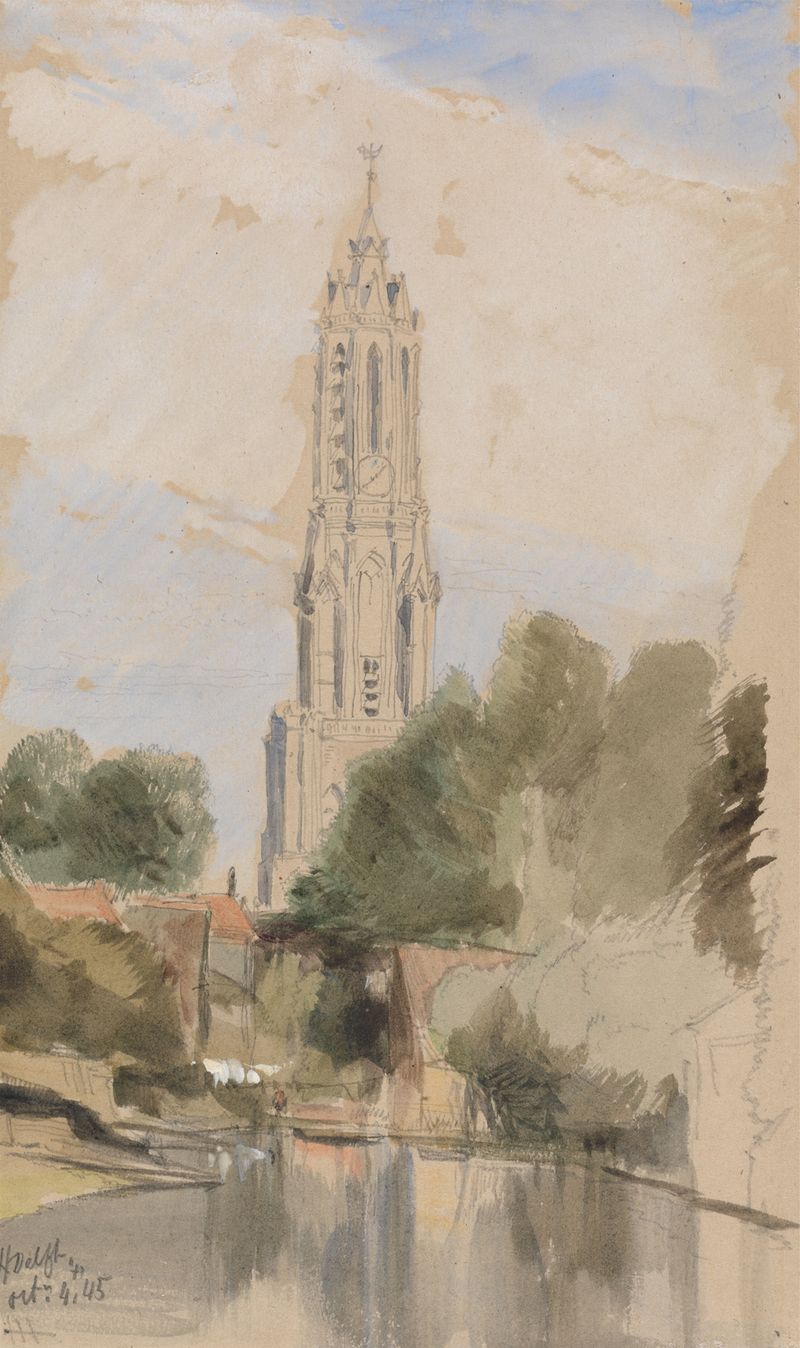
Delft
James Holland
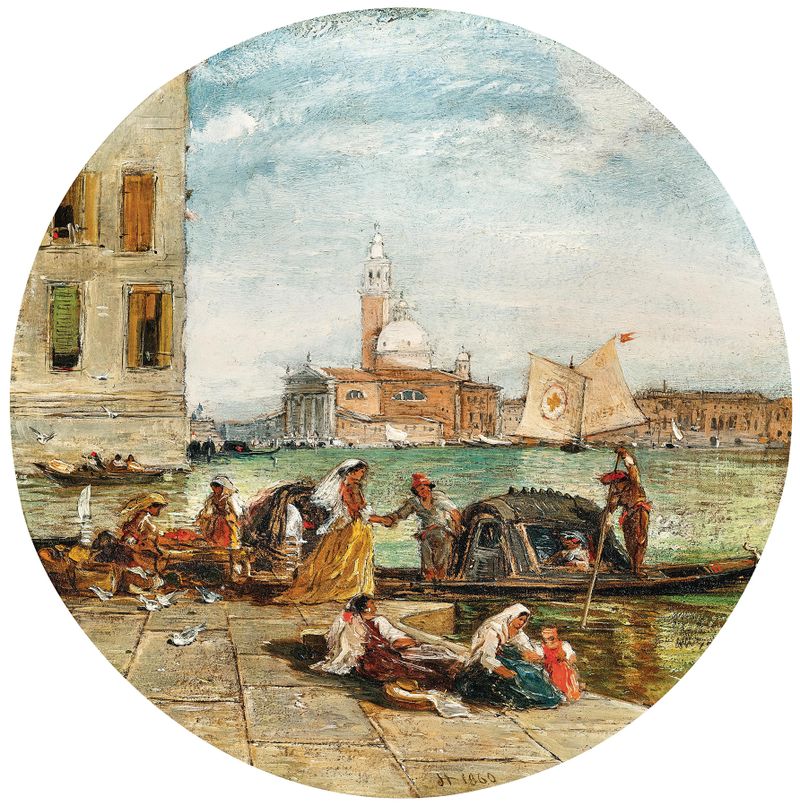
Venice, a view of San Giorgio Maggiore
James Holland
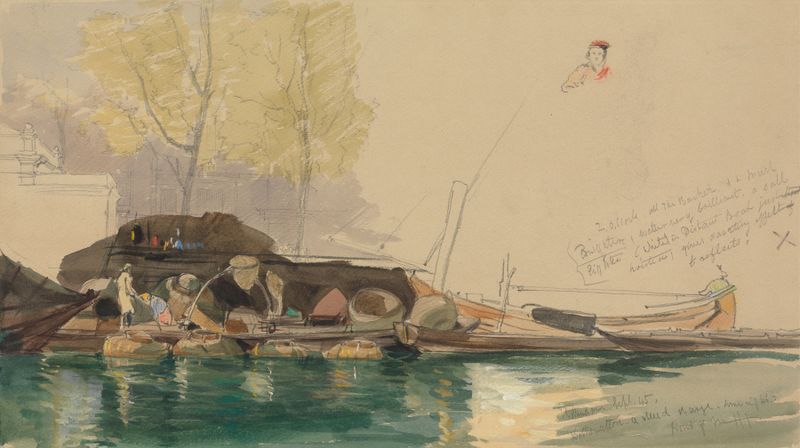
Barges on a Canal in Rotterdam
James Holland

Landschap bij Sintra, Portugal
James Holland
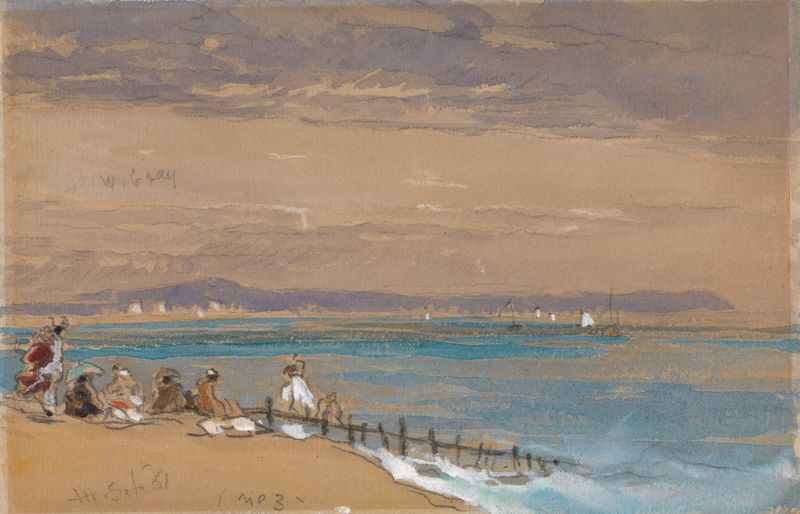
Beach Scene with Figures by a Breakwater
James Holland
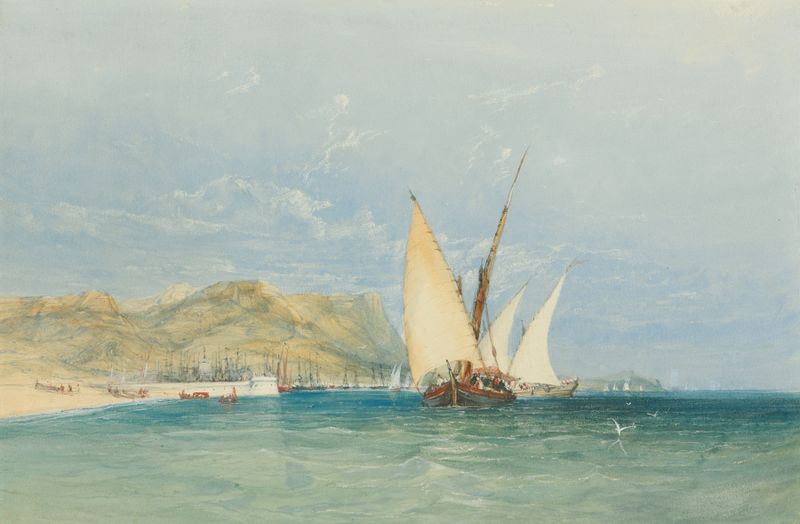
Coast Scene with Sailing Boats
James Holland
More Architecture Art
Browse all →
The statue of Liberty
Frédéric Auguste Bartholdi

View of Houses in Delft, Known as ‘The Little Street’
Johannes Vermeer

View of Houses in Delft, Known as ‘The Little Street’
Johannes Vermeer

The Cathedral in Rouen. The portal, Grey Weather
Claude Monet

The yellow house
Vincent van Gogh

The Church in Auvers-sur-Oise, View from the Chevet
Vincent van Gogh