Discover insights about this artwork
The Donkey of the Prophet Balaam — History & Facts
In The Donkey of the Prophet Balaam, we see a dramatic scene filled with rich browns, deep greens, and soft golds. The donkey stands at the center, looking up with a mix of curiosity and concern. Surrounding it are figures that embody a sense of urgency and tension, likely representing the prophet and his companions.
The background features a landscape that suggests a journey, enhancing the narrative of the painting. The painting is executed in oil on canvas, a medium that allows for the deep, layered colors that Rembrandt is known for. The brushwork is expressive, with visible strokes that add texture to the figures and the donkey's fur. The composition draws the viewer's eye towards the donkey, emphasizing its importance in the biblical story.
The use of light and shadow is characteristic of Rembrandt's style, creating a dramatic effect. Rembrandt van Rijn, a prominent figure of the Dutch Golden Age, often explored biblical themes in his work. The Donkey of the Prophet Balaam is a lesser-known piece that showcases his ability to convey emotion through animals. Interestingly, this painting reflects the artist's interest in the intersection of the human and animal worlds, a theme he revisited throughout his career.
It is currently housed in the Rijksmuseum, a fitting location for such a significant work.
More Artworks by Rembrandt van Rijn
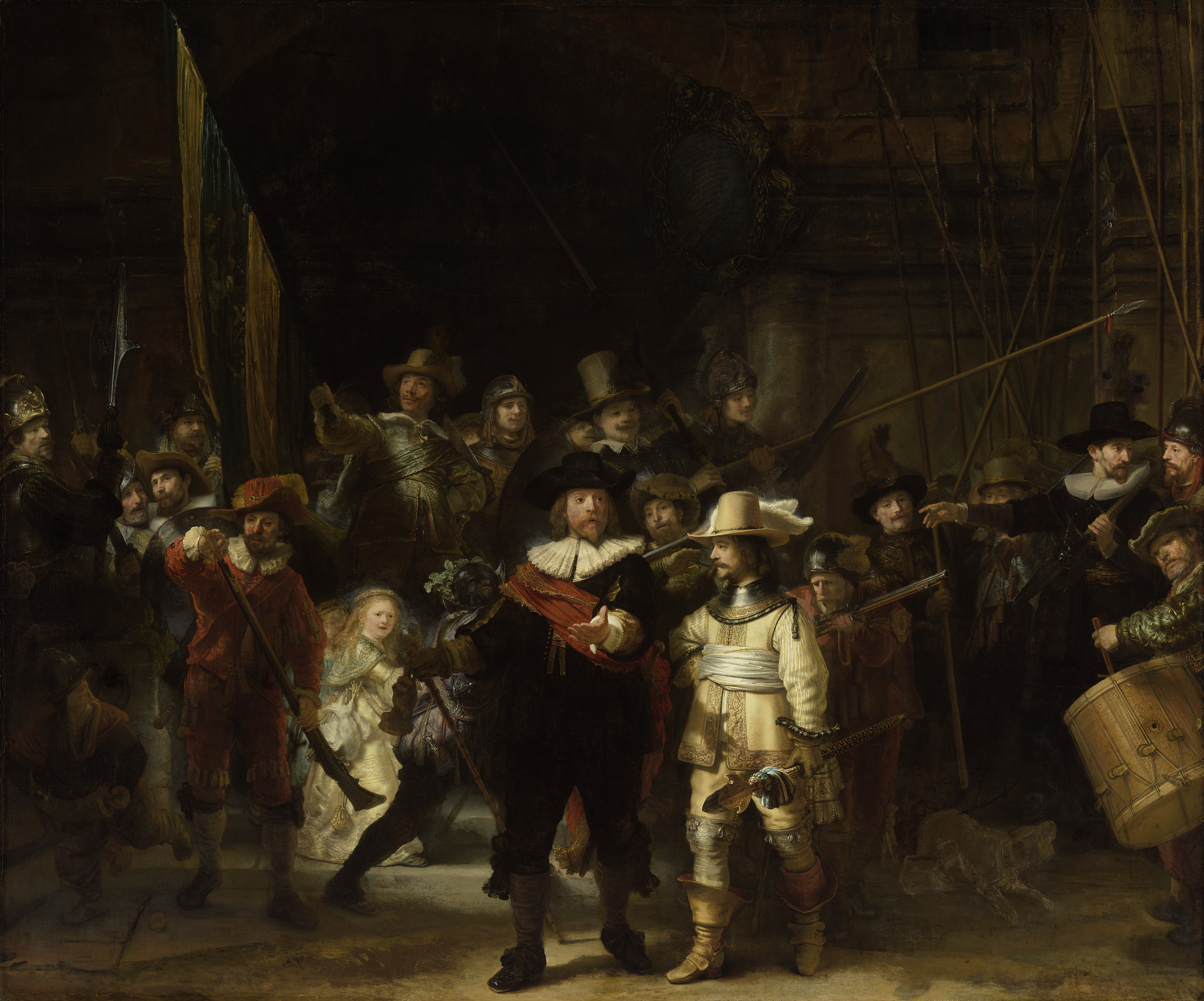
The Night Watch Militia Company of District II under the Command of Captain Frans Banninck Cocq
Rembrandt van Rijn
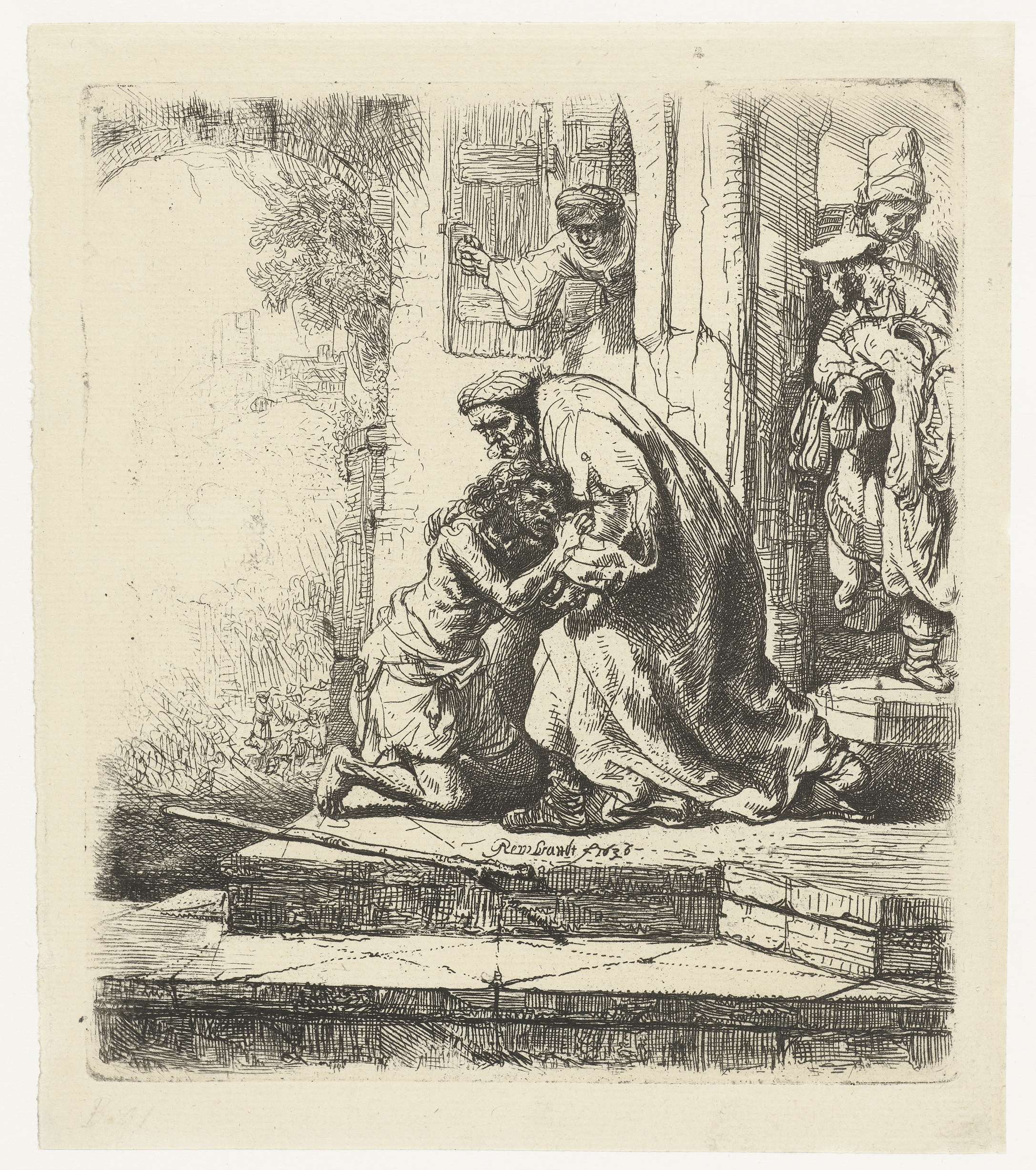
The Return of the Prodigal Son
Rembrandt van Rijn
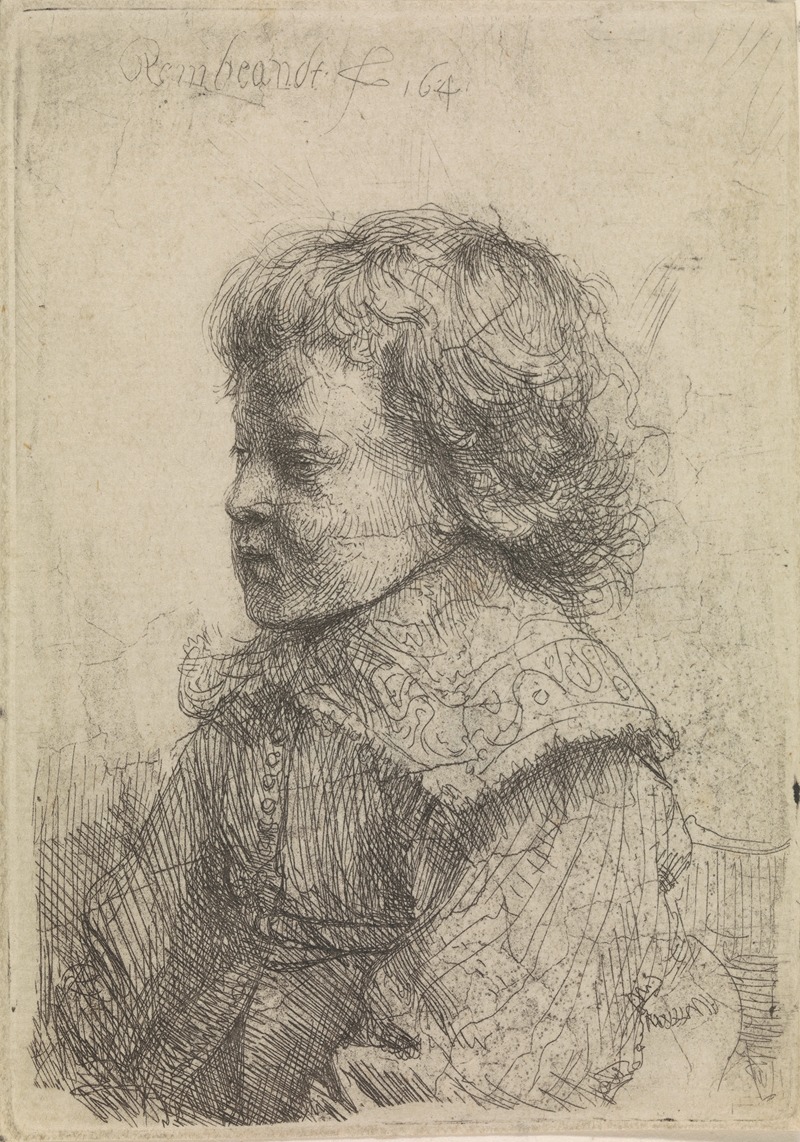
Portrait of a boy in profile
Rembrandt van Rijn
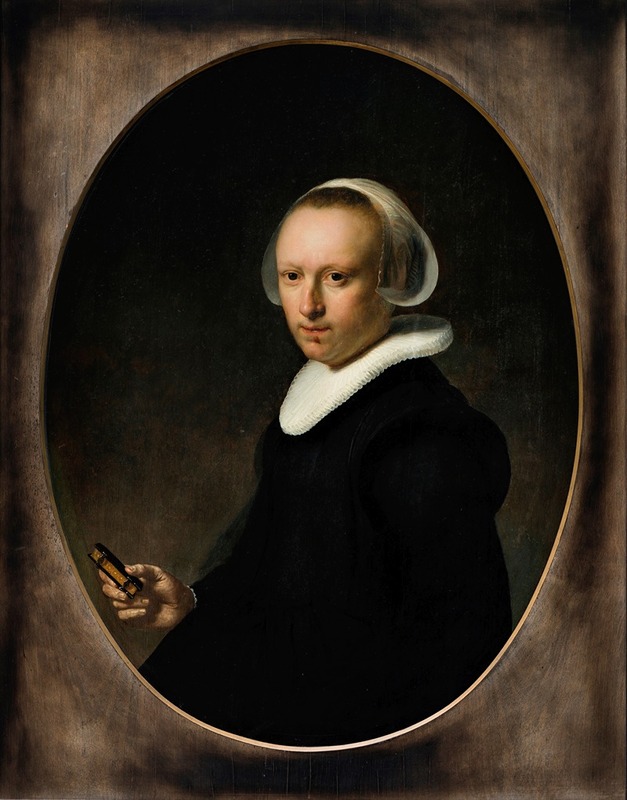
Portrait of a 39-year-old Woman
Rembrandt van Rijn
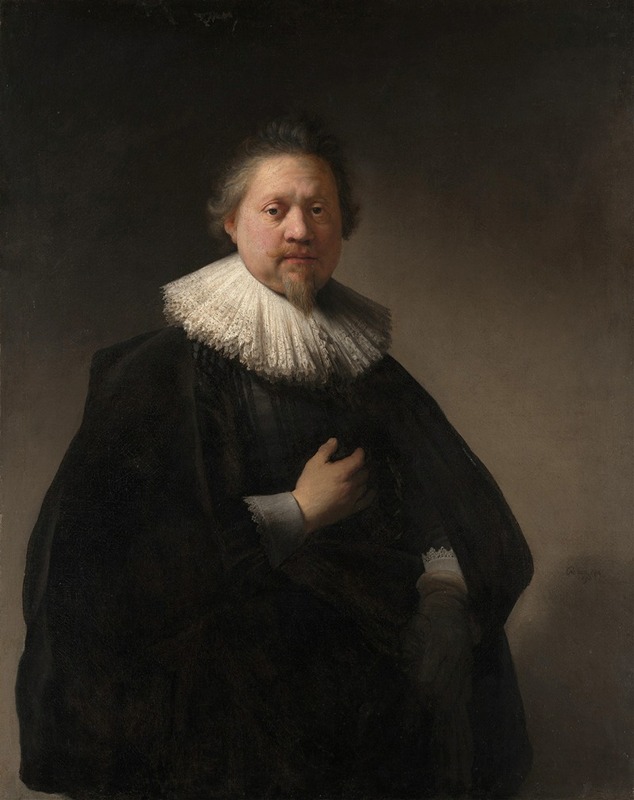
Portrait of a Man
Rembrandt van Rijn
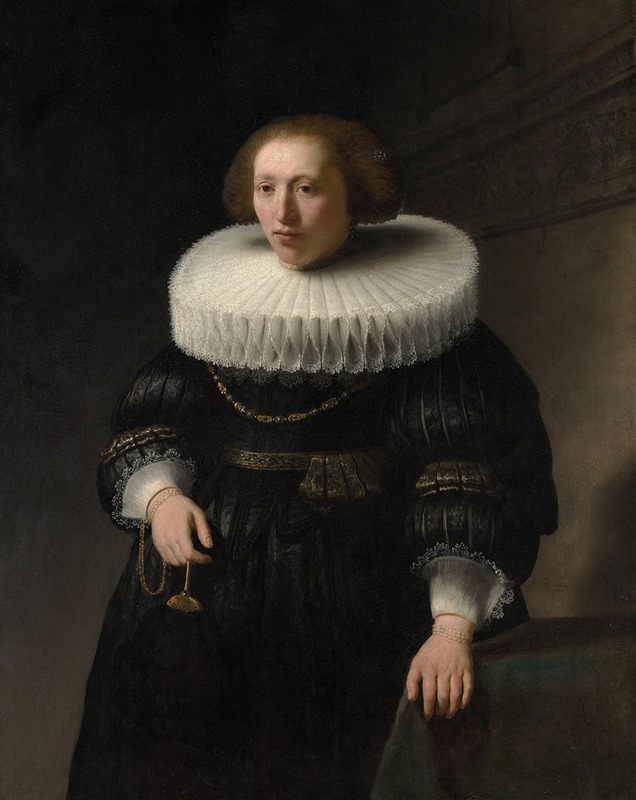
Portrait of a Woman
Rembrandt van Rijn
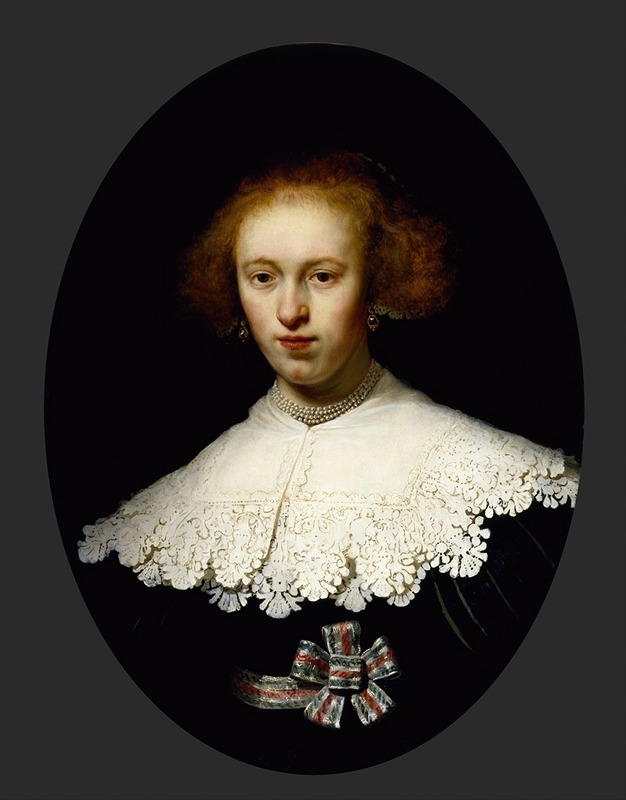
Portrait of a Young Woman
Rembrandt van Rijn
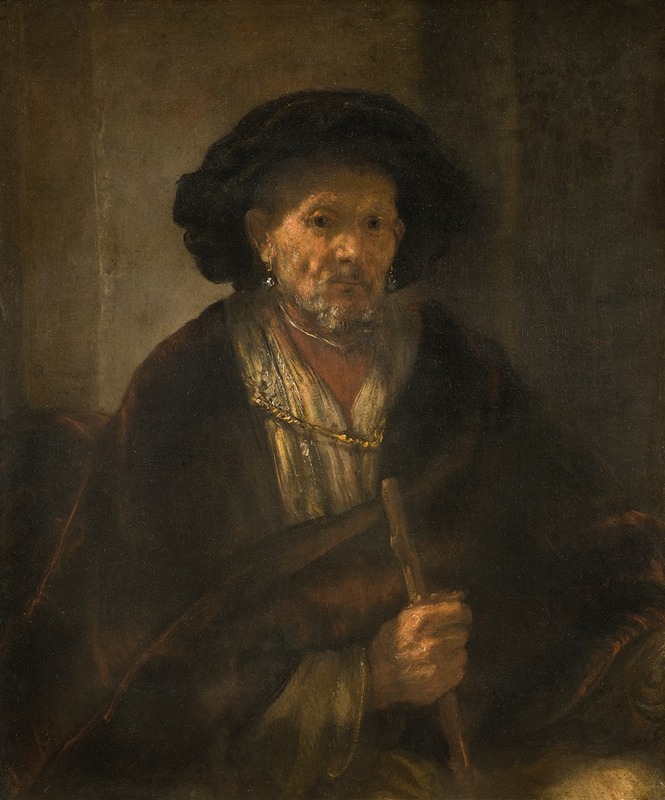
Portrait of an Old Man
Rembrandt van Rijn
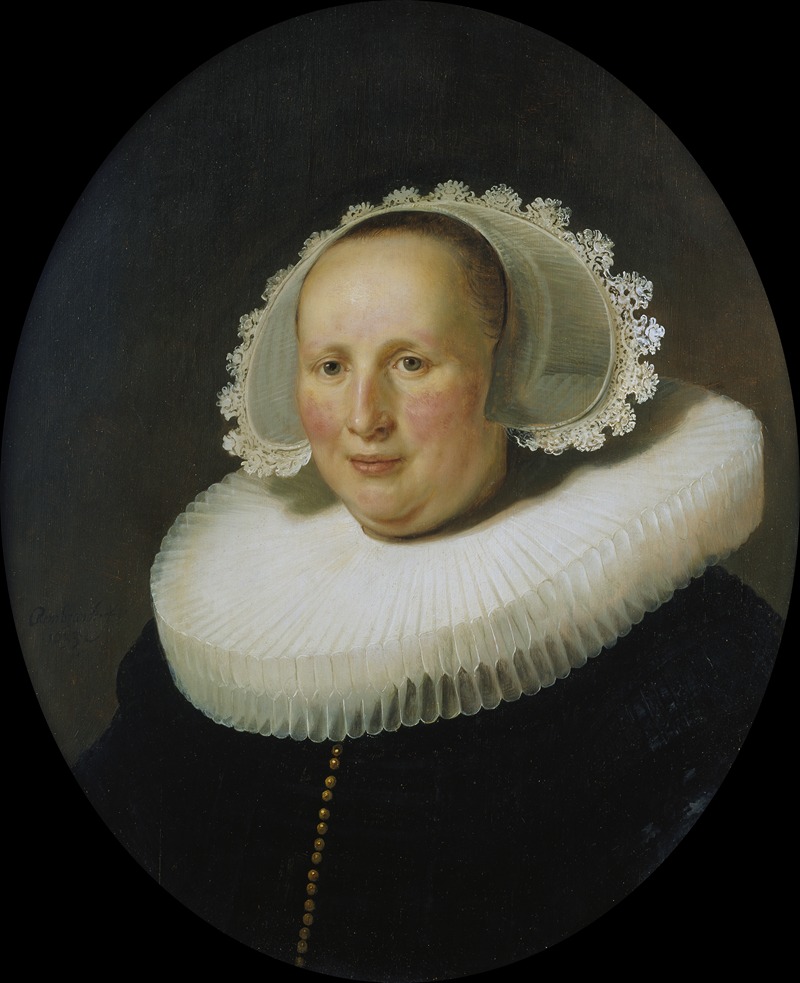
Portrait of Maertgen van Bilderbeecq
Rembrandt van Rijn
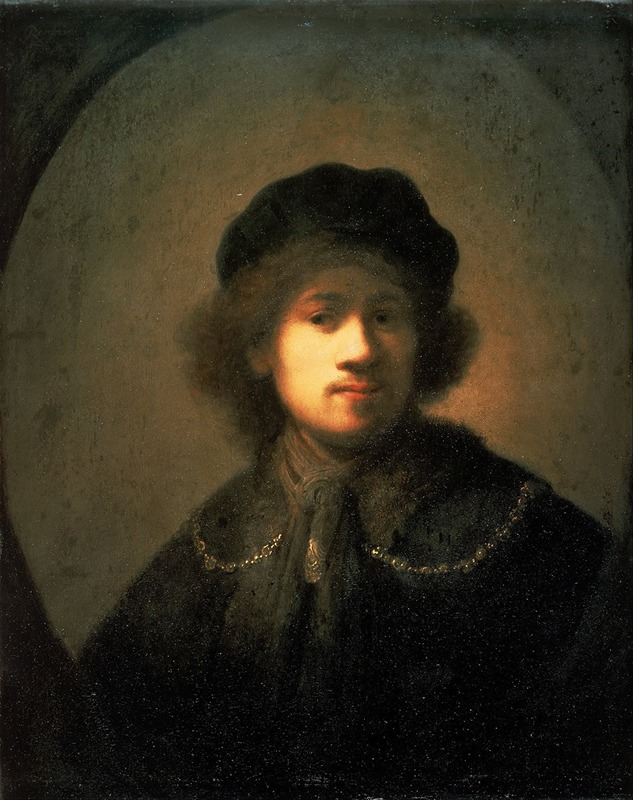
Portrait of the Artist as a Young Man
Rembrandt van Rijn