
The embarkation of the Elector Palatinate Frederick V in the 'Prince Royal' at Dover — History & Facts
The first thing that seizes the eye in The Embarkation of the Elector Palantine is the sheer spectacle of ceremony and pageantry, as a fleet of grand ships unfurls their sails and flags against the pale, churning sea. The artist, Adam Willaerts, orchestrates a scene where every figure and vessel seems to play a role in a carefully staged performance. The Union flags crack in the wind, marking the moment as a matter of state, while the largest ship, bristling with onlookers and banners, claims the center of the drama.
On the shore, a crowd gathers—some craning for a last glimpse, others locked in conversation, their fine dress and attentive postures underscoring the gravity of the departure. The low horizon and wide sweep of sky give the event a sense of both occasion and uncertainty, as if the fate of those aboard is being launched into the unknown. This kind of maritime painting flourished in the early seventeenth century, when the Dutch and English alike celebrated their growing naval power and international ambitions. Works like this were often commissioned to commemorate diplomatic missions, royal journeys, or military triumphs—moments when the sea became a stage for history.
Painted before 1664, this canvas belongs to a world where artists such as Willaerts transformed real events into enduring images, blending documentary detail with a sense of collective participation. The painting’s presence in a modern collection speaks to the continued fascination with these spectacles of departure and arrival, even as the names and faces fade into history. Look again at the crowd on the shore: their anticipation and uncertainty still echo across the centuries, inviting us to imagine the stories that began on that wind-whipped coast.
More Artworks by Adam Willaerts
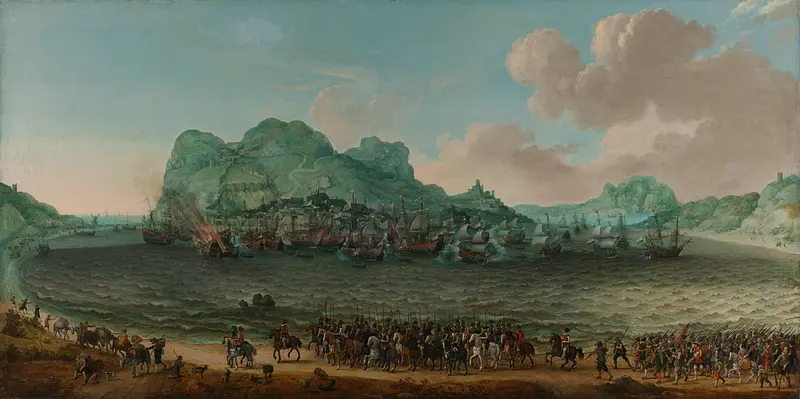
Victory over the Spanish near Gibraltar by a Fleet Commanded by Admiral Jacob van Heemskerck, 25 April 1607
Adam Willaerts
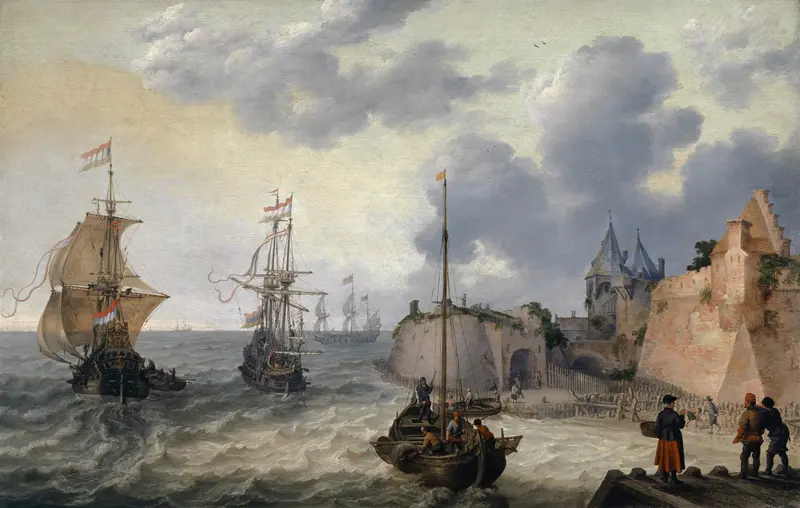
Dutch Harbour with Sailing Ships
Adam Willaerts
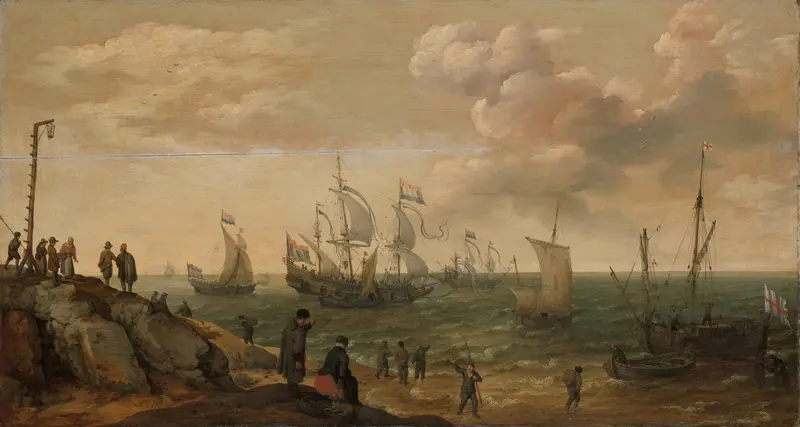
Ships along the Shore
Adam Willaerts
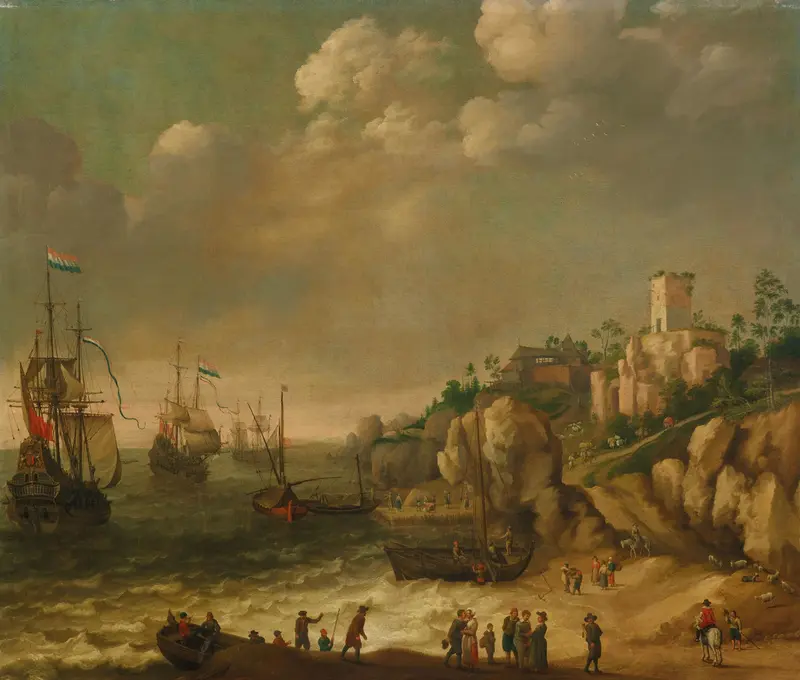
Dutch ships in front of a rocky coast with figures, buildings beyond
Adam Willaerts
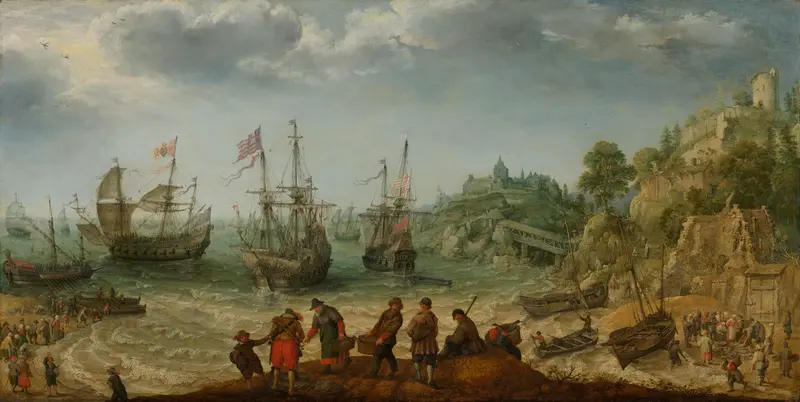
Ships off a Rocky Coast
Adam Willaerts
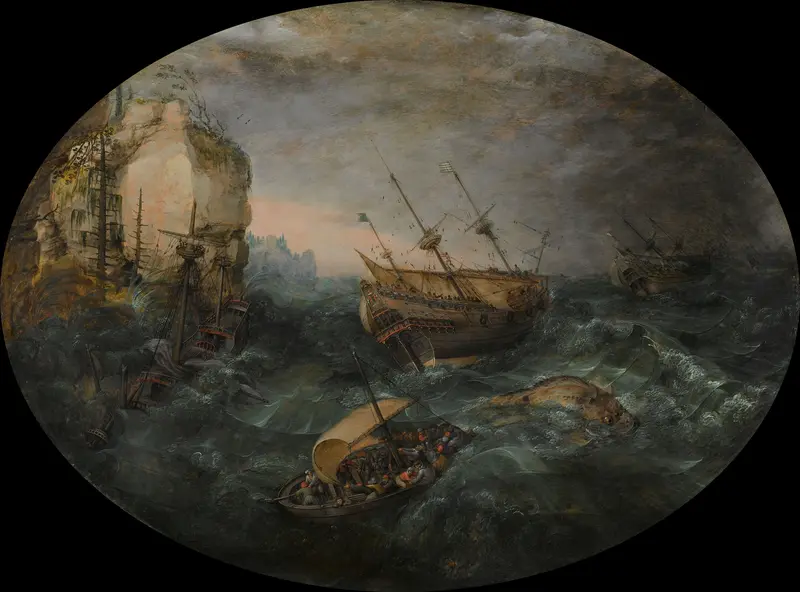
Shipwreck off a Rocky Coast
Adam Willaerts
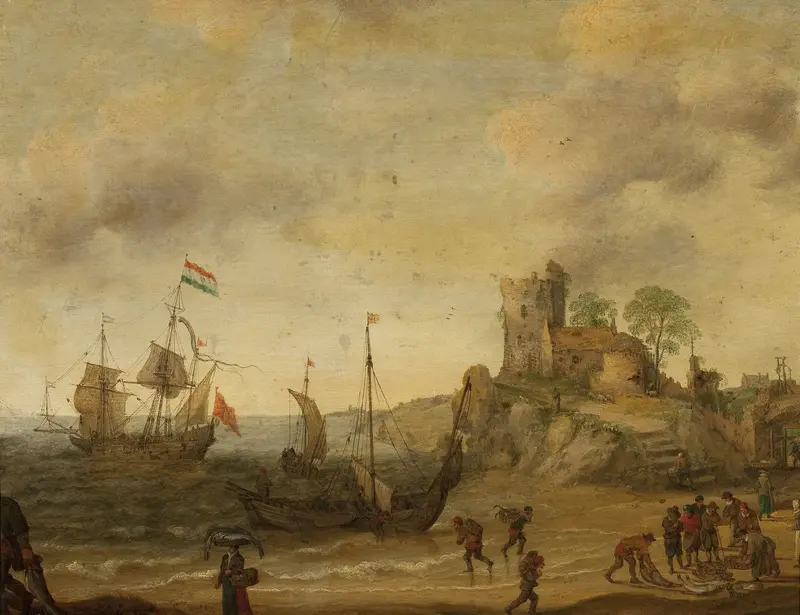
Fishermen at the seaside
Adam Willaerts
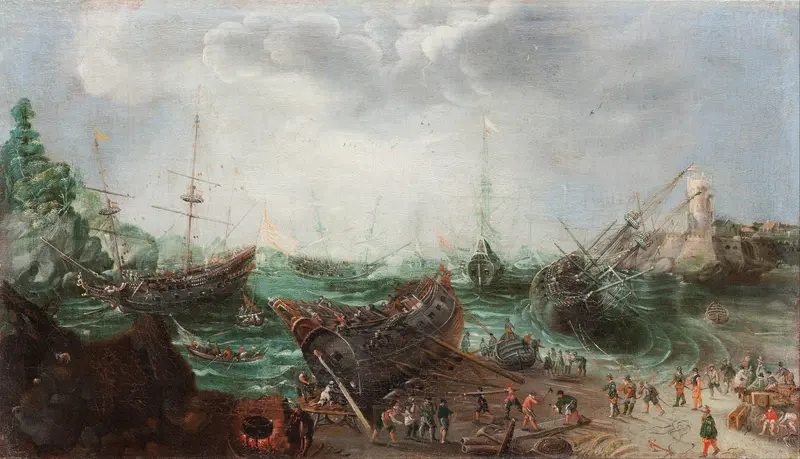
Harbour scene
Adam Willaerts
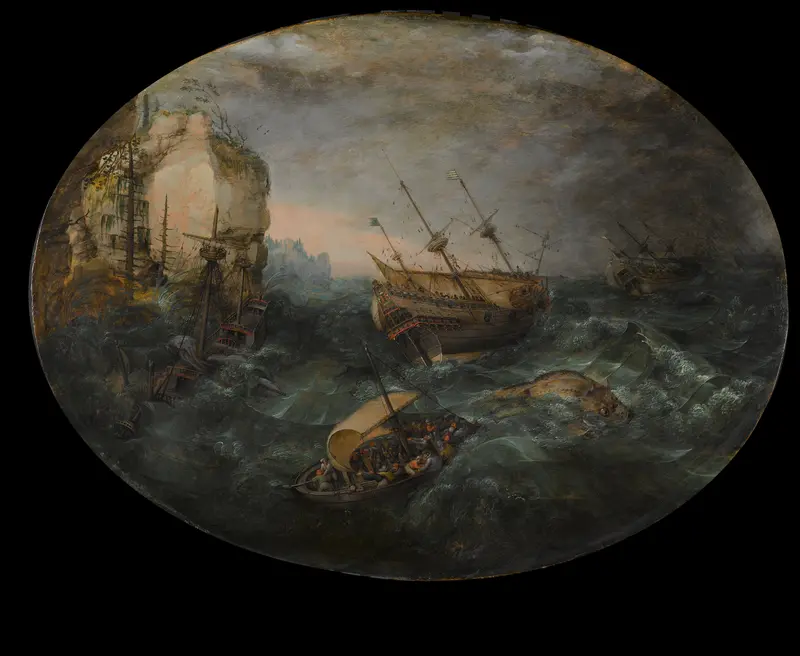
Shipwreck off a Rocky Coast
Adam Willaerts
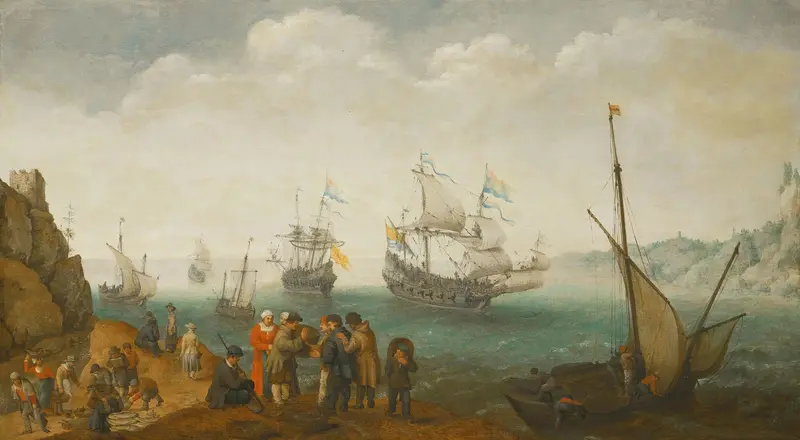
A Marine With Five Vessels Out To Sea And Another In Port, And With Groups Of Largely Male Figures Engaged In Buying Or Selling Fish Or Other Wares
Adam Willaerts





