
The End of the Ruin’d Bridge at Rouen — History & Facts
Could a single brushstroke hold eternity? In The End of the Ruin’d Bridge at Rouen, the essence of legacy unfurls, inviting viewers to ponder the passage of time and the remnants of progress. Look closely at the weathered stones in the foreground, where soft grays and earthy browns meld into one another. The artist employs delicate brushwork that emphasizes texture, giving the crumbling bridge a palpable sense of history. Your eyes should be drawn to the luminous sky, a palette of serene blues and gentle whites, establishing a contrast between nature’s permanence and human impermanence.
The play of light casts shadows that dance across the landscape, embodying both nostalgia and melancholy. The juxtaposition of decay and beauty in this artwork speaks volumes about the transient nature of existence. Within the ruins, there are whispers of stories untold, evoking emotions of longing and introspection. The bridge serves not just as a structure but as a metaphor for connections lost, and the distant figures suggest lives once intertwined, now separated by time and circumstance. In 1778, while residing in the bustling city of London, the artist created this piece during a period marked by both personal struggles and the flourishing of Romanticism in art.
Influenced by the growing fascination with ruins and nature, he sought to capture the essence of human endeavor amid the inevitability of decline. It was a time when artists began to explore the emotional weight of their subjects, paving the way for future generations to reflect on the legacies they leave behind.
More Artworks by Samuel Davis
Browse all →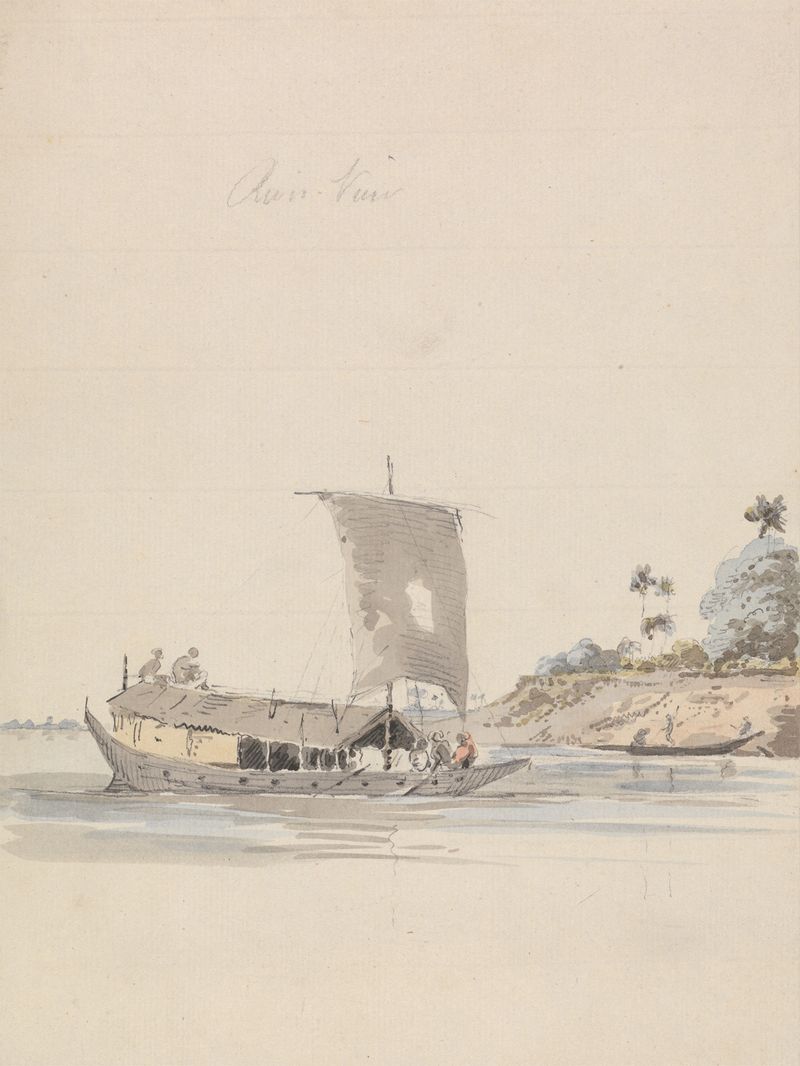
River View with a Junk (near Rajmahal)
Samuel Davis
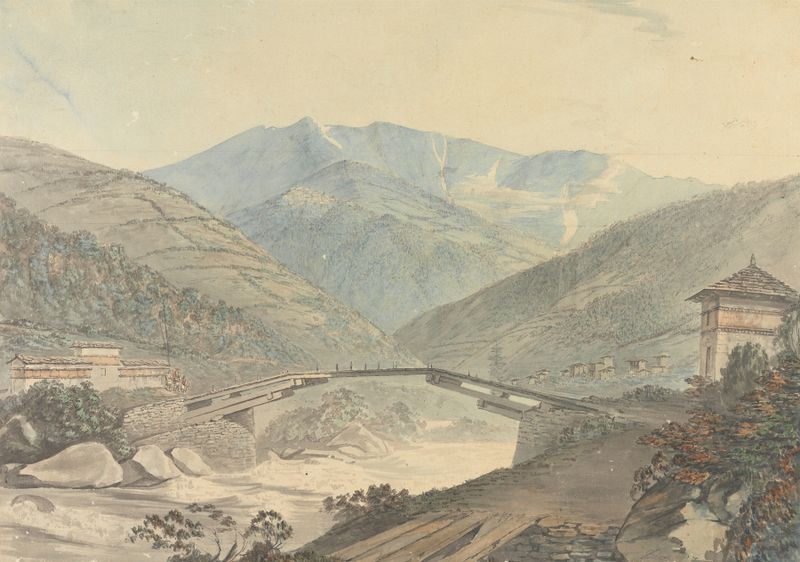
View near Tassisudon [Tashicho Dzong] in Bhutan
Samuel Davis
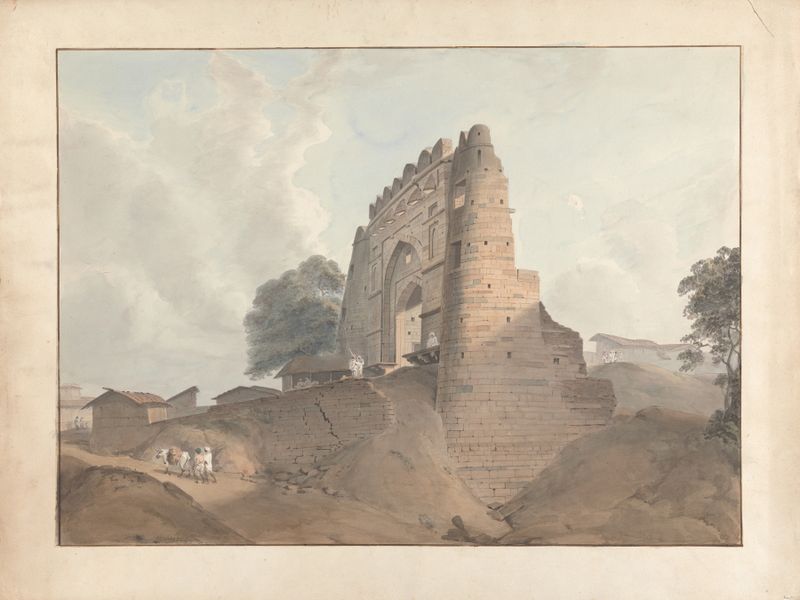
Gate of the Old Fort at Old Benares
Samuel Davis
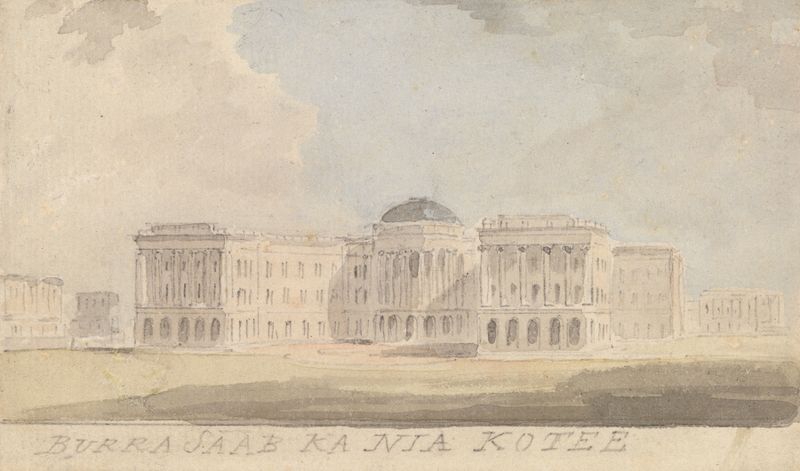
New Government House at Calcutta
Samuel Davis
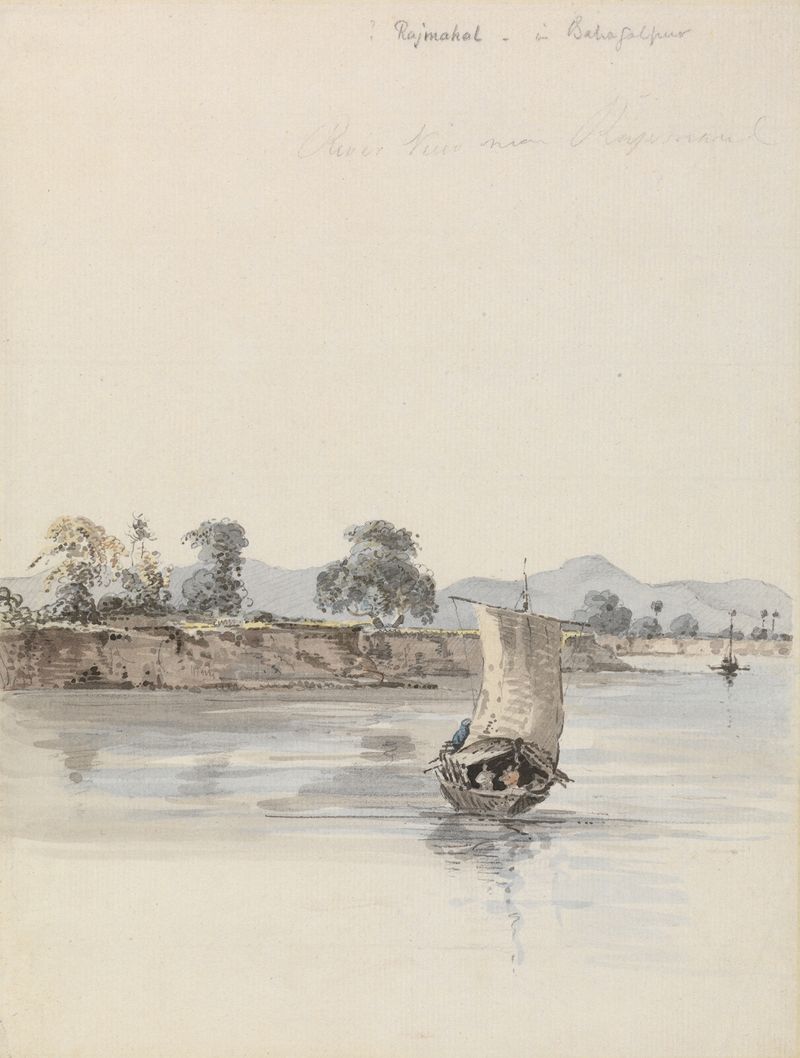
River View near Rajmahal
Samuel Davis
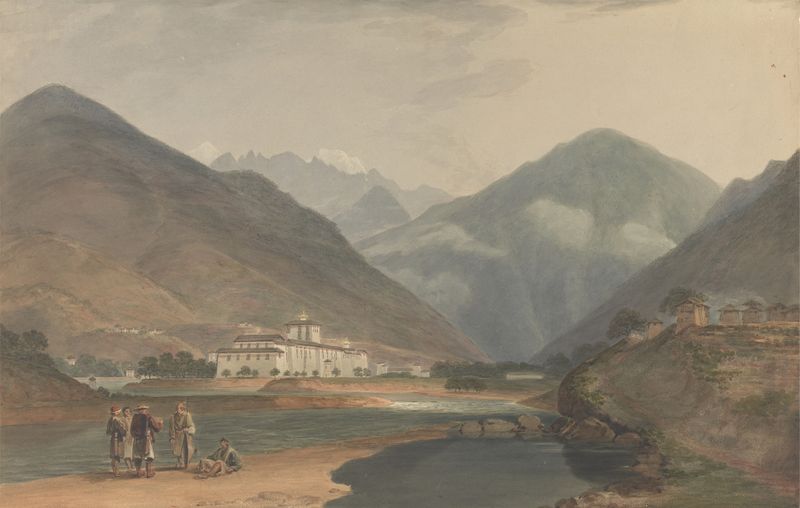
The Former Winter Capital of Bhutan at Punakha Dzong
Samuel Davis
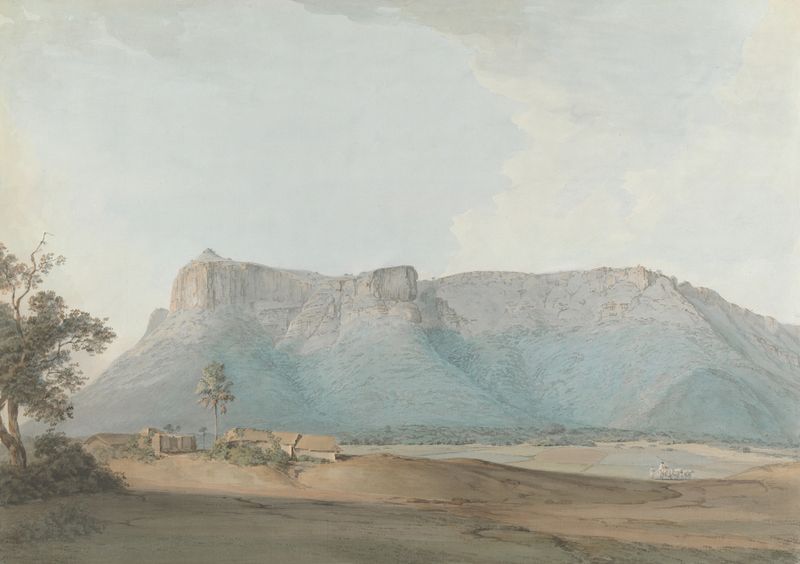
Rhotas from Akberpore
Samuel Davis
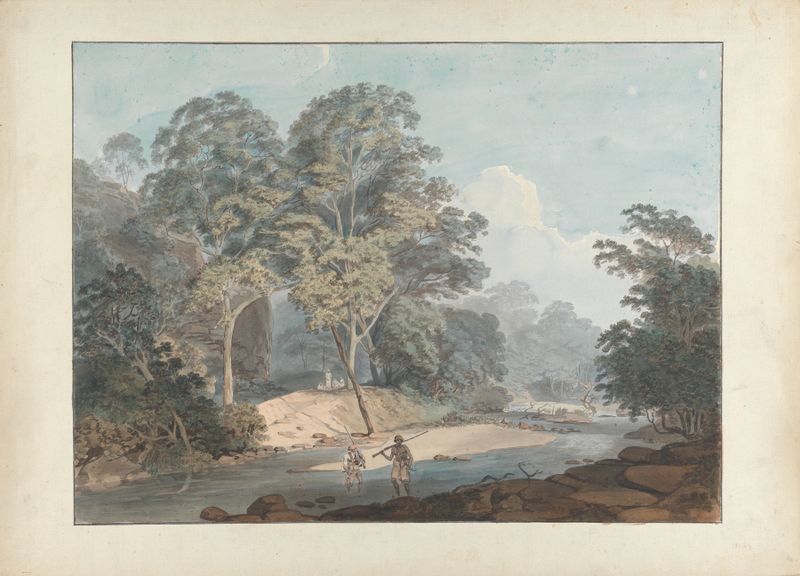
Rocky River Scene with Sepoys
Samuel Davis
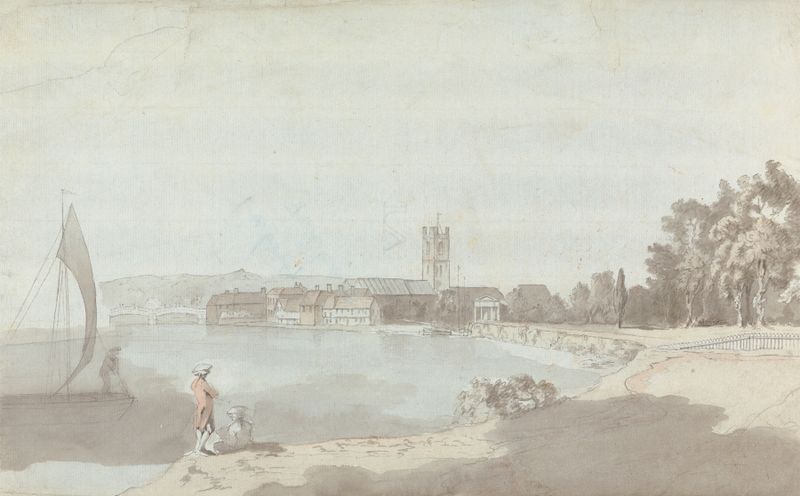
West Country Town by a River
Samuel Davis
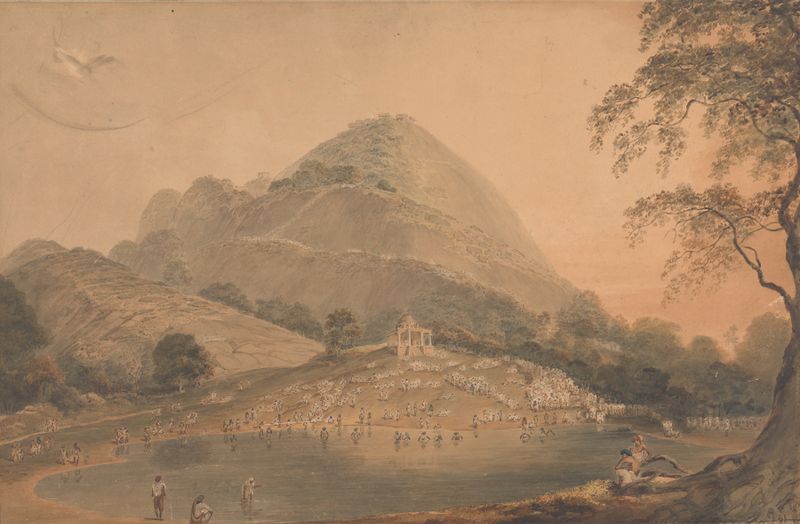
The Annual Resort of Hindoos to Mundar Hill near Bhagulpore [Bhagalpur]
Samuel Davis
More Architecture Art
Browse all →
The statue of Liberty
Frédéric Auguste Bartholdi

View of Houses in Delft, Known as ‘The Little Street’
Johannes Vermeer

View of Houses in Delft, Known as ‘The Little Street’
Johannes Vermeer

The Cathedral in Rouen. The portal, Grey Weather
Claude Monet

The yellow house
Vincent van Gogh

The Church in Auvers-sur-Oise, View from the Chevet
Vincent van Gogh