Discover insights about this artwork
The Entombment — History & Facts
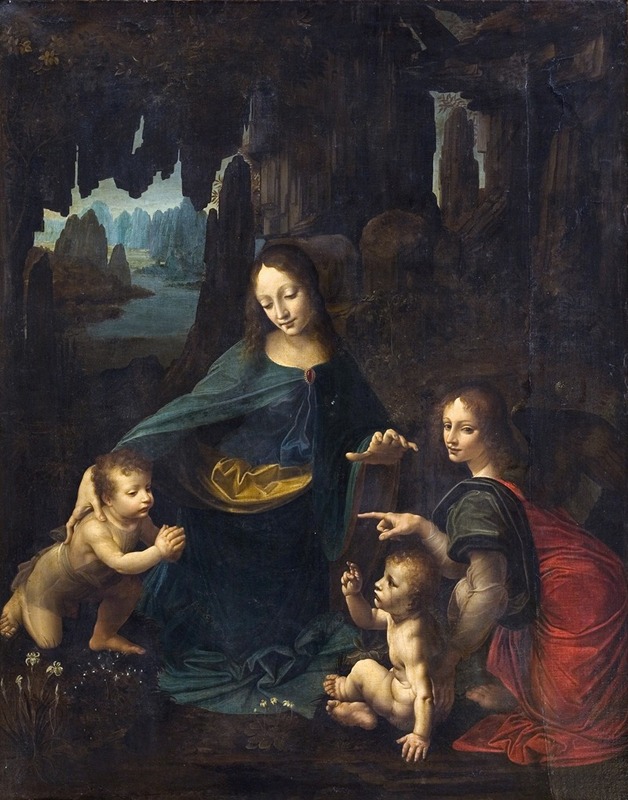
In The Entombment, Rembrandt van Rijn presents a somber scene filled with dark and muted colors. The figures, including Christ's body, are enveloped in shadows, creating a sense of depth and emotion. The composition is dramatic, with the figures arranged in a triangular formation that draws the viewer's eye.
The overall atmosphere is one of mourning and reverence. The painting is executed in oil on canvas, a common medium for Rembrandt during the Baroque period. The use of chiaroscuro, the contrast between light and dark, is prominent in this work, enhancing the dramatic effect. The dimensions of the painting are approximately 130 x 163 cm, making it a substantial piece.
Viewers can appreciate the intricate details in the figures' expressions and the textures of the drapery. Rembrandt created The Entombment around 1639, a time when he was exploring themes of mortality and spirituality. This painting reflects his deep interest in human emotion and the complexities of life and death. An interesting fact about this work is that it was likely influenced by the artist's own experiences with loss, as he faced personal tragedies during this period.
The painting remains one of his notable contributions to religious art.
More Artworks by Rembrandt van Rijn
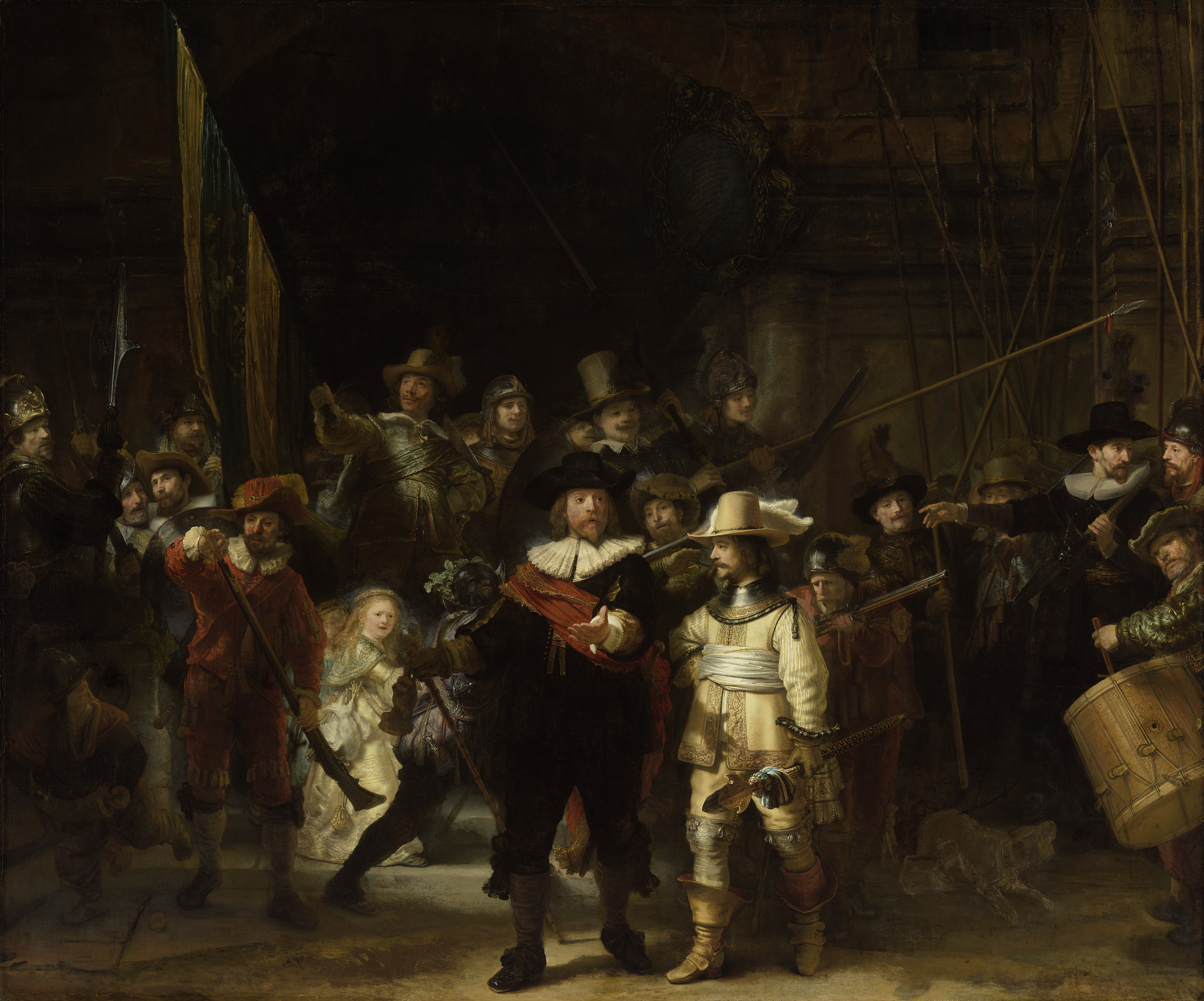
The Night Watch Militia Company of District II under the Command of Captain Frans Banninck Cocq
Rembrandt van Rijn
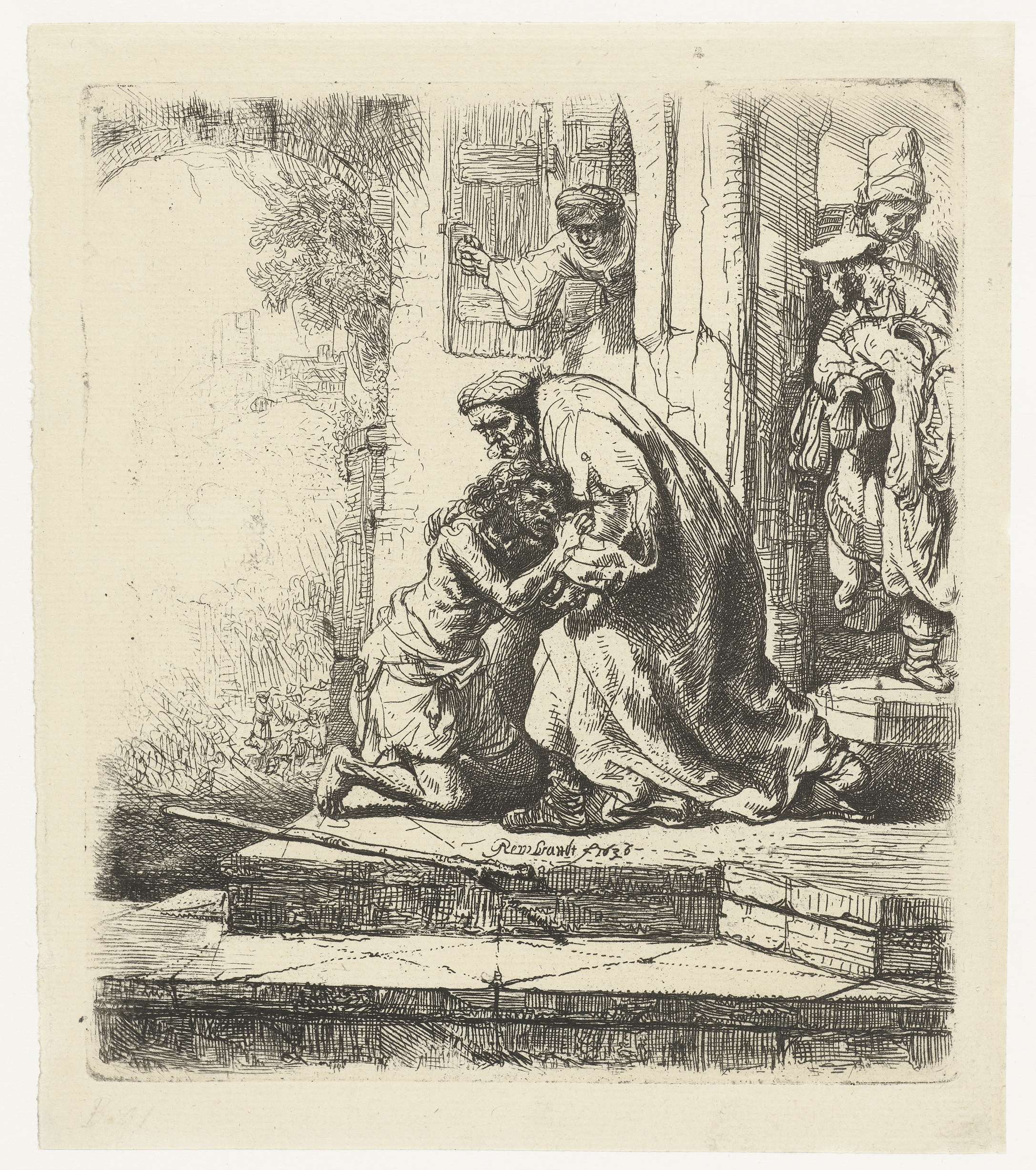
The Return of the Prodigal Son
Rembrandt van Rijn
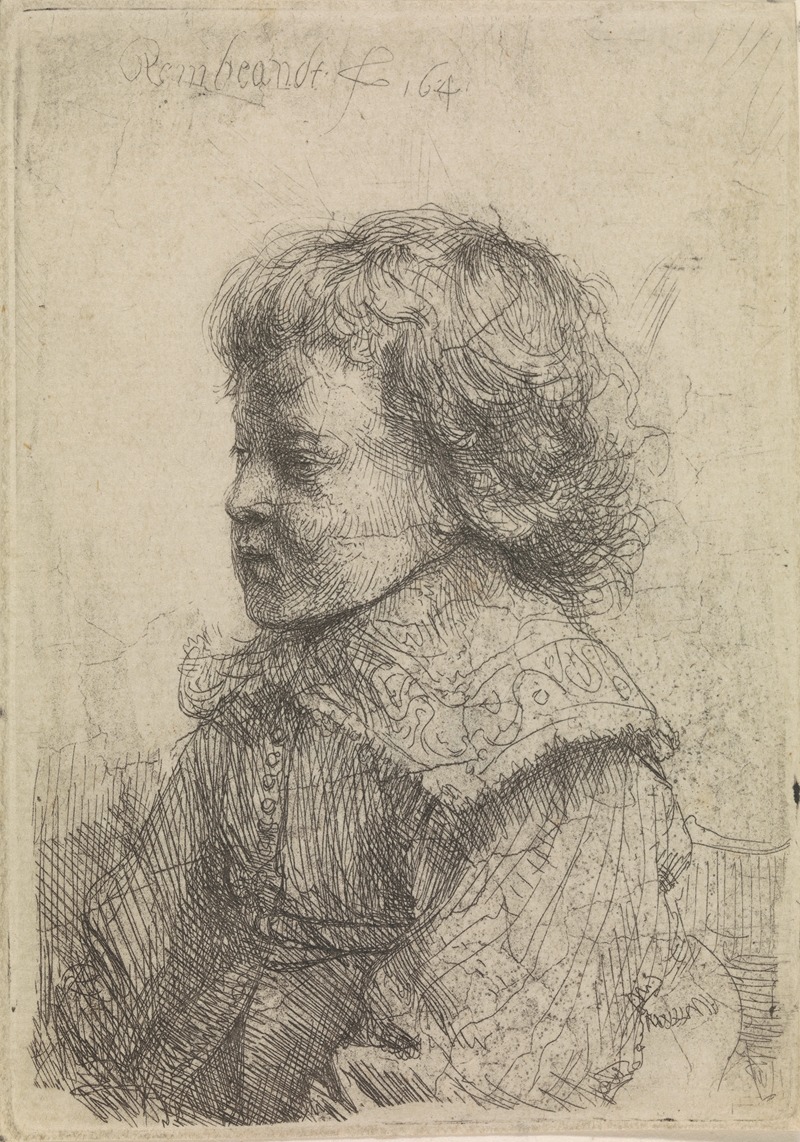
Portrait of a boy in profile
Rembrandt van Rijn
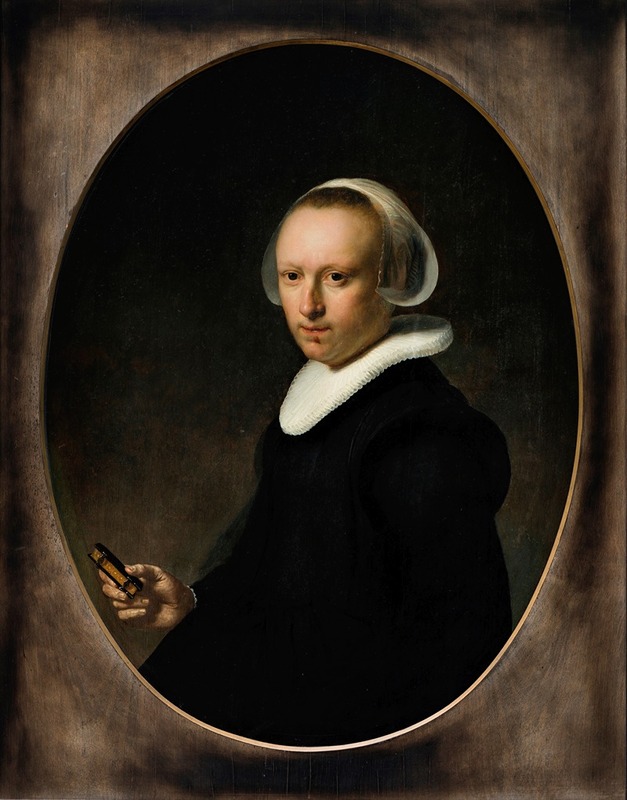
Portrait of a 39-year-old Woman
Rembrandt van Rijn
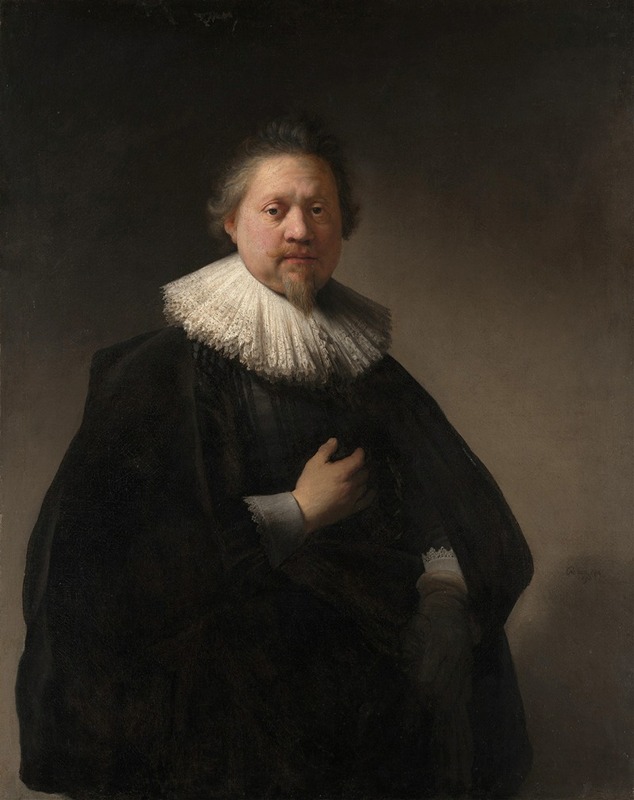
Portrait of a Man
Rembrandt van Rijn
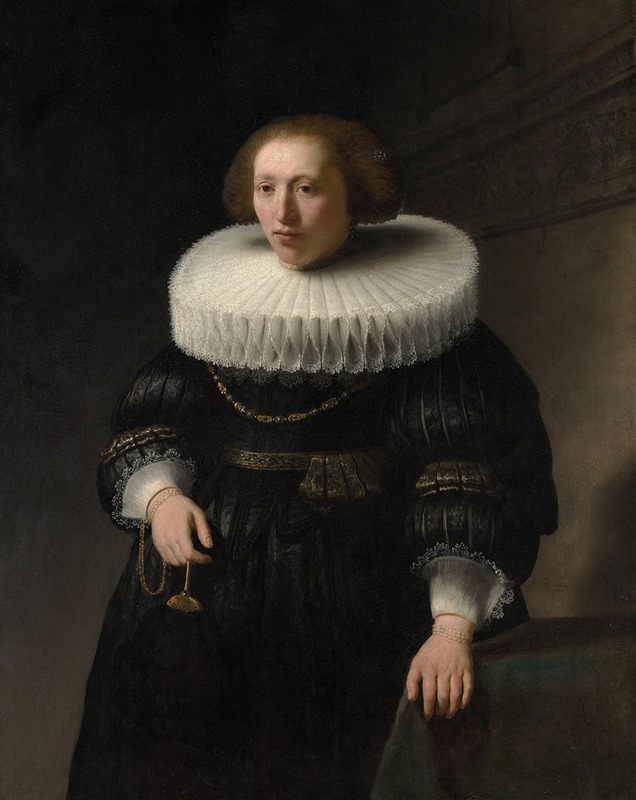
Portrait of a Woman
Rembrandt van Rijn
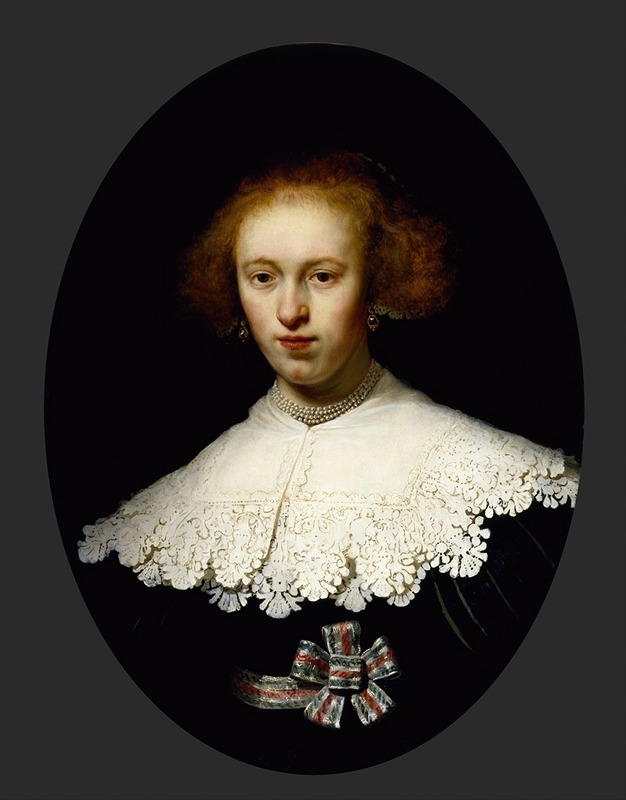
Portrait of a Young Woman
Rembrandt van Rijn
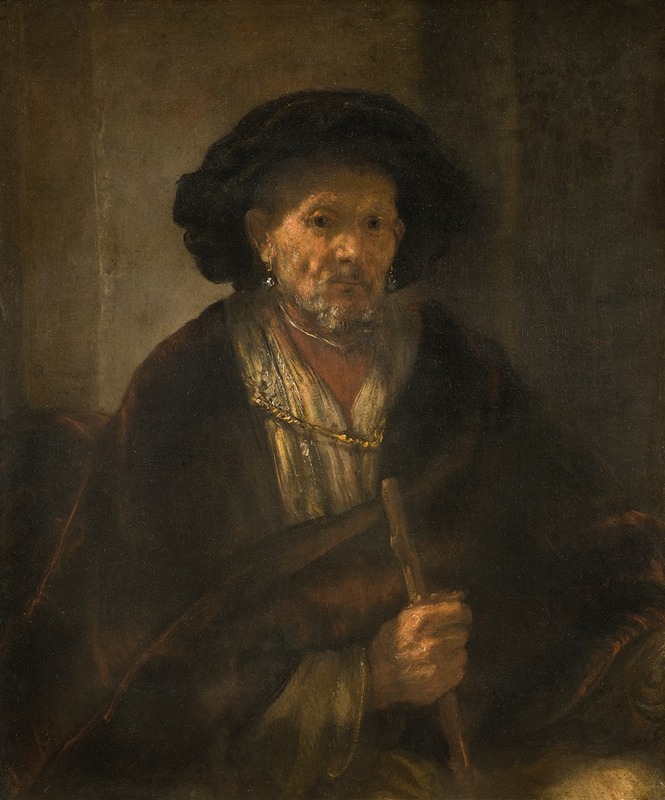
Portrait of an Old Man
Rembrandt van Rijn
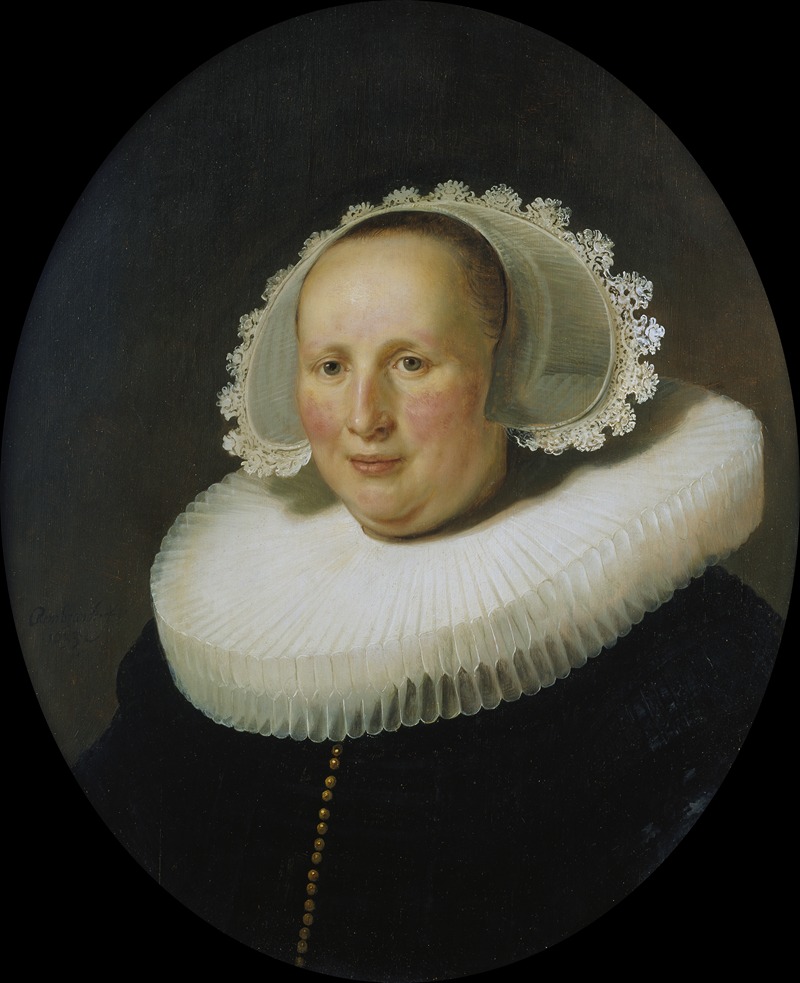
Portrait of Maertgen van Bilderbeecq
Rembrandt van Rijn
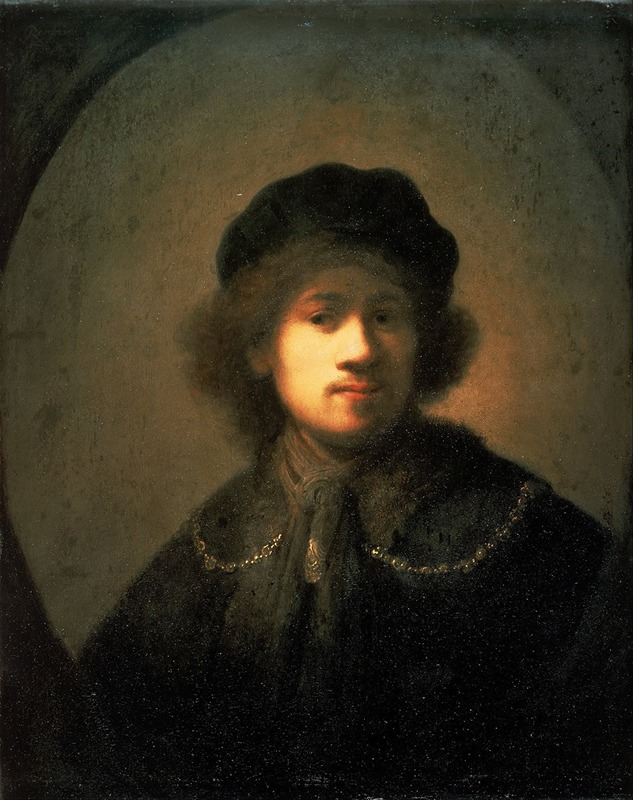
Portrait of the Artist as a Young Man
Rembrandt van Rijn