
The Erechtheum, Athens — History & Facts
In the stillness of human creation and decay, the whisper of yearning echoes across time, urging us to contemplate our place within history. Focus on the intricate columns that rise majestically to the sky. Each fluted surface, carved with painstaking precision, draws your gaze upwards. Notice how the warm sunlight caresses the stone, illuminating the Erichthion sanctuary while casting gentle shadows that suggest a world both revered and forgotten.
The artist’s deft brushwork captures not only the architectural splendor but also a sense of nostalgia imbued within the ancient structure. Hidden within this portrayal is a tension between permanence and transience. The crumbling edges of the Erechtheum remind us of the inevitability of decay, even in the grandest of human achievements. The lush greenery encroaching upon its base signifies nature’s reclamation, symbolizing a longing to transcend time.
The interplay of light and shadow creates a haunting atmosphere, as if the spirits of the past linger, their stories woven into the fabric of the stones. Hugh William Williams painted this evocative piece during his travels across Europe, likely in the early 19th century. At this time, the Neoclassical movement was gaining momentum, prompting artists to explore themes of antiquity and heritage. The artist’s experiences in Greece fueled his desire to capture the beauty and remnants of ancient civilization, reflecting a growing fascination with the classical world.
More Artworks by Hugh William Williams
Browse all →
Near Stirling, Scotland
Hugh William Williams
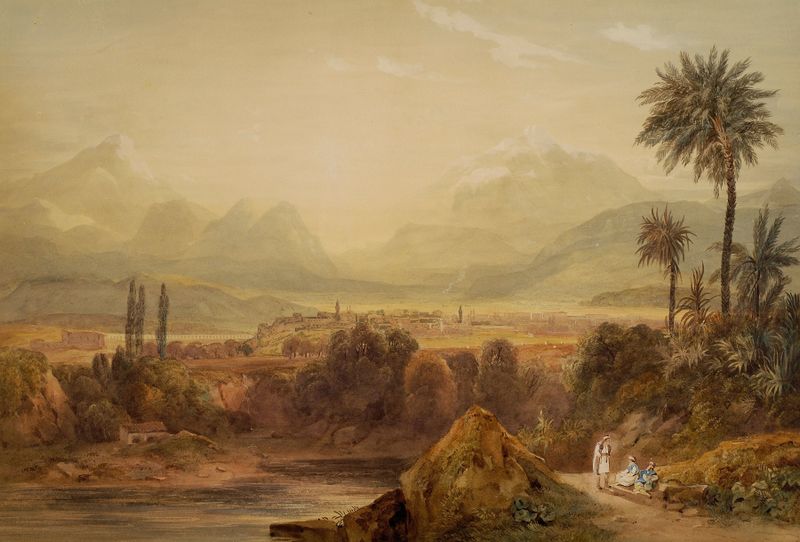
View of Thebes
Hugh William Williams
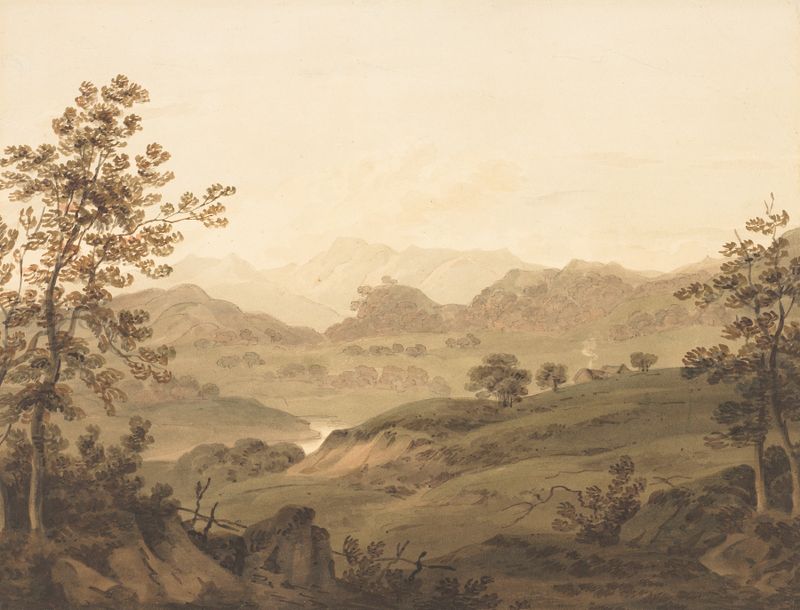
Landscape, North Wales
Hugh William Williams
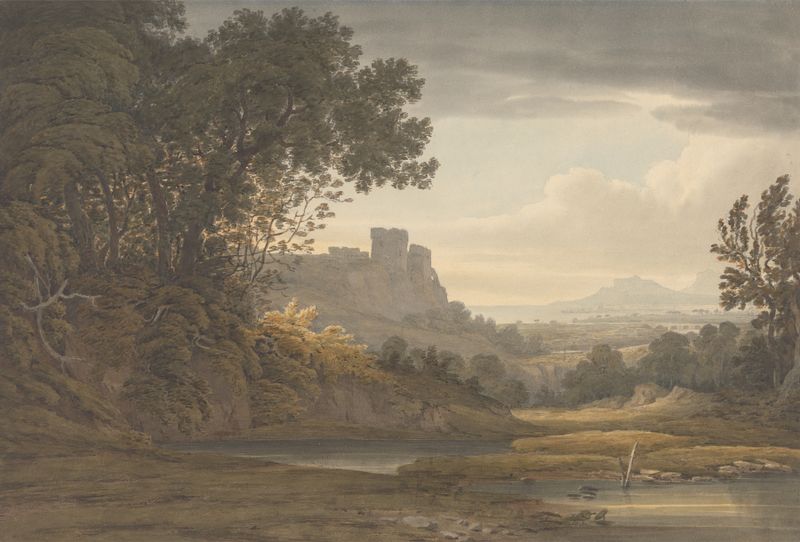
Castle in a Landscape
Hugh William Williams
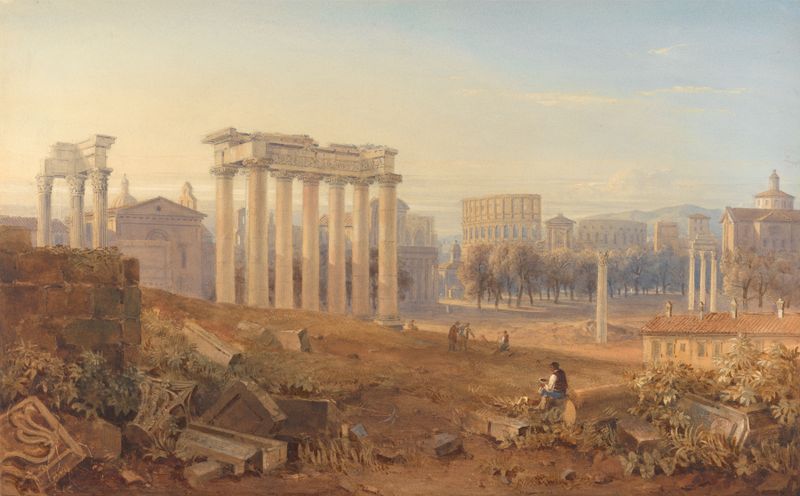
View of the Forum in Rome
Hugh William Williams
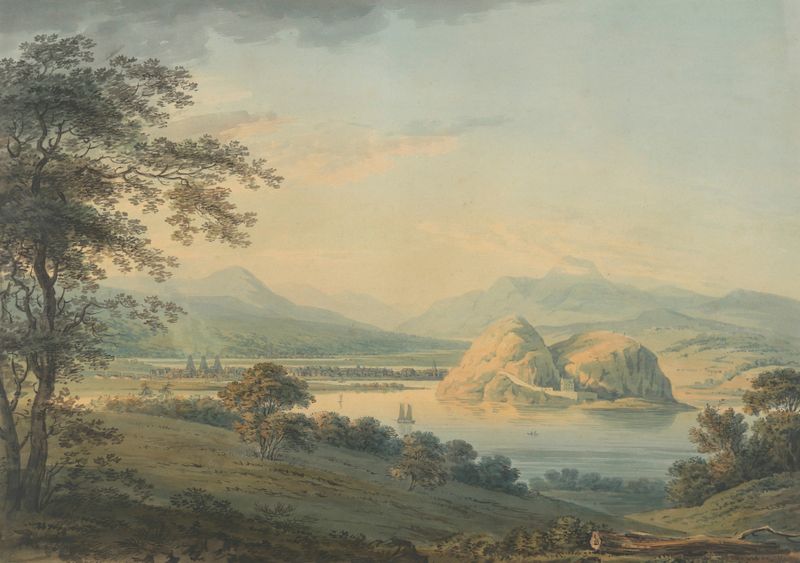
View of the town and castle of Dumbarton
Hugh William Williams
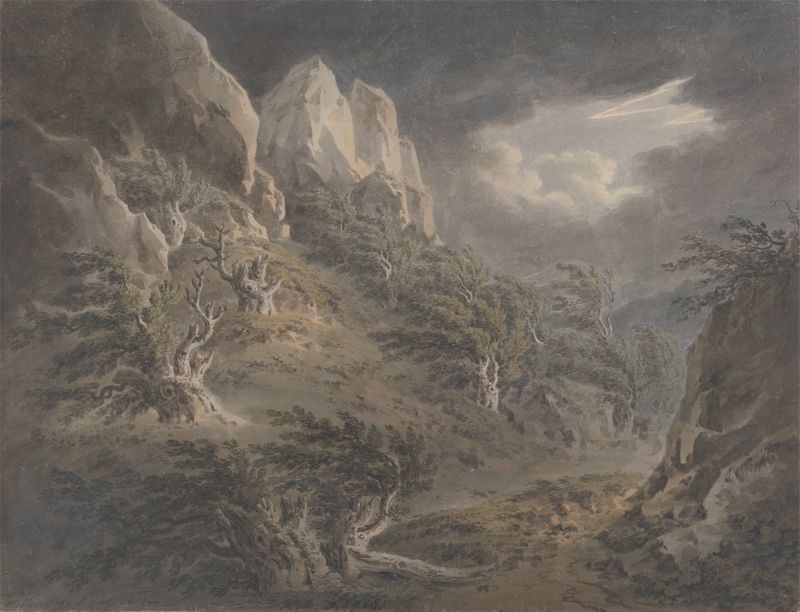
Birnam Wood
Hugh William Williams
More Architecture Art
Browse all →
The statue of Liberty
Frédéric Auguste Bartholdi

View of Houses in Delft, Known as ‘The Little Street’
Johannes Vermeer

View of Houses in Delft, Known as ‘The Little Street’
Johannes Vermeer

The Cathedral in Rouen. The portal, Grey Weather
Claude Monet

The yellow house
Vincent van Gogh

The Church in Auvers-sur-Oise, View from the Chevet
Vincent van Gogh