
View of the Forum in Rome — History & Facts
Did the painter know this moment would outlive them? In a world swirling with the chaos of modernity, the stillness of history bears witness to the frenzied dance of human endeavor and ambition. Focus on the foreground, where the vibrant colors of the ancient stone structures draw your gaze. Notice how the warm sunlight bathes the ruins, casting elongated shadows that whisper secrets of the past. The composition leads the eye toward the heart of the Forum, where figures mingle—some lost in their own thoughts, others animated in conversation.
The meticulous brushstrokes capture not just the architecture but the very essence of life that pulsated through these once-bustling streets. Beneath the surface, a tension simmers between grandeur and decay. The imposing columns stand resilient, yet they hint at vulnerability, reminding us that even the mightiest civilizations succumb to time. The contrasting shades of light and shadow evoke a sense of madness, a reflection of humanity's relentless pursuit of glory amidst inevitable decline.
Each figure, though small in scale, embodies the rich tapestry of stories, ambitions, and failures interwoven in this iconic space. In 1828, while creating this piece, the artist found himself among the ancient ruins of Rome, a city steeped in historical weight and artistic fervor. At this time, the Romantic movement was gaining momentum, encouraging artists to explore emotion and personal experience. Williams, immersed in a world both majestic and crumbling, sought to capture that intricate balance, offering viewers a glimpse into a moment that would transcend time.
More Artworks by Hugh William Williams
Browse all →
Near Stirling, Scotland
Hugh William Williams

The Erechtheum, Athens
Hugh William Williams
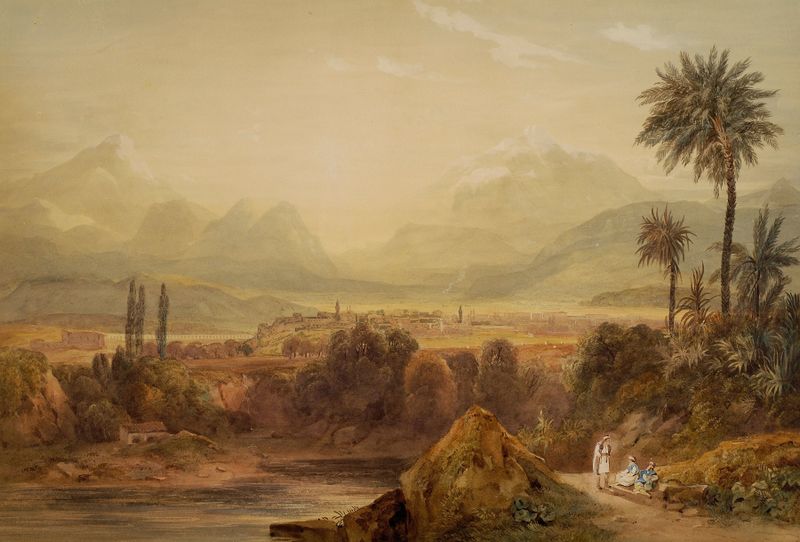
View of Thebes
Hugh William Williams
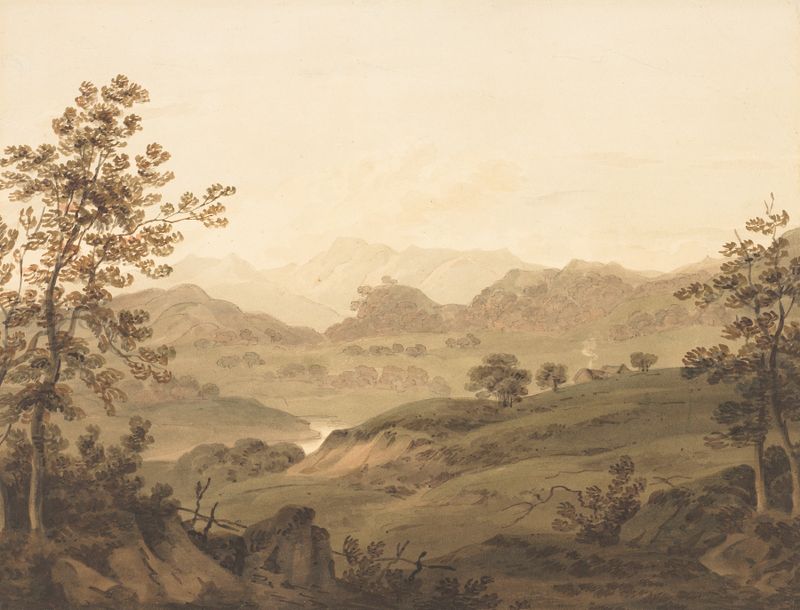
Landscape, North Wales
Hugh William Williams
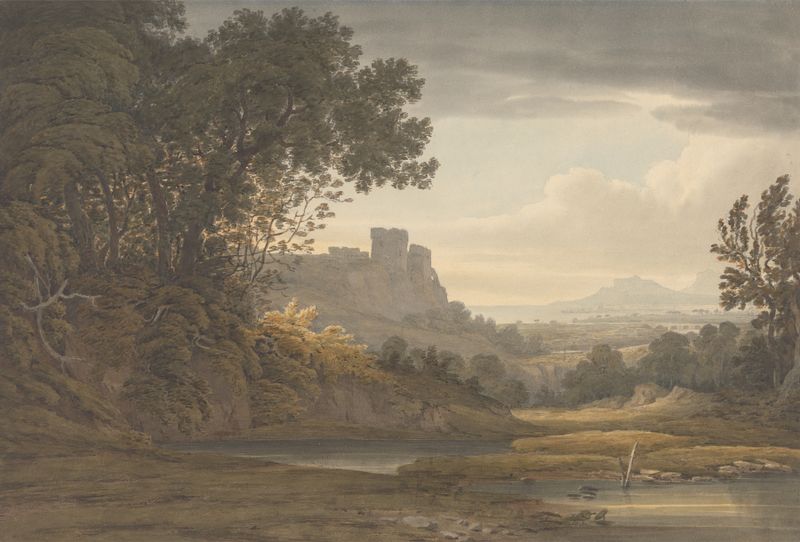
Castle in a Landscape
Hugh William Williams
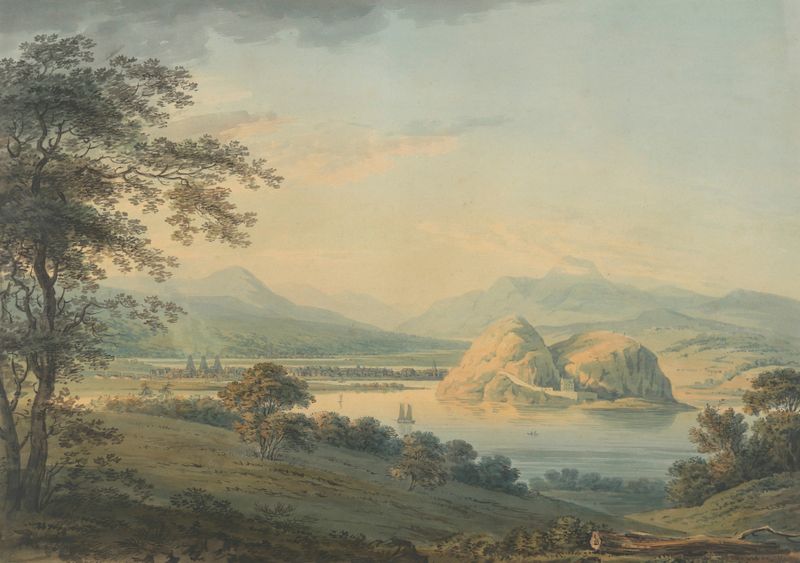
View of the town and castle of Dumbarton
Hugh William Williams
Birnam Wood
Hugh William Williams





