
The Esk — History & Facts
In the stillness of life, decay whispers stories of what once thrived, inviting contemplation of the inevitable passage of time. Look to the vibrant greens that dominate the canvas, gently fading into softer hues as they mingle with the earthy browns of the riverbank. Notice how the delicate brushstrokes create a sense of movement within the water, capturing the fleeting reflections of the landscape above. The contrast between the lush foreground and the more subdued background evokes a profound tension, suggesting the dichotomy between vitality and decline. As your eyes wander, you may spot the subtle decay nestled within the intricate details—the gnarled branches, the crumbling stones, and the chosen palette that balances life and death.
These elements work harmoniously to convey a quiet elegance, hinting at the transience of nature and the beauty found in decay. Each layer adds depth, encouraging a moment of reflection upon the life cycles that shape our world. In 1912, the artist painted this work amidst a backdrop of evolving artistic movements and personal exploration. Young Cameron was deeply engaged in the Impressionist style, capturing atmospheric effects and fleeting moments in nature.
At the time, Britain was experiencing significant social and political changes, and the artist's choice to depict this serene river scene reveals an intimate connection to both the natural landscape and the broader societal shifts occurring around him.
More Artworks by David Young Cameron
Browse all →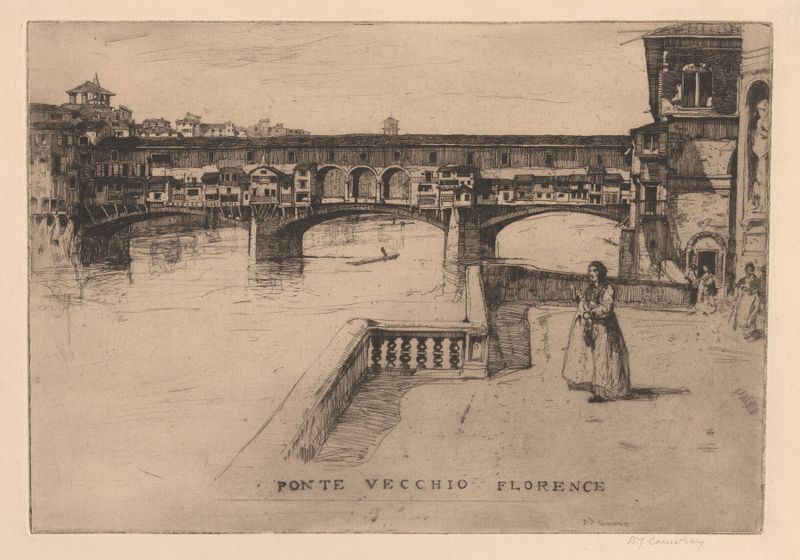
Ponte Vecchio
David Young Cameron

The Deanery, Winchester
David Young Cameron
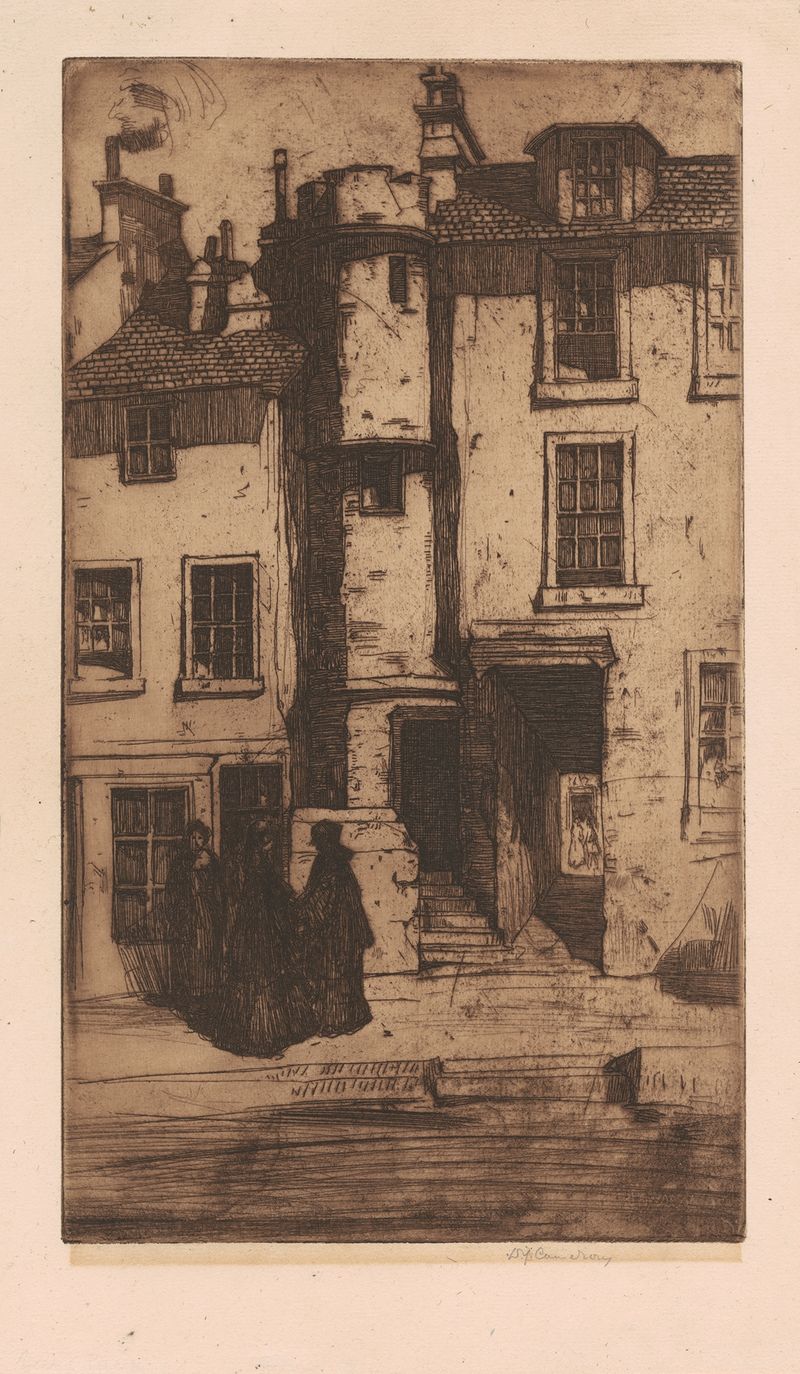
Old Houses, Stirling
David Young Cameron
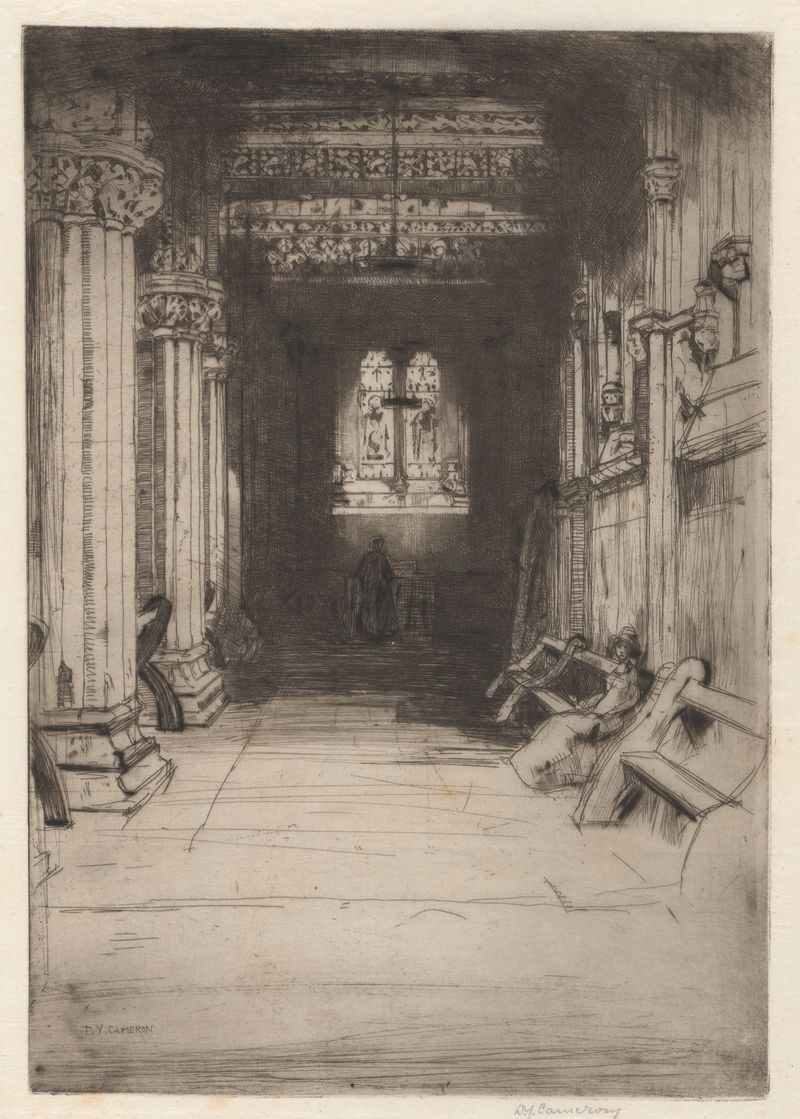
Rosslyn Chapel
David Young Cameron

The Old Museum, Beauvais
David Young Cameron
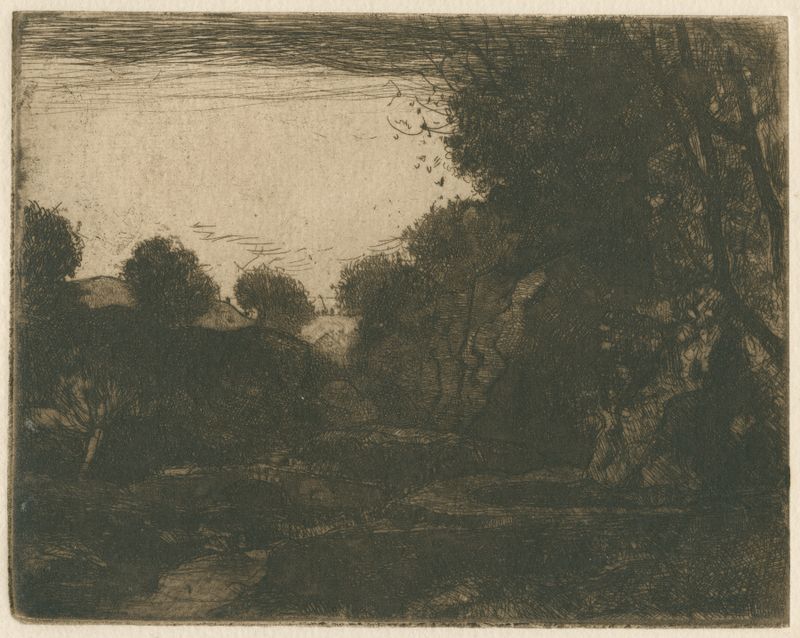
On the Bradford
David Young Cameron

The Smithy
David Young Cameron
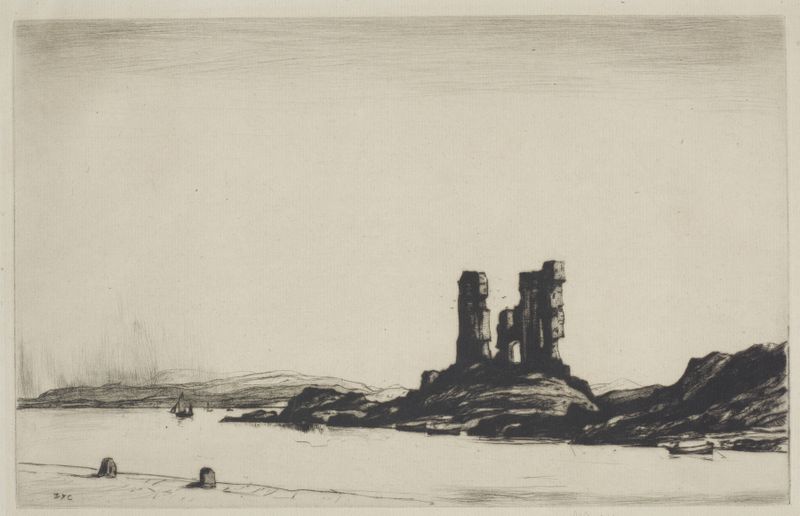
Castle Moyle
David Young Cameron
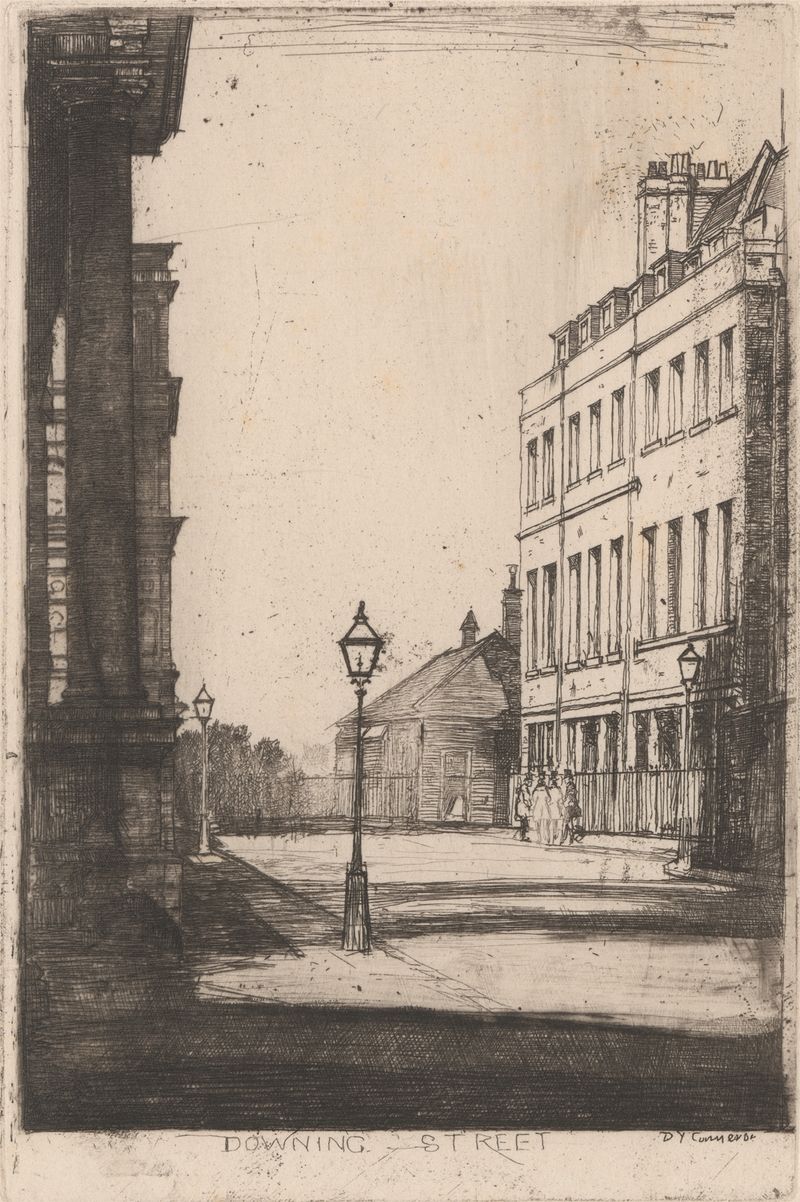
Downing Street
David Young Cameron

Glasgow Cathedral
David Young Cameron





