
The Ferry — History & Facts
In the stillness of The Ferry, a world unfolds where the whispers of nature and humanity intersect, evoking awe in every brushstroke. Look to the left at the ferry gliding across the expansive river, its wooden hull barely disturbing the smooth surface. Notice how the golden hues of the setting sun bleed into the sky, casting a warm glow upon the water, inviting the viewer to linger. The composition draws the eye toward the horizon, where distant hills cradle the fading light, while the soft, muted palette conveys a tranquil sense of time standing still. Amidst the serenity, there lies a subtle tension—the figures in the boat reflect a journey, both literal and metaphorical.
The stillness of the water contrasts sharply with the impending movement of the ferry, suggesting the passage of time and the weight of choices yet to be made. Furthermore, the vastness of the landscape envelops the figures, emphasizing a solitude that invites contemplation, grounding the personal in the universal. In 1625, Jan van Goyen created this poignant piece while living in the Netherlands, a thriving hub of trade and artistic innovation. It was a time when landscape painting began to flourish, and van Goyen was at the forefront of this movement, exploring the intricate relationship between man and nature through his evocative imagery.
The calm beauty captured in The Ferry speaks to the quieter moments that define the human experience, channeling both personal reflection and the broader rhythms of life.
More Artworks by Jan van Goyen
Browse all →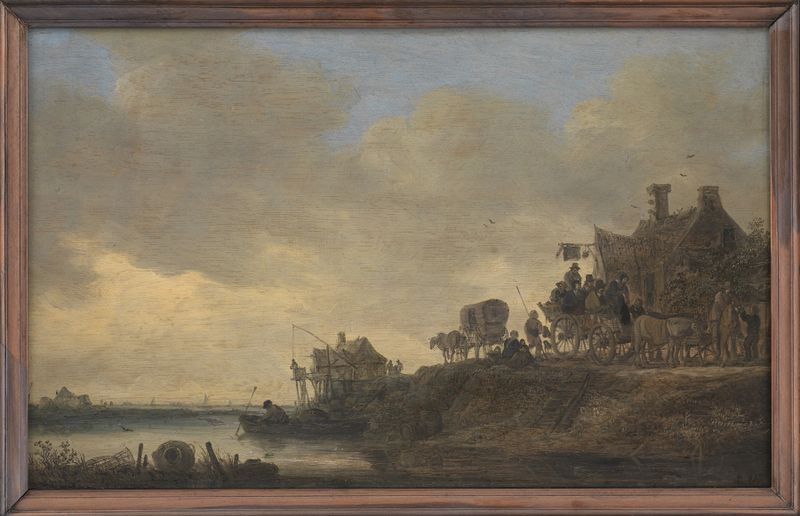
River Scene with the ‘Swan’ Tavern
Jan van Goyen

The Valkhof in Nijmegen
Jan van Goyen
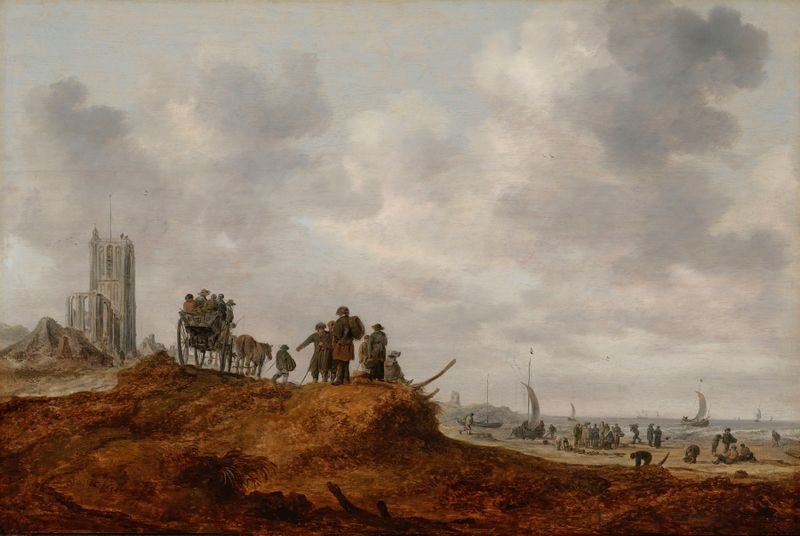
The Old Church at Egmond aan Zee
Jan van Goyen
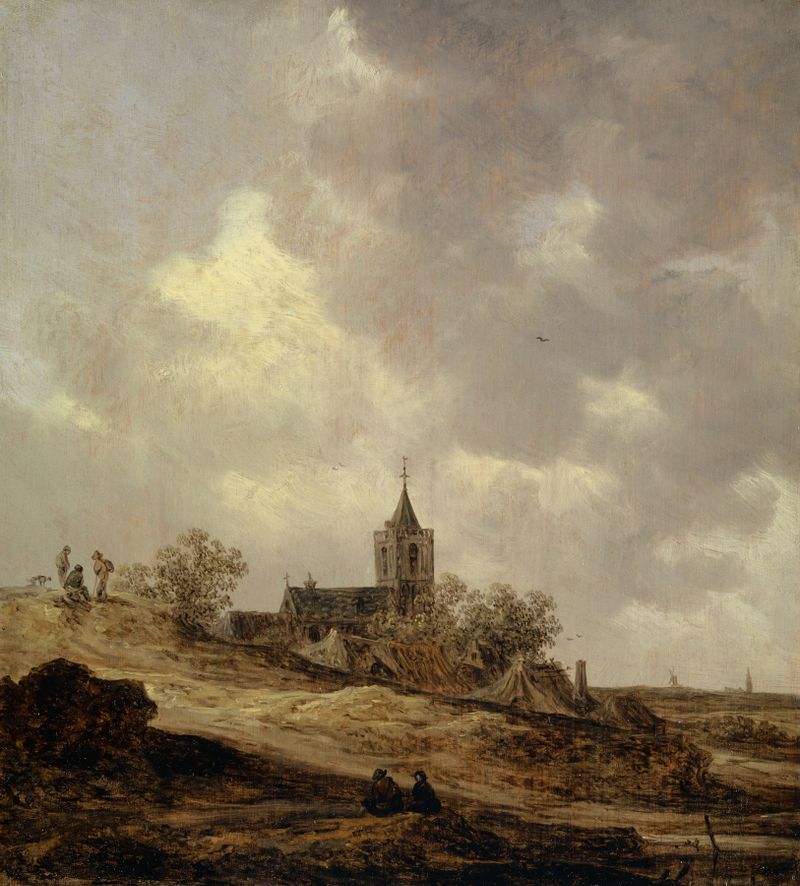
Village Church seen from the Dunes
Jan van Goyen
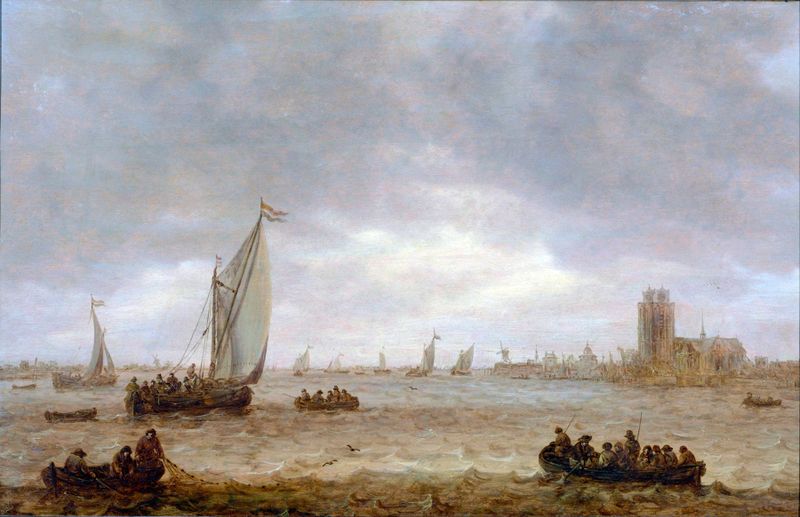
Mouth of the Meuse
Jan van Goyen

River Landscape with the Pellecussen Gate near Utrecht
Jan van Goyen
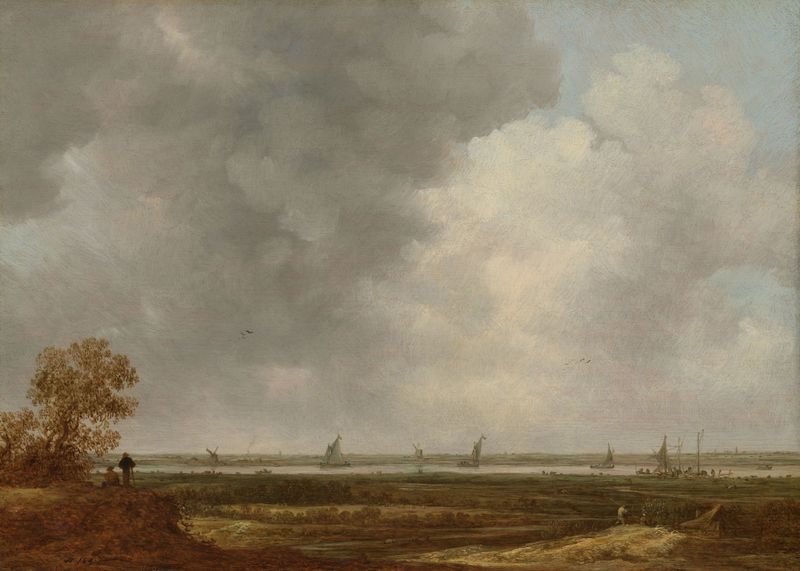
Panoramic View of a River with Low-lying Meadows
Jan van Goyen
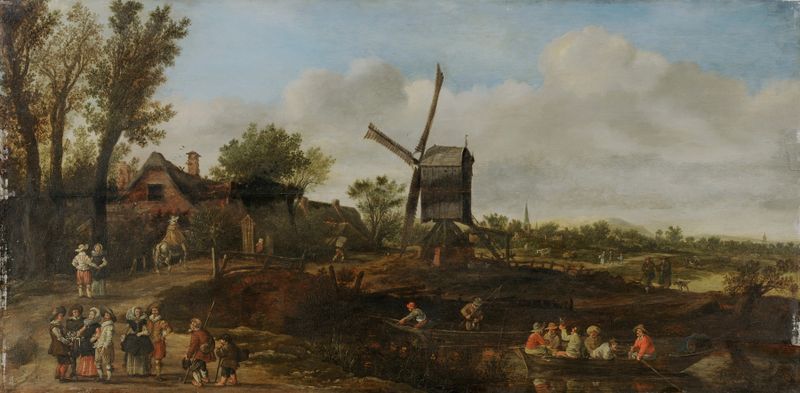
Dutch Landscape
Jan van Goyen
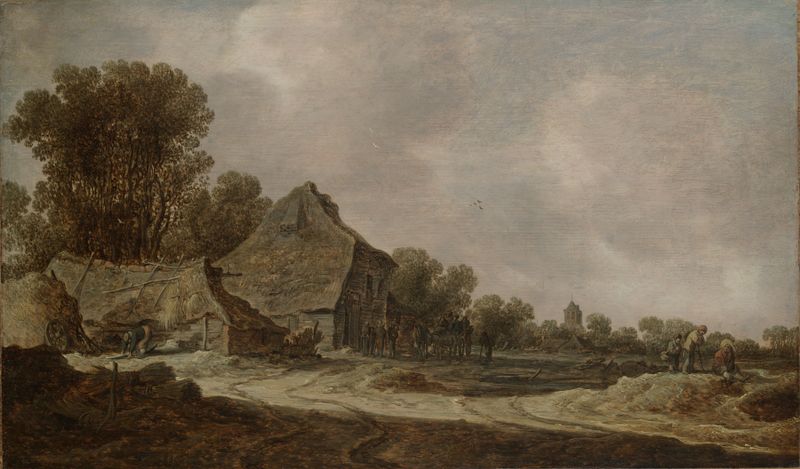
A Sandy Road with Thatched Cottages
Jan van Goyen
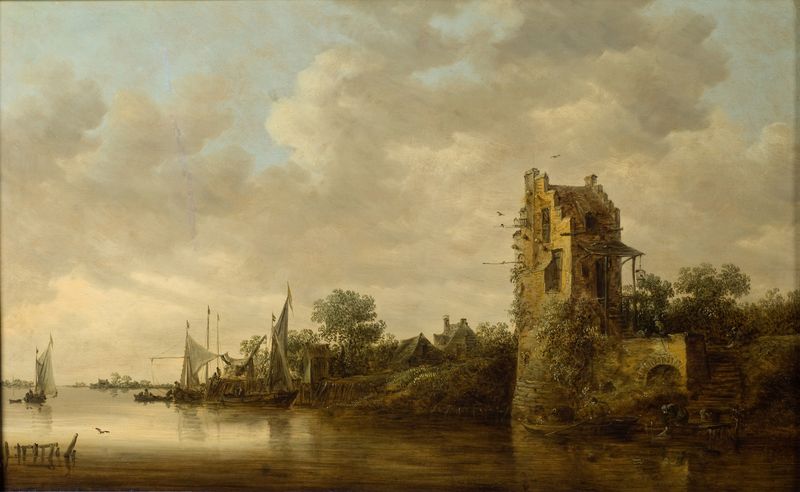
Riverside with an Old Tower
Jan van Goyen





