
The fisher’s hut — History & Facts
Is this a mirror — or a memory? The vibrant hues of twilight dance across the canvas, inviting the observer to step into a world where color transcends mere representation, becoming an emotional resonance that lingers long after the initial glance. Focus on the warm ochres and deep indigos that envelop the fisher's hut, nestled among a serene landscape. The interplay of light and shadow reveals the delicate brushwork employed by the artist, allowing each stroke to evoke a sense of both tranquility and solitude. Notice how the reflections shimmer upon the water's surface, creating an almost ethereal quality that draws the eye and stirs the heart. The juxtaposition of the rugged, weathered structure against the calm waters suggests a profound relationship between man and nature.
The subtle interplay of colors not only captures the fleeting moments of dusk but also speaks to the deeper narratives of resilience and the passage of time. Details like the gentle ripples in the water echo the quietude of the scene, hinting at stories untold, while the vibrant sky suggests hope and renewal. In 1910, David Young Cameron was deeply engaged in exploring the nuances of color and light in landscape painting, particularly in Scotland. At this time, he was gaining recognition for his ability to convey atmosphere and emotion through his work, aligning with the Post-Impressionist movement.
The world of art was transitioning, and Cameron's exploration of color in The fisher’s hut reflects his desire to capture both the physical and emotional essence of his surroundings.
More Artworks by David Young Cameron
Browse all →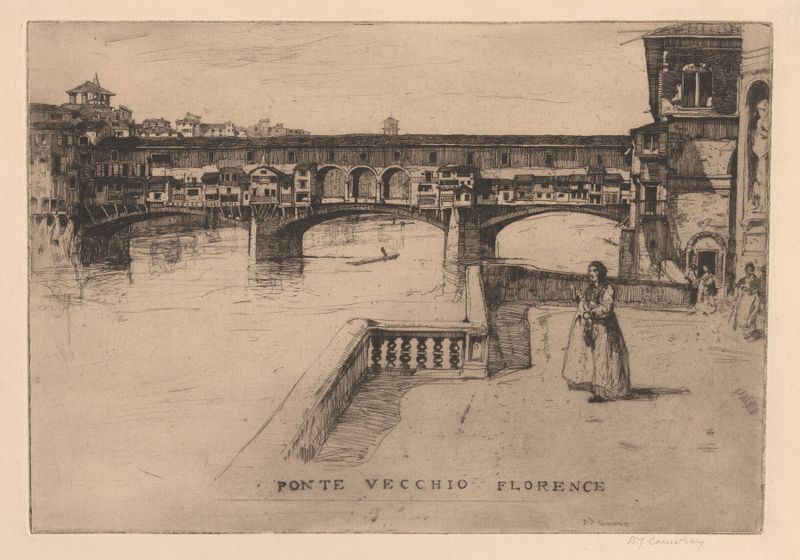
Ponte Vecchio
David Young Cameron

The Deanery, Winchester
David Young Cameron
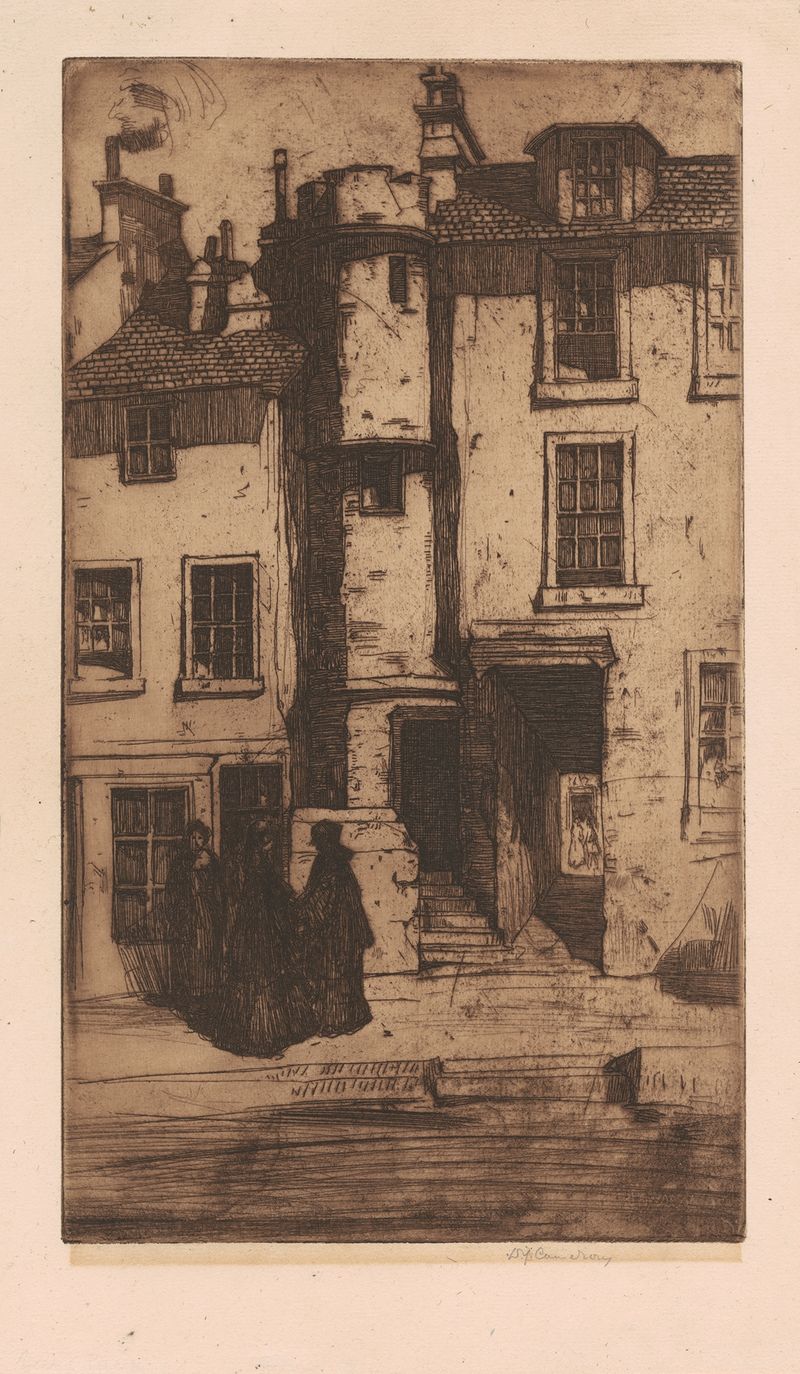
Old Houses, Stirling
David Young Cameron
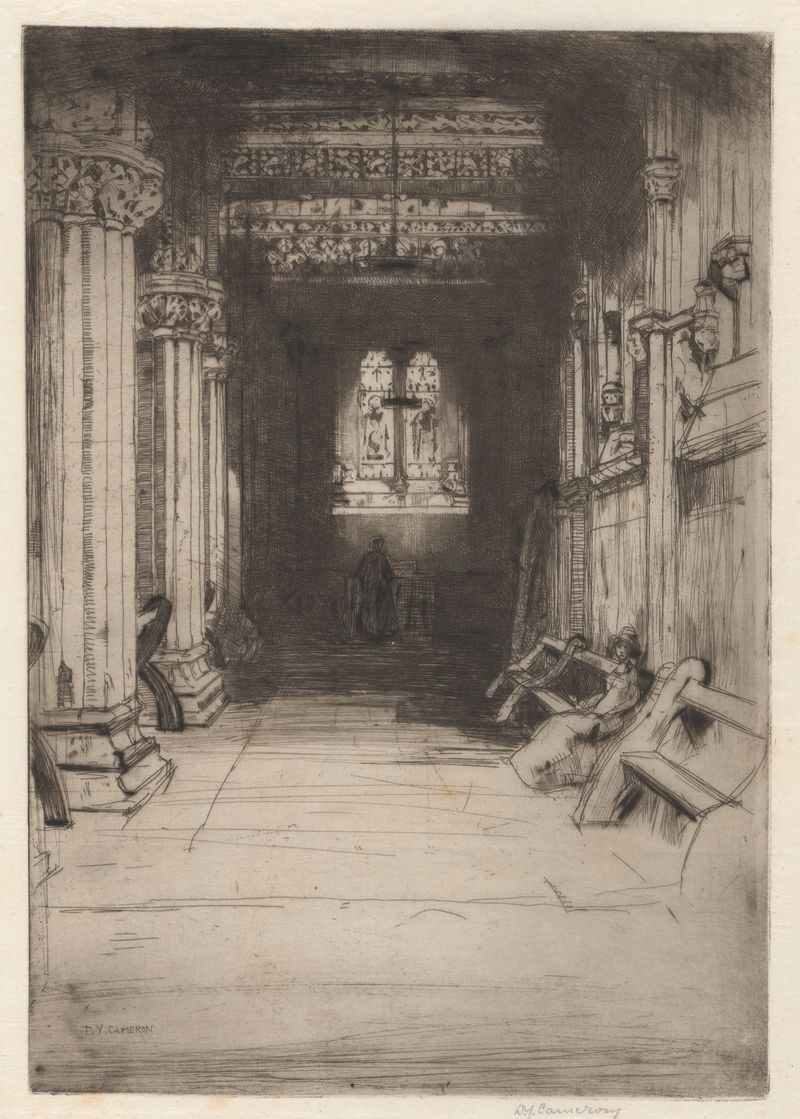
Rosslyn Chapel
David Young Cameron

The Old Museum, Beauvais
David Young Cameron
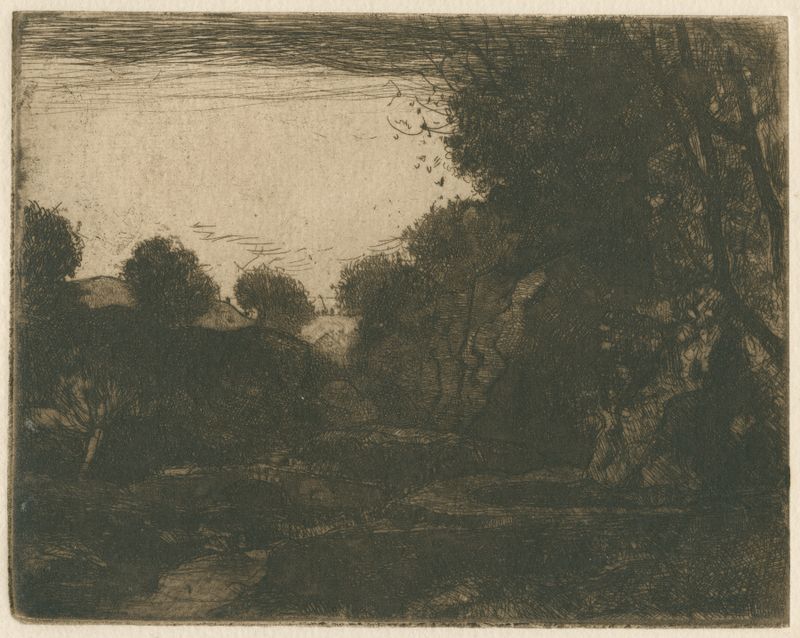
On the Bradford
David Young Cameron

The Smithy
David Young Cameron
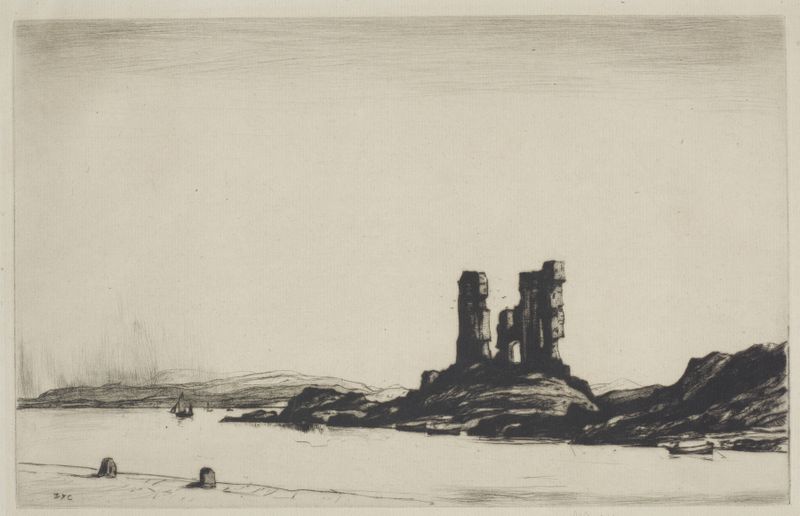
Castle Moyle
David Young Cameron
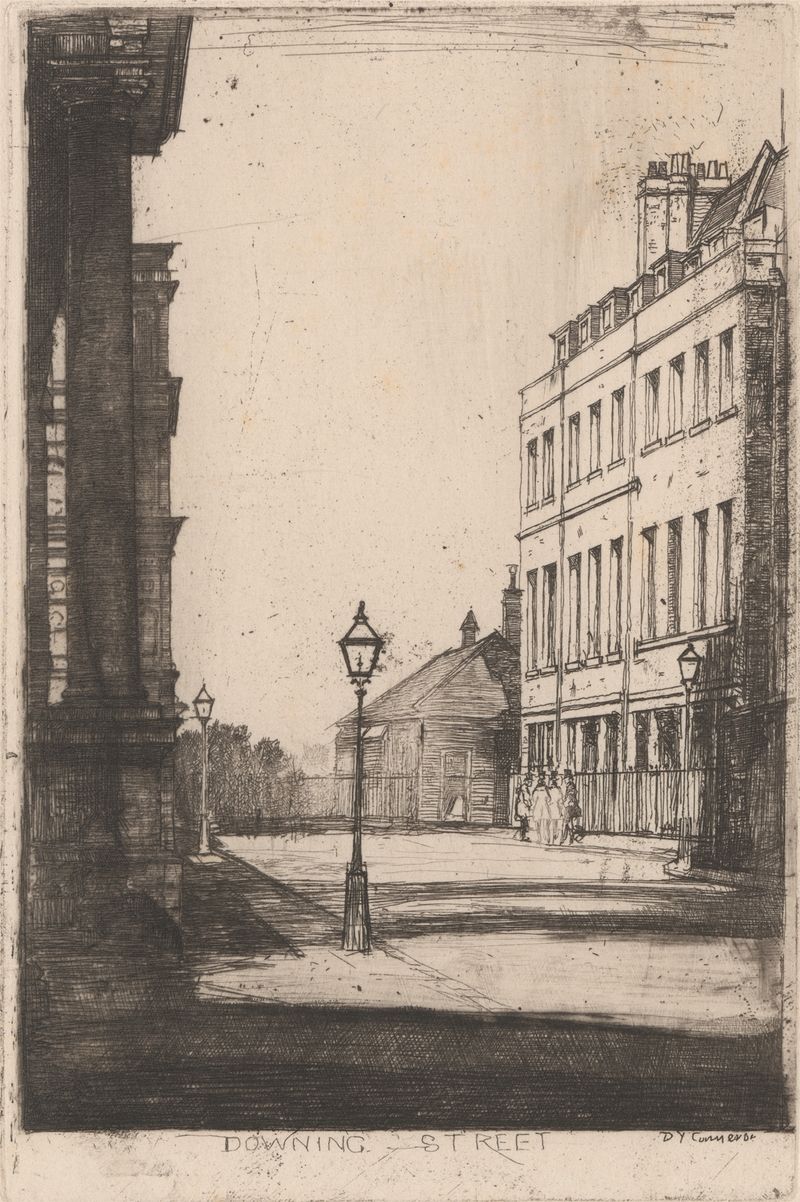
Downing Street
David Young Cameron

Glasgow Cathedral
David Young Cameron





