
The Fisher’s Hut — History & Facts
What secret hides in the quiet of the canvas? In the stillness of The Fisher’s Hut, a palpable longing resonates through the muted colors and gentle brushstrokes, beckoning viewers to explore the depths of solitude and reflection. Look to the left at the quaint structure nestled against the backdrop of a serene landscape. The hut, rendered in earthy browns and grays, stands solid yet humble, its roof slouched slightly as if bearing the weight of countless untold stories. Notice how the light filters through the soft clouds above, illuminating patches of grass and water that shimmer with a ghostly glow.
This delicate interplay of light and shadow creates a sense of tranquility, inviting you to step into the world of the fisherman and share in their quiet existence. Yet beneath this calm surface lies a tension between isolation and connection. The still water reflects not only the sky but also a longing for companionship amidst the vastness of nature. The solitary hut evokes a sense of yearning, while the expansive landscape speaks to the freedom and solitude that accompany the life of a fisherman.
Each element, from the rustling reeds to the distant horizon, captures the intricacies of solitude, revealing a profound emotional depth within the simplicity of rural life. In 1910, during a period of artistic experimentation and reflection, the artist found himself immersed in the nuances of landscape painting. Working in Scotland, he sought to explore the emotional resonance of nature, capturing moments of quiet contemplation. This piece is emblematic of his ability to blend impressionistic techniques with a deep sense of place, illustrating both the beauty and the loneliness of human experience within the natural world.
More Artworks by David Young Cameron
Browse all →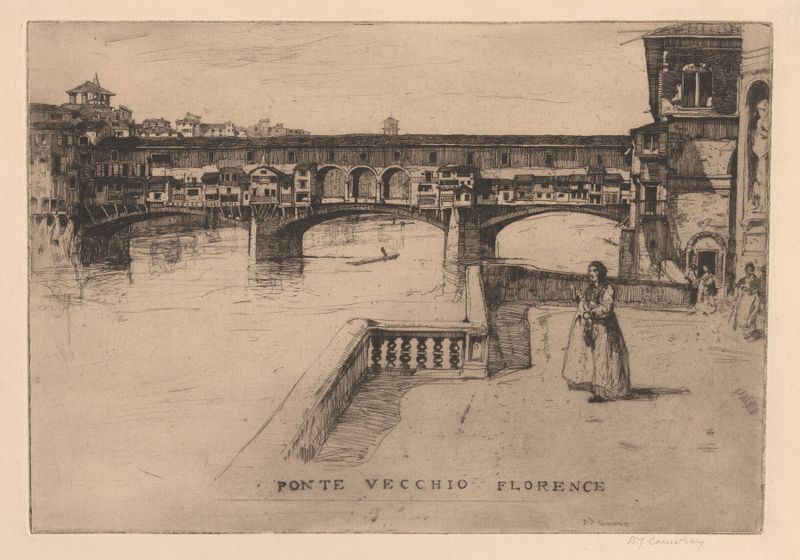
Ponte Vecchio
David Young Cameron

The Deanery, Winchester
David Young Cameron
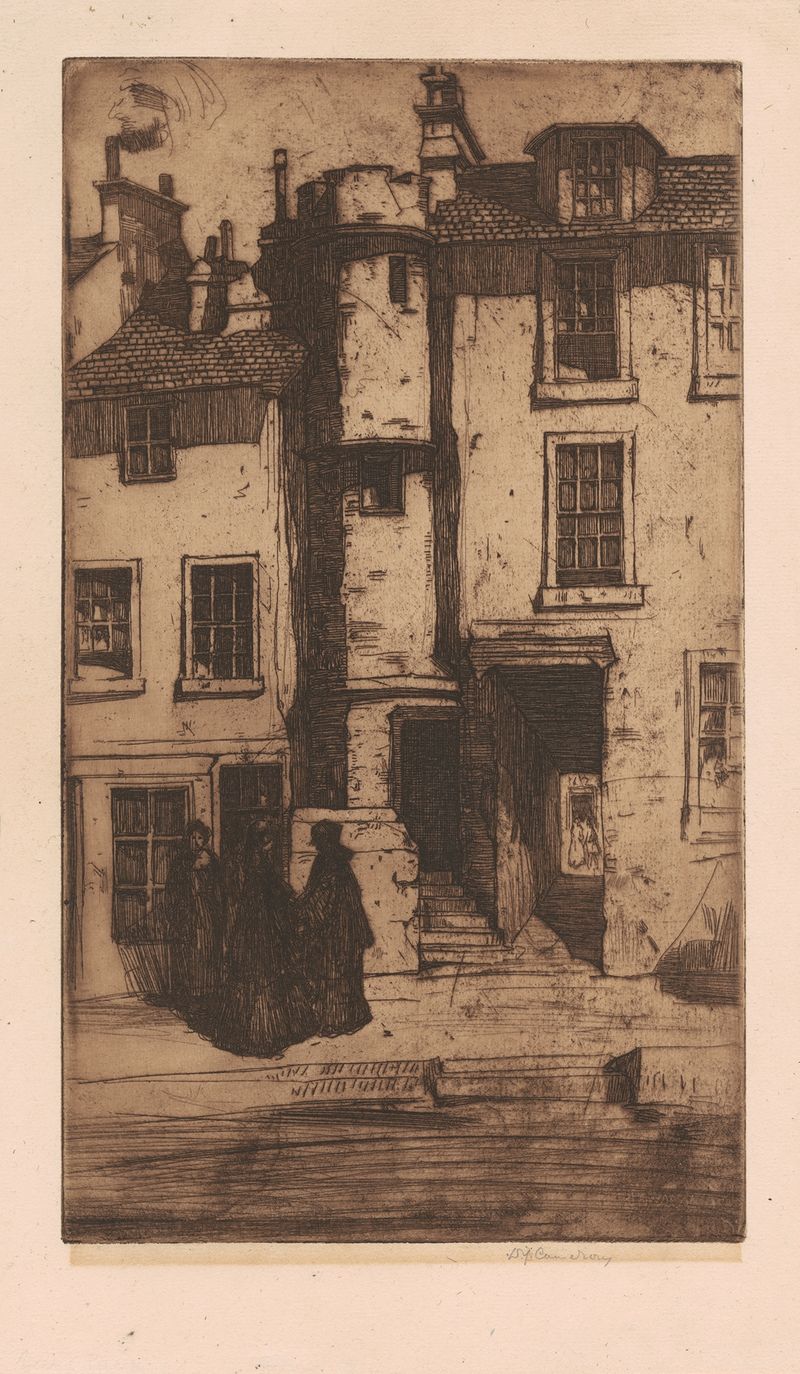
Old Houses, Stirling
David Young Cameron
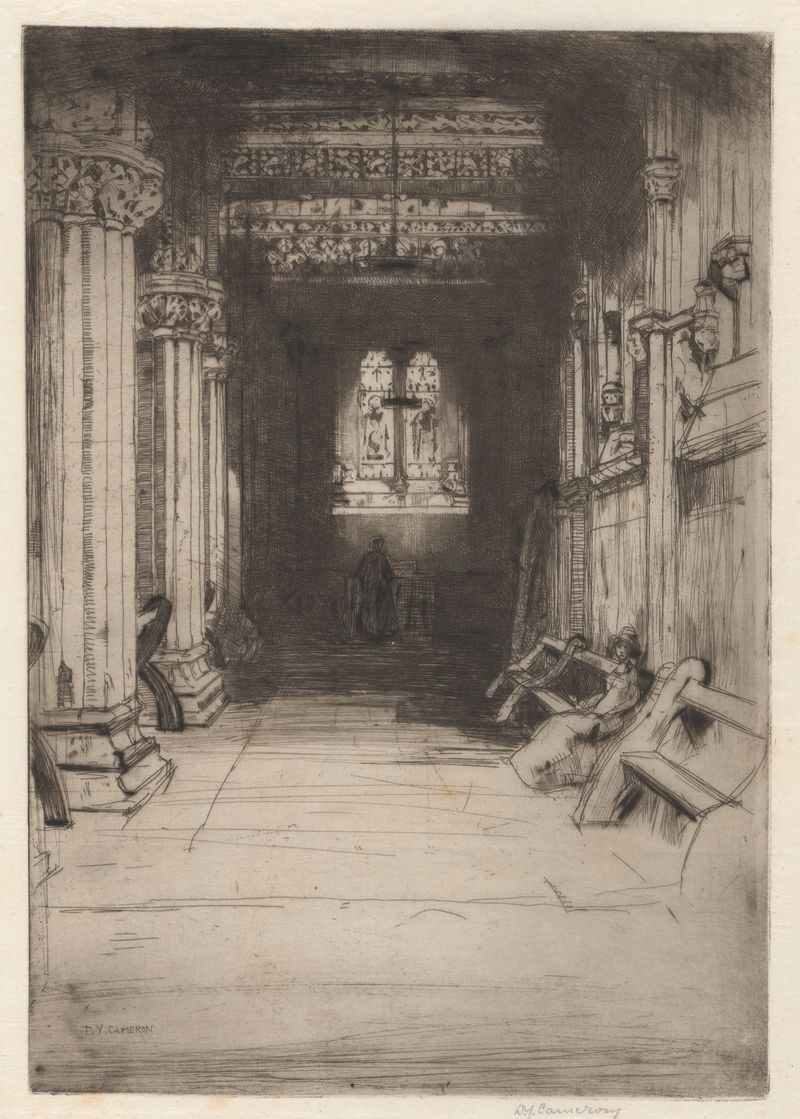
Rosslyn Chapel
David Young Cameron

The Old Museum, Beauvais
David Young Cameron
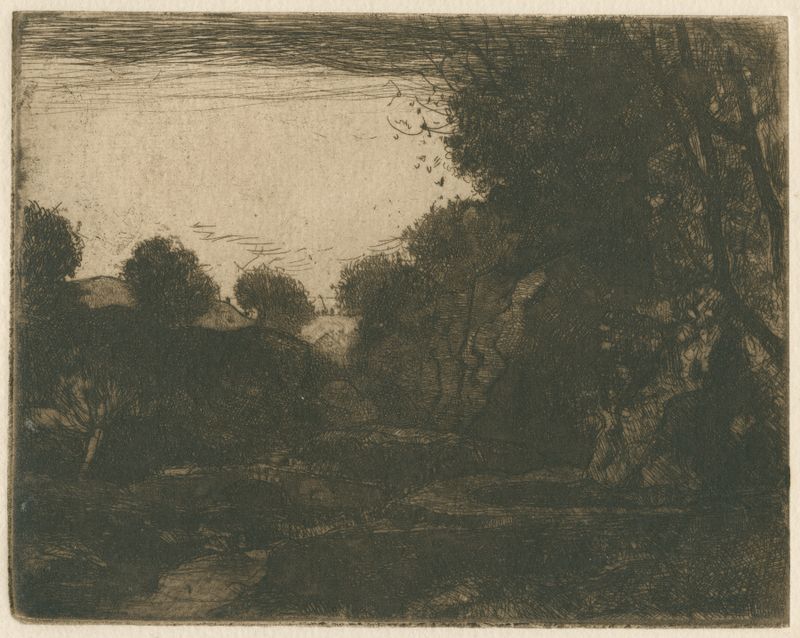
On the Bradford
David Young Cameron

The Smithy
David Young Cameron
Castle Moyle
David Young Cameron
Downing Street
David Young Cameron

Glasgow Cathedral
David Young Cameron





