
The Flight into Egypt — History & Facts
In the tumult of existence, chaos can be the catalyst for transformation and refuge. Focus on the swirling clouds that engulf the sky, painted in hues of deep blue and grey, which seem to echo the turbulent emotions of the fleeing family. The horses, powerful yet restrained, are caught mid-stride, their muscles taut with urgency. Notice how the light breaks through in delicate patches, illuminating the faces of Mary, Joseph, and the child, portraying not just fear but unwavering hope amidst their plight.
Seekatz’s deft use of color and movement captures both the physical exertion and the emotional weight of their journey, creating a rhythm that pulls the viewer into the scene. Beneath the surface of this flight lies a rich tapestry of contrasts—between chaos and serenity, fear and faith, urgency and calm. The figures, though in motion, are painted with a stillness that suggests resilience in the face of adversity. Look closely at the expressions; there is a solemnity in their eyes that speaks to the sacrifices made for protection and love.
The juxtaposition of the heavy clouds above and the illuminated figures below creates a poignant reminder of the shadows that often accompany hope. Seekatz painted this work during a period in which many artists were exploring themes of migration and refuge, as Europe faced political upheaval and displacement. The exact date of creation remains uncertain, but it reflects a time when the artist was deeply engaged with the emotional landscape of human experience, capturing the universal struggle for safety and belonging through the lens of a sacred journey.
More Artworks by Johann Conrad Seekatz
Browse all →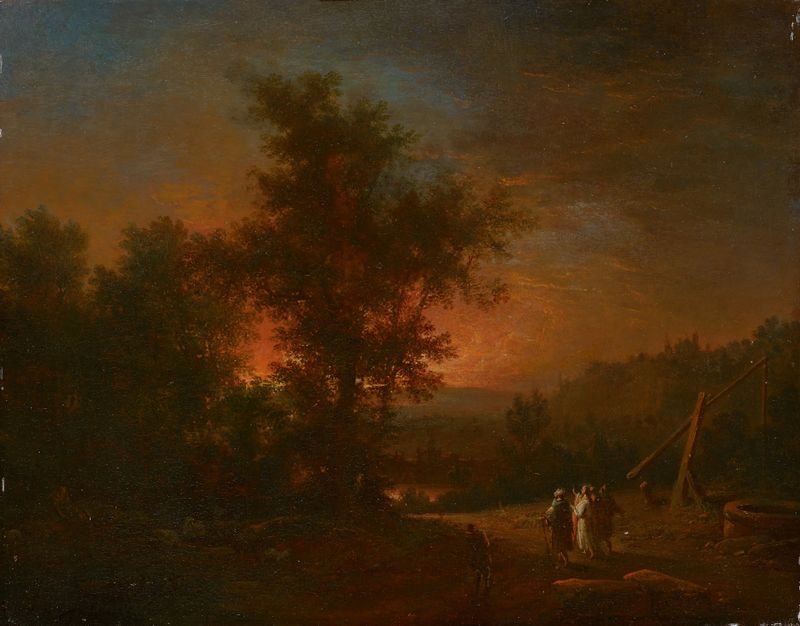
More Historical Art
Browse all →
The Night Watch Militia Company of District II under the Command of Captain Frans Banninck Cocq
Rembrandt van Rijn

Lincoln Memorial
Henry Bacon

The Third of May 1808
Francisco de Goya

Isaac and Rebecca, Known as ‘The Jewish Bride’
Rembrandt van Rijn

The Charge of the Mamelukes (1814)
Francisco de Goya

De vier ruiters van de apocalyps
Albrecht Dürer