
The Flitch fortress — History & Facts
Can beauty exist without sorrow? This question lingers in the air, echoing through the landscapes where the sublime meets the obsessive gaze of the beholder. Look to the foreground, where rugged cliffs rise defiantly against a sky painted with soft hues of dawn. The fortress stands proudly atop the precipice, its stone walls bathed in a gentle, golden light that contrasts sharply with the deep shadows lurking around its base. Notice how the intricate textures of the stonework draw you in, inviting you to explore every crevice and detail, while the delicate play of light and shadow creates a tension between strength and fragility. This piece reveals an underlying narrative of conflict and longing.
The fortress, a symbol of protection and isolation, suggests the obsessive desire to keep the world at bay, yet it is set against the backdrop of a breathtaking landscape that calls for freedom and connection. Each brushstroke whispers tales of both power and vulnerability, leading to the poignant realization that beauty often thrives amidst sorrow, creating an emotional depth that resonates deeply. Thomas Ender painted this work in the early 19th century, during a period when he was captivated by the dramatic landscapes of the Alps. Living in an era marked by Romanticism, he sought to evoke the sublime through his art, reflecting both personal aspirations and broader artistic trends.
This painting, rooted in the picturesque beauty of Bovec, encapsulates a moment where the artist’s inner turmoil and the natural world collide, creating a lasting testament to the complexities of human emotion.
More Artworks by Thomas Ender
Browse all →
Der Grundlsee in der Steiermark
Thomas Ender

Der Großglockner mit der Pasterze
Thomas Ender
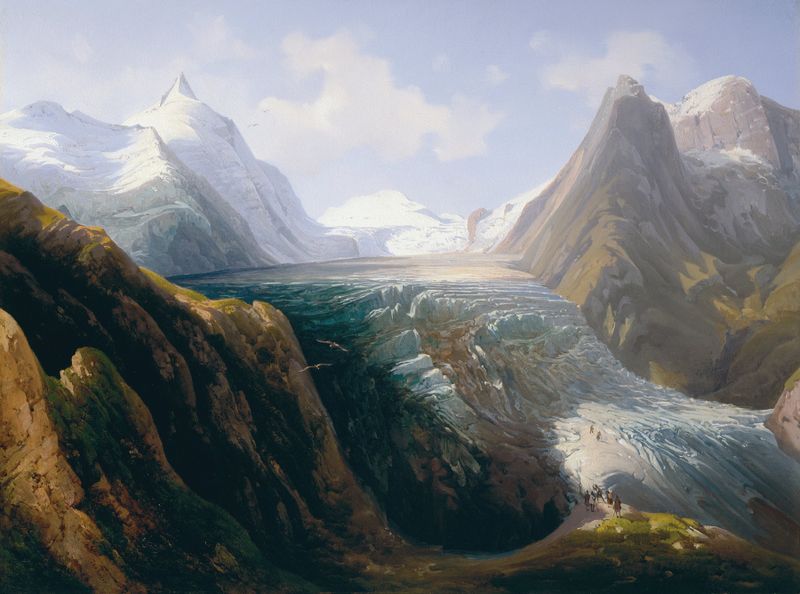
Der Großglockner mit der Pasterze
Thomas Ender
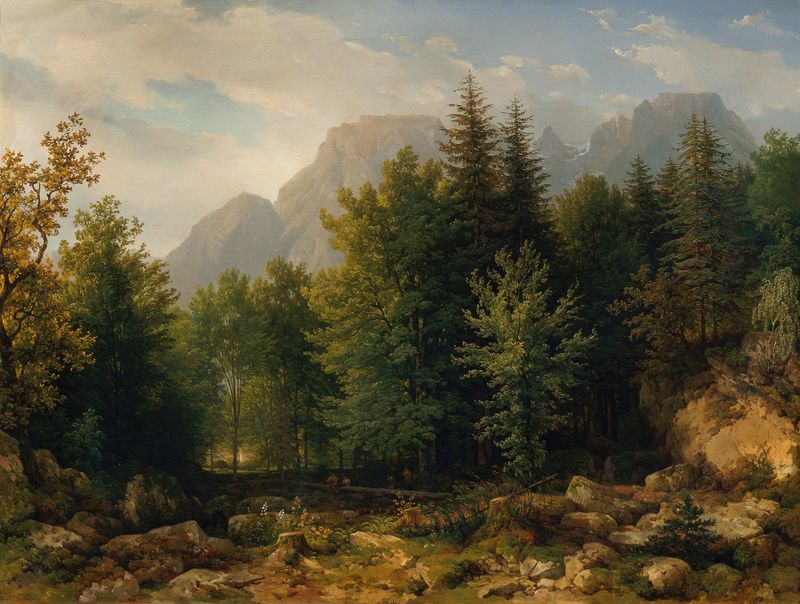
Waldlandschaft im Hochgebirge
Thomas Ender

A view of Bad Aussee with Loser mountain
Thomas Ender

Gasteinertal with a View of the Waterfall in Bad Gastein
Thomas Ender

Der Altausseersee mit dem Dachstein
Thomas Ender
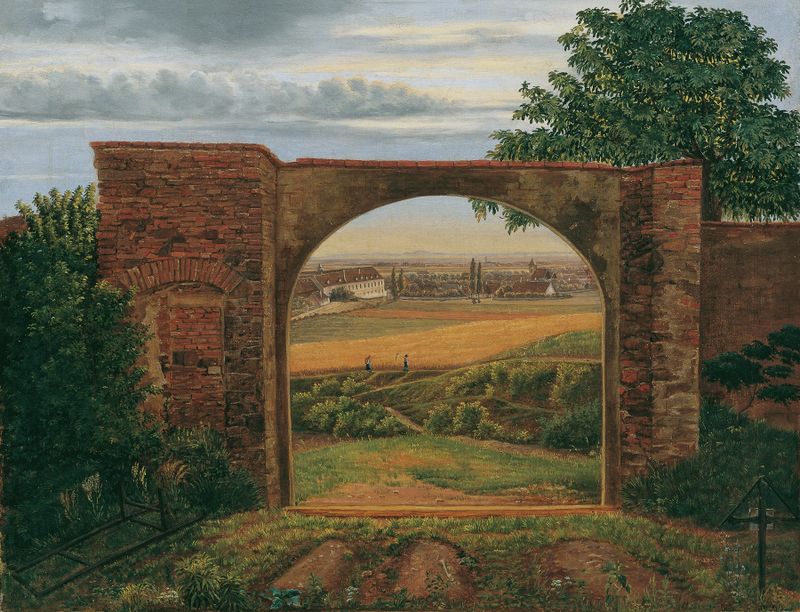
Das Friedhofstor (Friedhof bei Wien)
Thomas Ender
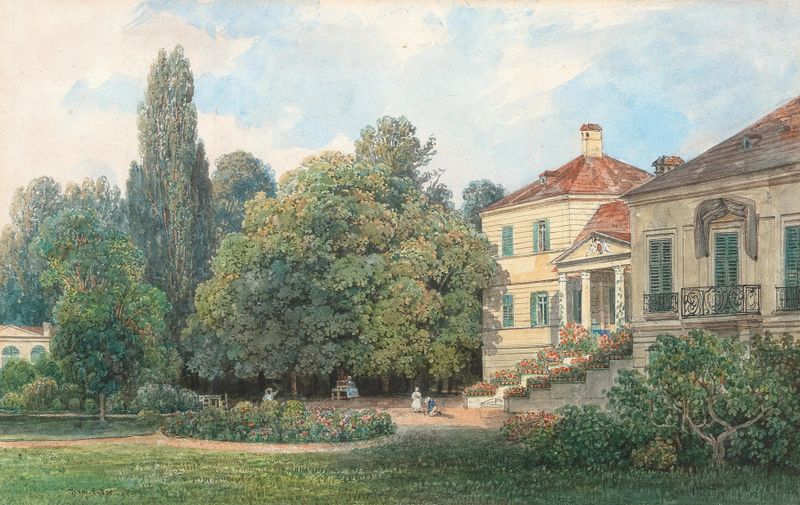
Villa in a park
Thomas Ender

View of Leopoldsberg with resting women and sheep in the foreground
Thomas Ender





