
The Ford — History & Facts
In The Ford, innocence emerges as a paramount theme, inviting viewers to explore the delicate interplay between nature and humanity. Focus first on the subtle hues of twilight that envelop the scene, a soft gradient of blues and golds that captures the gentle descent of day. The figures, silhouetted against the shimmering water, draw the eye with their tender expressions and delicate postures as they wade together. Notice how the brushstrokes evoke the rippling water, blurring the boundaries between the figures and their surroundings, reinforcing an intimate connection with nature. Delving deeper, the contrast between the tranquil scene and the looming shadows creates an emotional tension, hinting at the fragility of innocence.
The figures appear carefree, yet the encroaching darkness suggests a fragile boundary that innocence must navigate in a world of uncertainty. Each gesture — a hand reaching out, a foot poised above the water — embodies a moment suspended between vulnerability and resilience. Created in 1915, this painting emerged during a time when the world was engulfed in the chaos of World War I. Frederick Landseer Maur Griggs, a British artist, sought refuge in depicting serene landscapes and human connections, contrasting the tumultuous realities of his era.
In this work, he encapsulates not just a moment in nature, but a poignant reminder of innocence in tumultuous times.
More Artworks by Frederick Landseer Maur Griggs
Browse all →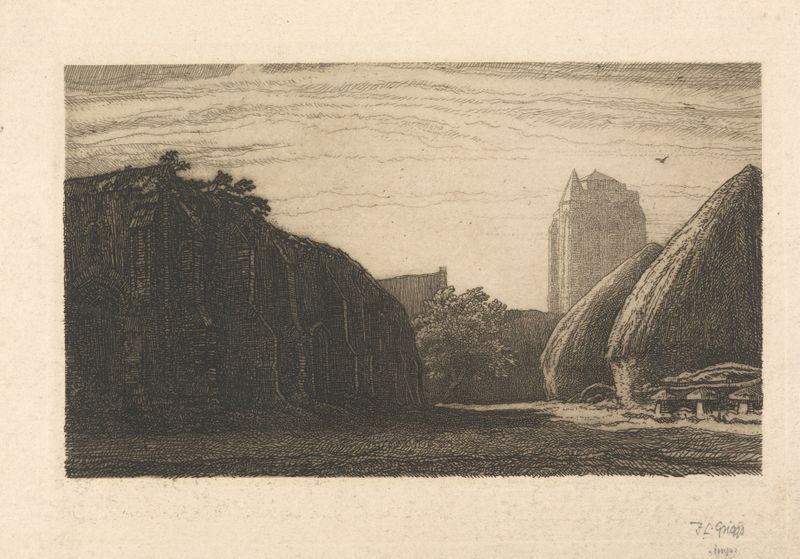
Maur’s Farm
Frederick Landseer Maur Griggs
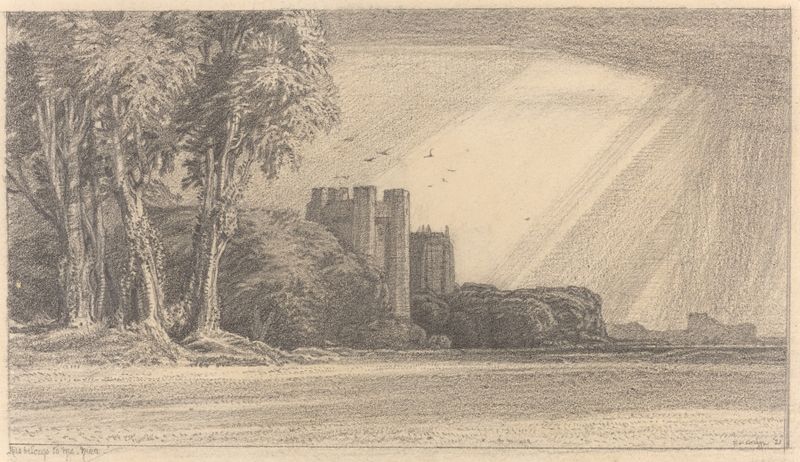
Landscape with Castle
Frederick Landseer Maur Griggs
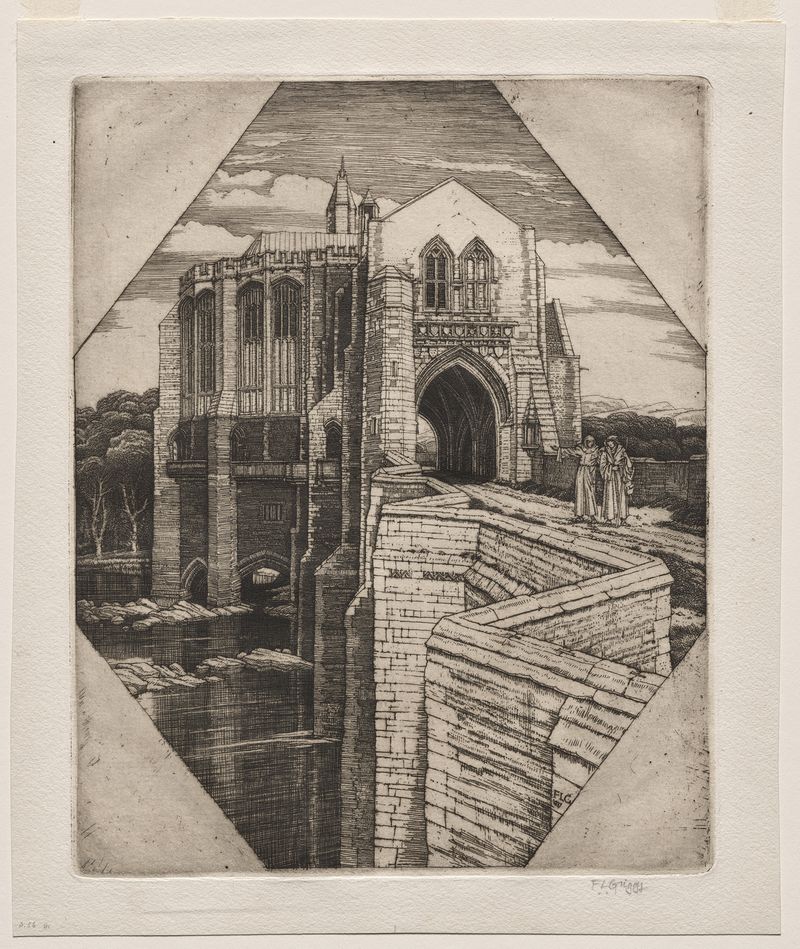
St. Botolph’s Bridge No. 2 1937
Frederick Landseer Maur Griggs
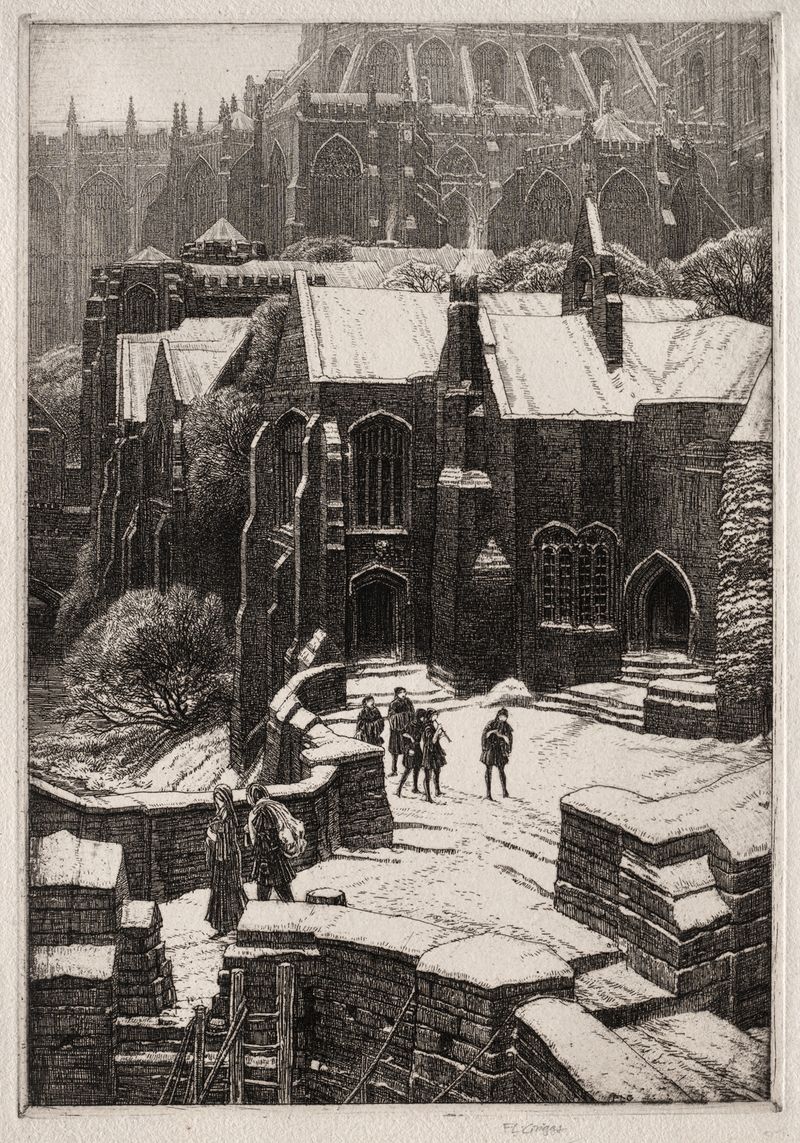
The Almonry
Frederick Landseer Maur Griggs

The Cresset
Frederick Landseer Maur Griggs
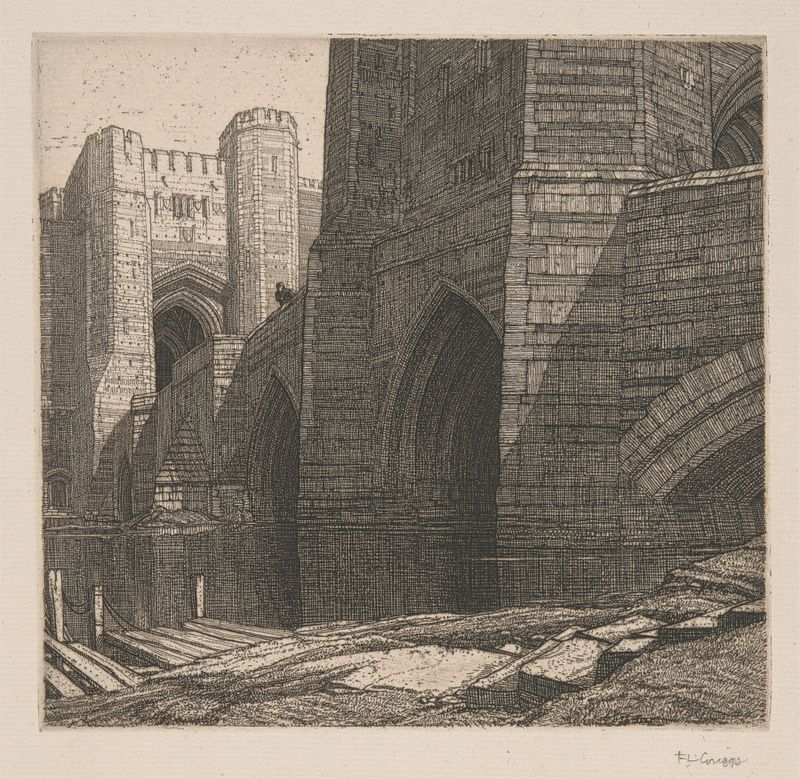
The Barbican
Frederick Landseer Maur Griggs

Maur’s Farm
Frederick Landseer Maur Griggs
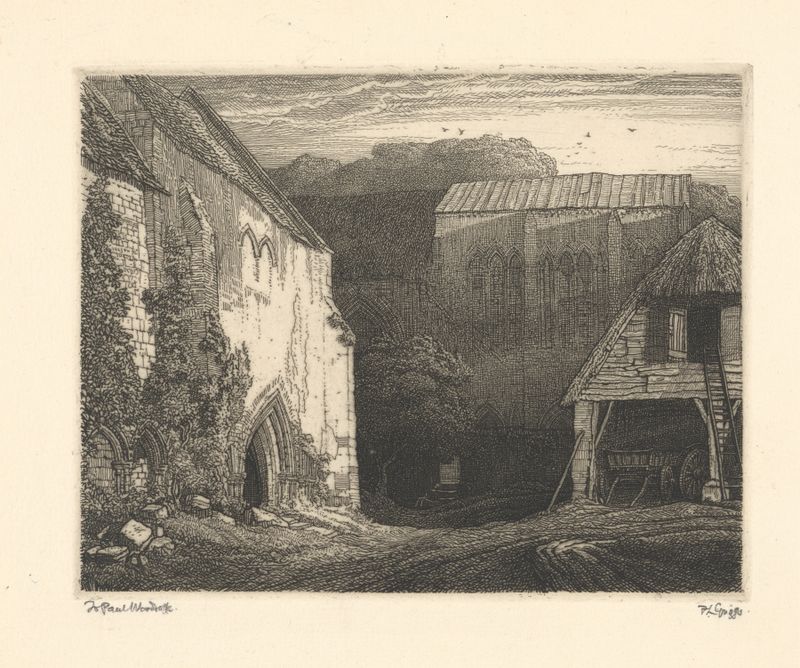
Priory Farm
Frederick Landseer Maur Griggs

St. Wendred’s March
Frederick Landseer Maur Griggs
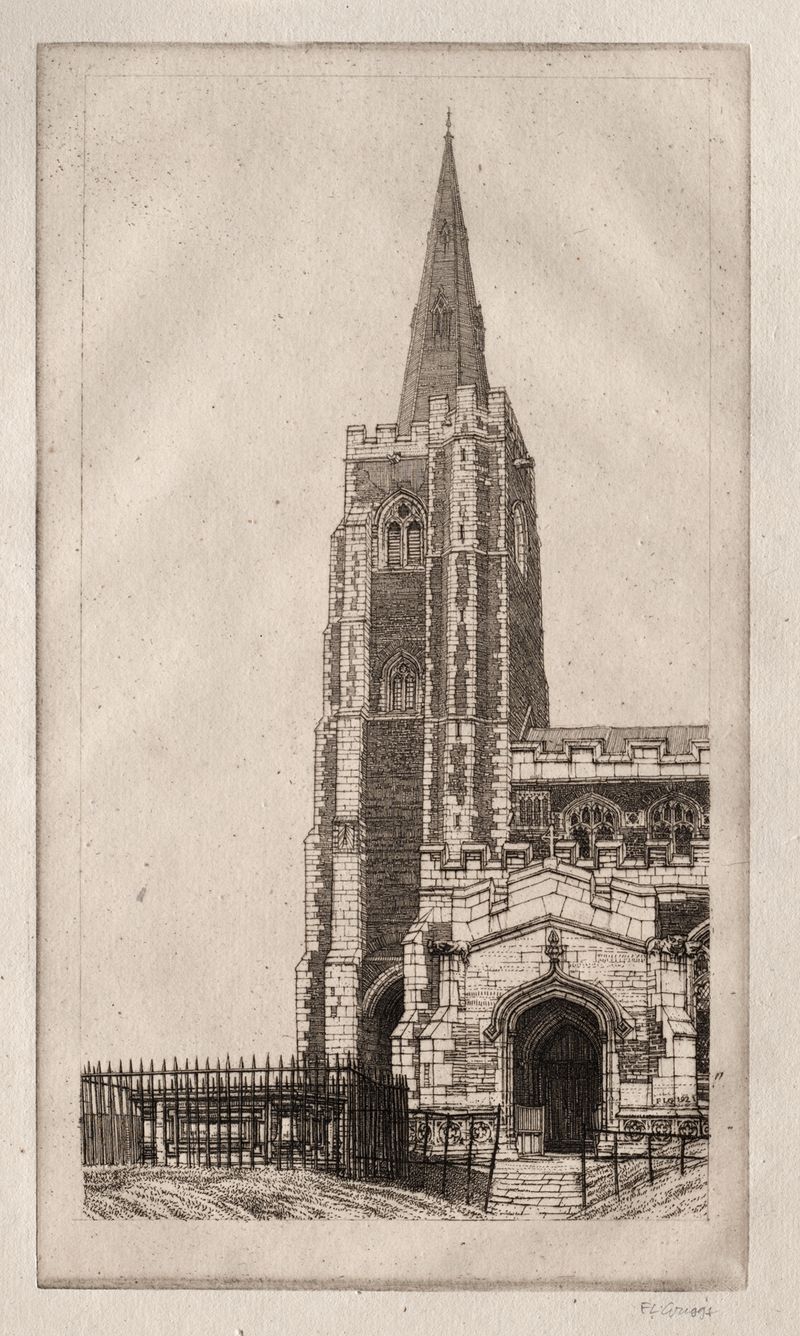
St. Wendred’s, March
Frederick Landseer Maur Griggs





