The Forest — History & Facts
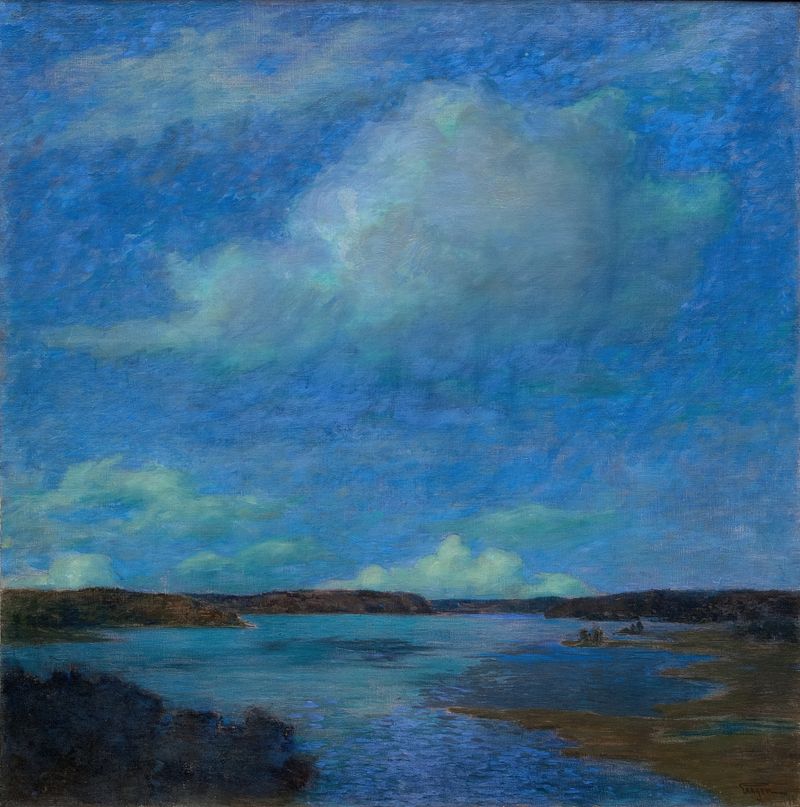
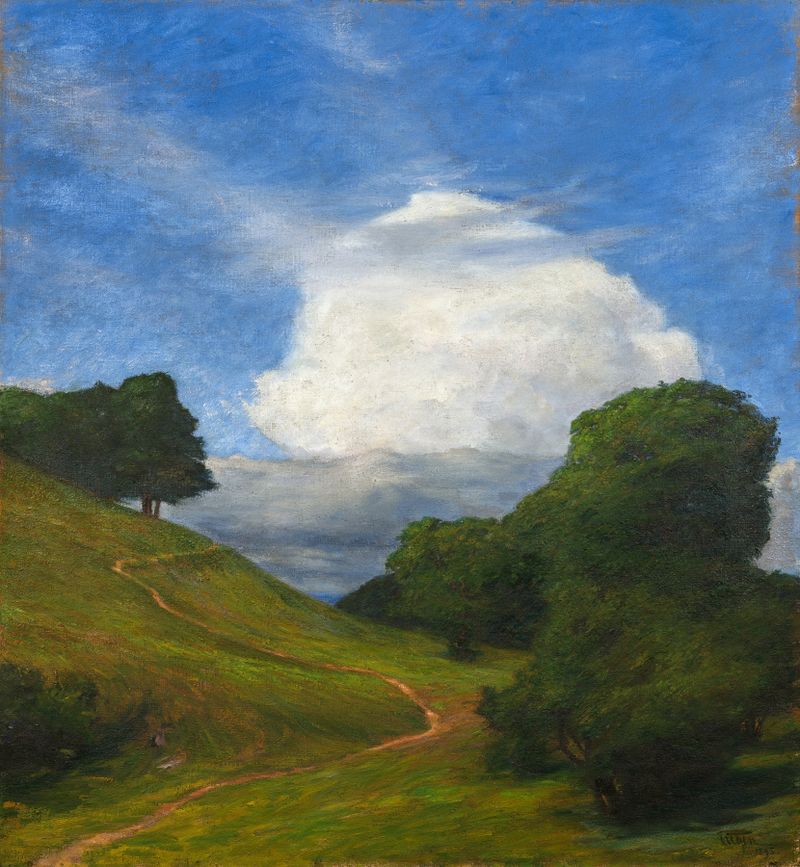
What secret hides in the quiet of the canvas? Perhaps it whispers of destiny, woven through the emerald hues and shadows of nature. Look to the center, where a dense thicket of trees rises majestically, their trunks standing like silent sentinels. Notice how the light flickers through the leaves, creating a tapestry of dappled sunlight and dark shadows that evokes both mystery and tranquility. The rich greens and browns blend seamlessly, inviting viewers into a world that feels alive yet elusive, where every brushstroke plays a vital role in the composition's rhythmic balance. As you explore the edges of the painting, you might sense an emotional tension between the tranquility of the forest and the looming presence of the unknown.
The path that winds its way through the trees suggests a journey—perhaps one of self-discovery or confrontation with one's fate. Delve into the intricate details, such as the delicate highlights on the foliage, which speak to the fragility of life and the inevitability of change; each element draws a connection to the eternal cycles of nature. In 1892, while creating The Forest, the Duke was immersed in the landscapes of Sweden, reflecting a personal connection to his heritage. This period marked a transition in the art world as Romanticism began to wane, making way for new movements.
Simultaneously, the artist was navigating his role in life; a nobleman with a keen eye for beauty, he sought solace in the natural world, capturing not just the scenery but also his own contemplative spirit.