Ships at Anchor. Winter — History & Facts
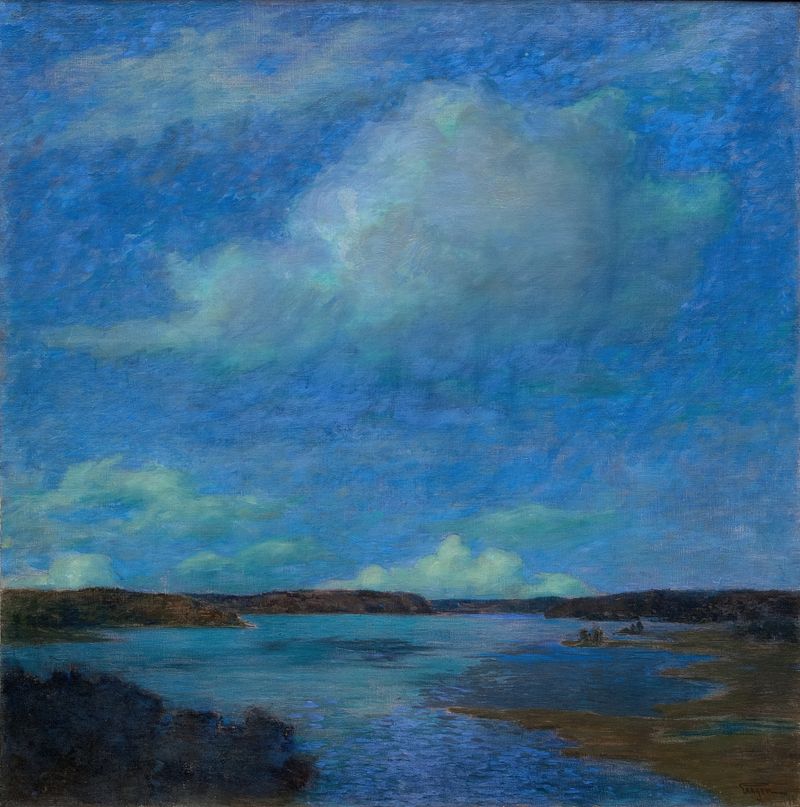
Here, time is suspended as winter’s chill blankets the world, mirroring the hushed anticipation of rebirth. In this frozen landscape, the vessels rest, anchored yet full of promise, as nature prepares its renewal. Look closely at the horizon, where muted grays and soft whites converge to form a seamless expanse of winter sky. The ships, painted with delicate strokes, hold a stark contrast against the icy backdrop, their hulls a deep, rich color that evokes a sense of warmth.
Notice how the gentle curves of the vessels echo the softness of the snow, while the calm waters reflect the stillness of the moment, capturing a serene yet contemplative ambiance. Within the stillness lies a tension between the frigid landscape and the potential for new beginnings. The boats, seemingly lifeless, symbolize waiting and readiness, embodying the duality of dormancy and expectation. The play of light on the water hints at the underlying movement of life below the surface, a reminder that even in the depths of winter, rebirth is quietly gathering strength. At the time this work was created, Prince Eugen, Duke of Närke, was an emerging figure in the art scene of Scandinavia.
His paintings, often depicting scenes of nature and landscapes, reflect a growing appreciation for the natural world during the late 19th century. This era was marked by a shift toward realism and an exploration of emotional connections to the environment, showcasing the artist's desire to capture fleeting moments in the beauty of simplicity.