
The Fort of Bidjegur — History & Facts
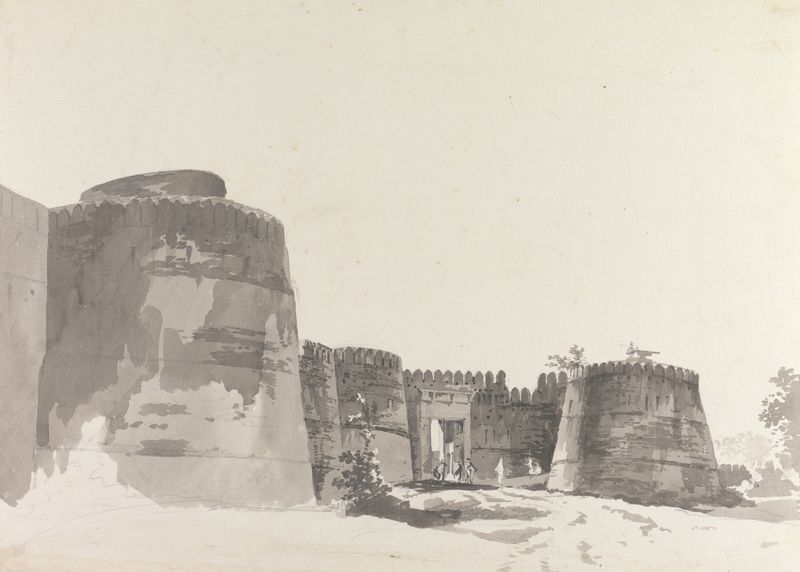
In the stillness of a moment captured on canvas, one senses an invitation to transcend the ordinary. The artwork speaks to the heart of exploration, revealing untouched landscapes where nature intertwines with human ambition, offering a glimpse into realms unmarred by time. Focus on the majestic fort that rises from the earth, its weathered stones bathed in the ethereal glow of dawn. Look closely at the intricate play of light and shadow that dances across the structure, highlighting its resilience against the backdrop of vast, open skies.
The rich earth tones contrast beautifully with the cool blues of the horizon, drawing the viewer’s eye towards the fort's silhouette as it stands prideful yet solitary amidst the wilderness. Beneath the surface, there lies a tension between civilization and nature. The fort, emblematic of human endeavor, is seemingly at odds with the wild expanse that surrounds it, suggesting a fragile coexistence. This juxtaposition speaks to the transient nature of human achievements, reminding us that even the mightiest structures are but a fleeting memory against the timeless backdrop of the earth's grandeur. William Hodges painted this work during his travels to the East in the late 18th century, a period marked by fervent exploration and interest in the unknown.
As a member of Captain Cook's expedition, he was deeply influenced by the landscapes he encountered. At that time, the art world was shifting towards romanticism, capturing not only the beauty of nature but also complex human emotions tied to these vast, uncharted territories.
More Artworks by William Hodges
Browse all →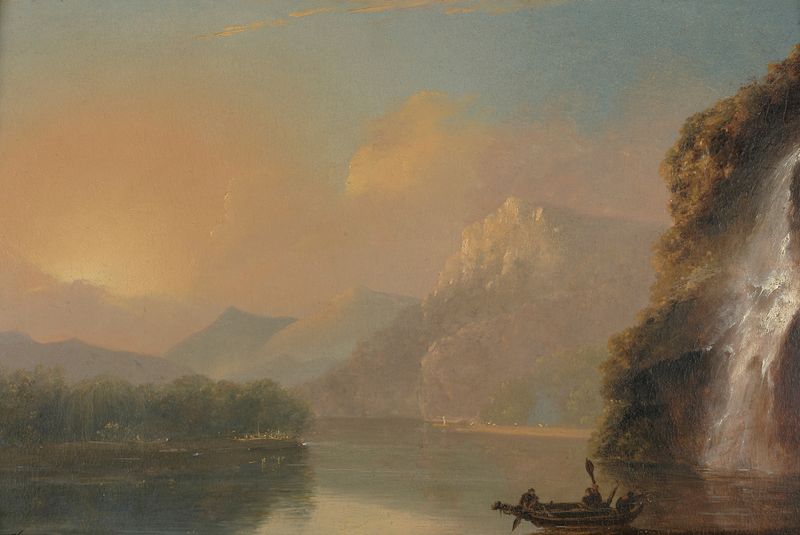
Waterfall in Dusky Bay with Maori canoe
William Hodges
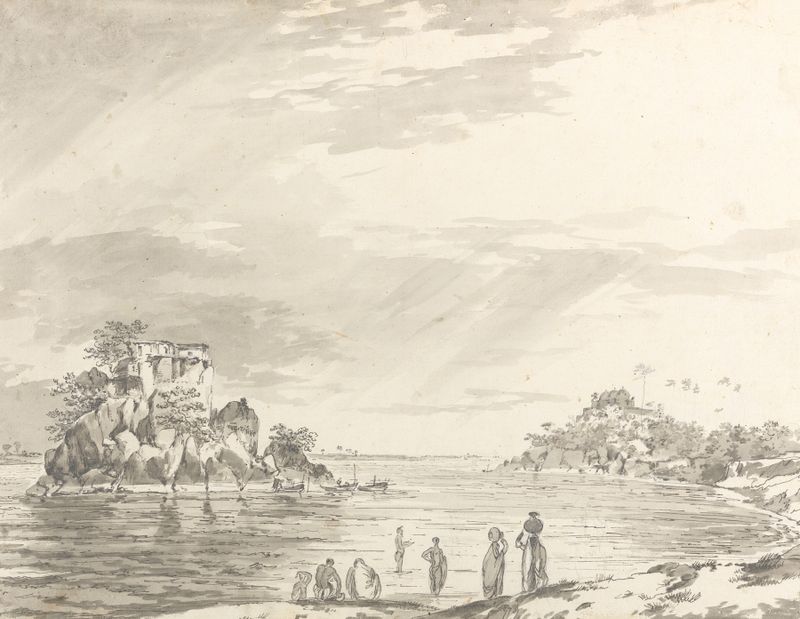
Original Drawings for Choix de Vues de L’Inde and Others Pl.15
William Hodges
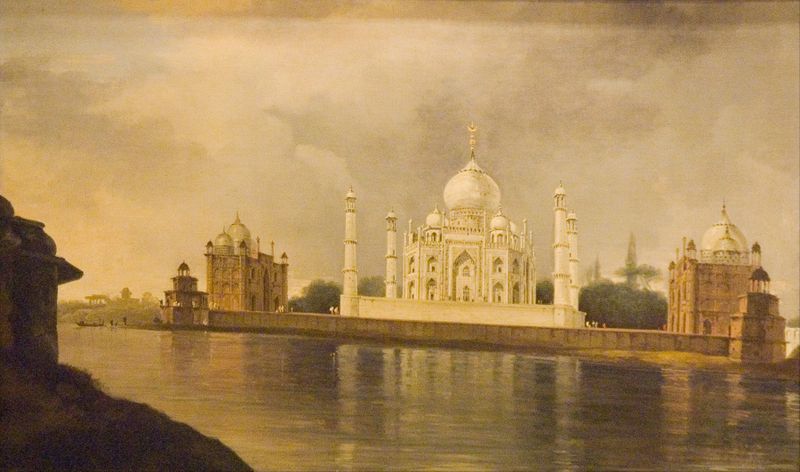
The Taj Mahal
William Hodges
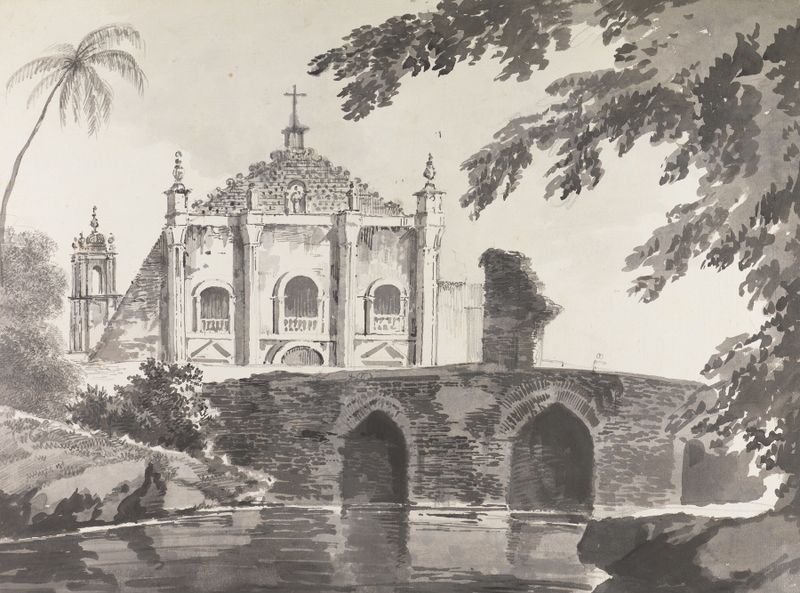
Original Drawings for Choix de Vues de L’Inde and Others Pl.50
William Hodges
Original Drawings for Choix de Vues de L’Inde and Others Pl.34
William Hodges
Original Drawings for Choix de Vues de L’Inde and Others Pl.03
William Hodges
Original Drawings for Choix de Vues de L’Inde and Others Pl.18
William Hodges
Original Drawings for Choix de Vues de L’Inde and Others Pl.10
William Hodges
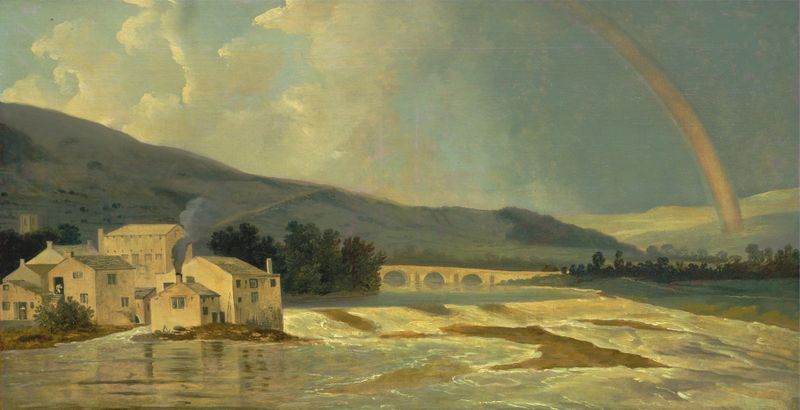
Otley Bridge on the River Wharfe
William Hodges
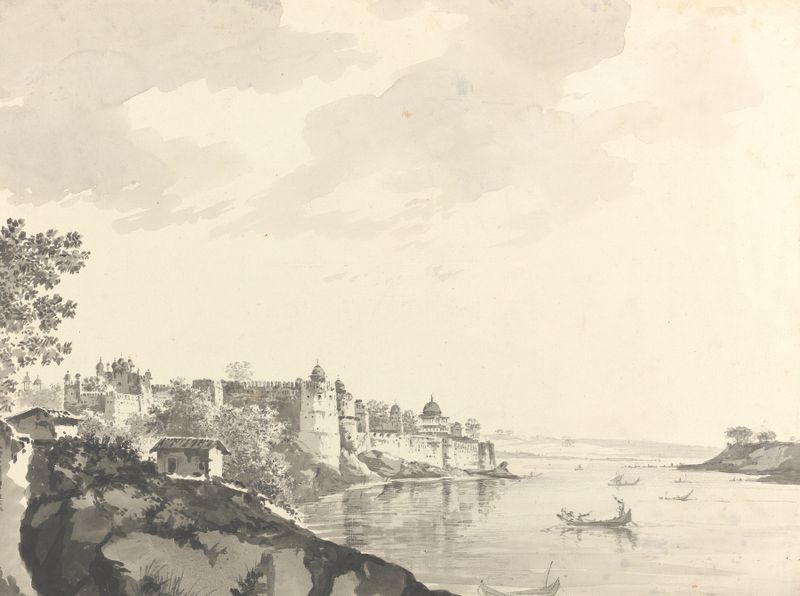
Original Drawings for Choix de Vues de L’Inde and Others Pl.08
William Hodges
More Architecture Art
Browse all →
The statue of Liberty
Frédéric Auguste Bartholdi

View of Houses in Delft, Known as ‘The Little Street’
Johannes Vermeer

View of Houses in Delft, Known as ‘The Little Street’
Johannes Vermeer

The Cathedral in Rouen. The portal, Grey Weather
Claude Monet

The yellow house
Vincent van Gogh

The Church in Auvers-sur-Oise, View from the Chevet
Vincent van Gogh