
The Forth — History & Facts
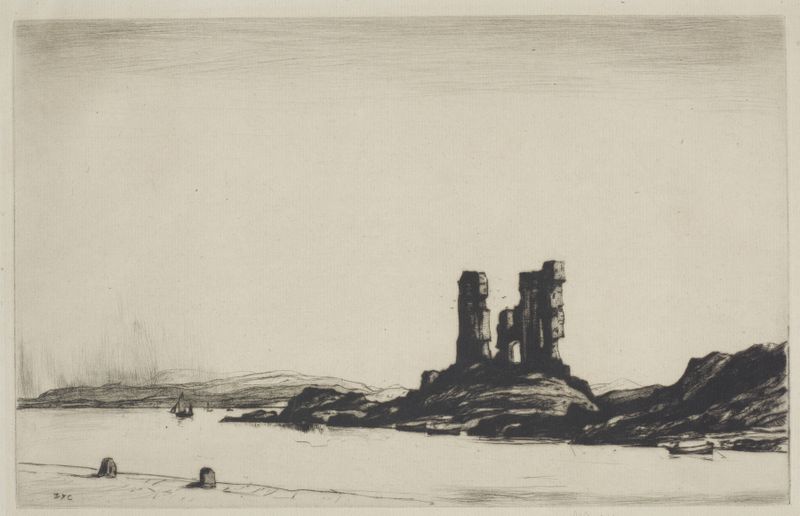
Where does light end, and longing begin? In the hazy embrace of twilight, the line between the two blurs, leaving behind a sense of betrayal that lingers in the air. Look to the left at the deep blue waters, where the shadows of the river blend seamlessly into the silvery tones of the sky. The brushstrokes are soft yet deliberate, capturing the ethereal quality of dusk as it wraps around distant hills. Notice how the light dances upon the surface, reflecting a world caught in the throes of transition — the calm of a still moment infused with an undercurrent of unease. In the distance, the looming structures on the riverbank stand sentinel, their presence evoking a sense of loneliness and isolation.
Each boat anchored along the shore appears to hold secrets within their silhouettes, hinting at stories of departure or longing. The contrast between shimmering light and encroaching darkness encapsulates the complexity of human emotion, suggesting that beauty often carries the weight of sorrow. In 1904, Cameron painted this piece while living in Scotland, navigating the changing landscapes of both his personal life and the art world. The Impressionist movement was gaining momentum, allowing artists to explore light and atmosphere in new ways.
As a prominent figure in the Scottish art scene, Cameron was grappling with the evolving definitions of landscape painting, striving to convey not just the physical beauty around him but the emotional resonances beneath the surface.
More Artworks by David Young Cameron
Browse all →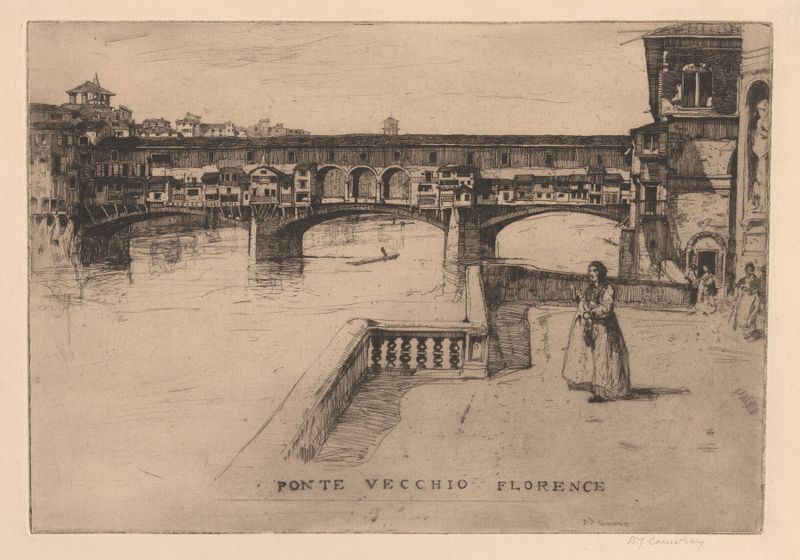
Ponte Vecchio
David Young Cameron

The Deanery, Winchester
David Young Cameron
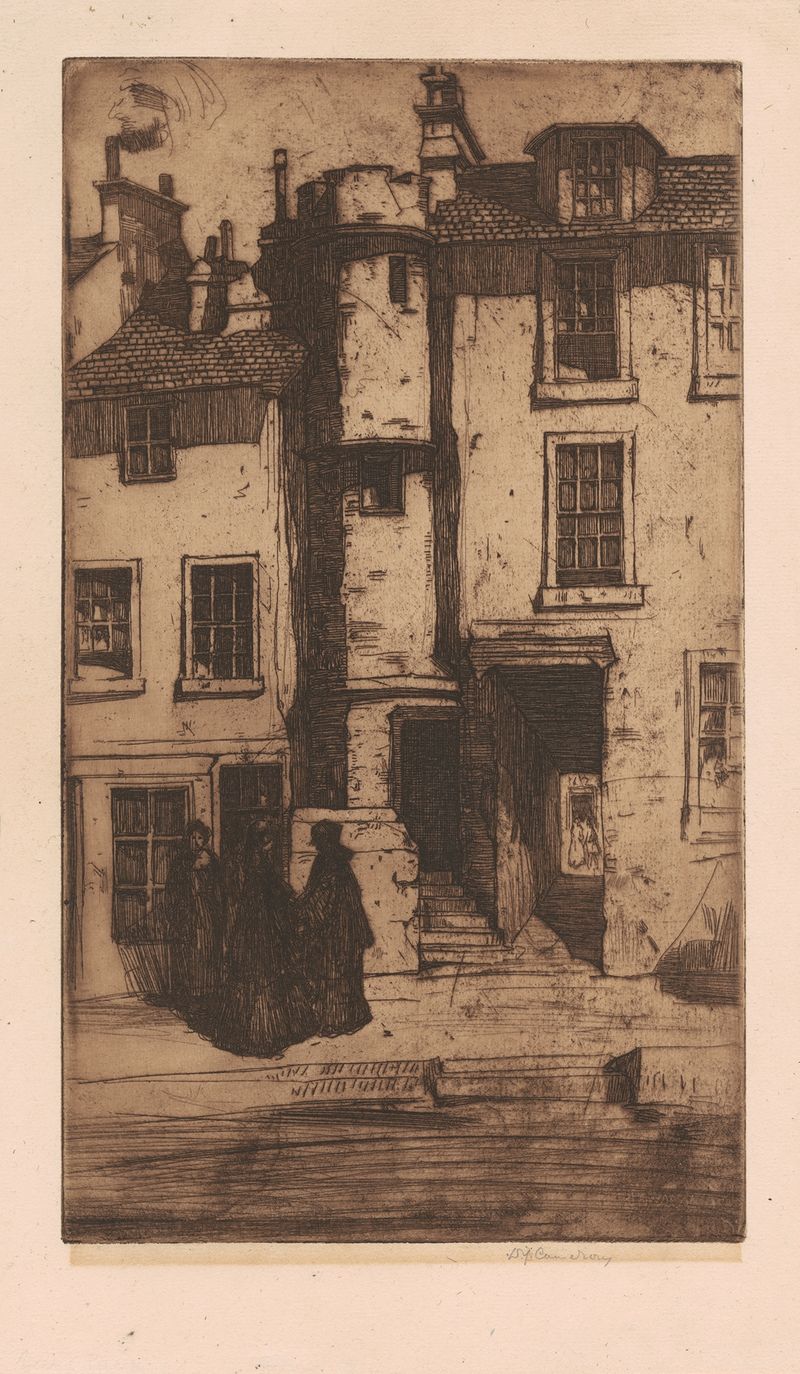
Old Houses, Stirling
David Young Cameron
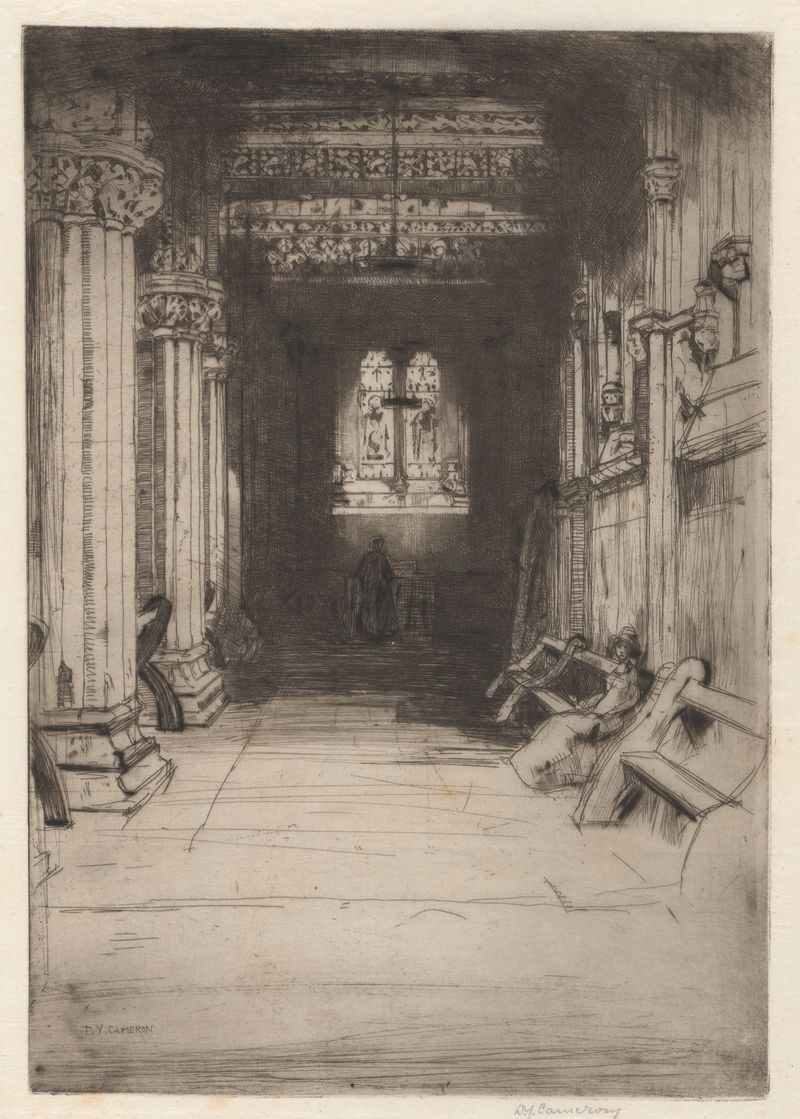
Rosslyn Chapel
David Young Cameron

The Old Museum, Beauvais
David Young Cameron
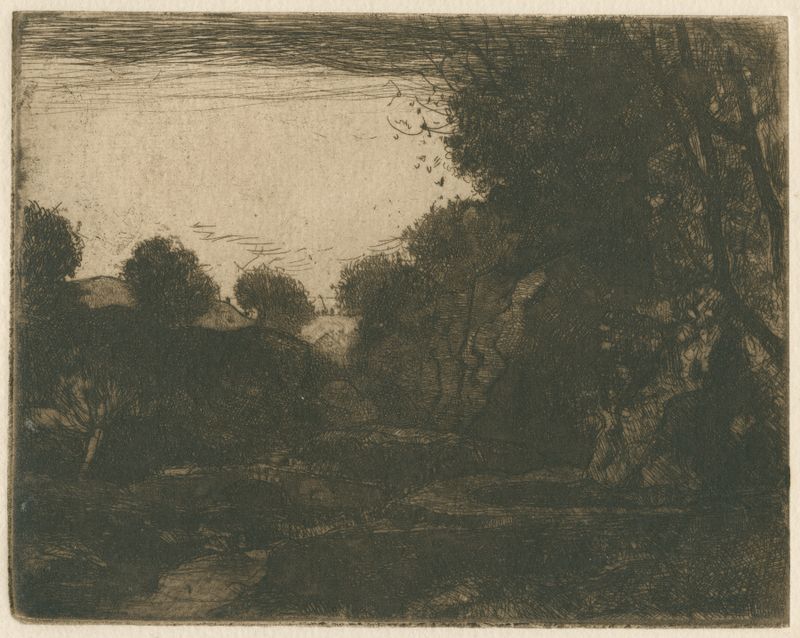
On the Bradford
David Young Cameron

The Smithy
David Young Cameron
Castle Moyle
David Young Cameron
Downing Street
David Young Cameron

Glasgow Cathedral
David Young Cameron





