
The Fountain Of Apollo, Madrid — History & Facts
Can beauty exist without sorrow? In The Fountain of Apollo, the delicate interplay of light and shadow suggests a haunting truth about the passage of time, where joy and melancholy coexist. Look to the left at the serene figure of a young woman, her flowing gown merging with the rippling water, creating a dreamlike harmony. Pay attention to how the sunlight dances upon the fountain’s surface, illuminating the vibrant blues and greens and casting gentle reflections that ripple through the scene. The meticulous brushwork draws your eye to the intricate details of the surrounding flora, which frame the moment with an embrace of nature’s bounty. Beneath the surface, the painting reveals a tension between the fleeting beauty of youth and the weight of inevitability.
The woman gazes thoughtfully at the water, hinting at introspection — is she aware of the transient nature of this perfect moment? The playful splashes of water contrast with her contemplative demeanor, embodying the duality of joy and sorrow, mirroring how time softens even the brightest of experiences. During the summer of 1883, Joaquín Sorolla was establishing his reputation as a painter in Madrid. The influence of Impressionism was sweeping through Europe, and Sorolla's work began to reflect the vibrant use of color and light typical of this movement. At this time, he faced personal challenges but was also inspired by the beauty of his surroundings, fostering a deep connection with nature that would define his artistic legacy.
More Artworks by Joaquín Sorolla
Browse all →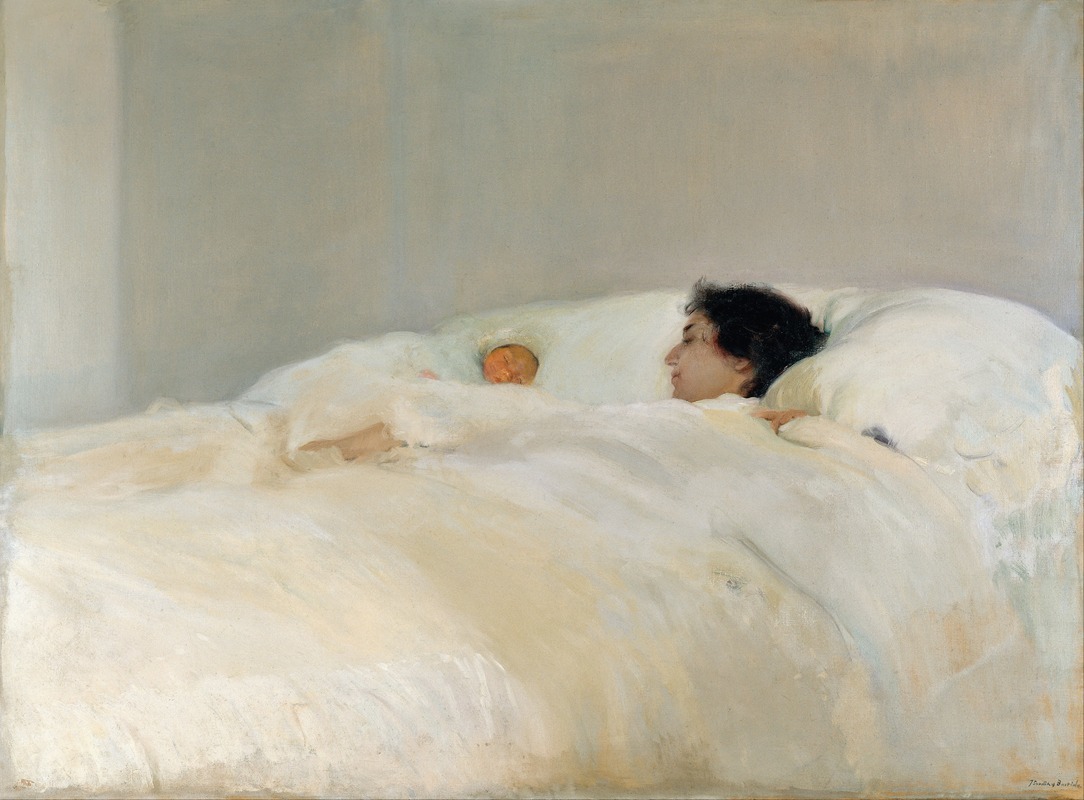
Mother
Joaquín Sorolla
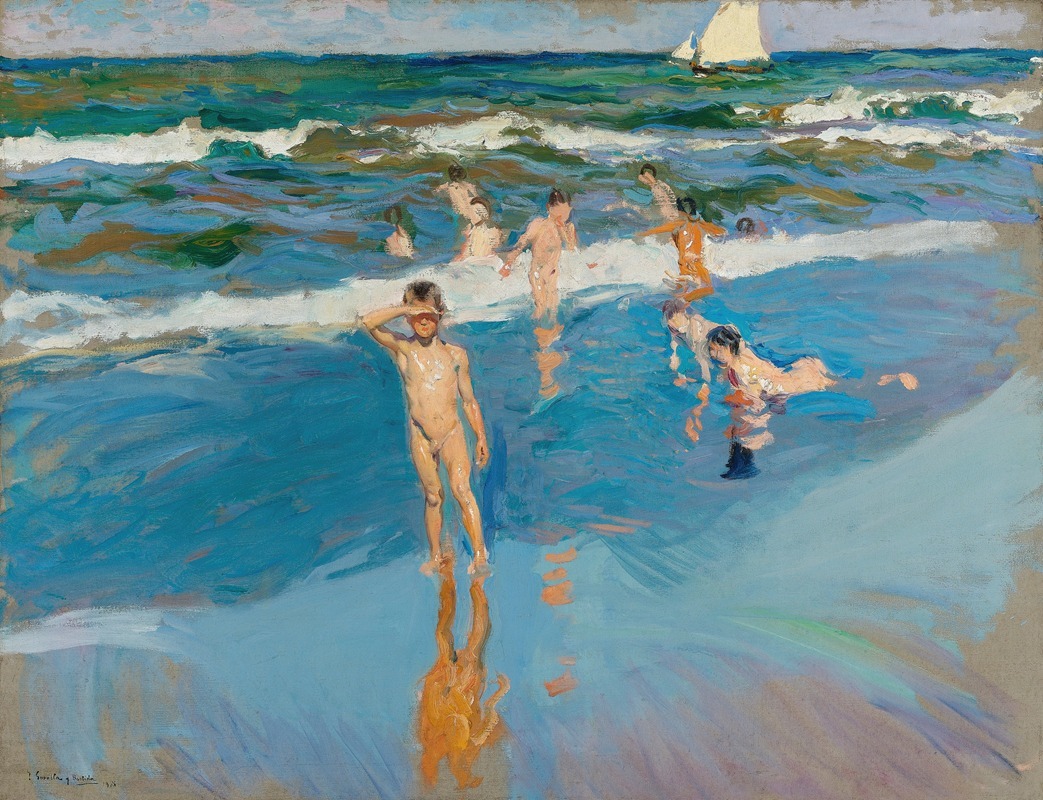
Children In The Sea, Valencia Beach
Joaquín Sorolla
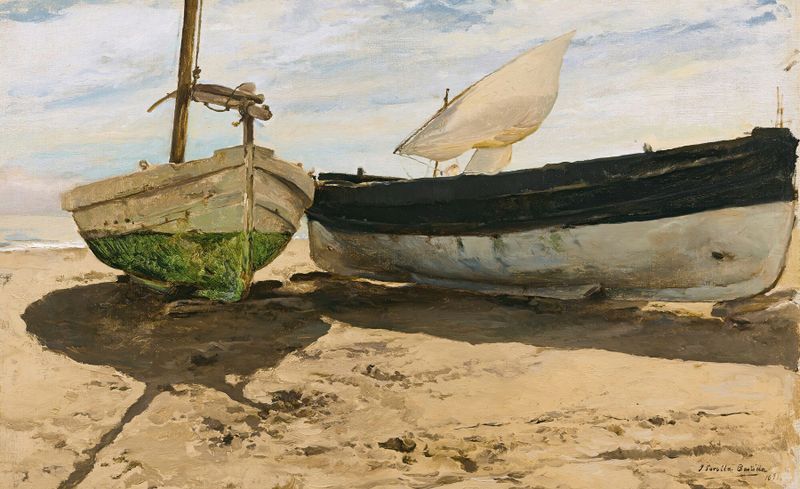
Fishing Boats On The Beach, Valencia
Joaquín Sorolla
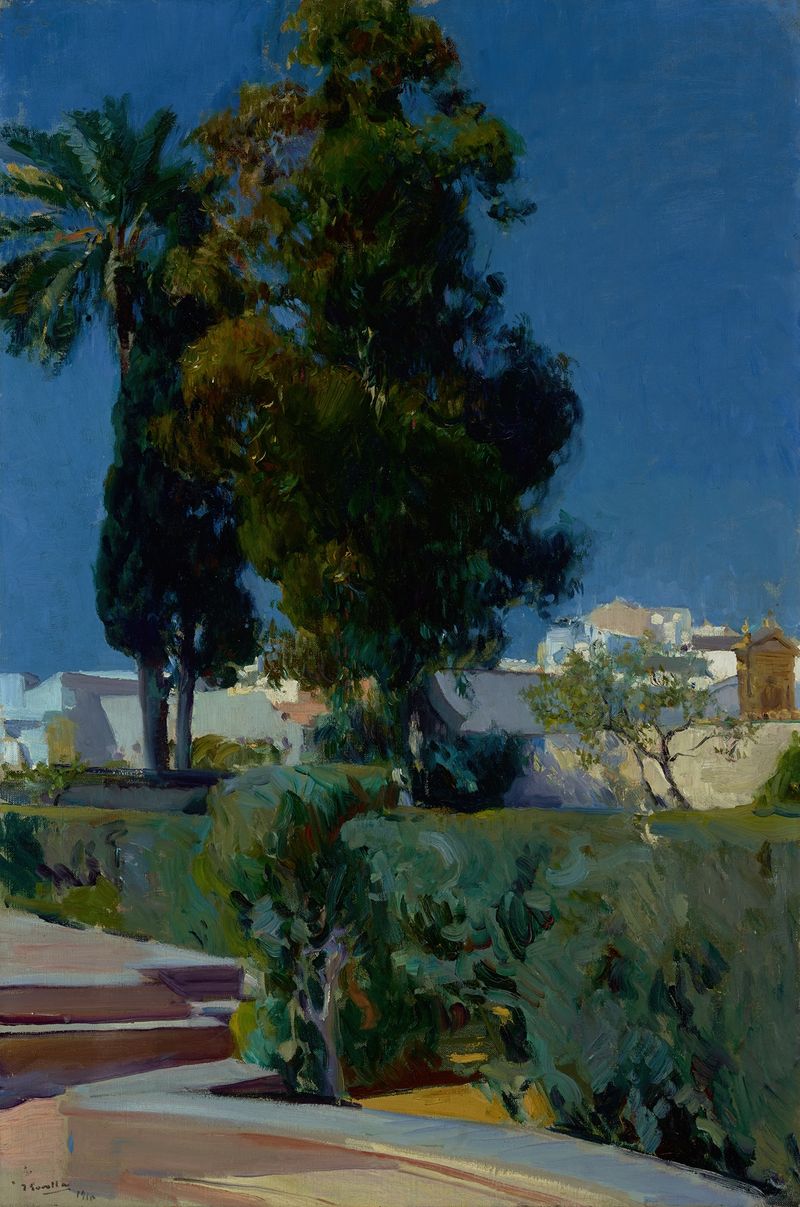
Corner of the Garden, Alcazar, Sevilla
Joaquín Sorolla
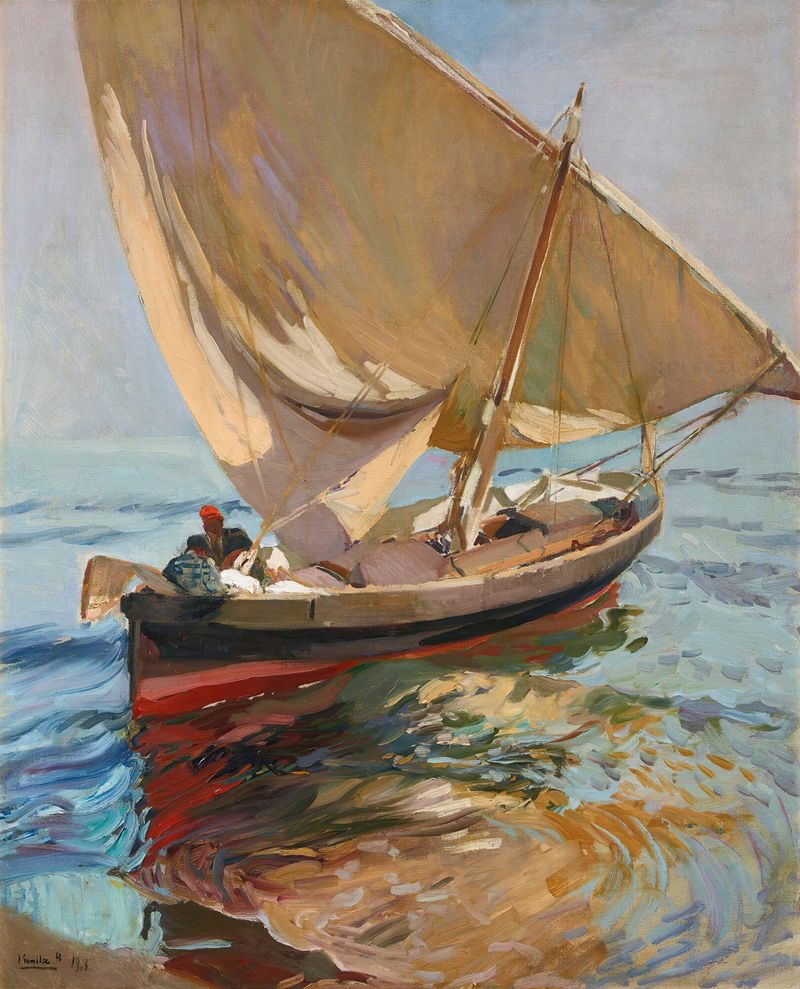
Camino De La Pesca. Valencia (Setting Out To Sea. Valencia)
Joaquín Sorolla
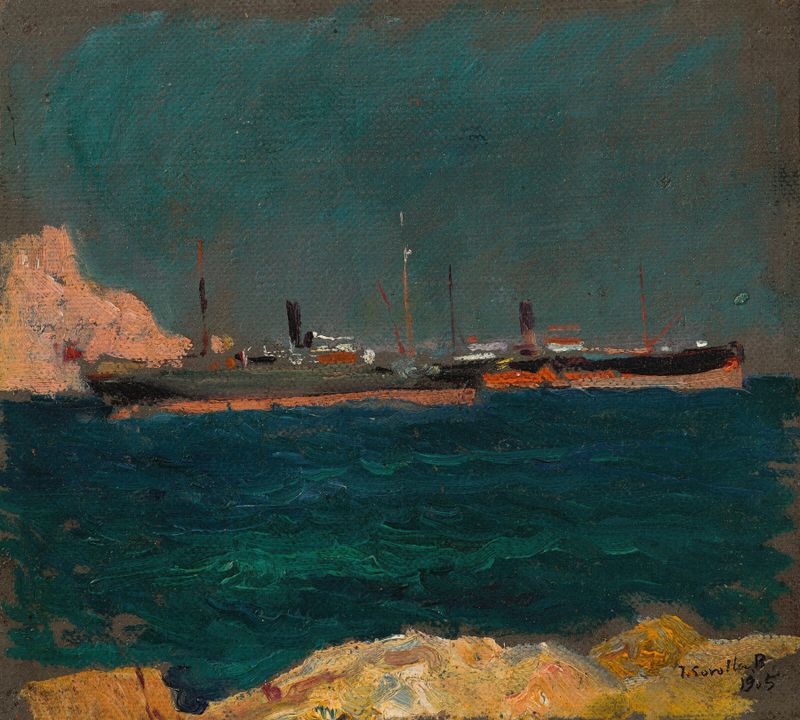
Puerto de Jávea (II)
Joaquín Sorolla
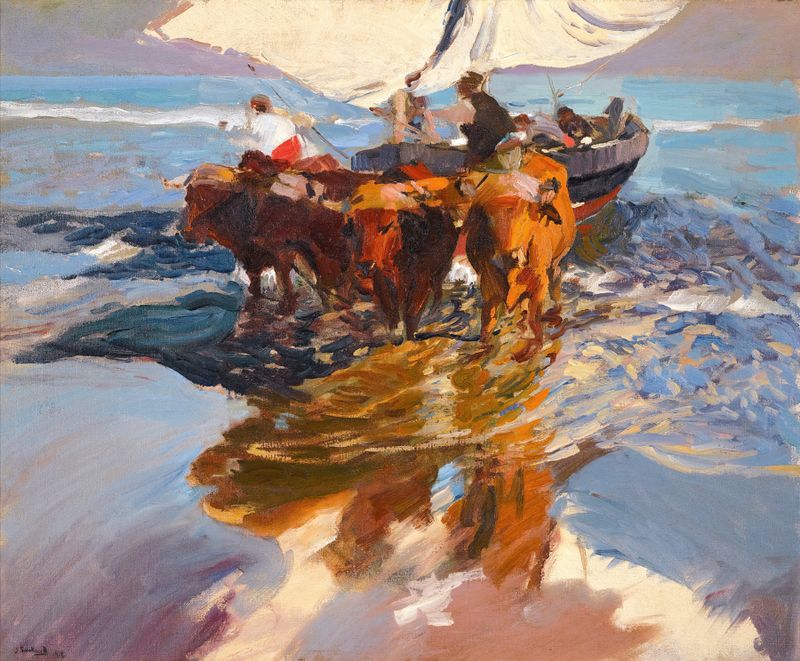
Vuelta De La Pesca. Playa De Valencia (The Return From Fishing, Valencia Beach)
Joaquín Sorolla
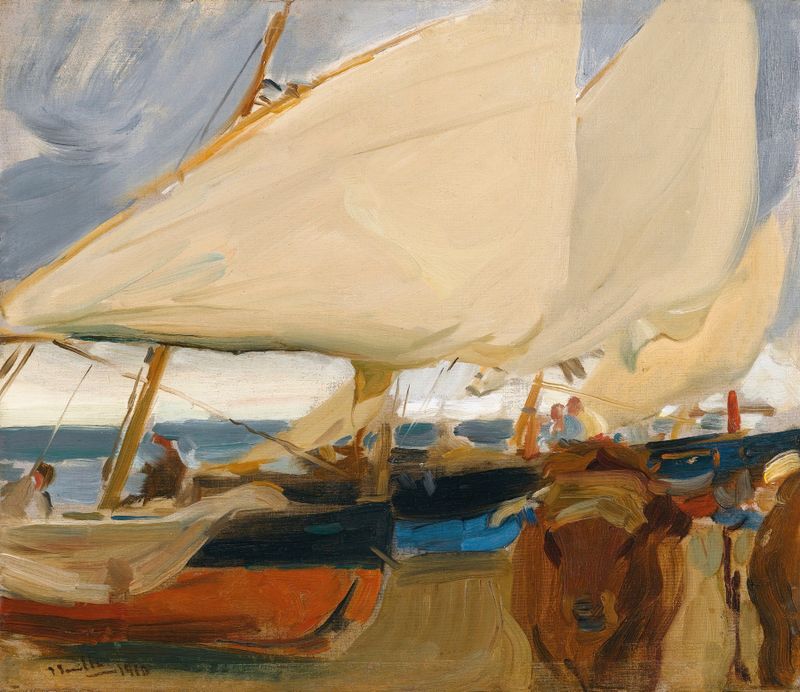
Playa De Valencia
Joaquín Sorolla
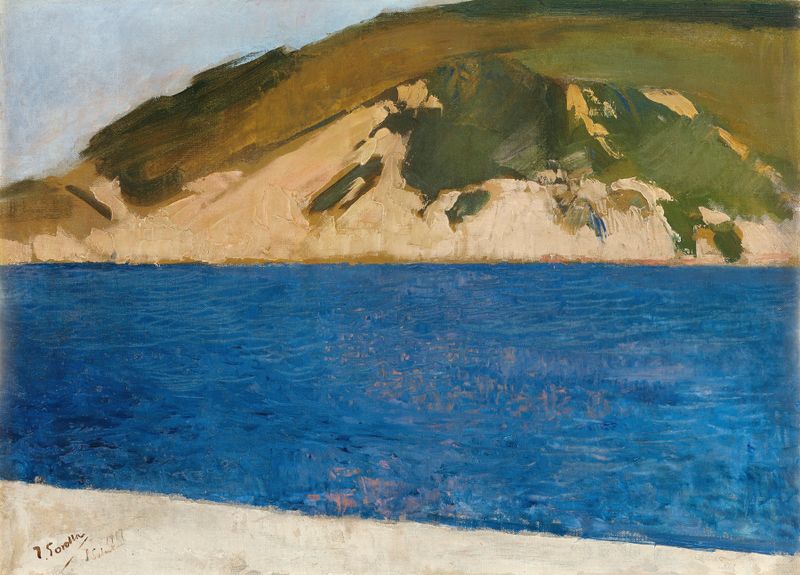
Monte Ulía, San Sebastián
Joaquín Sorolla
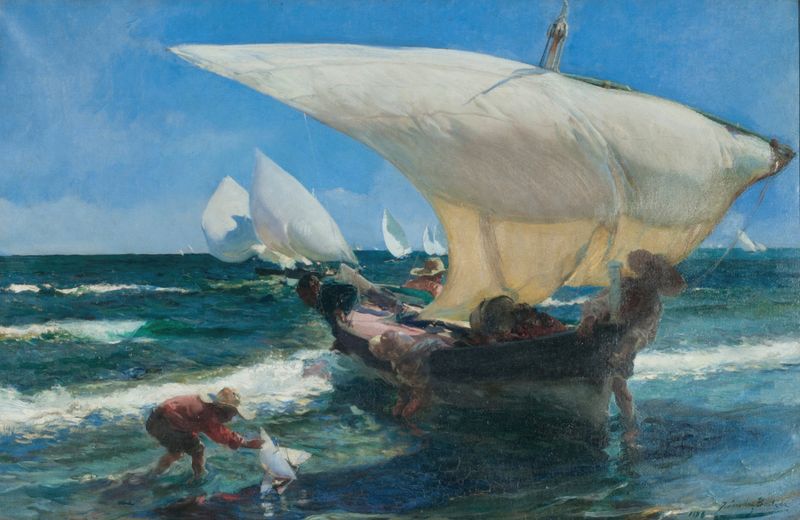
En la costa de Valencia
Joaquín Sorolla





