
The Fountain, Villa Torlonia, Frascati, Italy — History & Facts
In the shadow of history, a once-vibrant world inevitably yields to time's unrelenting decay, revealing the beauty in what is lost. Look at the left side of the canvas, where the fountain stands, partially obscured by tendrils of ivy. Notice how Sargent captures the interplay of light—sunbeams filter through the leaves, casting a dappled glow across the water's surface. This delicate balance of light and shadow evokes a sense of nostalgia, as if the moment frozen in time holds a secret yearning.
The soft greens and muted earth tones mirror the rich textures of nature reclaiming the structure, inviting you to feel the passage of time through color. The scene breathes a complex narrative, blending the elegance of classical architecture with the inevitability of nature's embrace. The crumbling stonework hints at both decay and resilience, standing as a testament to human creation against the backdrop of time's erasure. Here, the juxtaposition of man-made beauty and natural reclamation raises questions about transience and the cycles of life, reminding us that even in decay, there exists a poignant grace. In 1907, John Singer Sargent painted The Fountain, Villa Torlonia, Frascati, Italy, during a period of artistic transition marked by growing interest in impressionism and the effects of light.
Living in a world increasingly aware of its own fragility, he channeled his observations of beauty in decay while working in Italy, where he found inspiration in the interplay between nature and architecture.
More Artworks by John Singer Sargent
Browse all →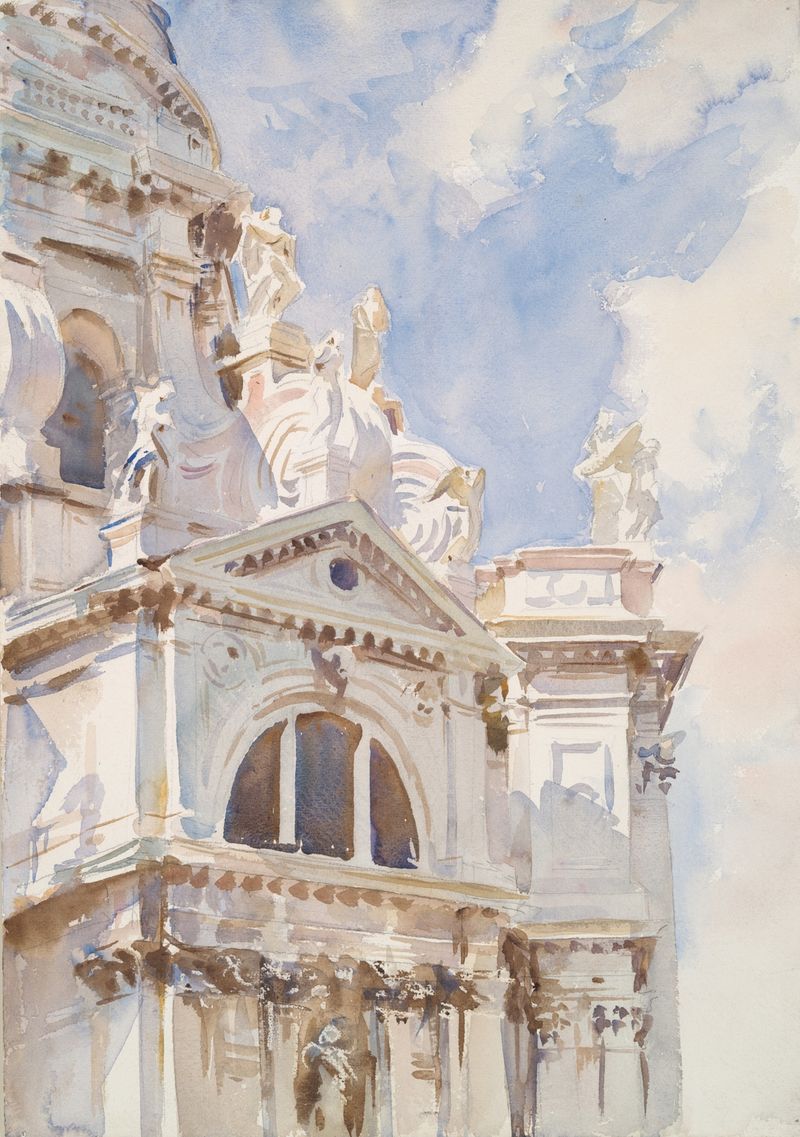
The Salute, Venice
John Singer Sargent

Mrs. Charles Deering (Marion Denison Whipple)
John Singer Sargent
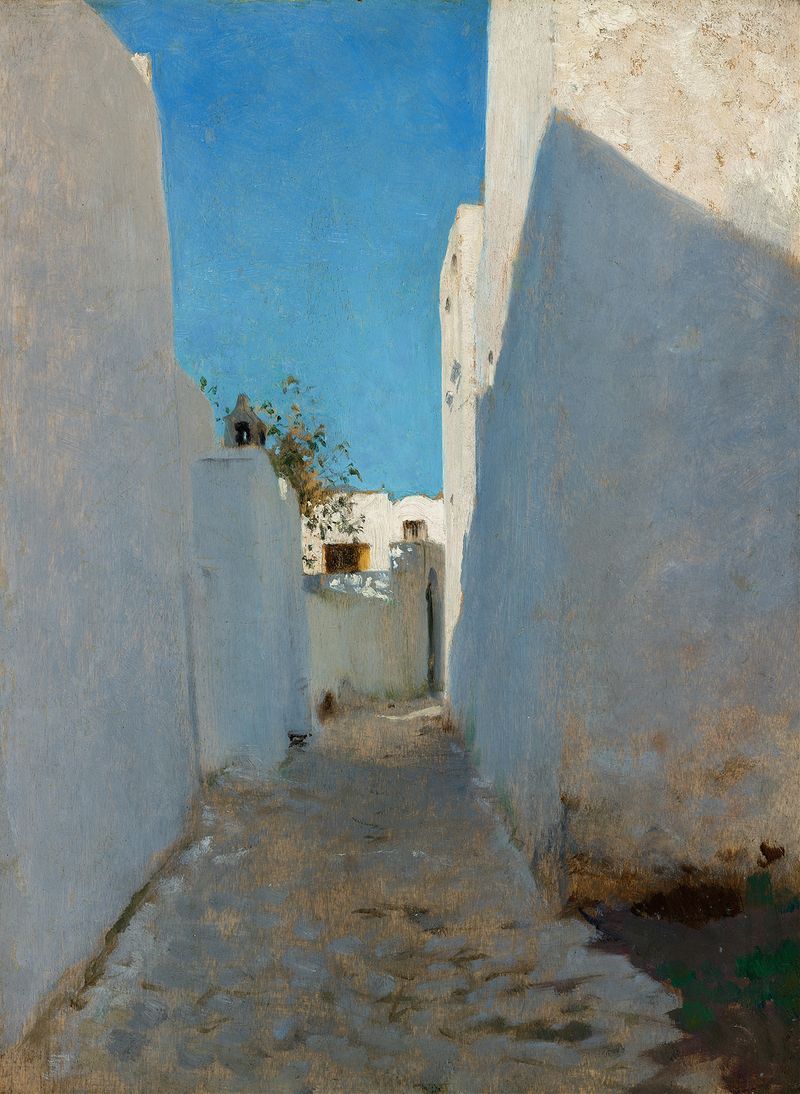
A Moroccan Street Scene
John Singer Sargent
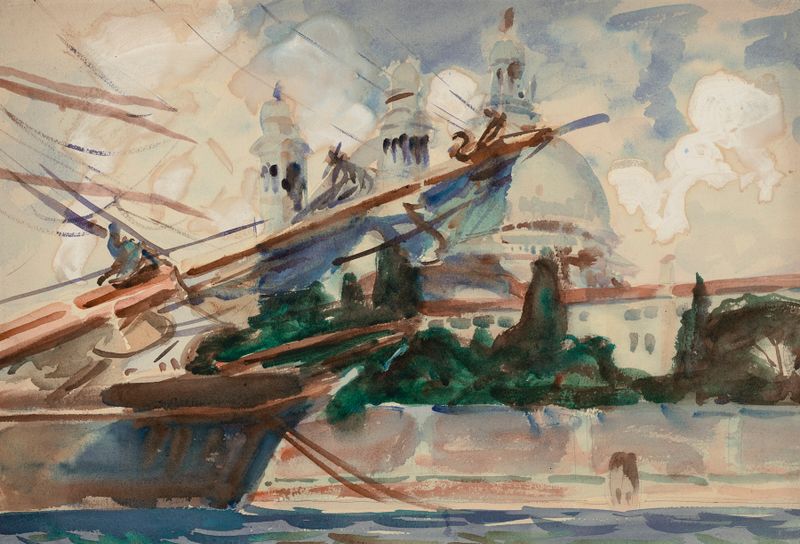
The Salute, Venice
John Singer Sargent
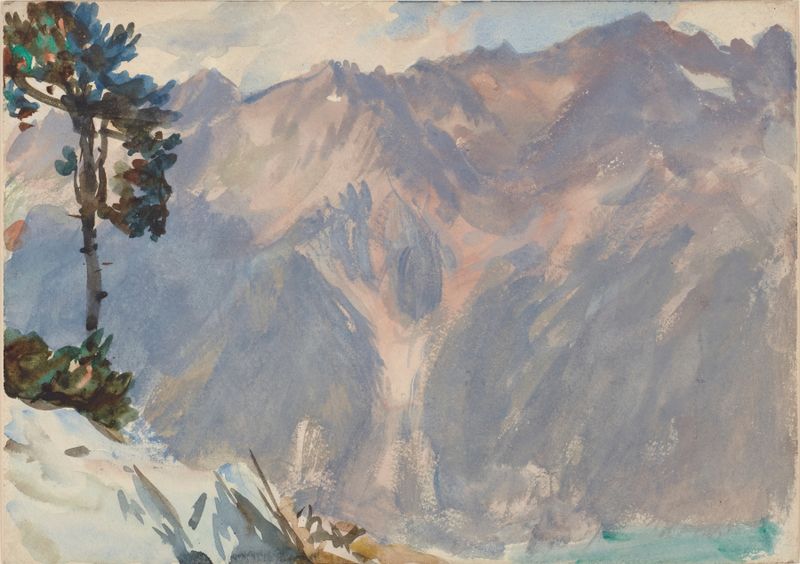
Tyrol
John Singer Sargent
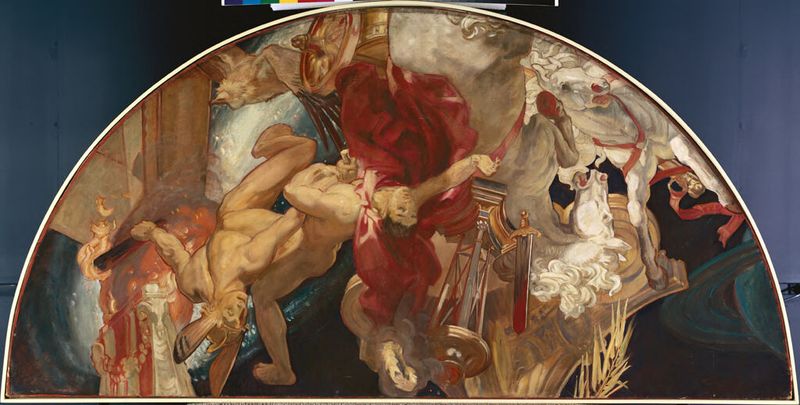
Study for "Gog and Magog," for the Boston Public Library
John Singer Sargent
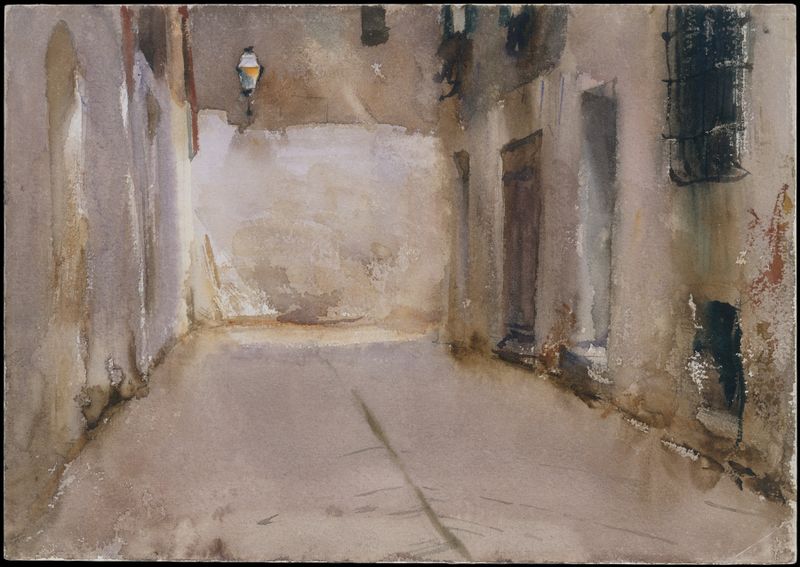
Venice
John Singer Sargent
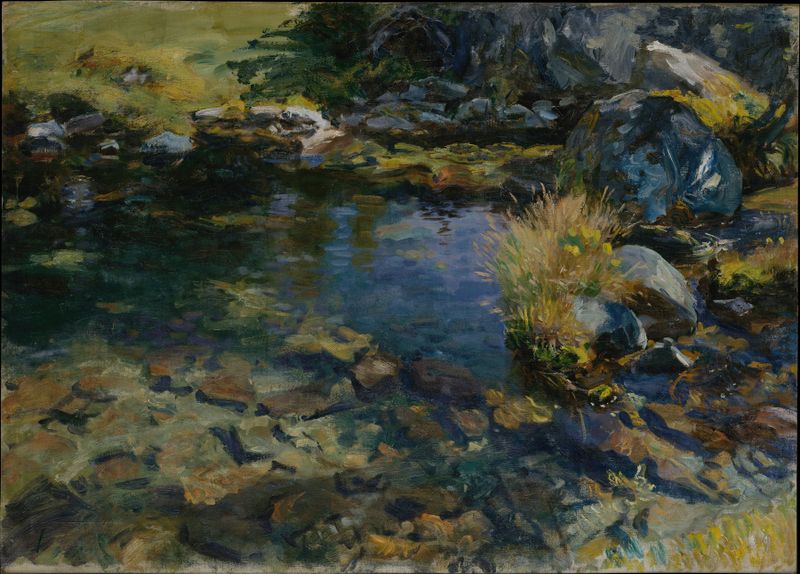
Alpine Pool
John Singer Sargent
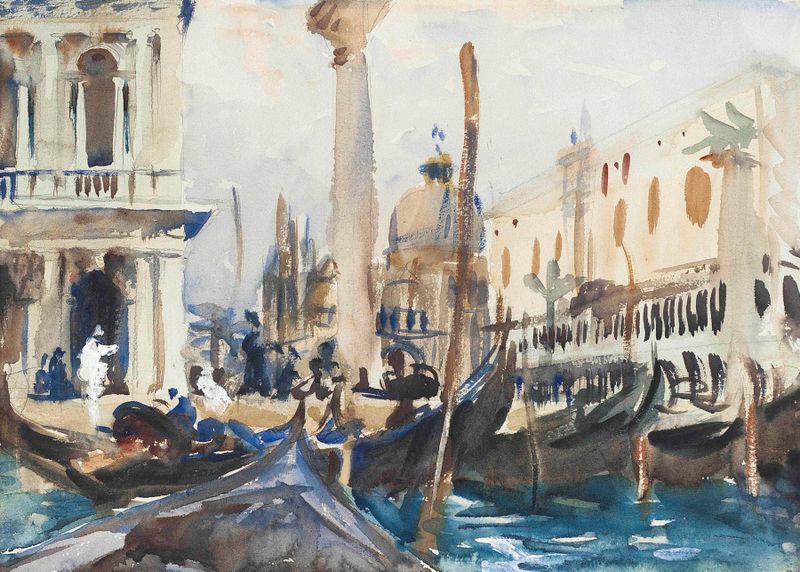
The Piazzetta with Gondolas
John Singer Sargent
The Façade of La Salute, Venice
John Singer Sargent
More Architecture Art
Browse all →
The statue of Liberty
Frédéric Auguste Bartholdi

View of Houses in Delft, Known as ‘The Little Street’
Johannes Vermeer

View of Houses in Delft, Known as ‘The Little Street’
Johannes Vermeer

The Cathedral in Rouen. The portal, Grey Weather
Claude Monet

The yellow house
Vincent van Gogh

The Church in Auvers-sur-Oise, View from the Chevet
Vincent van Gogh