
The Fox without a Tail — History & Facts
In The Fox without a Tail, Walter Crane presents a whimsical scene filled with vibrant colors. The central figure is a fox, depicted without its tail, surrounded by lush greenery and playful animals. The colors are bright and engaging, with greens, browns, and hints of red that draw the viewer's eye.
This lively setting creates a sense of playfulness and curiosity. The artwork showcases Crane's skill in illustration, characterized by bold lines and intricate details. The fox's expression is both mischievous and endearing, inviting viewers to ponder the story behind its missing tail. The composition is balanced, with the fox positioned centrally, allowing the surrounding elements to complement its presence.
This piece exemplifies the Victorian style of illustration, which often blends narrative and visual elements. Walter Crane was a prominent figure in the Victorian art scene, known for his children's book illustrations. The Fox without a Tail is inspired by Aesop's fable, which teaches a moral lesson about vanity and deception. This work reflects Crane's ability to convey stories through art, making it accessible to both children and adults.
An interesting fact is that Crane often collaborated with writers, enhancing the narrative quality of his illustrations.
More Artworks by Walter Crane

Oranges and Lemons
Walter Crane
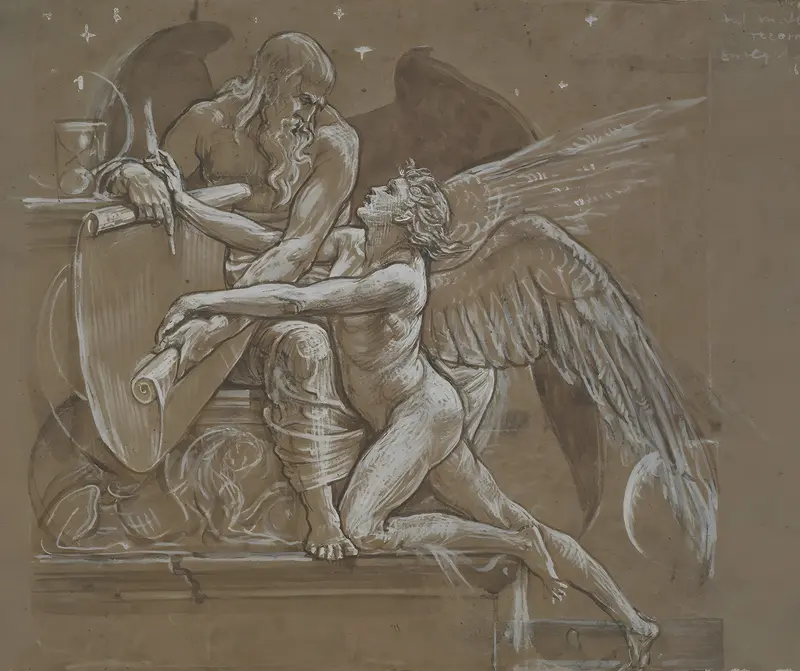
The Roll of Fate, England
Walter Crane
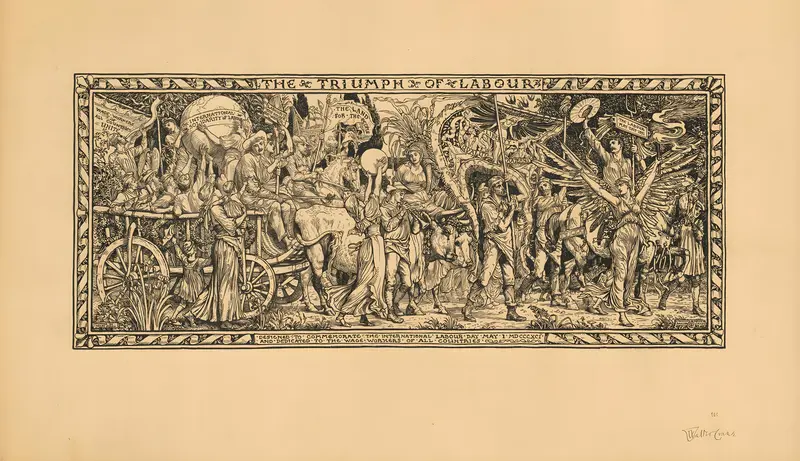
The Triumph of Labour. Designed to commemorate The International Labour Day
Walter Crane
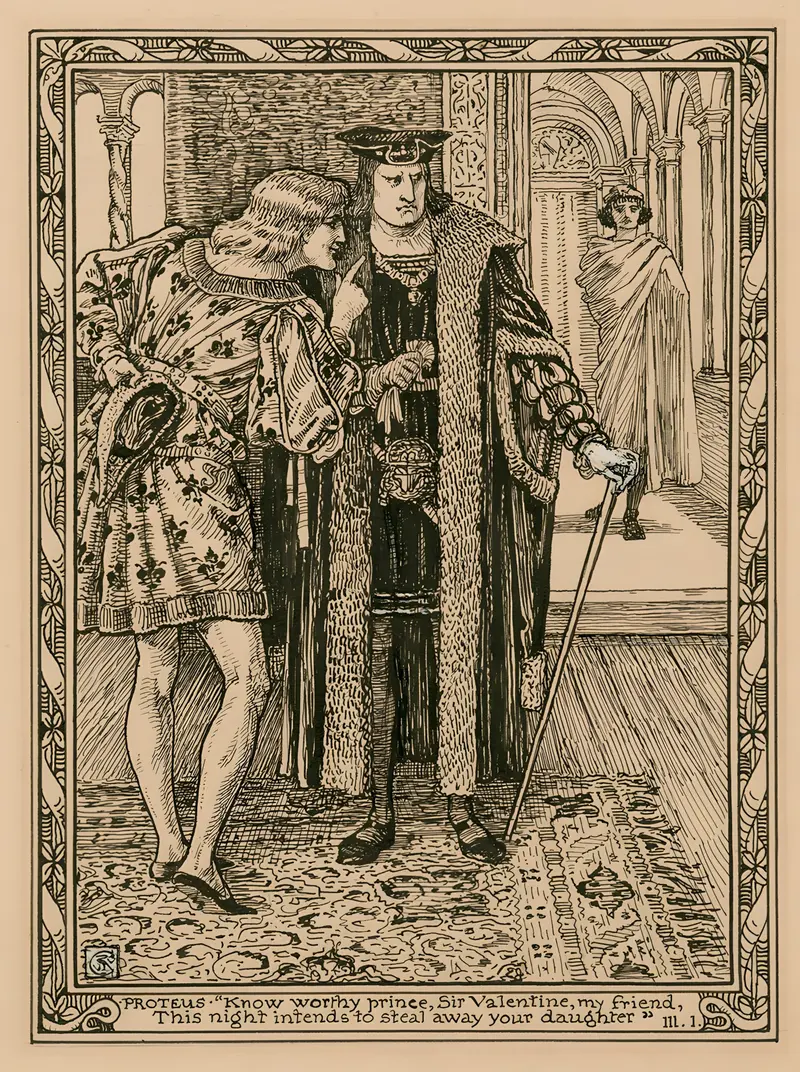
Proteus; ‘Know worthy prince, Sir Valentine, my friend, this night intends to steal away your daughter’, III, 1
Walter Crane
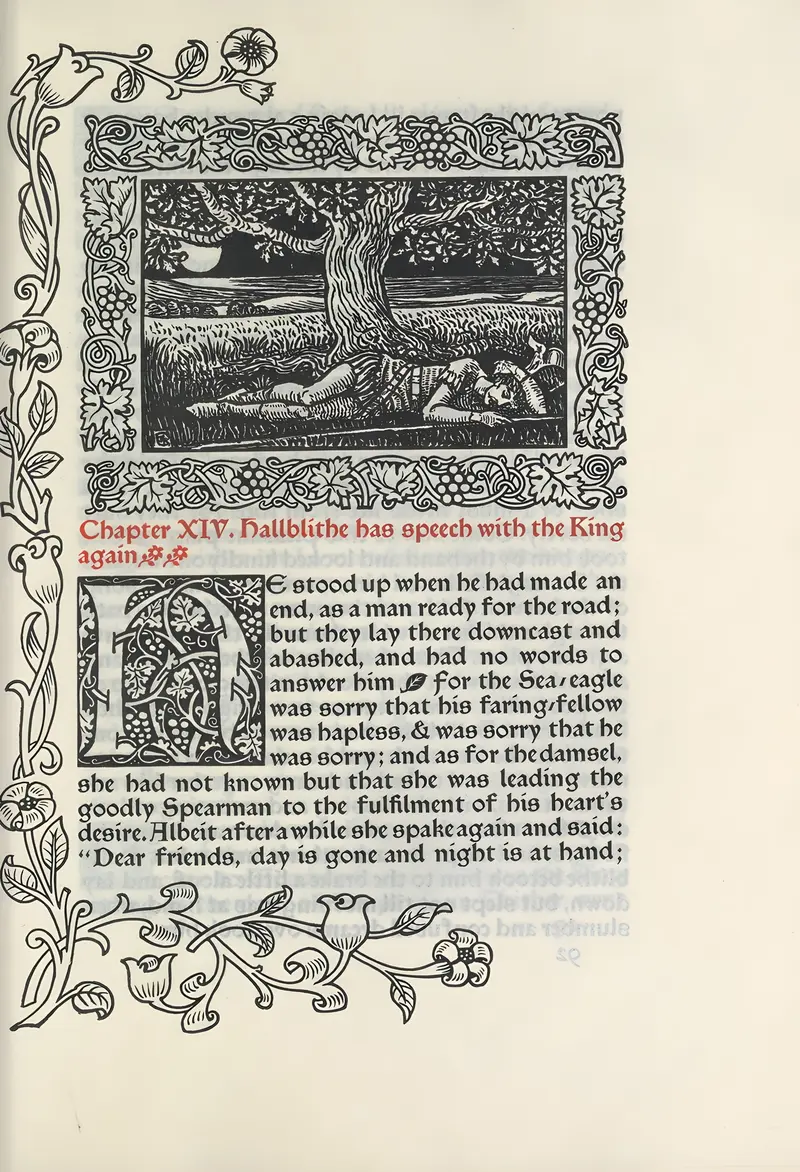
Chapter XIV. Hallblithe has speech with the King again
Walter Crane
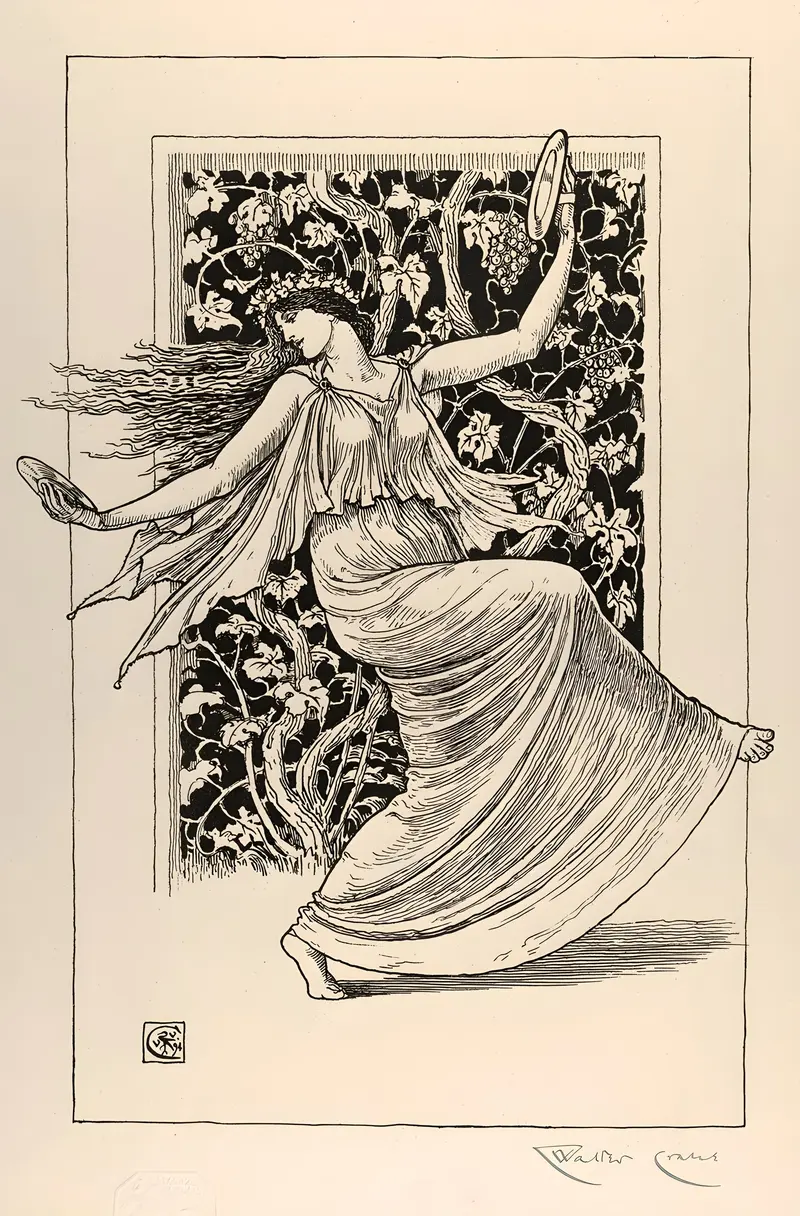
Dancing Nymph
Walter Crane
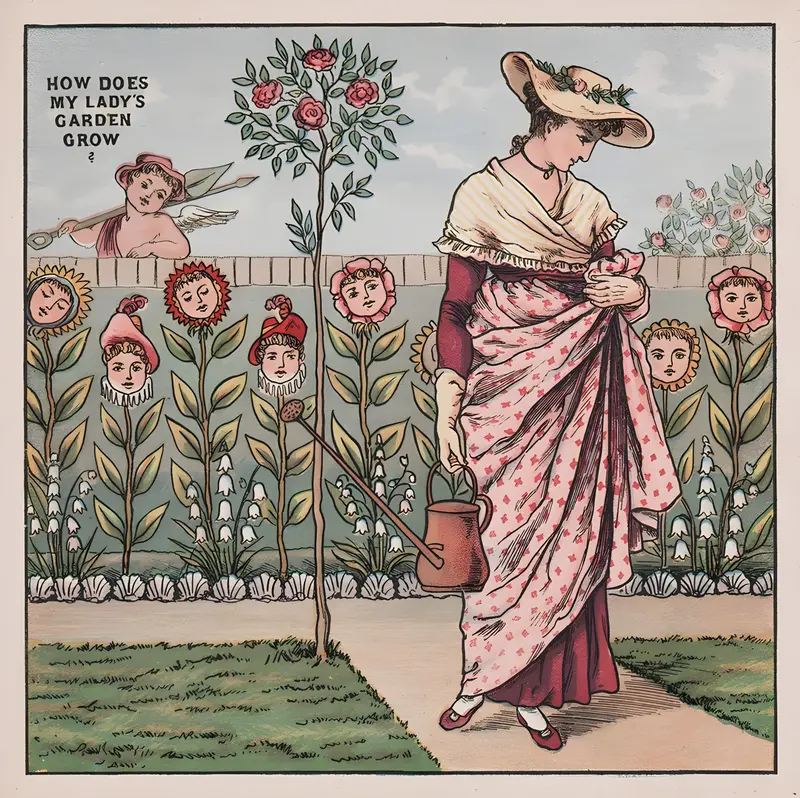
How does my lady’s garden grow
Walter Crane
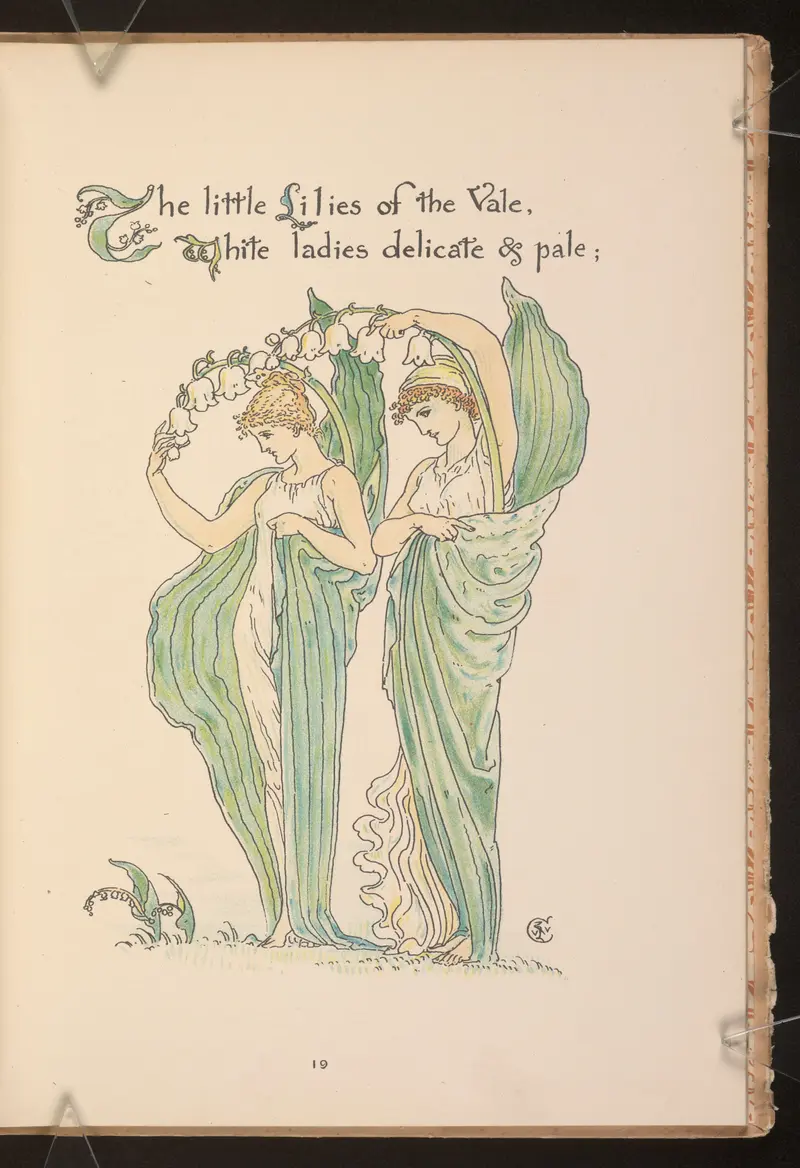
Flora’s feast; A masque of flowers Pl.19
Walter Crane
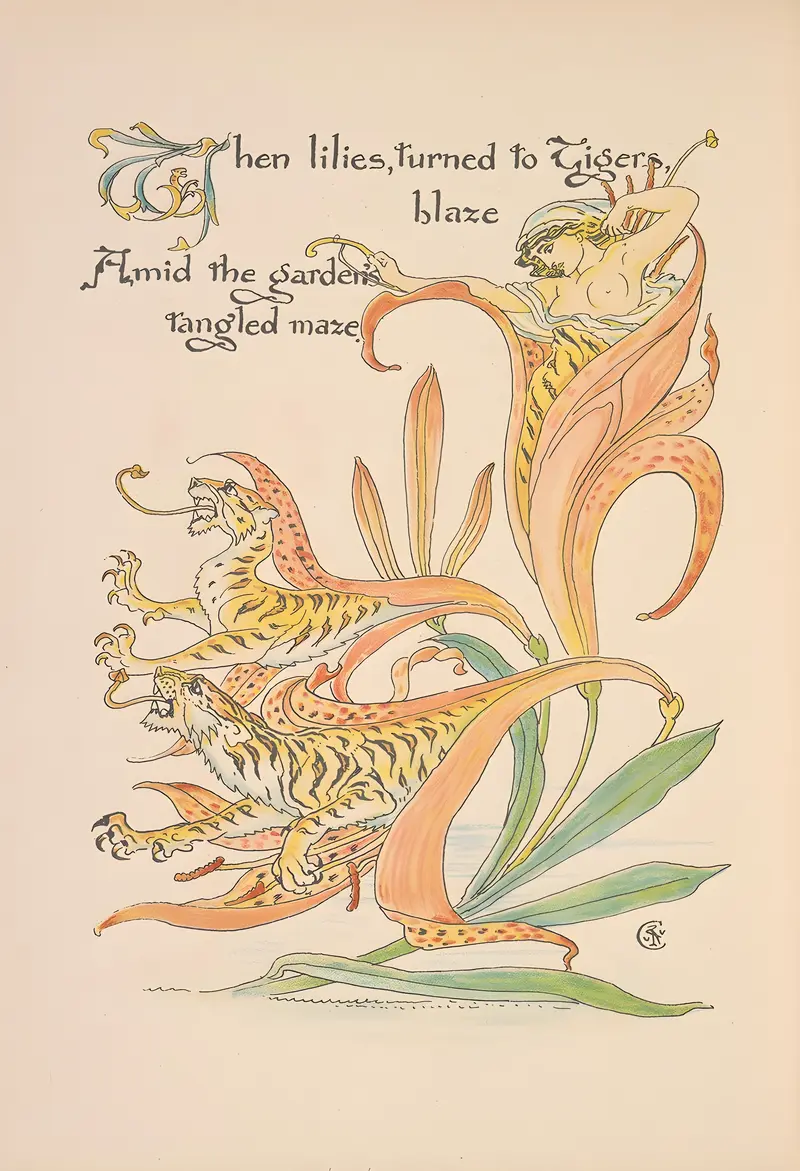
Flora’s feast; A masque of flowers Pl.34
Walter Crane
Flora’s feast; A masque of flowers Pl.29
Walter Crane





