
The Gate, Lustheim — History & Facts
Could beauty survive in a century of chaos? This poignant question lingers in the air, evoking both hope and despair, as we contemplate the fragile borders between serenity and violence. Look to the sharp lines of the archway, where the ornate gate stands poised as an entry to another world. The muted palette of ochres and deep greens creates a soft contrast against the intricate foliage that frames it. Notice how the light falls upon the stone surface, casting long shadows that whisper of stories untold, while the delicate strokes breathe life into the surrounding nature.
This interplay of light and shadow invites the viewer not just to observe, but to step closer, to feel the weight of the moment. Yet beneath the surface lies a tension that speaks of disarray. The meticulous detailing of the gate juxtaposes the wildness of the encroaching vines, hinting at nature's reclamation in the wake of human turmoil. Each leaf, though vibrant, carries an echo of neglect, suggesting that beauty, like life, must constantly wrestle with the specter of chaos.
The gate serves as a metaphorical barrier—a reminder of boundaries that may soon blur in a world marked by violence. In 1879, Otto Henry Bacher painted this work during a time of significant change in Europe. The rise of modernism was reshaping artistic ideals, and Bacher, having traveled extensively, was influenced by both European traditions and American landscapes. The political climate was fraught with upheaval, and this artwork reflects his contemplation of beauty amidst a backdrop of impending conflict.
More Artworks by Otto Henry Bacher
Browse all →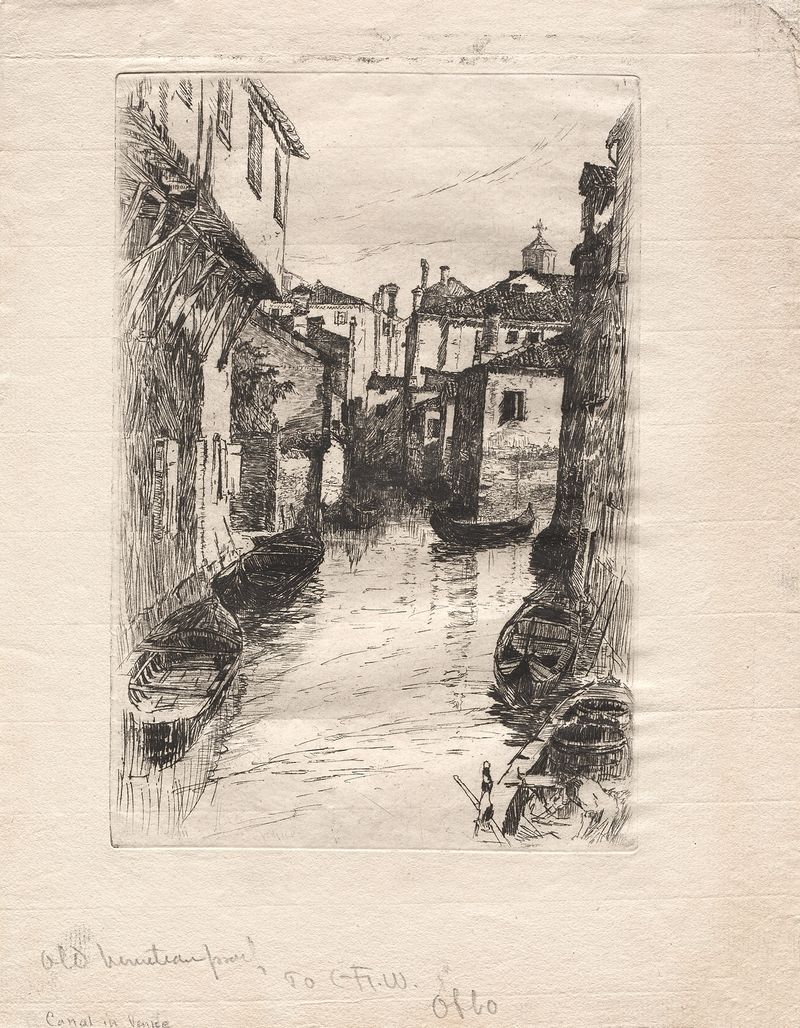
Canal in Venice
Otto Henry Bacher
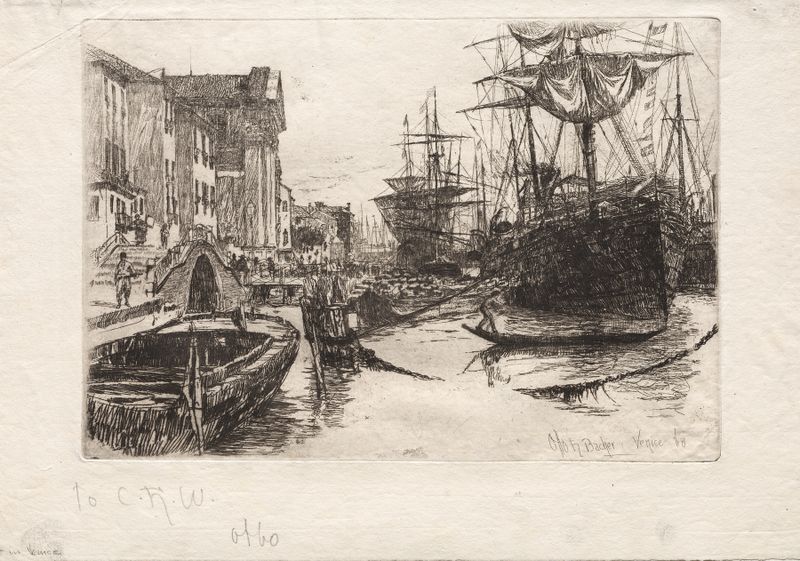
View in Venice
Otto Henry Bacher
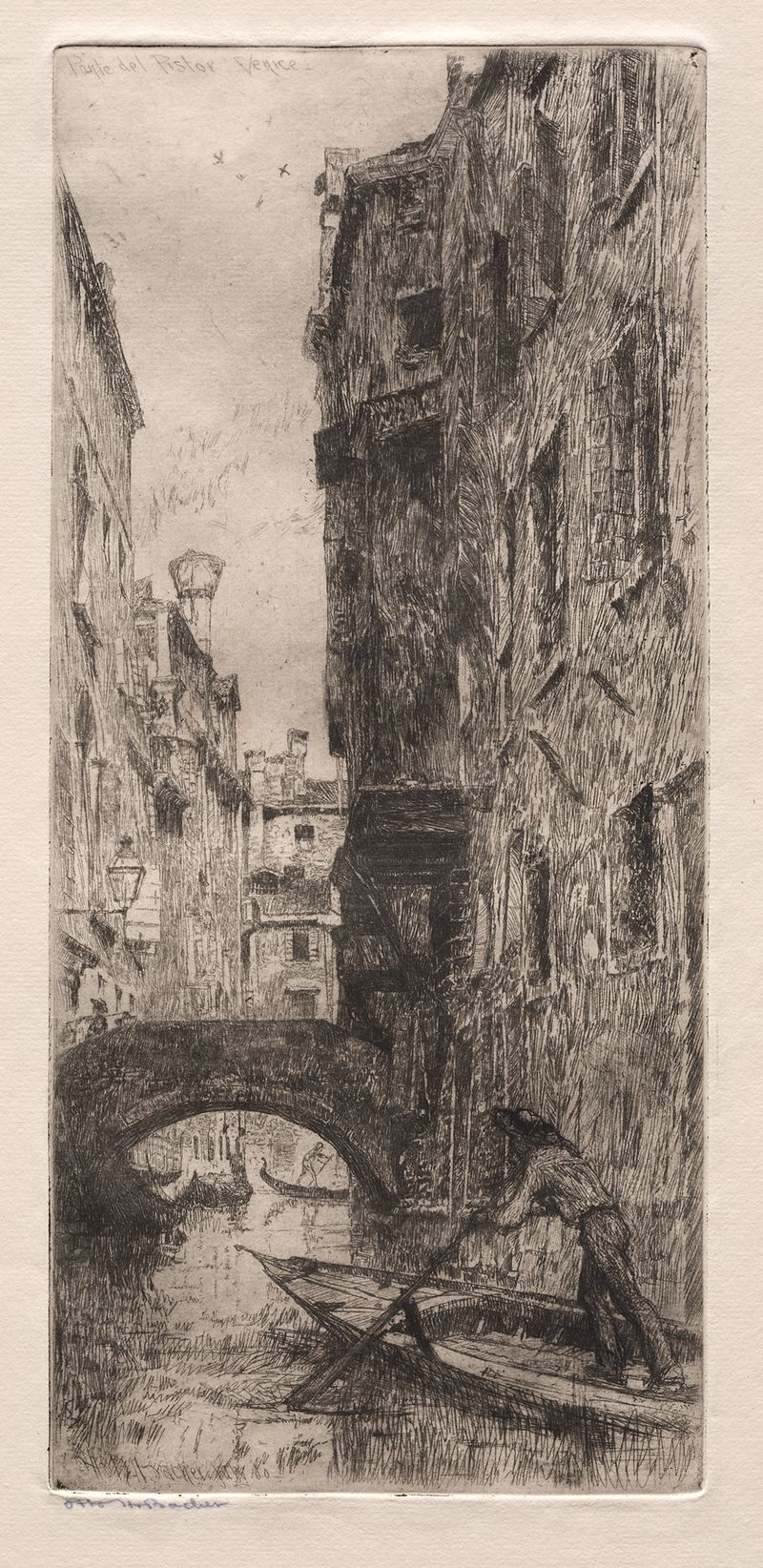
Ponte del Pistor, Venice
Otto Henry Bacher
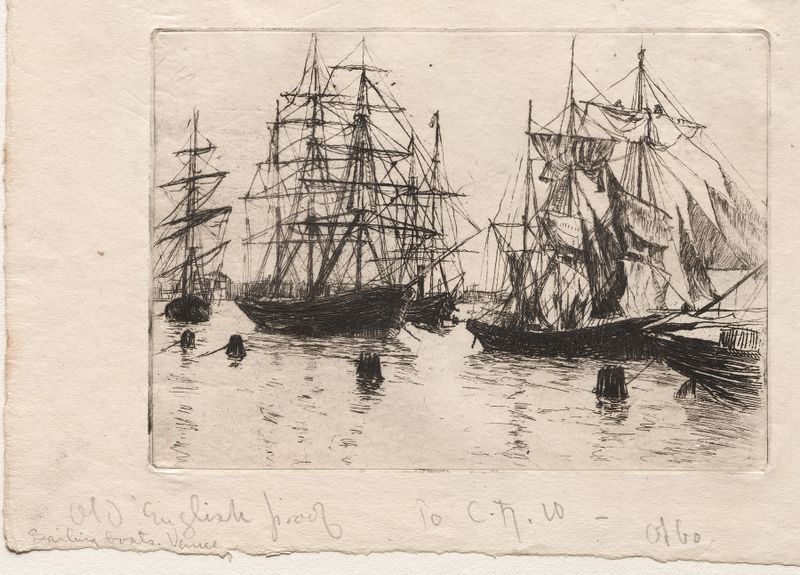
Sailing Boats, Venice
Otto Henry Bacher
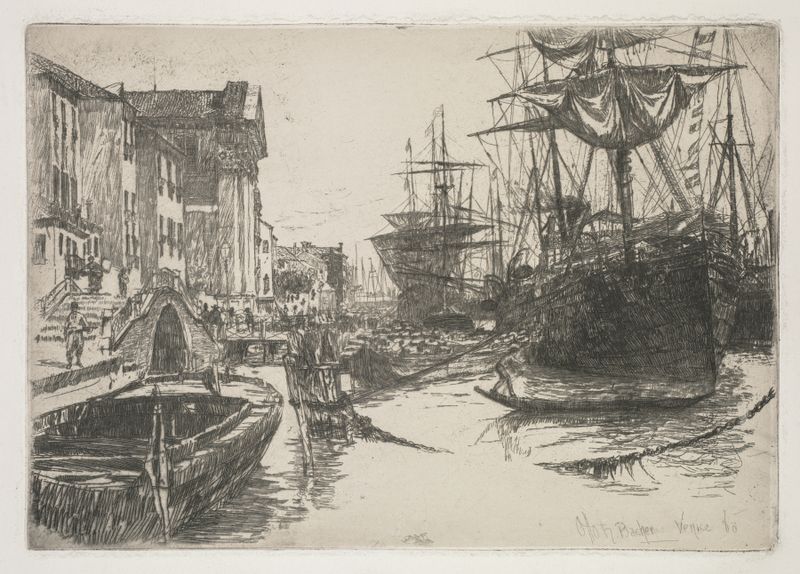
Fondamenta della Zattere
Otto Henry Bacher
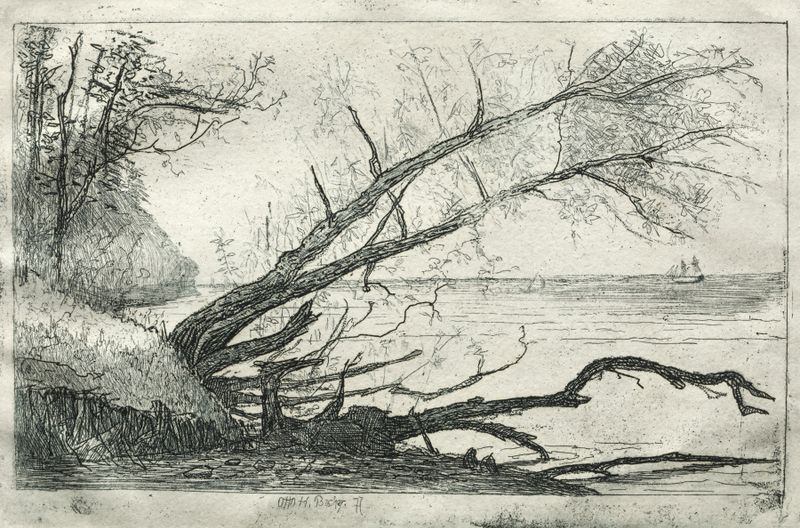
Old Sycamore
Otto Henry Bacher
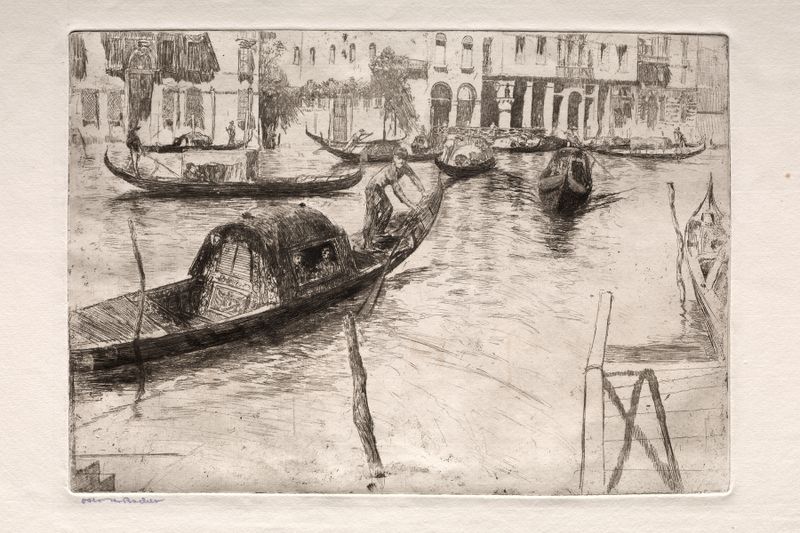
Traghetto San Felice
Otto Henry Bacher
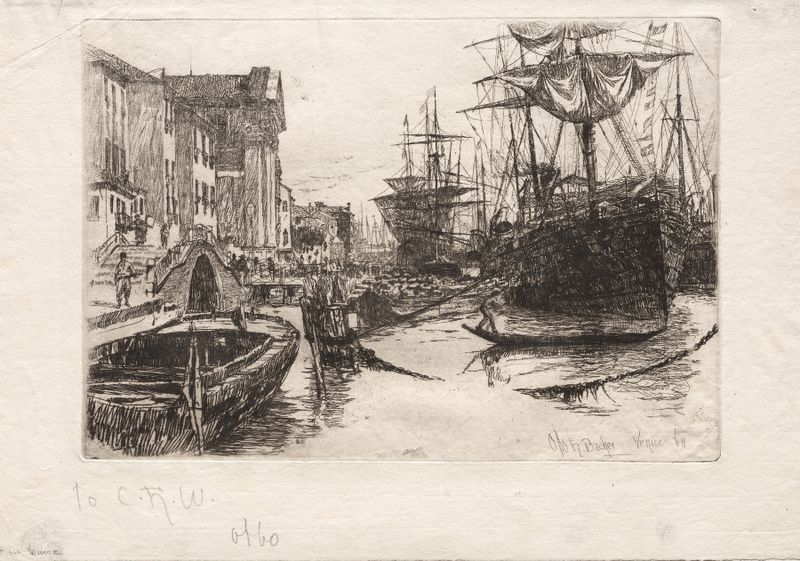
View in Venice
Otto Henry Bacher
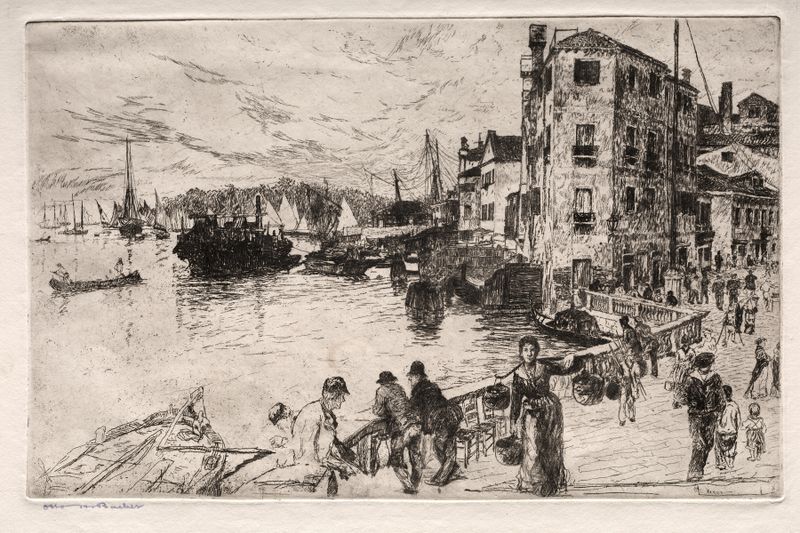
Castello Quarters, Riva
Otto Henry Bacher
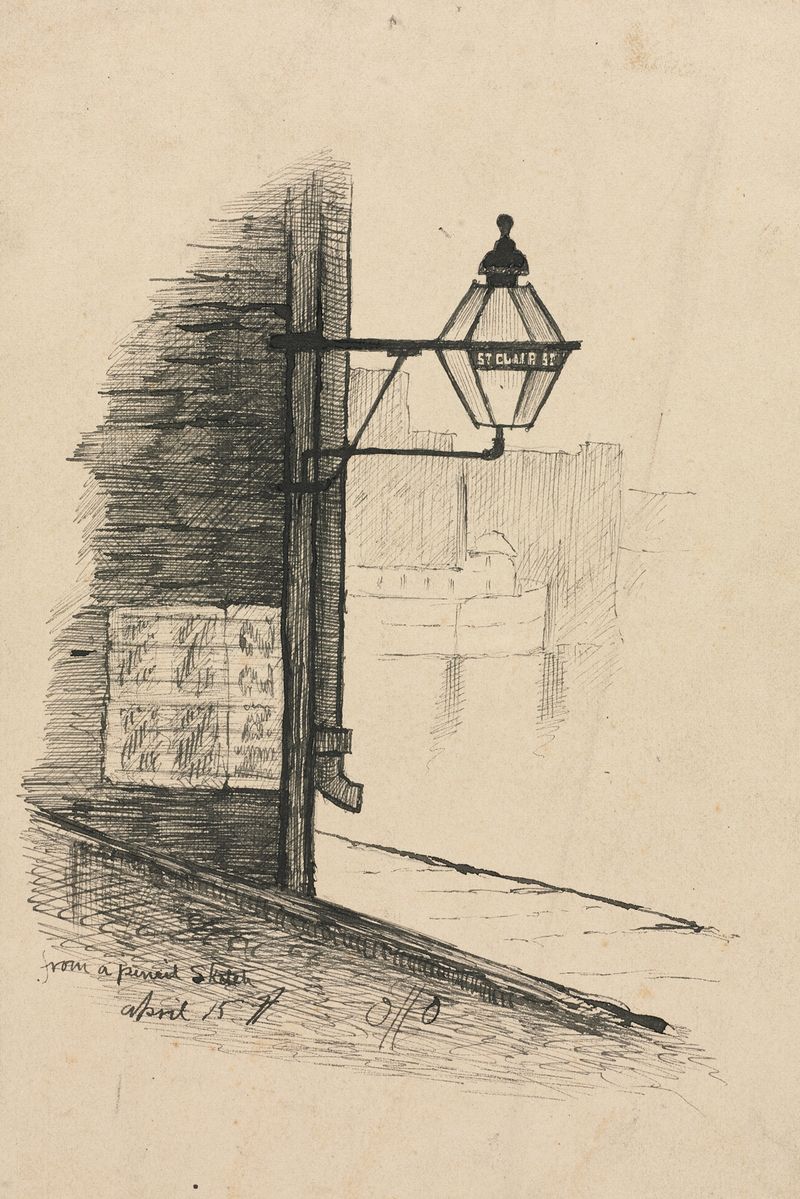
St. Clair Street, Cleveland
Otto Henry Bacher
More Architecture Art
Browse all →
The statue of Liberty
Frédéric Auguste Bartholdi

View of Houses in Delft, Known as ‘The Little Street’
Johannes Vermeer

View of Houses in Delft, Known as ‘The Little Street’
Johannes Vermeer

The Cathedral in Rouen. The portal, Grey Weather
Claude Monet

The yellow house
Vincent van Gogh

The Church in Auvers-sur-Oise, View from the Chevet
Vincent van Gogh