
The goldsmith — History & Facts
In the stillness of life, there exists a depth that often goes unnoticed, a void filled with silent stories waiting to be told. Focus first on the goldsmith's contemplative expression, his gaze fixed on the gold in his hands, which seems to shimmer with a life of its own. Notice how the light falls upon his face, carving shadows that dance across the contours of his features. The warm, rich hues of gold and browns envelop him, creating a cocoon of intimacy that draws you in, while the delicate details of his finely crafted tools and materials serve as a testament to his skill and dedication. The contrasting elements of this work reveal layers of meaning.
The interplay between light and shadow symbolizes the duality of creation and destruction, a reflection of the artist’s internal struggles. The goldsmith, poised in a moment of reflection, embodies the tension between the material wealth he creates and the spiritual void that can accompany such pursuits. Furthermore, the palpable silence suggests a moment of clarity amid the chaos of life, inviting contemplation on the cost of ambition and artistry. In 1655, Rembrandt was navigating the complexities of his life in Amsterdam, facing both personal loss and professional challenges.
Immersed in a city thriving on wealth and craftsmanship, he sought to portray the human condition with unparalleled empathy. The goldsmith stands as a testament to this period, encapsulating not only his mastery of technique but also his deep understanding of the emotional weight carried by those who create.
More Artworks by Rembrandt van Rijn
Browse all →
The Night Watch Militia Company of District II under the Command of Captain Frans Banninck Cocq
Rembrandt van Rijn

The Return of the Prodigal Son
Rembrandt van Rijn

The Hundred Guilder Print: the figures leaning on the wall in the centre left
Rembrandt van Rijn

The Hundred Guilder Print: the central piece with Christ preaching, the plate arched
Rembrandt van Rijn

Isaac and Rebecca, Known as ‘The Jewish Bride’
Rembrandt van Rijn
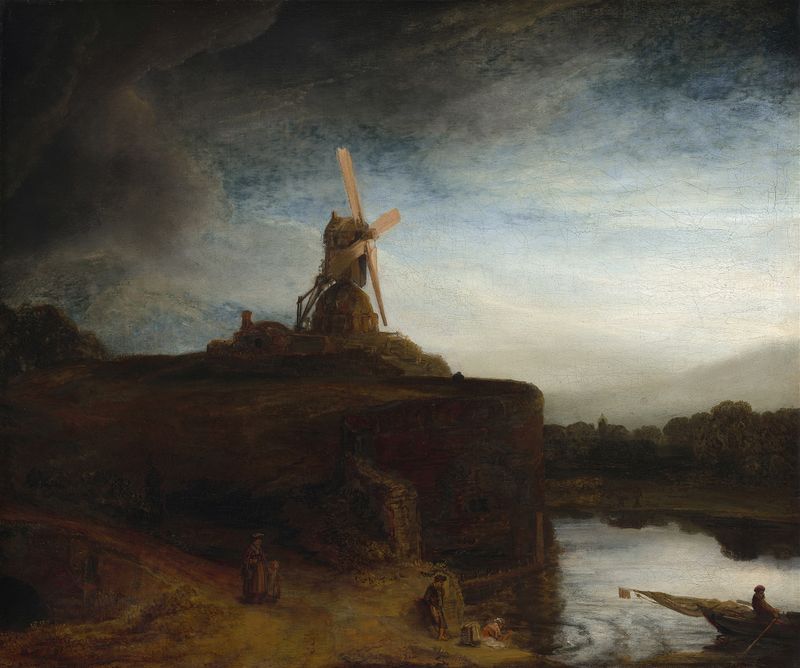
The Mill
Rembrandt van Rijn

The Sampling Officials of the Amsterdam Drapers’ Guild, Known as ‘The Syndics’
Rembrandt van Rijn

The return of the prodigal son
Rembrandt van Rijn
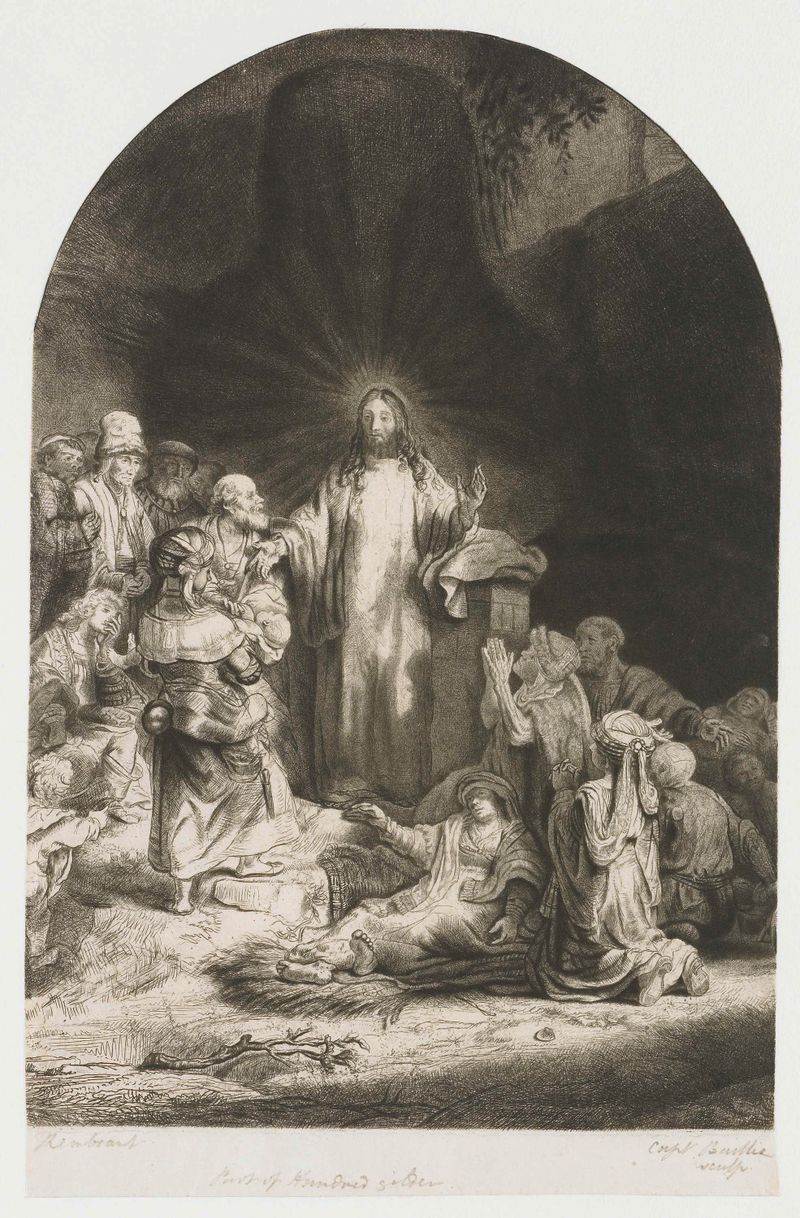
The Hundred Guilder Print: the central piece with Christ preaching, the plate arched
Rembrandt van Rijn

The Hundred Guilder Print: the man seen on the back in the lower left corner
Rembrandt van Rijn
More Portrait Art
Browse all →
Las meninas
Diego Velázquez

Self-portrait with a Bandaged Ear and Pipe
Unidentified artist

Girl with a Pearl Earring
Johannes Vermeer
The Sampling Officials of the Amsterdam Drapers’ Guild, Known as ‘The Syndics’
Rembrandt van Rijn
The Hundred Guilder Print: the man seen on the back in the lower left corner
Rembrandt van Rijn

Portrait of Dr Gachet
Vincent van Gogh