
The Good Samaritan — History & Facts
Could a single brushstroke hold eternity? In the heart of The Good Samaritan, a moment of rebirth unfolds, transforming pain into compassion and isolation into connection. Focus on the figures at the painting’s center: the Samaritan, robust and benevolent, bends over the wounded traveler. Notice how Decamps uses warm, earthy tones, invoking a sense of life's fragility, while the contrasting cool hues of the background heighten the drama of the scene. The way light cascades over the Samaritan's form not only illuminates his noble gesture but also casts a soft glow on the fallen man, hinting at the promise of recovery.
Each brushstroke is deliberate, pulling the eye into the narrative of mercy. In the gentle expression of the Samaritan, there lies a profound tension between suffering and salvation. The bandages he holds are not just tools of healing; they symbolize hope and the transformative power of kindness. The surrounding figures, though less prominent, create a silent discourse of judgment and support, framing the act of compassion as a beacon in times of despair.
This interplay captures the essence of humanity’s capacity for rebirth through empathy. Alexandre-Gabriel Decamps painted this work around 1842, during a period of social upheaval and change in France, where themes of morality and charity were increasingly resonant. Emerging from a time steeped in Romanticism, he sought to blend realism with theatricality, reflecting his own experiences and beliefs. This artwork not only showcases his technical prowess but also mirrors the yearning for humanity's better nature in a world often beleaguered by strife.
More Artworks by Alexandre-Gabriel Decamps
Browse all →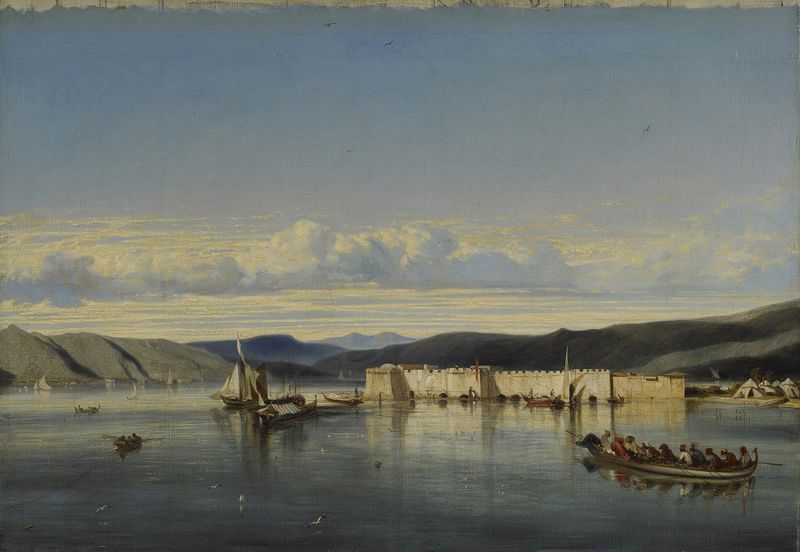
The Anchorage of Smyrna
Alexandre-Gabriel Decamps

Souvenir de Turquie d’Asie (Environs de Smyrne)
Alexandre-Gabriel Decamps
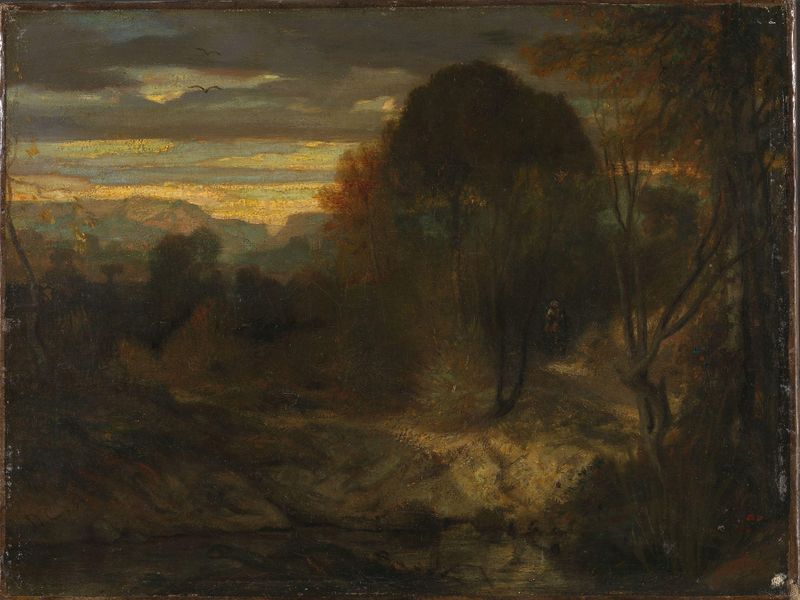
Evening landscape
Alexandre-Gabriel Decamps
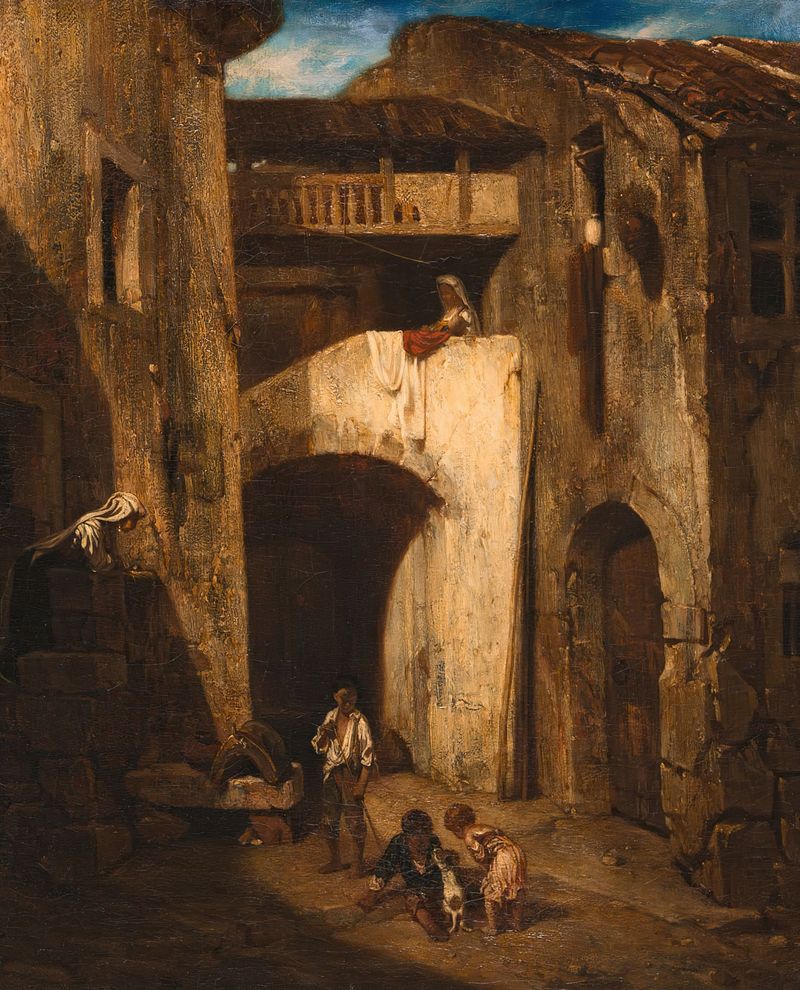
Italian Courtyard
Alexandre-Gabriel Decamps
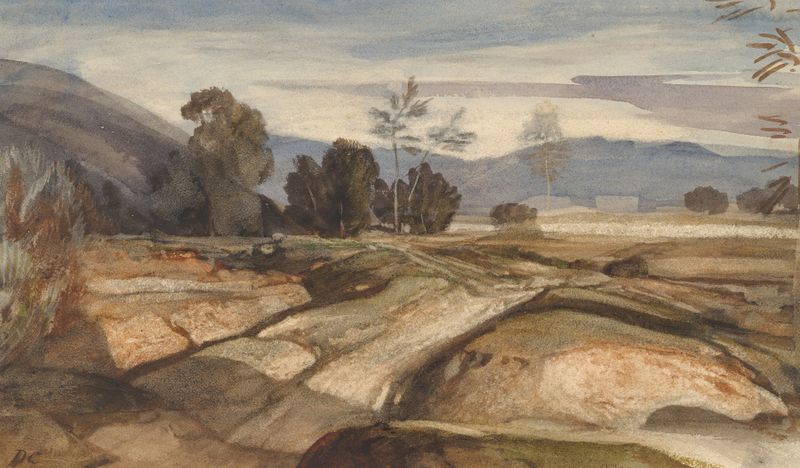
Landscape
Alexandre-Gabriel Decamps

A Well in the East
Alexandre-Gabriel Decamps
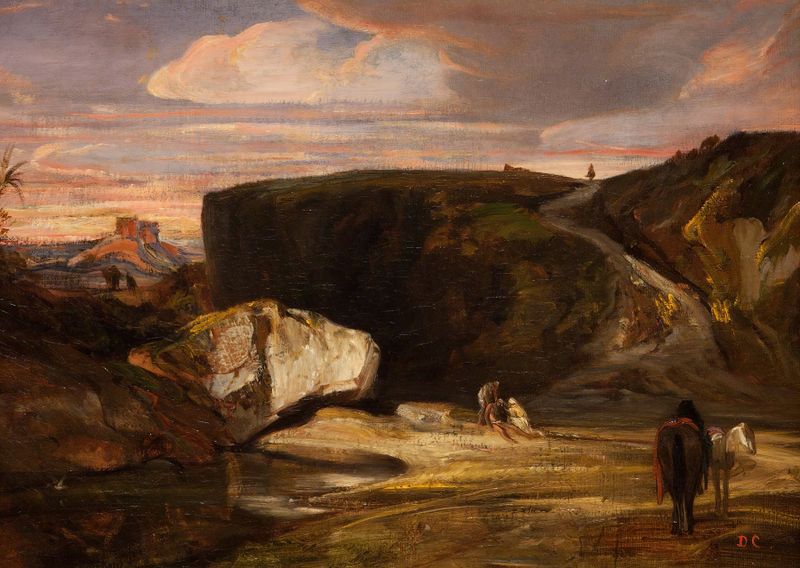
Landscape with the Good Samaritan
Alexandre-Gabriel Decamps
The Roman Campagna
Alexandre-Gabriel Decamps

The Villa Doria Pamphilj, Rome
Alexandre-Gabriel Decamps
Landschap met watermolen
Alexandre-Gabriel Decamps
More Religious Art
Browse all →
The Return of the Prodigal Son
Rembrandt van Rijn

The Garden of Earthly Delights
El Bosco

Count Orgaz’ funeral
El Greco

The Hundred Guilder Print: the central piece with Christ preaching, the plate arched
Rembrandt van Rijn

The Descent from the Cross
Rogier van der Weyden

The return of the prodigal son
Rembrandt van Rijn