Italian Courtyard — History & Facts
In moments of loss, the true essence of beauty emerges, whispering stories that words can never capture. Look closely at the center of Italian Courtyard and the delicate interplay of light and shadow shapes your perception. The warm earth tones of the sunlit stones contrast strikingly with the deep greens of the surrounding foliage, inviting your gaze to wander. Notice how the arches frame the courtyard, drawing you inward, while the fading light suggests the melancholy of a day coming to an end, echoing themes of transience and nostalgia. Within the composition, the juxtaposition of vibrant life against the stillness of the architecture speaks volumes.
The subtle hints of decay in the overgrown plants juxtapose the neatly structured stone, whispering of forgotten stories and lost time. Each detail, from the weathered texture of the walls to the muted shadows cast by the arches, enhances the emotional weight, creating a palpable tension between the vibrancy of life and the inevitability of loss. Decamps created this piece in 1842 while in the throes of a burgeoning reputation as a prominent Orientalist painter. Residing in France and deeply influenced by his travels, he captured the heart of Italy’s architecture and nature, reflecting not only aesthetic beauty but also the deeper currents of longing and reminiscence in a rapidly changing world.
His work resonated with the cultural shifts of the time, as Romanticism flourished and artists began to explore the interplay of emotion and landscape.
More Artworks by Alexandre-Gabriel Decamps
Browse all →
The Good Samaritan
Alexandre-Gabriel Decamps
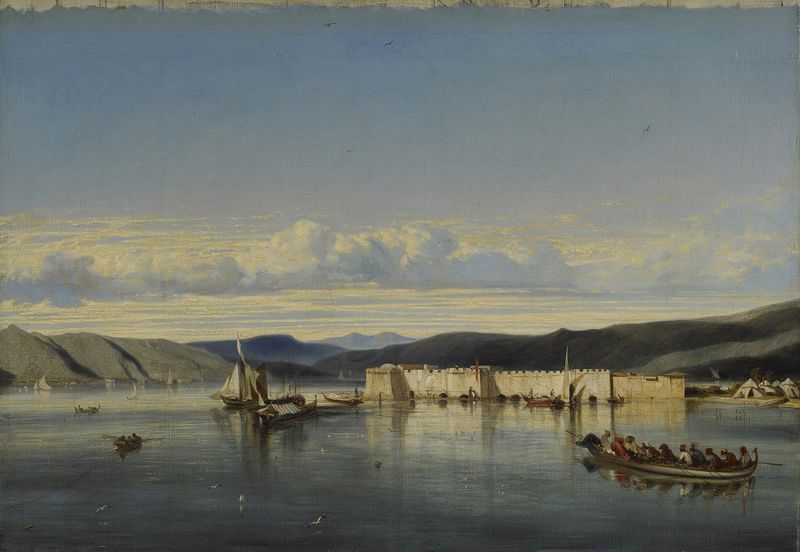
The Anchorage of Smyrna
Alexandre-Gabriel Decamps

Souvenir de Turquie d’Asie (Environs de Smyrne)
Alexandre-Gabriel Decamps
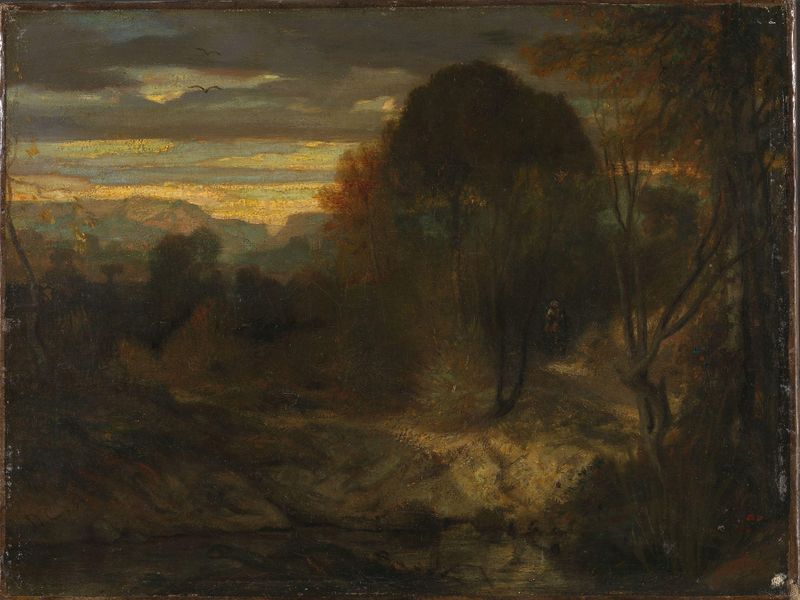
Evening landscape
Alexandre-Gabriel Decamps
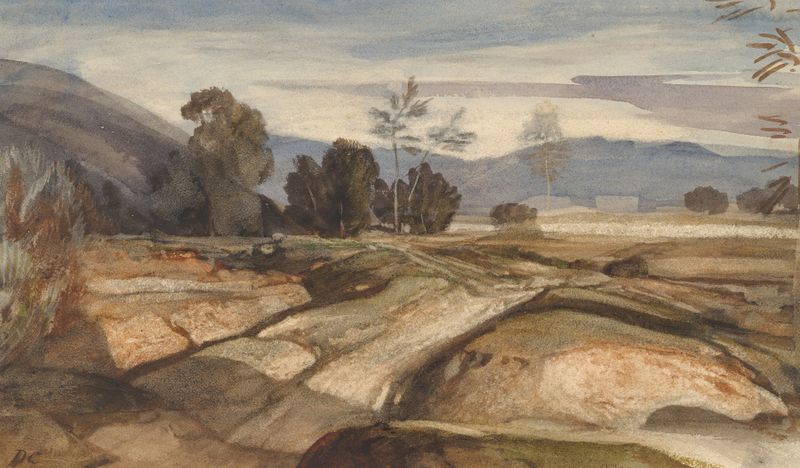
Landscape
Alexandre-Gabriel Decamps

A Well in the East
Alexandre-Gabriel Decamps
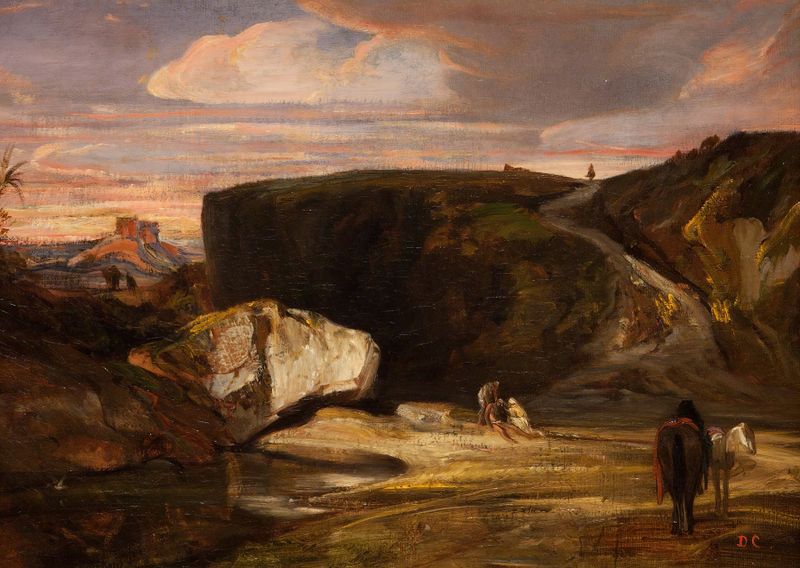
Landscape with the Good Samaritan
Alexandre-Gabriel Decamps
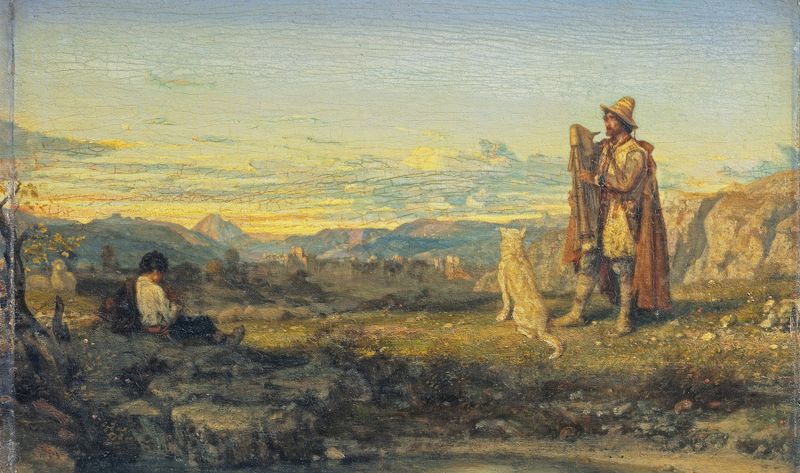
The Roman Campagna
Alexandre-Gabriel Decamps

The Villa Doria Pamphilj, Rome
Alexandre-Gabriel Decamps
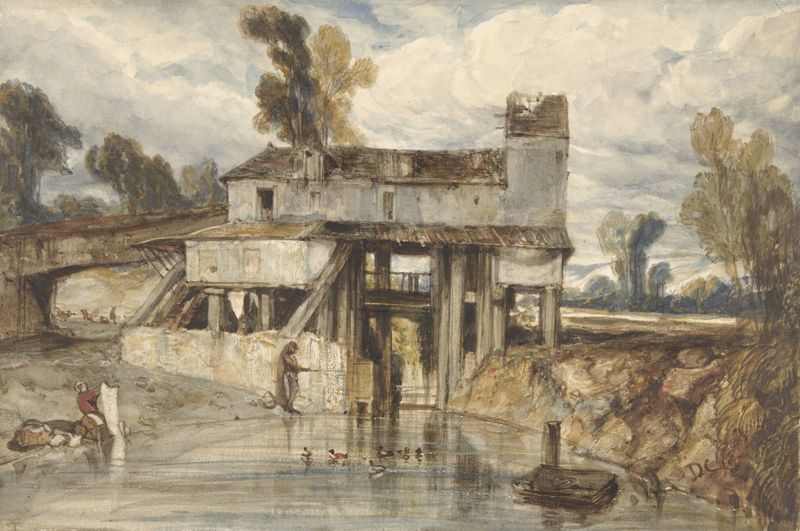
Landschap met watermolen
Alexandre-Gabriel Decamps