
Landschap met watermolen — History & Facts
In the stillness of a landscape, harmony and discord whisper through the brushstrokes, inviting the viewer to explore the delicate balance between nature and human endeavor. Look to the center where the watermill stands, its wheel poised as if time has momentarily halted. The earthy tones of the foliage envelop the structure, while a soft, golden light floods the scene, reflecting on the gentle ripples of the water below. Notice how the artist's precise lines and contrasting colors bring dynamism to the tranquil setting, creating a visual dialogue between the solidity of the mill and the fluidity of the stream. Within this serene tableau lies an interplay of themes.
The watermill symbolizes industriousness, yet it coexists peacefully with the surrounding nature, suggesting a symbiotic relationship. Shadows dance along the bank, evoking the transient nature of life, while the lush greenery hints at renewal and growth. Together, these elements convey a sense of balance, both in the composition and the message, urging the viewer to reflect on the harmony found in coexistence. Decamps painted this work during his time in France, amidst a period of artistic exploration and transformation.
Between 1813 and 1860, he navigated the shifting tides of Romanticism, emphasizing the relationship between humanity and the natural world. This era saw a growing interest in landscape painting, allowing him to express his admiration for rural life and the sublime beauty of nature through his thoughtful compositions.
More Artworks by Alexandre-Gabriel Decamps
Browse all →
The Good Samaritan
Alexandre-Gabriel Decamps
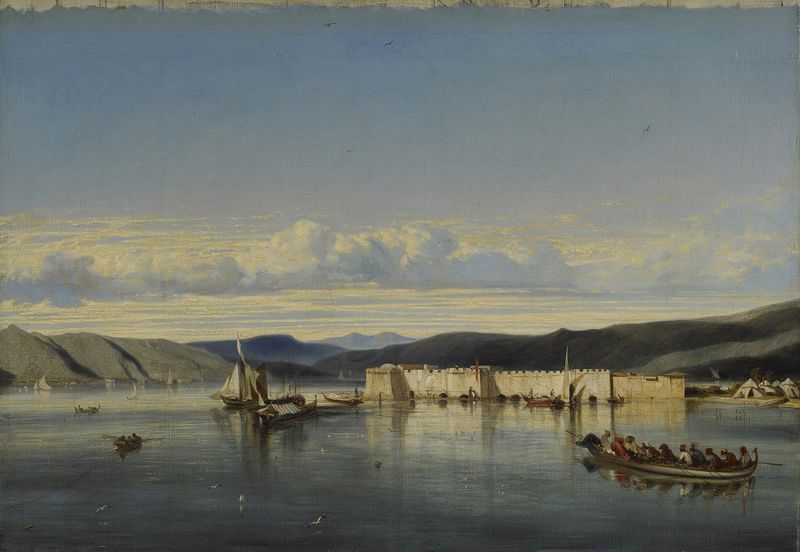
The Anchorage of Smyrna
Alexandre-Gabriel Decamps

Souvenir de Turquie d’Asie (Environs de Smyrne)
Alexandre-Gabriel Decamps
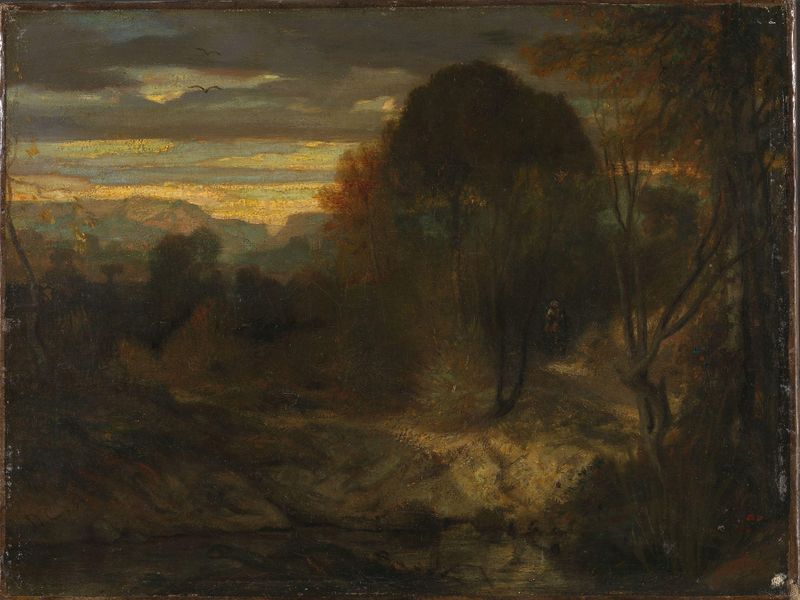
Evening landscape
Alexandre-Gabriel Decamps
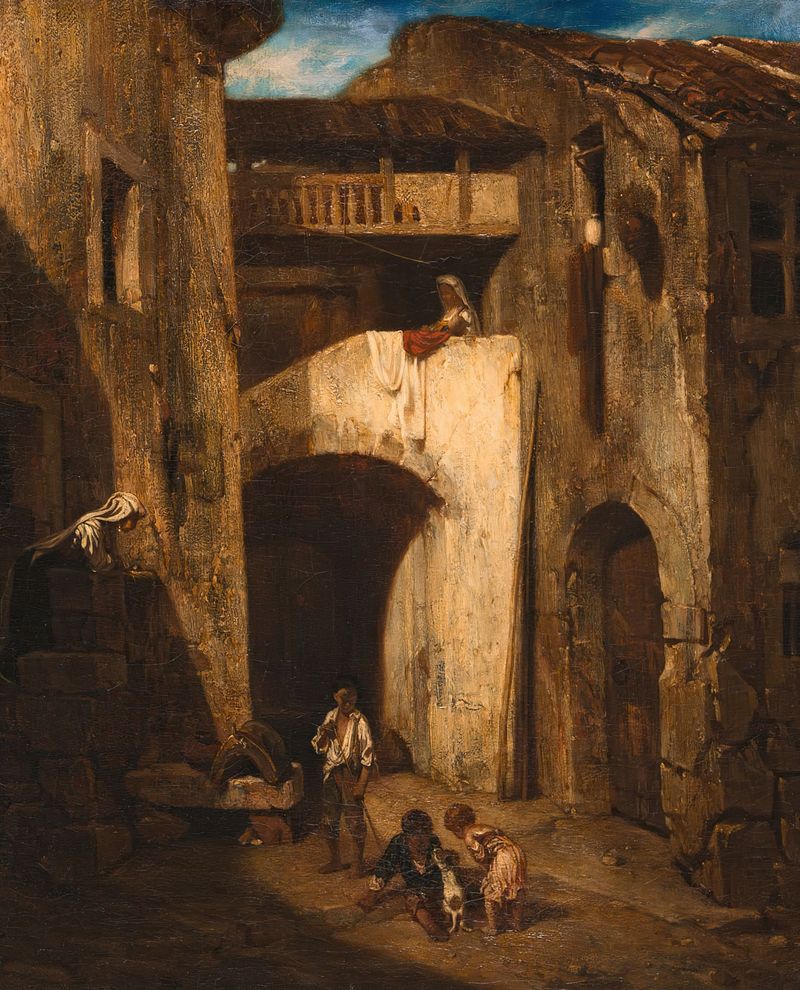
Italian Courtyard
Alexandre-Gabriel Decamps
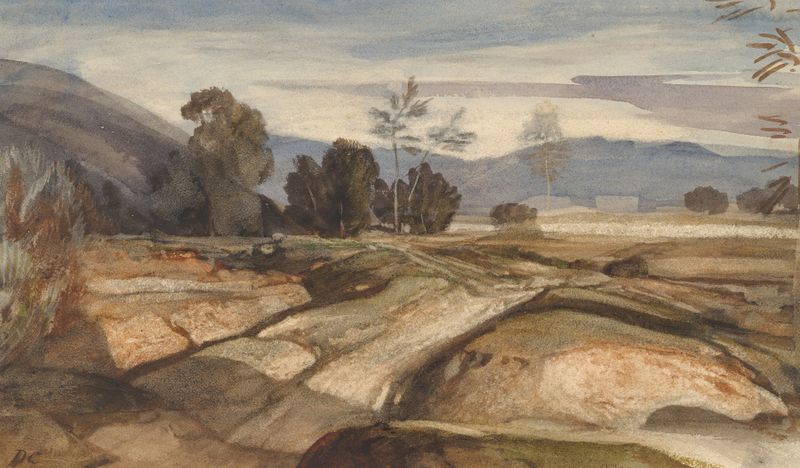
Landscape
Alexandre-Gabriel Decamps

A Well in the East
Alexandre-Gabriel Decamps
Landscape with the Good Samaritan
Alexandre-Gabriel Decamps
The Roman Campagna
Alexandre-Gabriel Decamps

The Villa Doria Pamphilj, Rome
Alexandre-Gabriel Decamps





