
A Well in the East — History & Facts
Could beauty survive in a century of chaos? In A Well in the East, a tableau of serene beauty amidst turmoil invites contemplation of ecstasy amid the mundane. Look to the center of the composition, where the well stands as a focal point, its structure framed by delicate foliage. The light dances on the water's surface, creating a shimmering invitation, while warm earth tones envelop the scene, imparting a sense of calm. The placement of figures—two women engaging with the well—draws your gaze, their postures both relaxed and purposeful.
The artist’s brushwork captures the gentle interplay of light and shadow, highlighting the ethereal quality of this moment. Beneath the tranquil surface, a deeper narrative resonates. The well serves as a symbol of life and sustenance, while the surrounding natural features hint at an underlying tension—between civilization and nature, serenity and chaos. The contrast between the figures’ graceful movements and the potential depth below the surface suggests an introspective exploration of existence and fulfillment.
What emerges is a duality: the peace found in routine, counterbalanced by the ever-looming possibility of turmoil. In 1847, Decamps painted this work while residing in France, a period marked by political upheaval and social transformation. The Romantic movement was gaining momentum, as artists sought to evoke deeper emotional responses through their work. Decamps, known for his ability to capture exotic scenes with an emphasis on light, was reflecting the spirit of the times, blending realism with a longing for beauty that transcends the chaos surrounding him.
More Artworks by Alexandre-Gabriel Decamps
Browse all →
The Good Samaritan
Alexandre-Gabriel Decamps
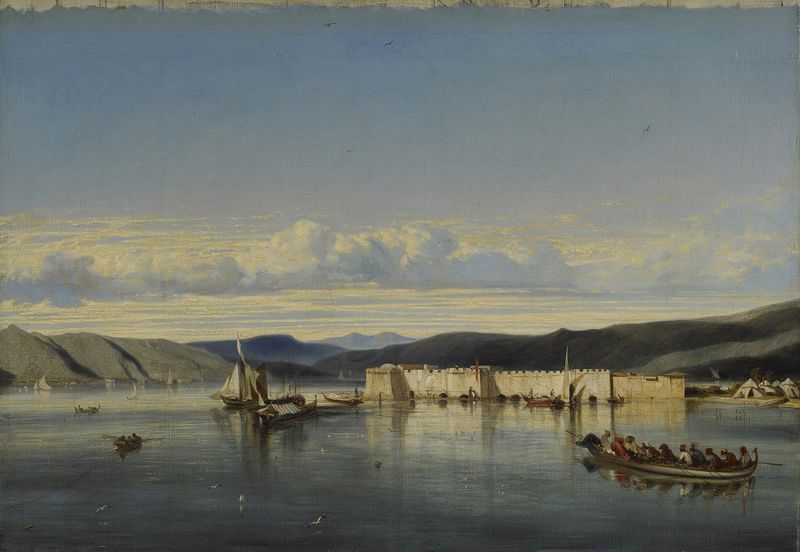
The Anchorage of Smyrna
Alexandre-Gabriel Decamps

Souvenir de Turquie d’Asie (Environs de Smyrne)
Alexandre-Gabriel Decamps
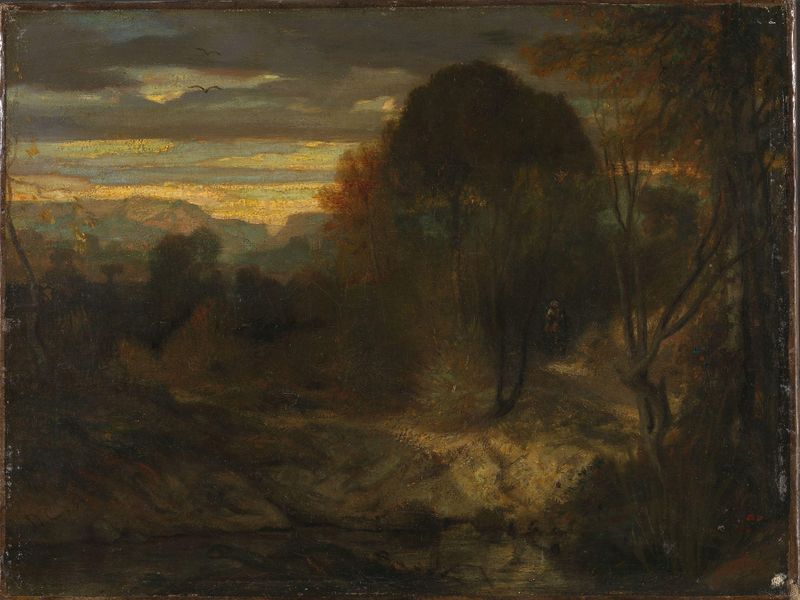
Evening landscape
Alexandre-Gabriel Decamps
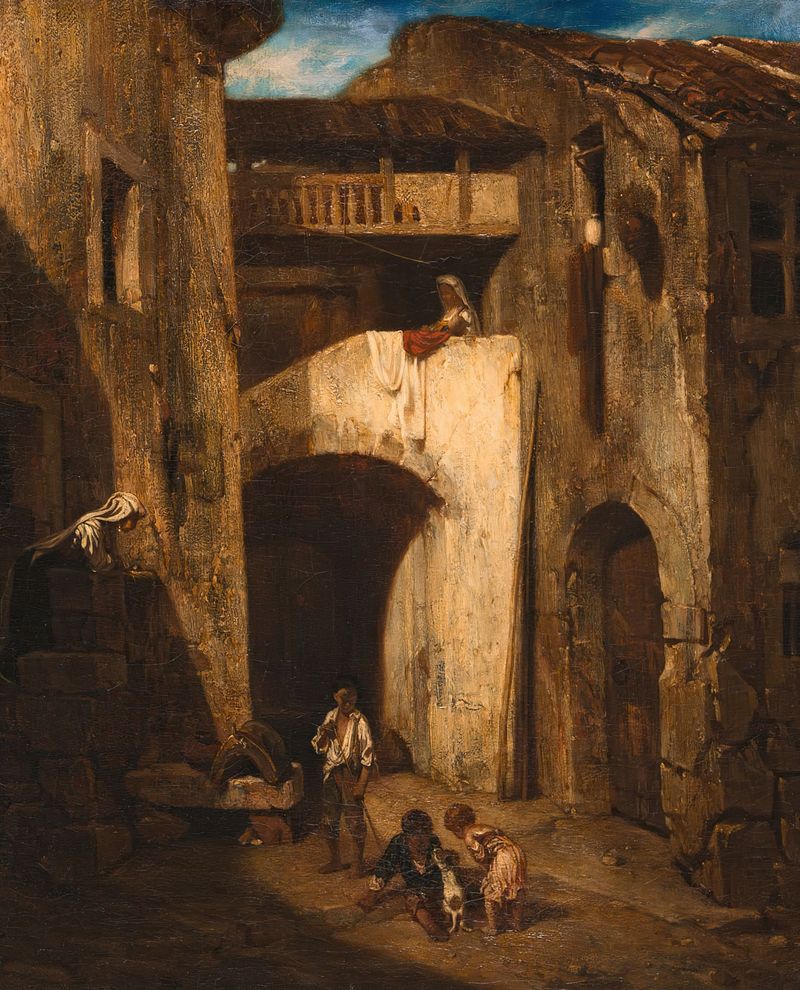
Italian Courtyard
Alexandre-Gabriel Decamps
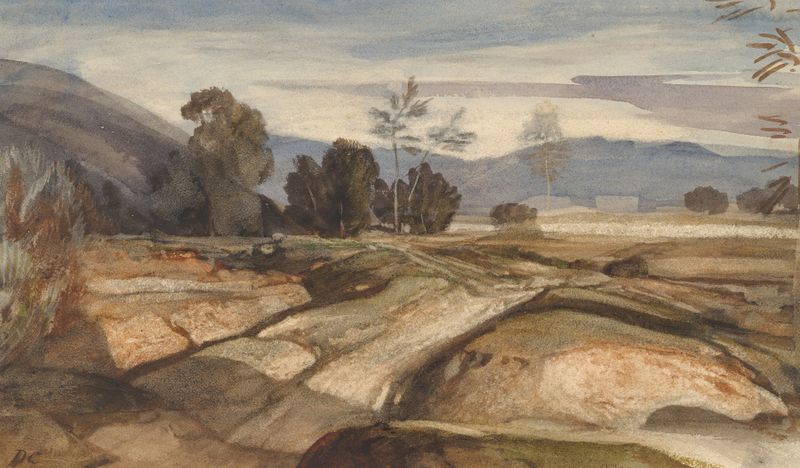
Landscape
Alexandre-Gabriel Decamps
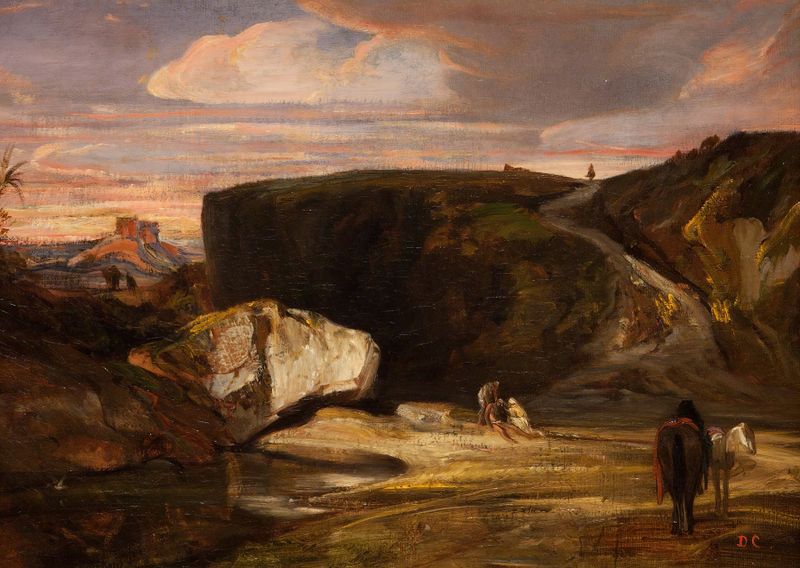
Landscape with the Good Samaritan
Alexandre-Gabriel Decamps
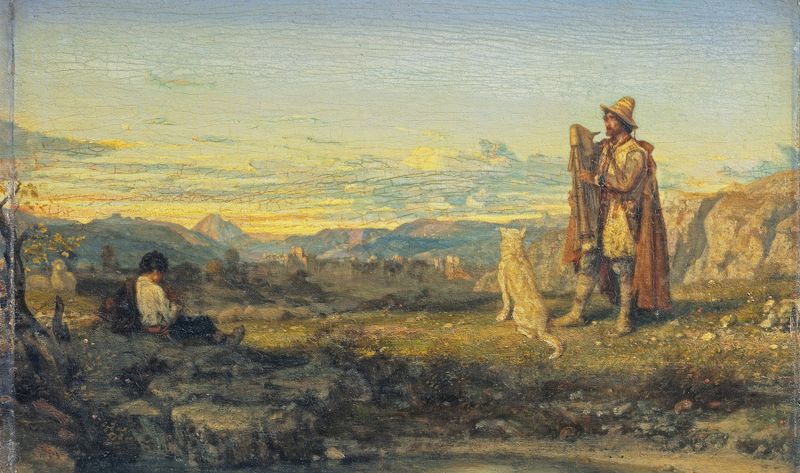
The Roman Campagna
Alexandre-Gabriel Decamps

The Villa Doria Pamphilj, Rome
Alexandre-Gabriel Decamps
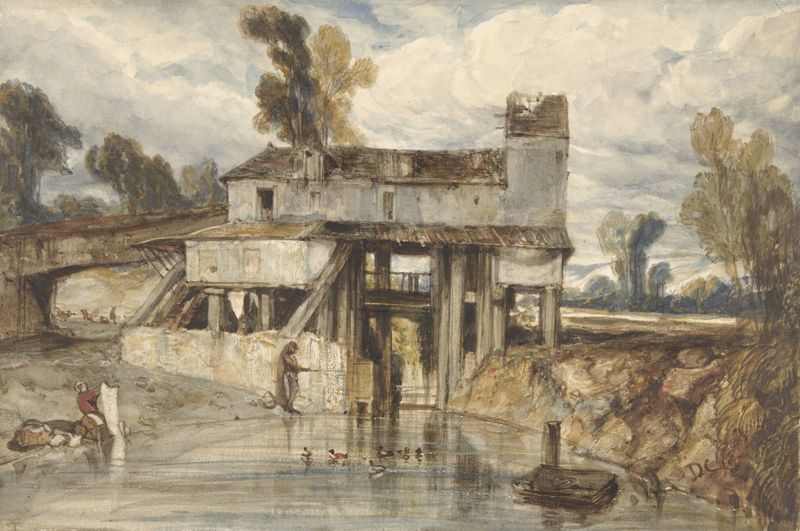
Landschap met watermolen
Alexandre-Gabriel Decamps





