
Evening landscape — History & Facts
In Evening Landscape, the canvas unfolds a world where loss lingers in the twilight, whispering secrets of an unreachable past. Look to the horizon, where the amber sky melts into indigo, casting a warm glow over the land. Notice how Decamps masterfully blends earthy tones with soft pastels, inviting the viewer to traverse this serene yet melancholic landscape. The silhouettes of trees stand like sentinels, their dark forms contrasting with the delicate hues of the setting sun, while the gentle ripple of water reflects the sky's changing mood.
Your gaze is drawn to the interplay of light and shadow, crafting a tension between day and night that speaks to transitions and farewells. In the details, hints of loss emerge—the solitary tree, bent but resilient, symbolizes endurance amidst change. The calm water, reflecting the sky's descent into darkness, echoes the inevitability of time passing, urging contemplation on what has been left behind. Each element, intentionally placed, sparks a dialogue about nostalgia and the quiet acceptance of life’s cyclical nature, reminding us that beauty often coexists with sorrow. Decamps painted Evening Landscape in 1854, during a period of introspection following personal and political upheaval in France.
As the art world was shifting towards Realism, the artist maintained a romantic connection to nature, capturing fleeting moments before their transformation. This work encapsulates his unique perspective, blending a longing for the past with a nuanced understanding of the present, reflective of the societal changes surrounding him.
More Artworks by Alexandre-Gabriel Decamps
Browse all →
The Good Samaritan
Alexandre-Gabriel Decamps
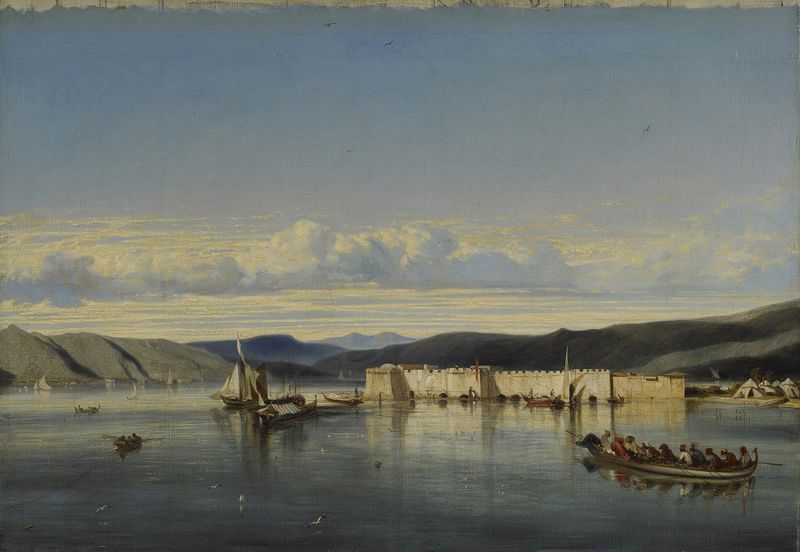
The Anchorage of Smyrna
Alexandre-Gabriel Decamps

Souvenir de Turquie d’Asie (Environs de Smyrne)
Alexandre-Gabriel Decamps
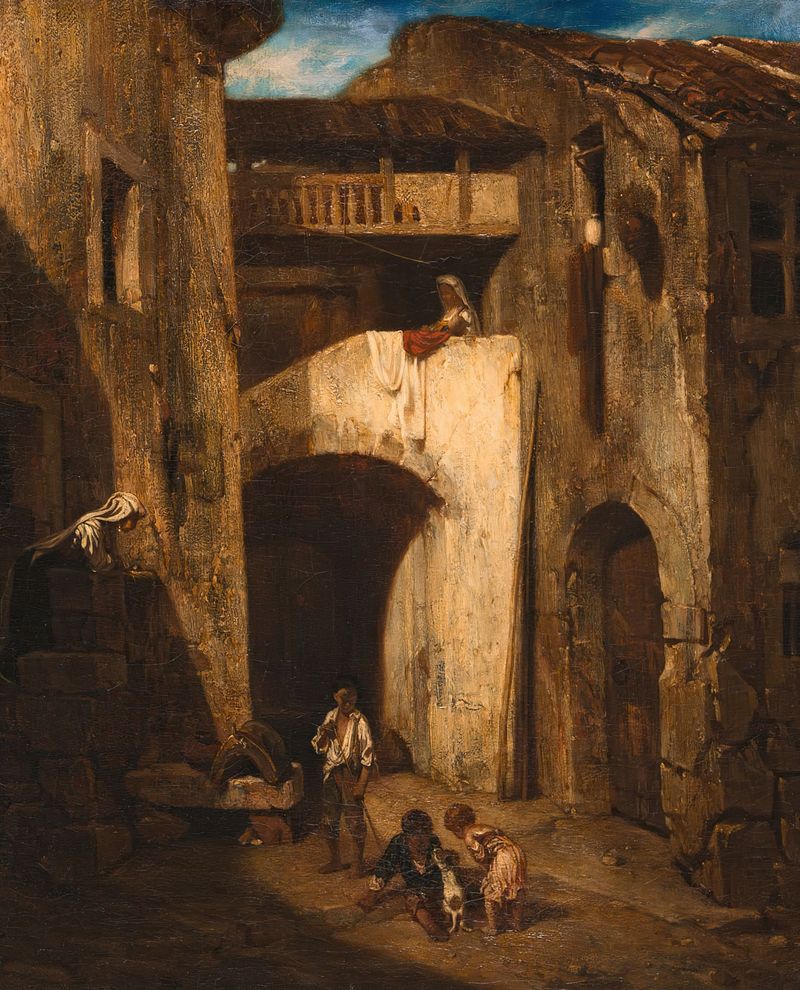
Italian Courtyard
Alexandre-Gabriel Decamps
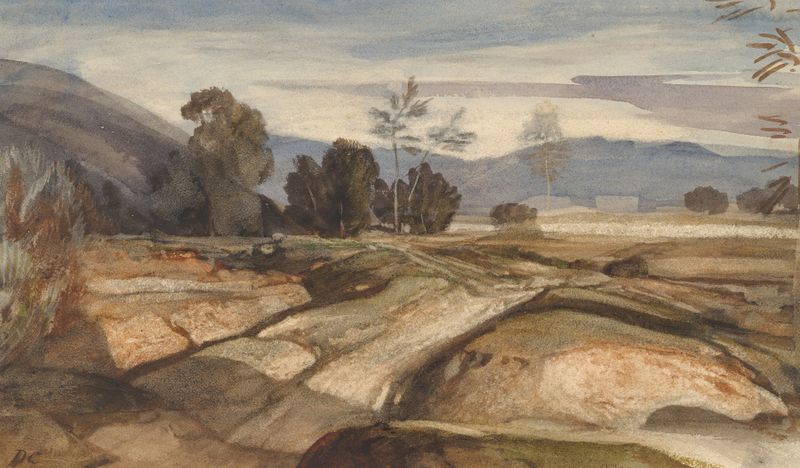
Landscape
Alexandre-Gabriel Decamps

A Well in the East
Alexandre-Gabriel Decamps
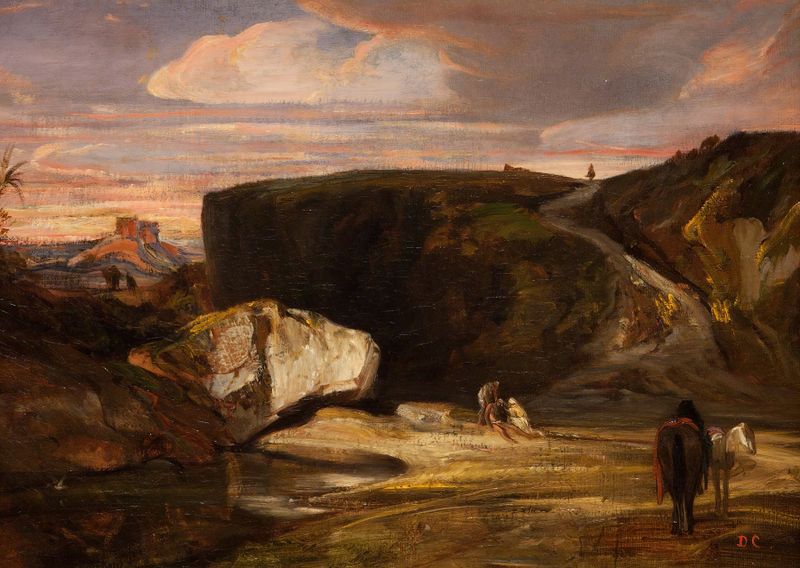
Landscape with the Good Samaritan
Alexandre-Gabriel Decamps
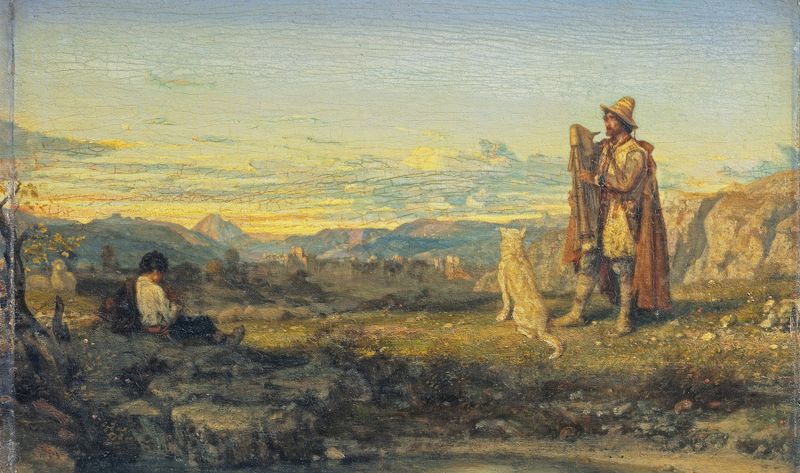
The Roman Campagna
Alexandre-Gabriel Decamps

The Villa Doria Pamphilj, Rome
Alexandre-Gabriel Decamps
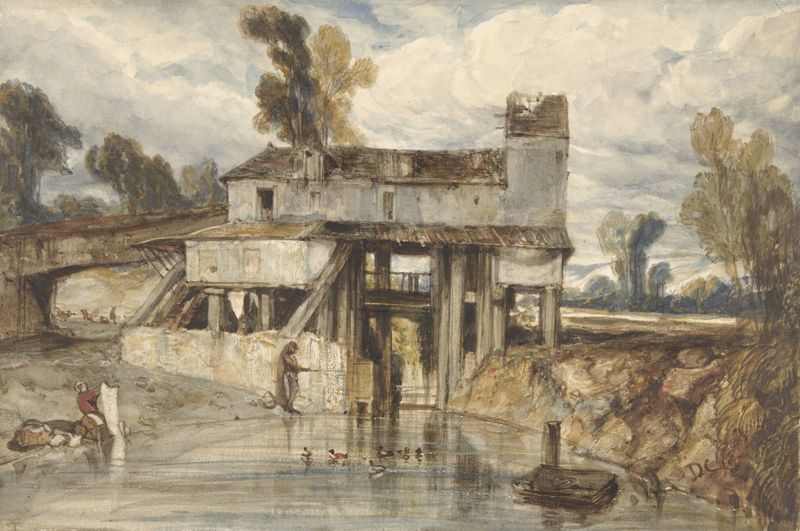
Landschap met watermolen
Alexandre-Gabriel Decamps





