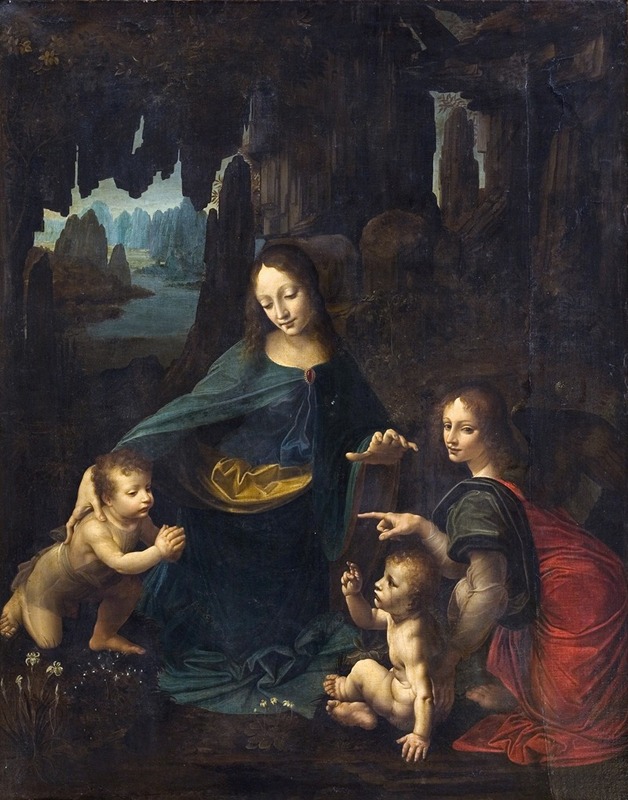
Discover insights about this artwork
The Good Samaritan — History & Facts
In The Good Samaritan, Rembrandt van Rijn presents a scene filled with warmth and compassion. The painting features a Samaritan helping a wounded traveler, surrounded by a rich palette of earthy tones. The figures are rendered with great detail, showcasing their expressions of concern and care.
The setting is a simple yet evocative landscape that enhances the emotional weight of the moment. This artwork is an oil on canvas, typical of Rembrandt's style during the Dutch Golden Age. The dimensions are approximately 90 x 130 cm, allowing for a detailed portrayal of the figures. The use of chiaroscuro is evident, with dramatic contrasts between light and shadow that highlight the central figures.
The brushwork is loose yet precise, contributing to the overall depth and texture of the scene. Rembrandt van Rijn created The Good Samaritan during a period when he was exploring themes of compassion and humanity. This painting reflects his interest in biblical narratives and the moral lessons they convey. An interesting fact about this work is that it showcases Rembrandt's ability to capture the emotional essence of human interactions.
It remains a significant piece in the study of religious art and the portrayal of kindness.
More Artworks by Rembrandt van Rijn
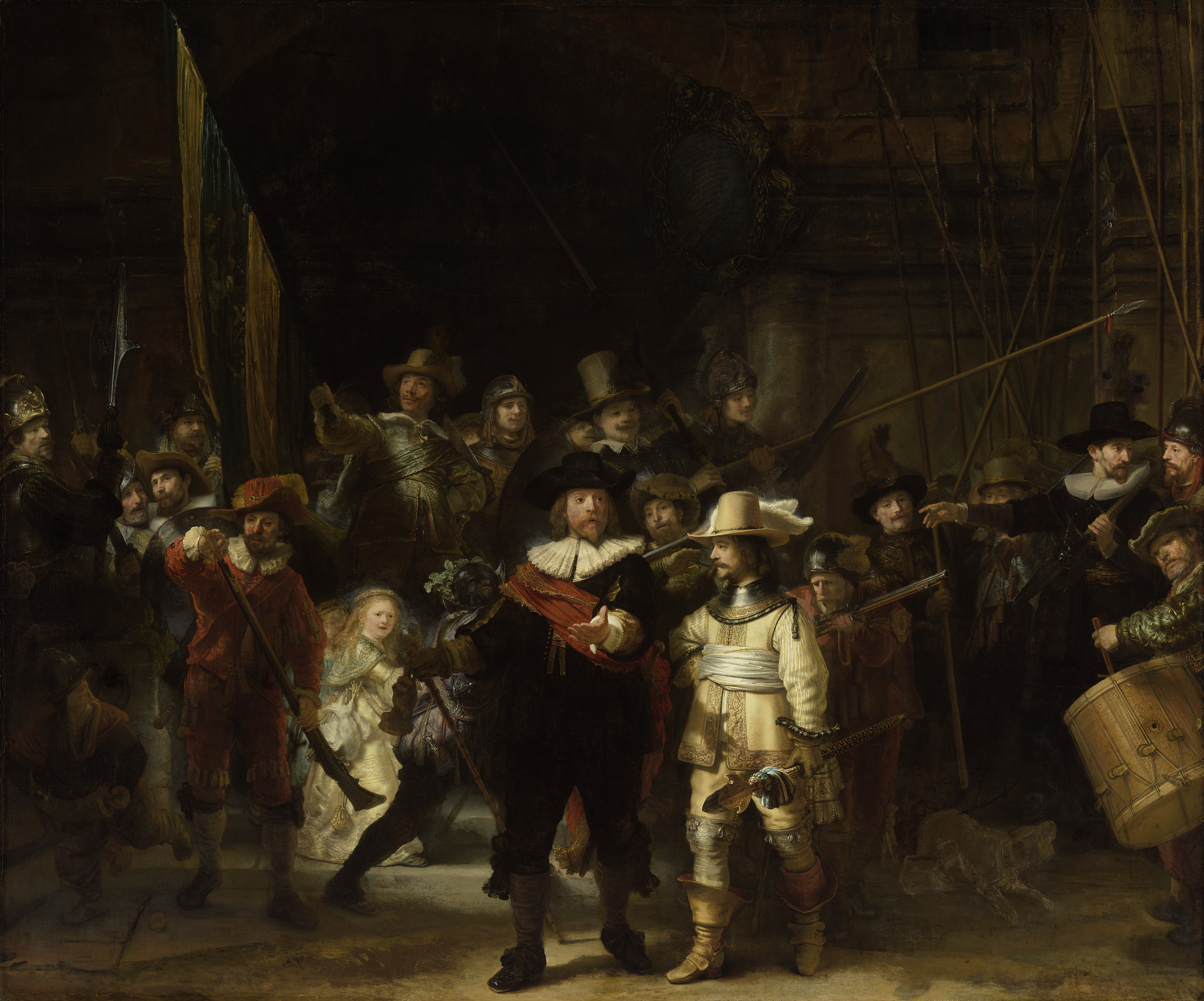
The Night Watch Militia Company of District II under the Command of Captain Frans Banninck Cocq
Rembrandt van Rijn
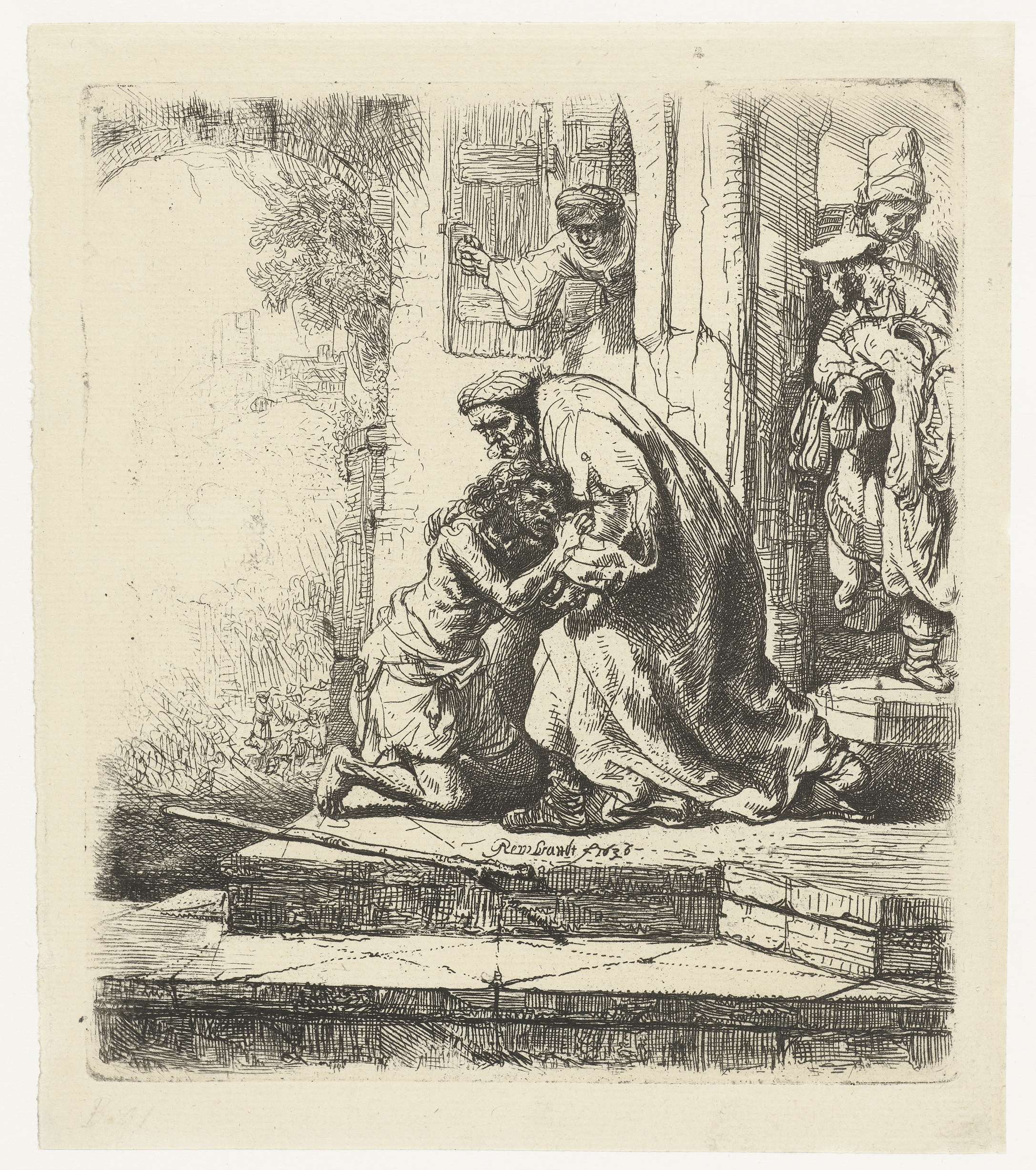
The Return of the Prodigal Son
Rembrandt van Rijn
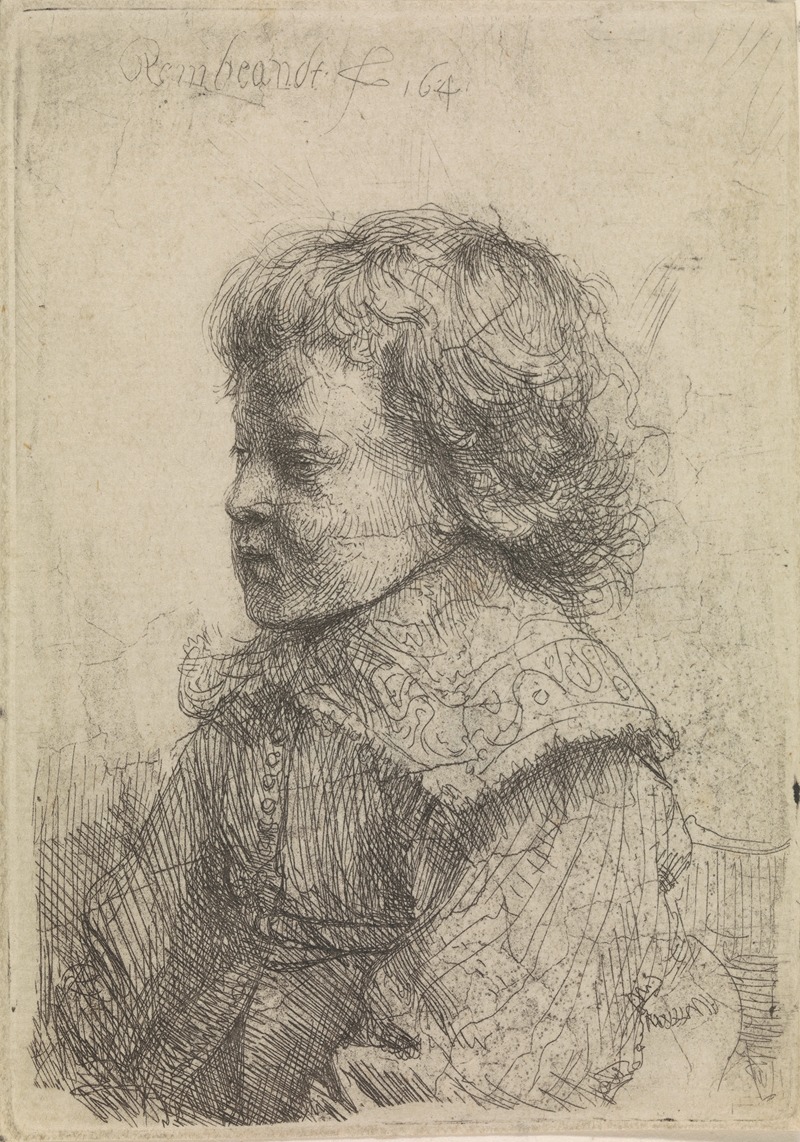
Portrait of a boy in profile
Rembrandt van Rijn
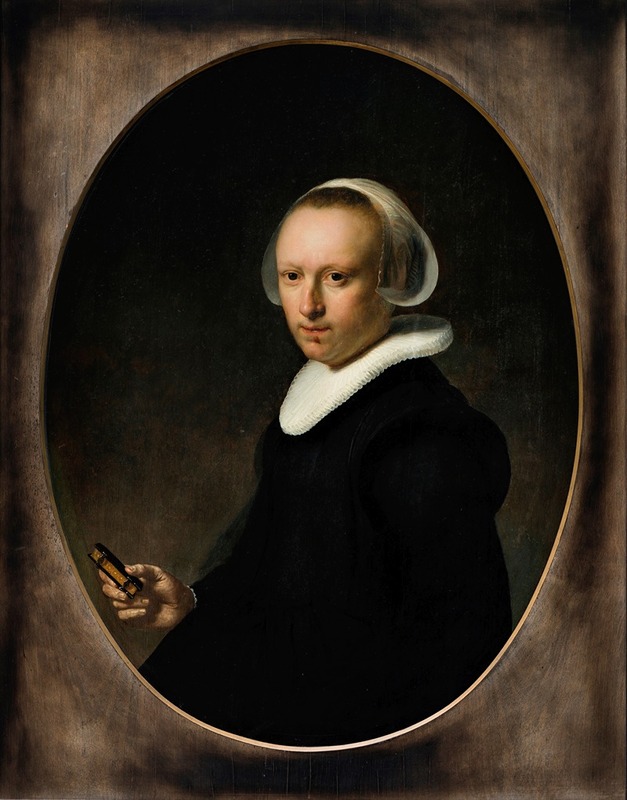
Portrait of a 39-year-old Woman
Rembrandt van Rijn
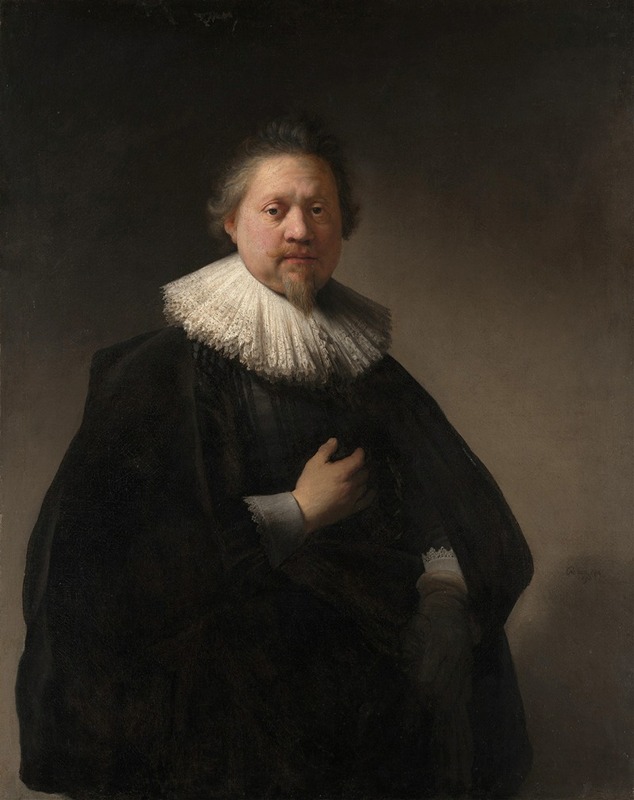
Portrait of a Man
Rembrandt van Rijn
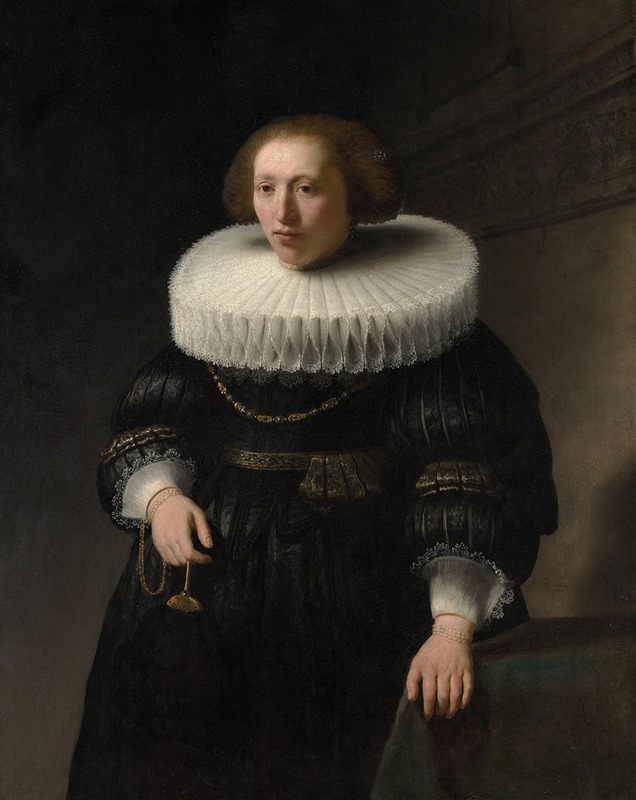
Portrait of a Woman
Rembrandt van Rijn
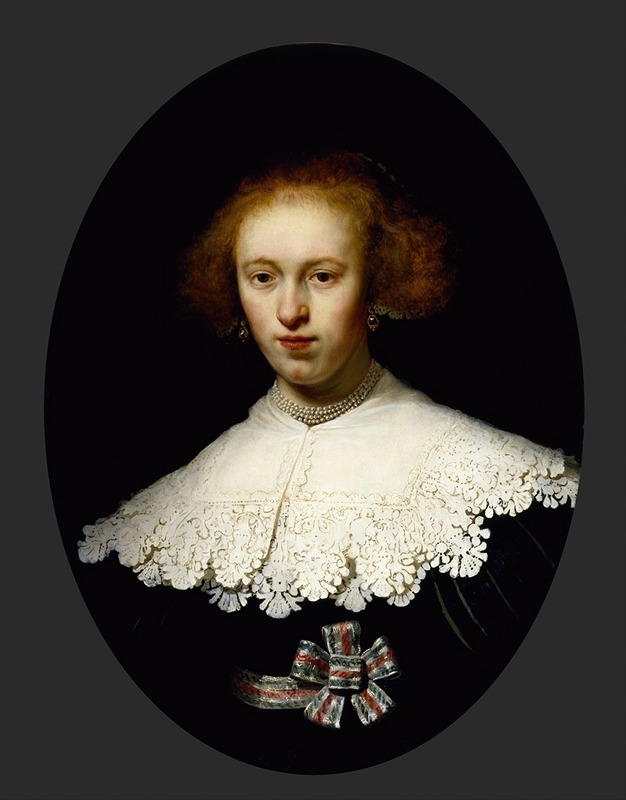
Portrait of a Young Woman
Rembrandt van Rijn
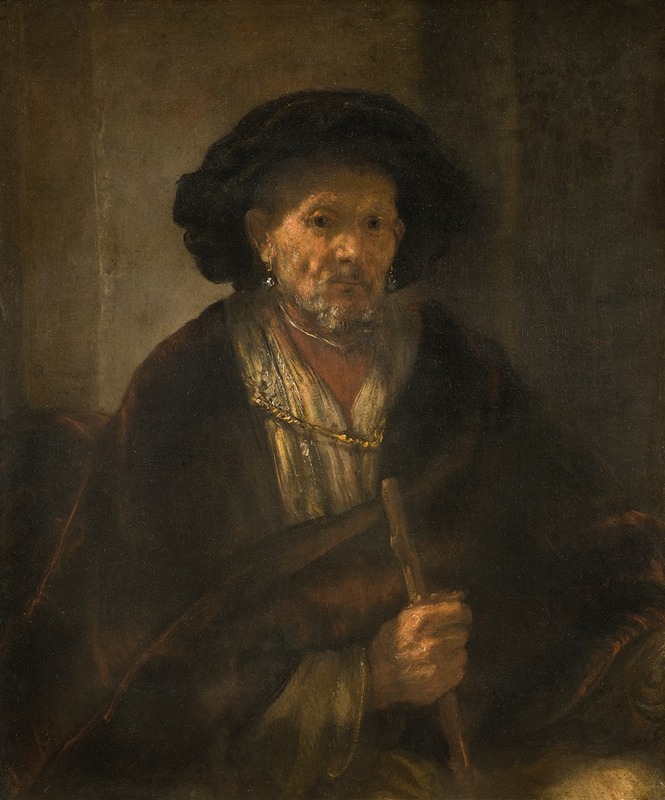
Portrait of an Old Man
Rembrandt van Rijn
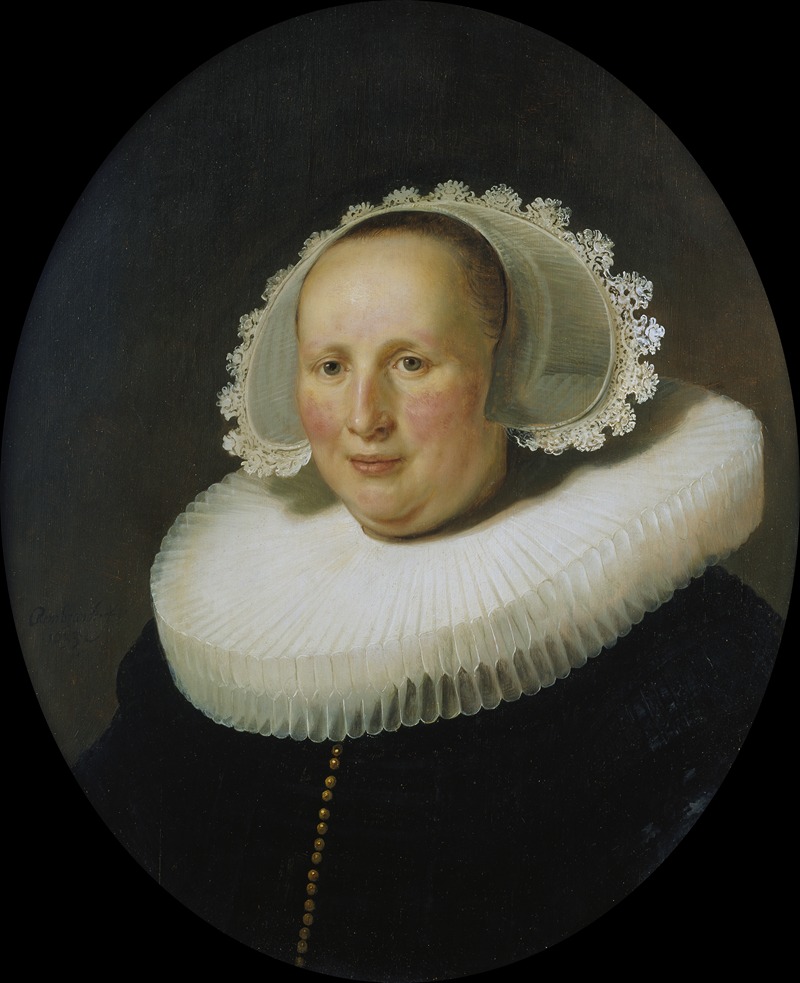
Portrait of Maertgen van Bilderbeecq
Rembrandt van Rijn
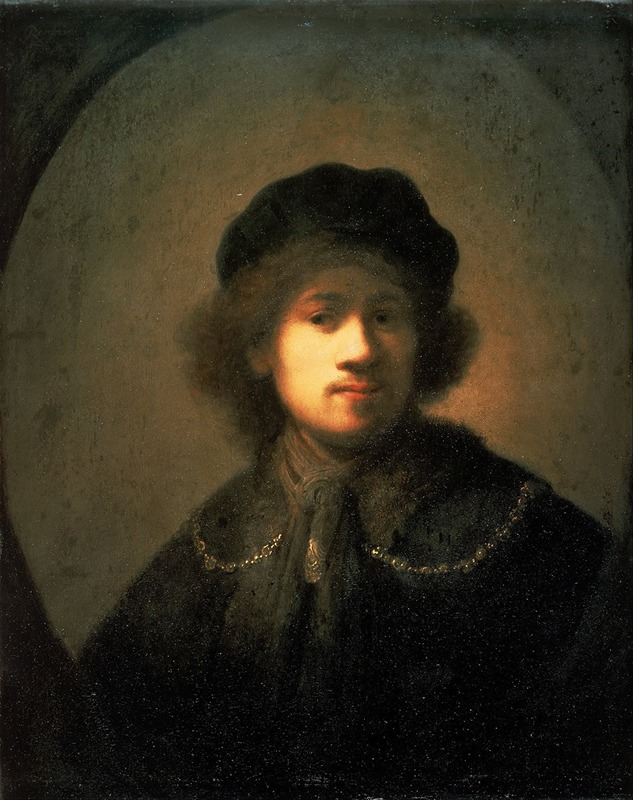
Portrait of the Artist as a Young Man
Rembrandt van Rijn